
Holetown

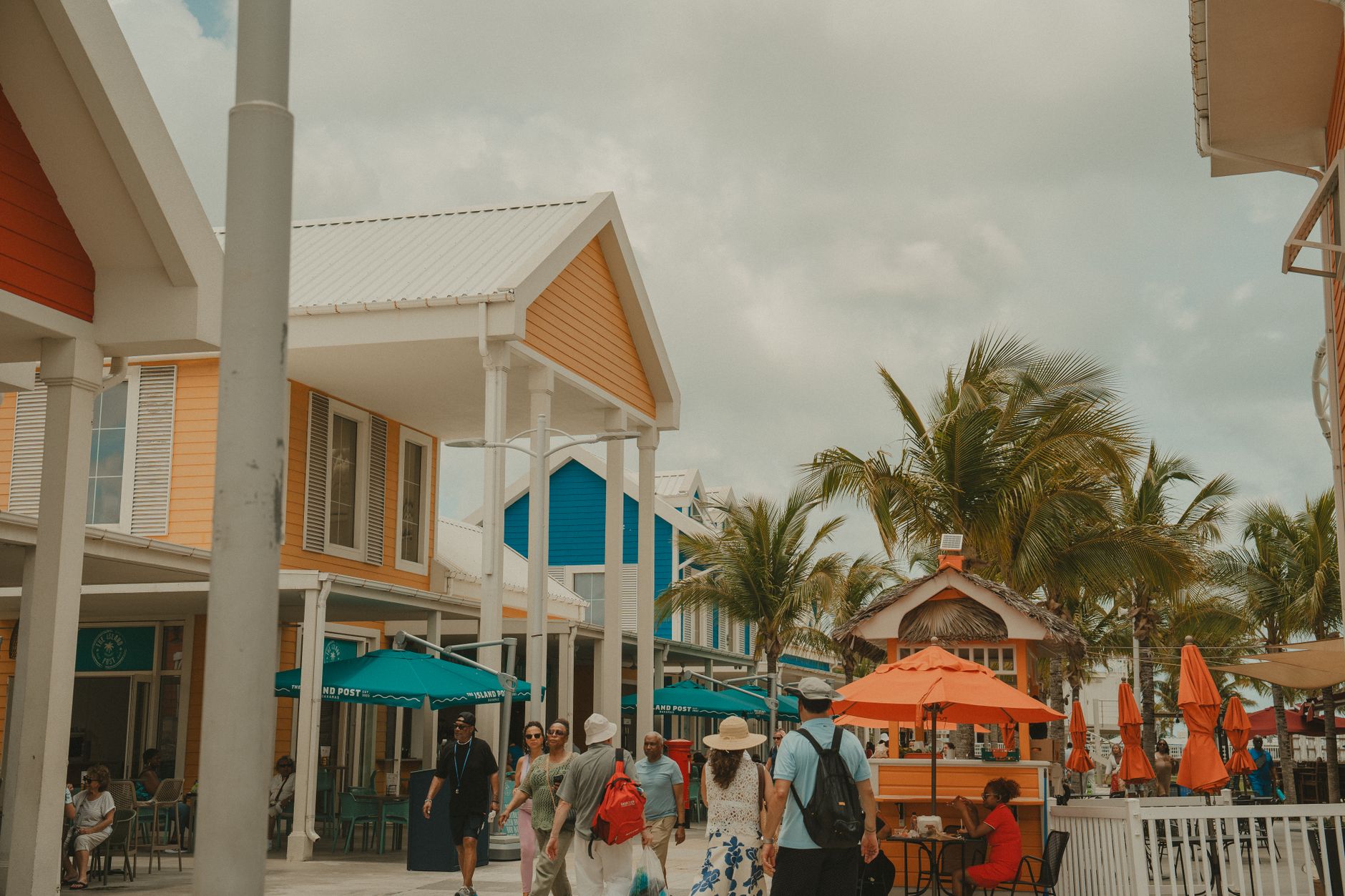
The stone obelisk standing beside Holetown's old cannons has the wrong date on it — 1605, when the English actually arrived in 1625 — and nobody has corrected it in over a century. That small, stubborn error tells you something about the town: it moves at its own pace, comfortable with its own version of things. This is where Barbados began, where Captain Henry Powell stepped ashore from the Olive Blossom in February 1627 with fifty settlers and a plan.
Today Holetown runs along the island's west coast — St. James Parish — with a boardwalk that locals use for morning swims and evening walks, a marine reserve with a sunken Greek freighter sitting in 120 feet of water, and a pair of streets that fill with diners after dark. The founding colony and the cocktail bar coexist without much fuss.
💛 What travellers fall for
People who come back tend to mention the same few things: renting a snorkel and drifting over the Stavronikita wreck, eating cou cou and flying fish somewhere unremarkable-looking on First Street, and catching the bus back to Bridgetown for BBD 3.50 rather than a taxi — partly for the price, mostly for the company.
Deals in Holetown
Book directly at the provider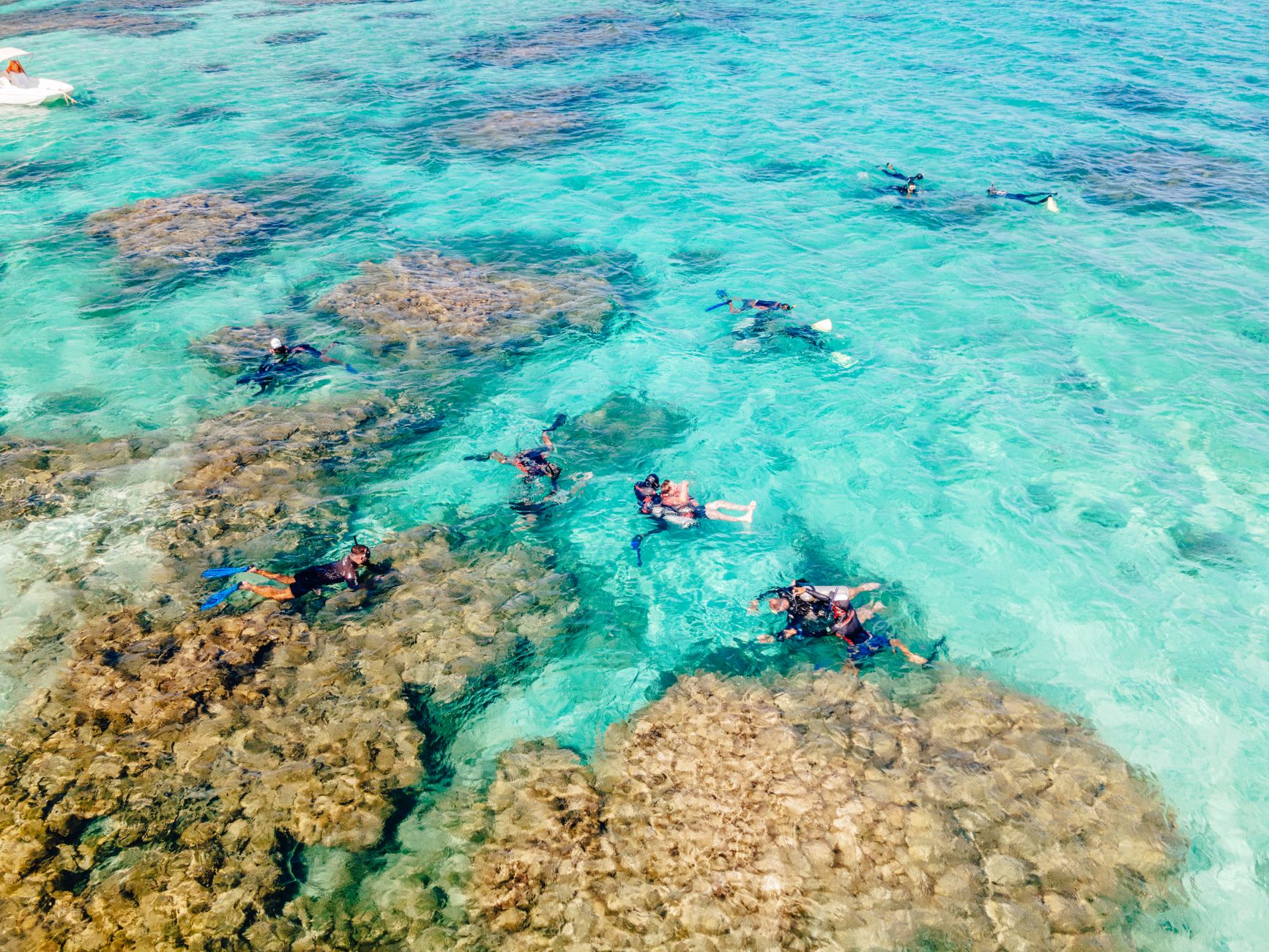
How Holetown came to be
Barbados's English story starts here. In 1625, Captain John Powell's ship was blown off course from South America and he claimed the island for England. Two years later, on 17 February 1627, his brother Captain Henry Powell returned aboard the Olive Blossom with Sir William Courteen — a Dutch-born merchant who bankrolled the venture — and fifty settlers. They named the place after a stream called The Hole, which offered safe anchorage. For two years, this was the only town on the island.
When Lord Carlisle took control of Barbados, he founded a settlement to the south along Carlisle Bay, and Bridgetown eventually became the capital. Holetown receded from the center of island affairs but never quite lost its sense of precedence. St. James Parish Church, built in 1628 and rebuilt twice after hurricanes, still stands — the oldest Anglican church in Barbados. Since 1977, the town marks the original landing each year with the Holetown Festival.
Who and what shaped it
People who shaped it
Landmark buildings
See Holetown in motion
Plan your visit
On the map
When to go
The dry season runs roughly February through April — the best time for consecutive sunny days, with around 29 mm of rain per month and over 11 hours of sun in March. August through October is warmer but wetter, with rain arriving in short bursts rather than all-day grey.
Right now
Background & history adapted from Wikipedia (CC BY-SA) · specs from Wikidata (CC0) · weather from Open-Meteo · map data © OpenStreetMap contributors · photos from Wikimedia Commons / Unsplash with per-image credit. No third-party reviews or social posts reproduced.