
Hoang Mai District
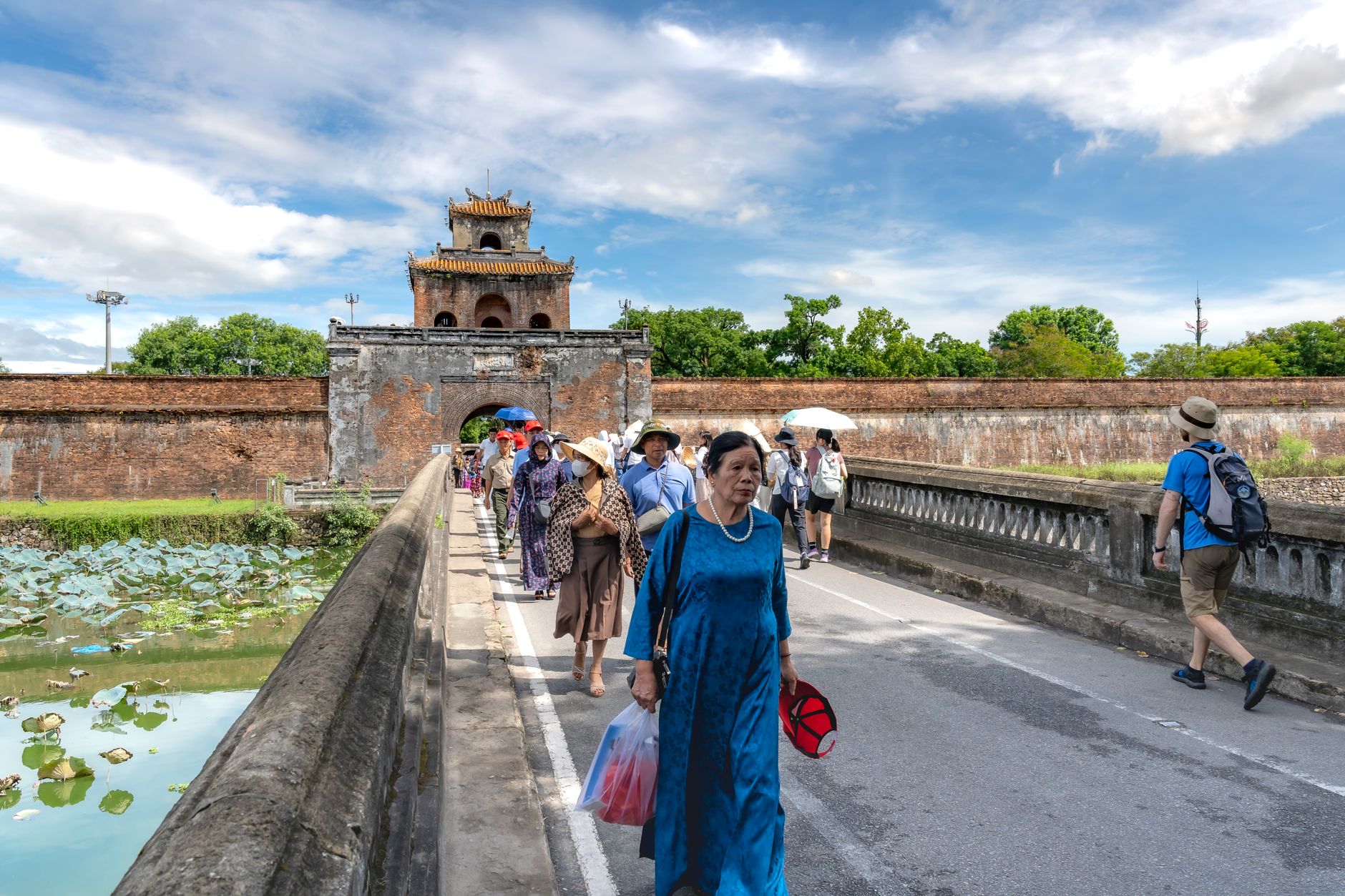

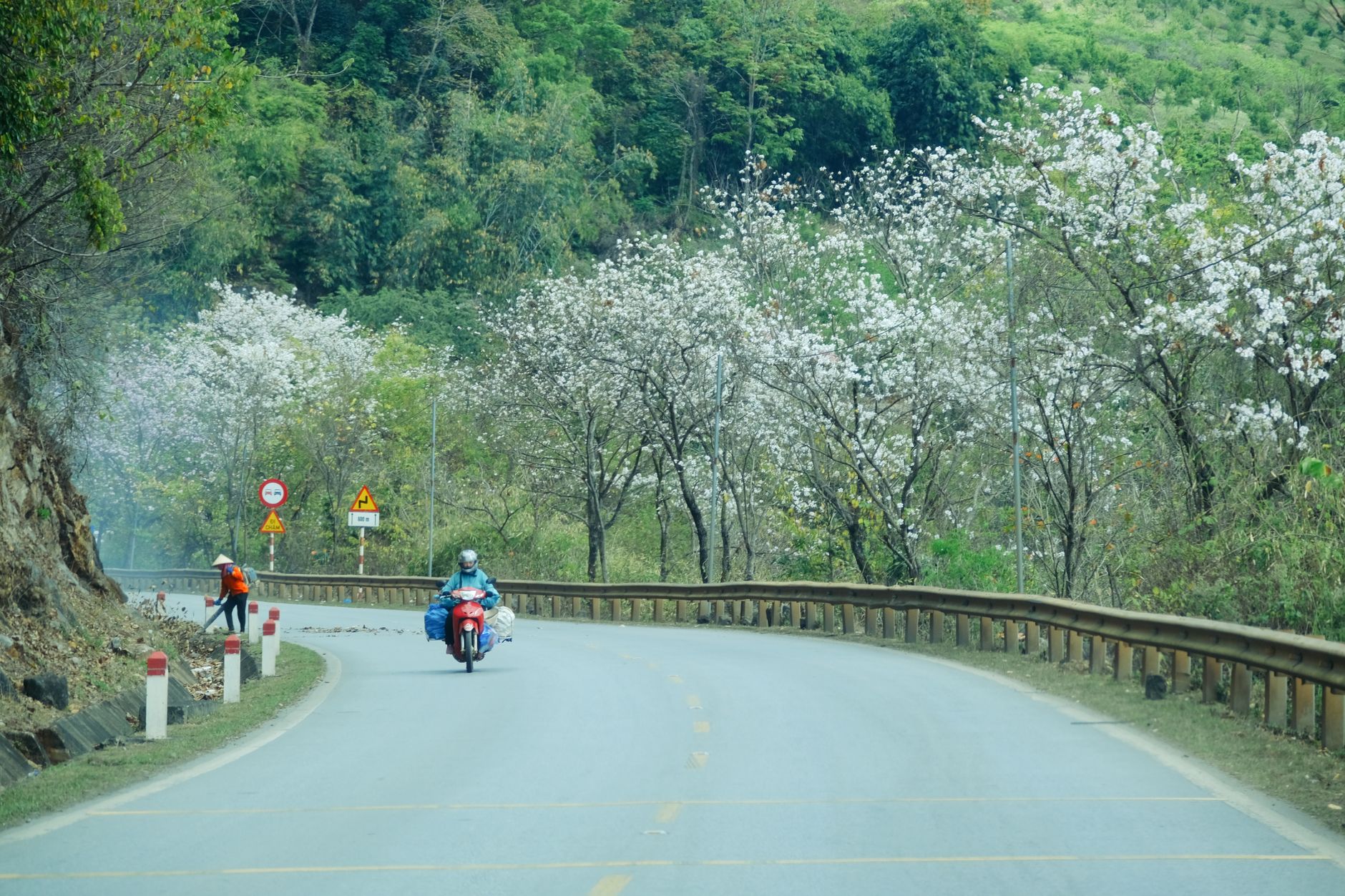

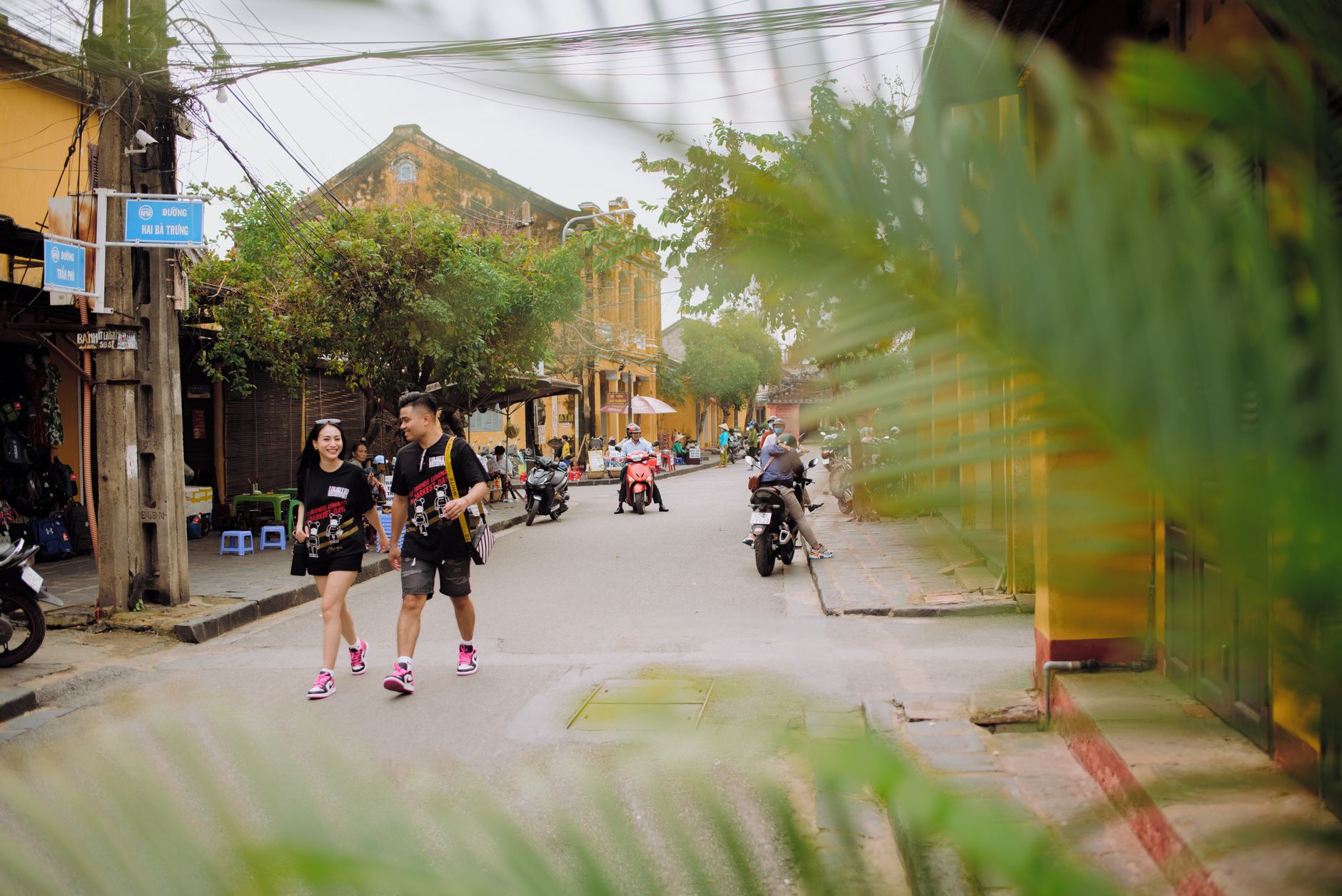
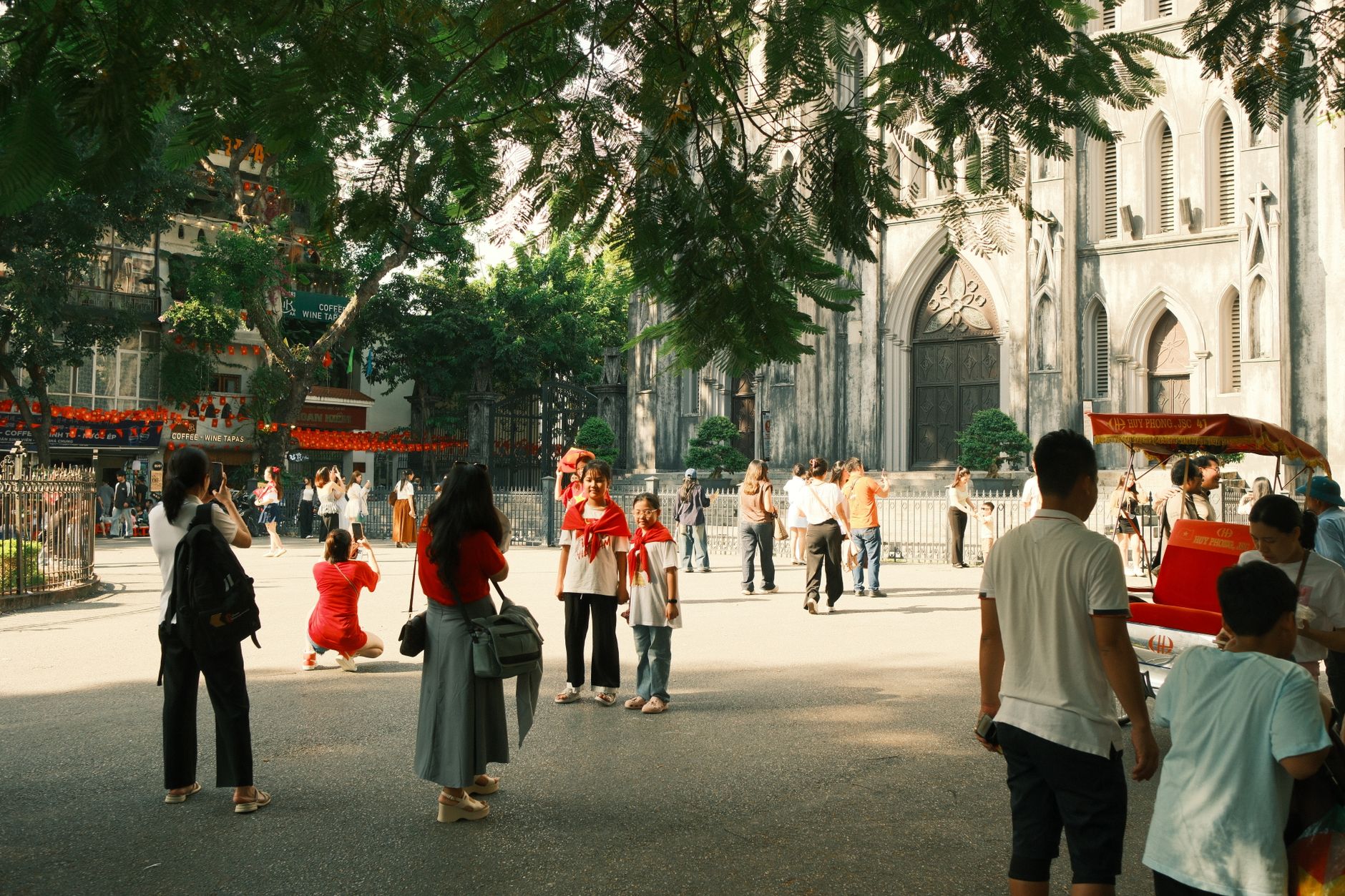
The banh cuon at Thanh Tri village comes wrapped so thin you can read newsprint through it — that detail alone tells you something about where you are. Hoang Mai was, until April 2025, Hanoi's most populous district, home to over half a million people across 40 square kilometres of southeastern city, and it wore that density in the particular way of places that urbanised fast: fish markets wholesale enough to supply the whole north, noodle villages that predate the city's modern sprawl, and a cathedral with twin towers that has stood since 1911.
In 2025, an administrative reform dissolved the district entirely, parcelling its land into seven new wards. The streets, the pagodas, the food villages — all still there, just reorganised on paper.
💛 What travellers fall for
Regulars tend to arrive early at the So Thuong fish market before the wholesale trade winds down, then follow the smell of tofu frying at Mo village in Mai Dong. Yen So Park is worth an evening — locals set up barbecues along the water and the pace drops completely. Go on a weekday if you want space to move.
Deals in Hoang Mai District
Book directly at the provider
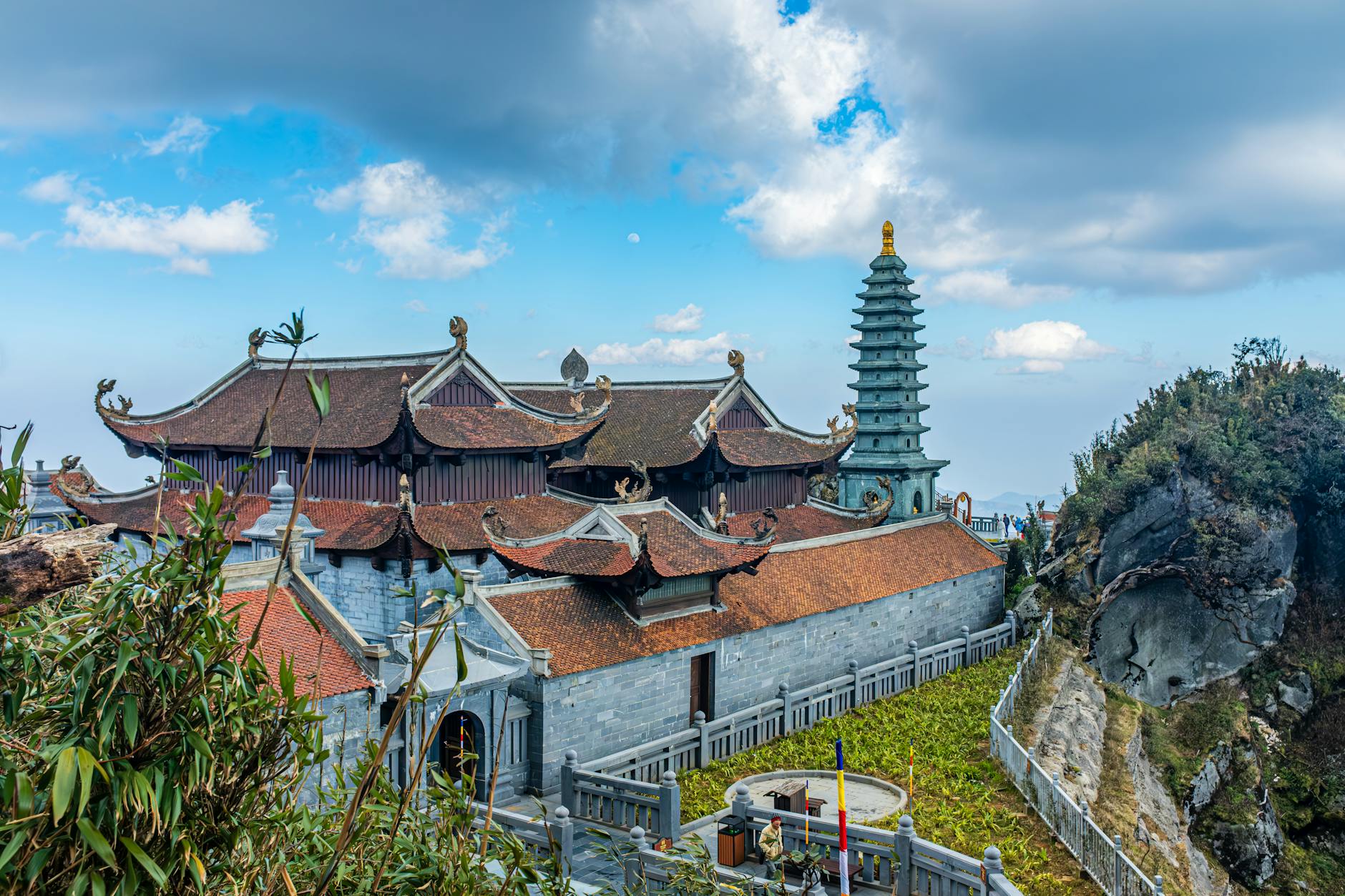
How Hoang Mai District came to be
The land now called Hoang Mai appears in records as Hồng Mai Commune as far back as the late 18th century, sitting within Thanh Trì Rural District under Thường Tín Prefecture. In 1847 the canton was renamed Hoàng Mai — a required adjustment to avoid sharing a syllable with the middle name of Emperor Nguyễn Dực Tôn, a common form of dynastic deference in Vietnamese naming practice.
The modern district was created by government decree on 6 November 2003, stitching together five wards from Hai Bà Trưng and nine communes from Thanh Trì, and began operating on 1 January 2004. It grew faster than almost any other new district in Hanoi, absorbing infrastructure, residents and development at pace, until the 2025 administrative reform dissolved it into seven successor wards.
Who and what shaped it
Landmark buildings
See Hoang Mai District in motion
Plan your visit
On the map
When to go
Hanoi's subtropical pattern applies here: summers run hot and humid from around May through September, winters are cool and occasionally damp from November through February. The shoulder months — March to April and October — offer the most comfortable conditions for walking between sites.
Right now
Background & history adapted from Wikipedia (CC BY-SA) · specs from Wikidata (CC0) · weather from Open-Meteo · map data © OpenStreetMap contributors · photos from Wikimedia Commons / Unsplash with per-image credit. No third-party reviews or social posts reproduced.