
Hirakata
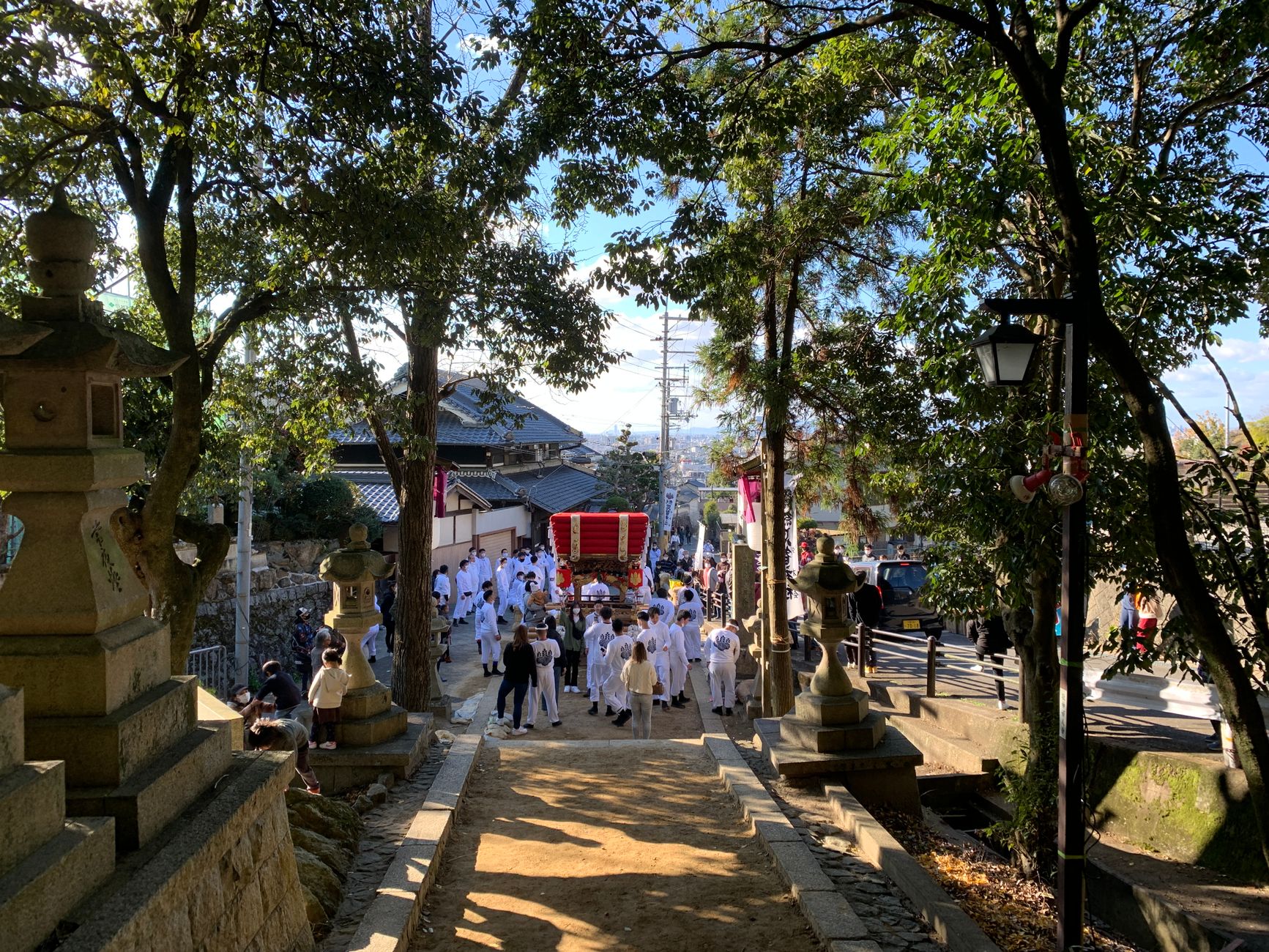
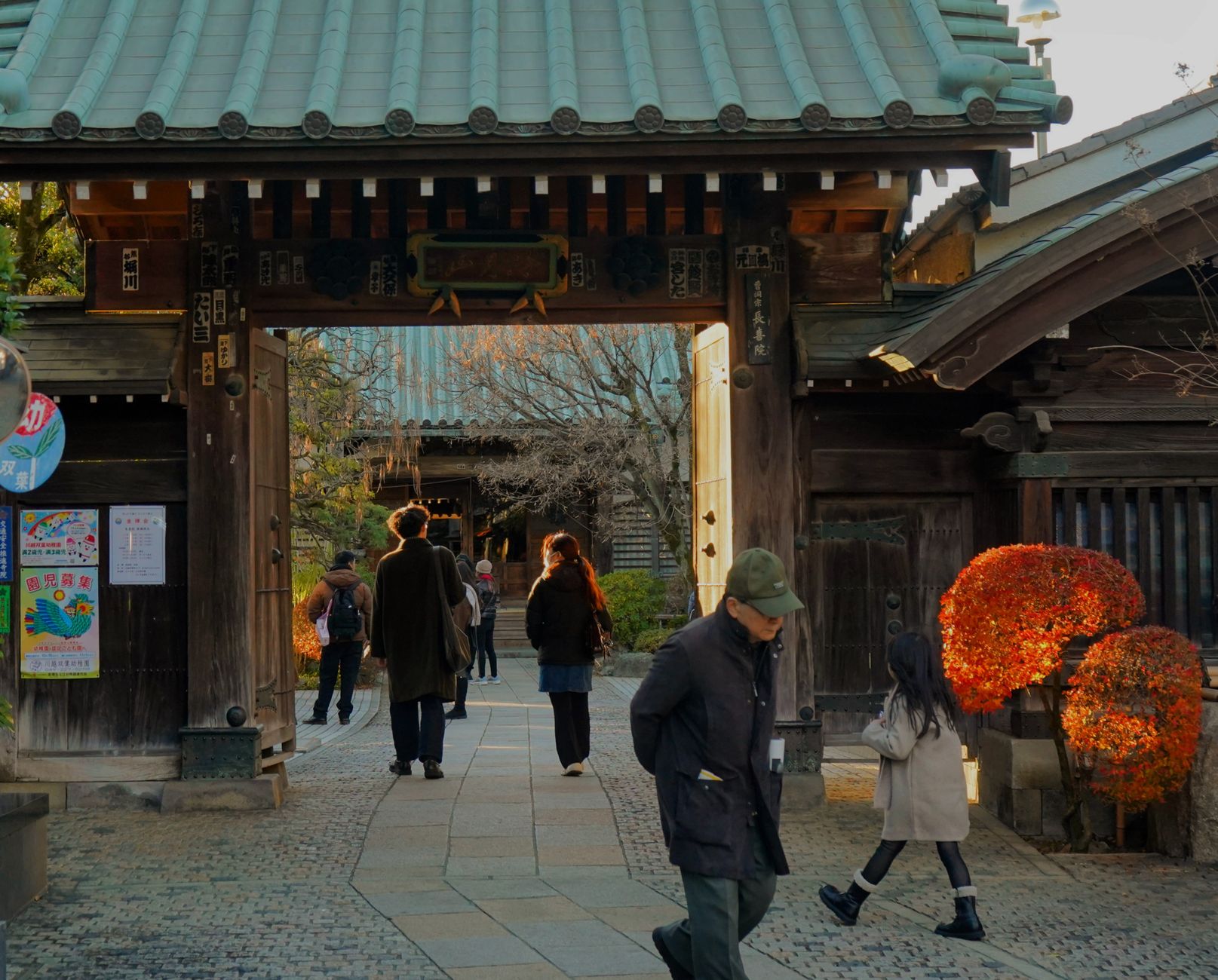
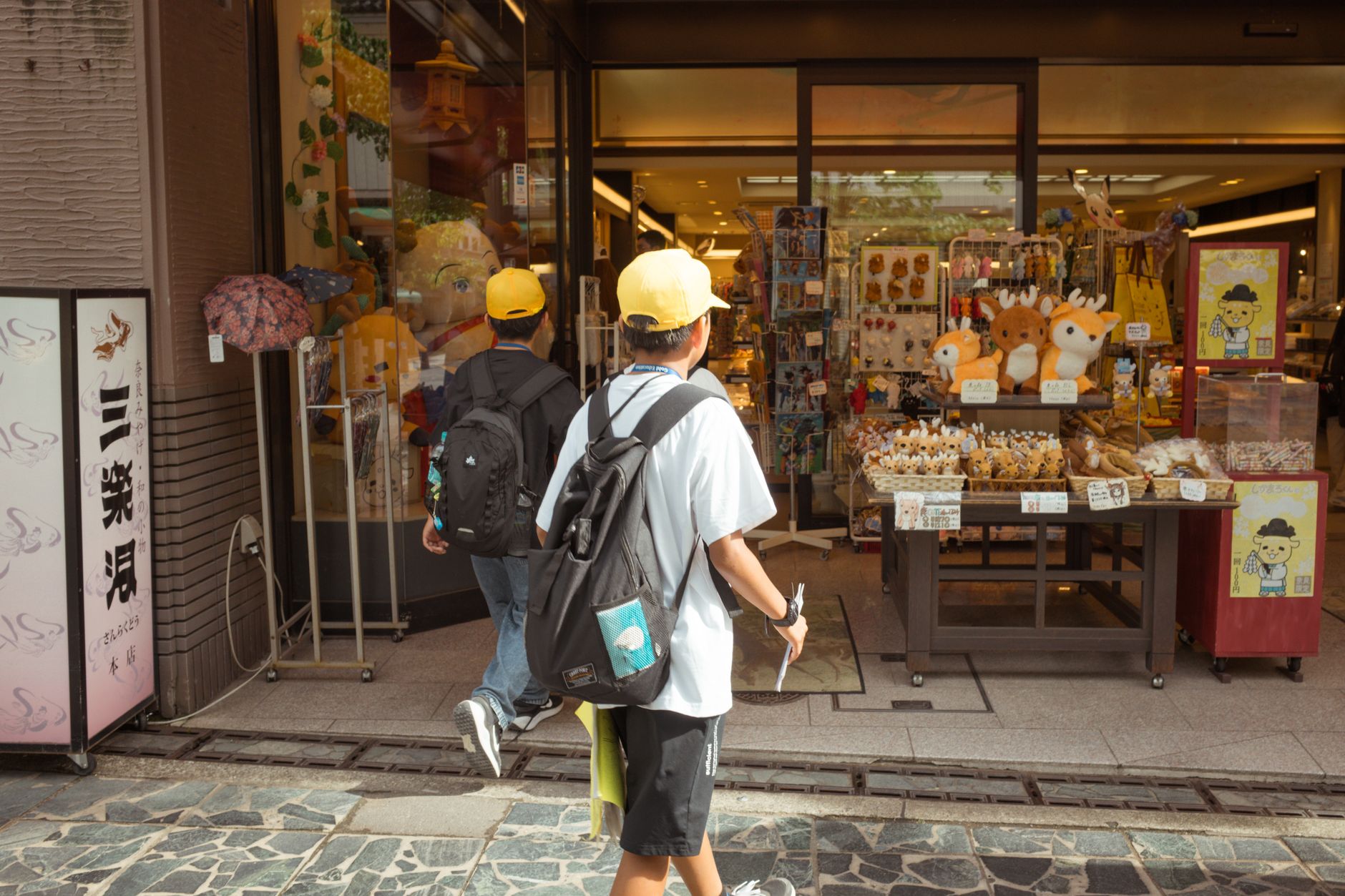
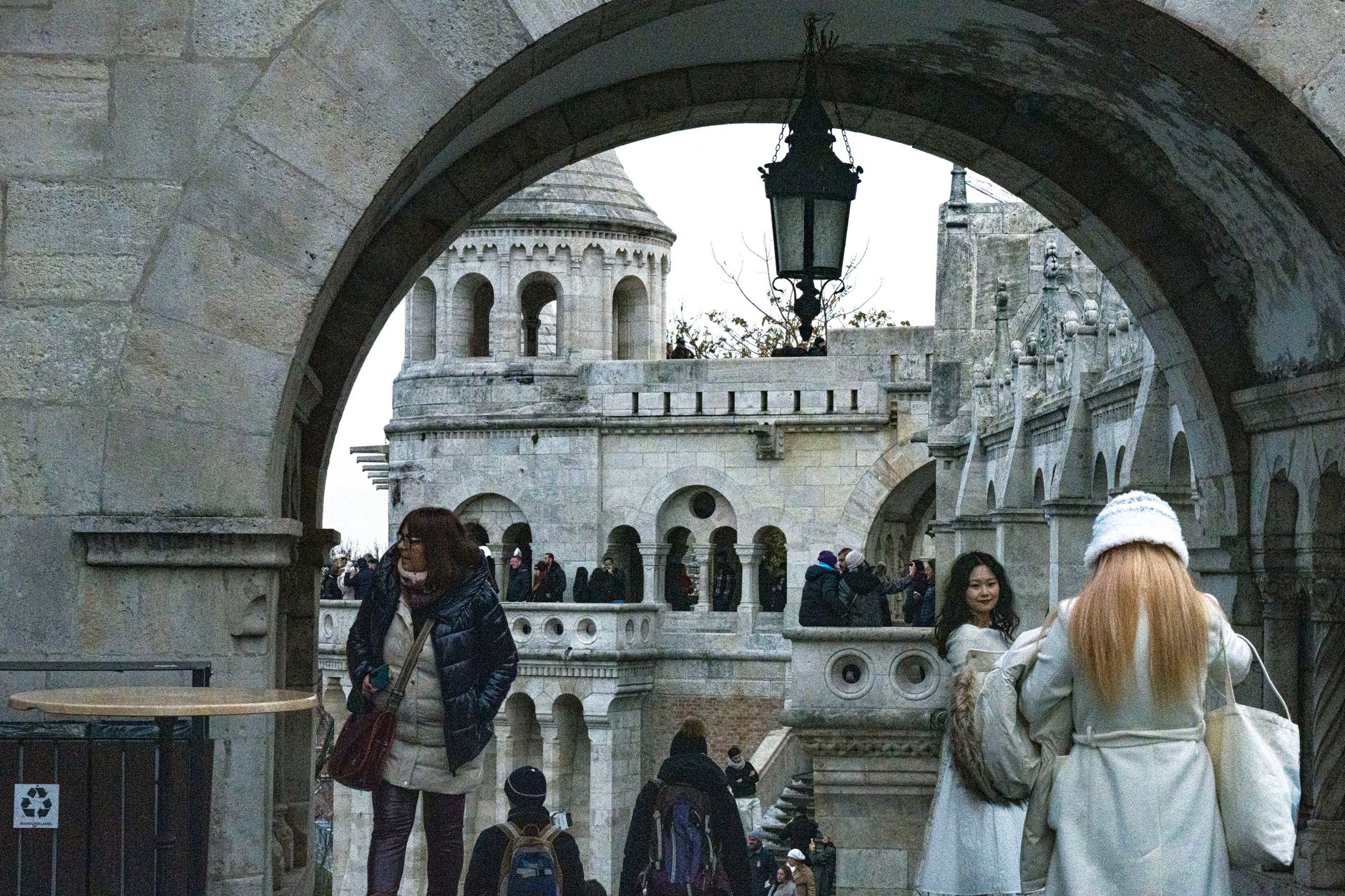
Hirakata sits on the left bank of the Yodogawa River, almost exactly halfway between Osaka and Kyoto — close enough to both that most visitors pass through without stopping, which is precisely why stopping rewards you. The Keihan Main Line runs right through the centre of town, and a train from central Osaka takes about twenty-two minutes.
What you find here is a city that has been a waypoint for four centuries: first as a post town on the Tokugawa-era road connecting Osaka to the old capital, later as a suburb that grew its own distinct character. The Kagiya Museum still occupies the building where Edo-period travellers once rested their feet on that same road.
💛 What travellers fall for
People who come back tend to mention the same thing: the wooden rollercoaster at Hirakata Park, called Eirian, which opened in 2020 and drops completely vertical — a first for wooden coasters in Japan. They also mention the fourth-floor bookshelf at Hirakata T-SITE, seven metres tall and genuinely worth the detour.
Deals in Hirakata
Book directly at the provider

How Hirakata came to be
Hirakata's origins trace to 1596, when Toyotomi Hideyoshi ordered its establishment. It became a functioning post town in 1601, when Tokugawa Ieyasu extended the Tōkaidō with the creation of the Ōsaka Kaidō — the road linking Osaka to Kyoto — and Hirakata found itself squarely on the route. The Kagiya Museum preserves the physical memory of that era inside what was once a working roadside inn.
The city formalised as a municipality on 1 April 1889, achieved city status in 1947, and was designated a Core city in 2014, giving it a level of local autonomy that shapes how it manages its own planning and services today. Hirakata Park, founded in the early twentieth century, is one of Japan's oldest continuously operating amusement parks.
Who and what shaped it
People who shaped it
Landmark buildings
See Hirakata in motion
Plan your visit
On the map
When to go
Summers are warm and humid — August averages a high of 31°C — while winters are cool and dry, with January lows occasionally touching freezing. Spring, particularly April and May, brings mild temperatures and makes for the most comfortable time to walk the city on foot.
Right now
Background & history adapted from Wikipedia (CC BY-SA) · specs from Wikidata (CC0) · weather from Open-Meteo · map data © OpenStreetMap contributors · photos from Wikimedia Commons / Unsplash with per-image credit. No third-party reviews or social posts reproduced.