
Higashiyama
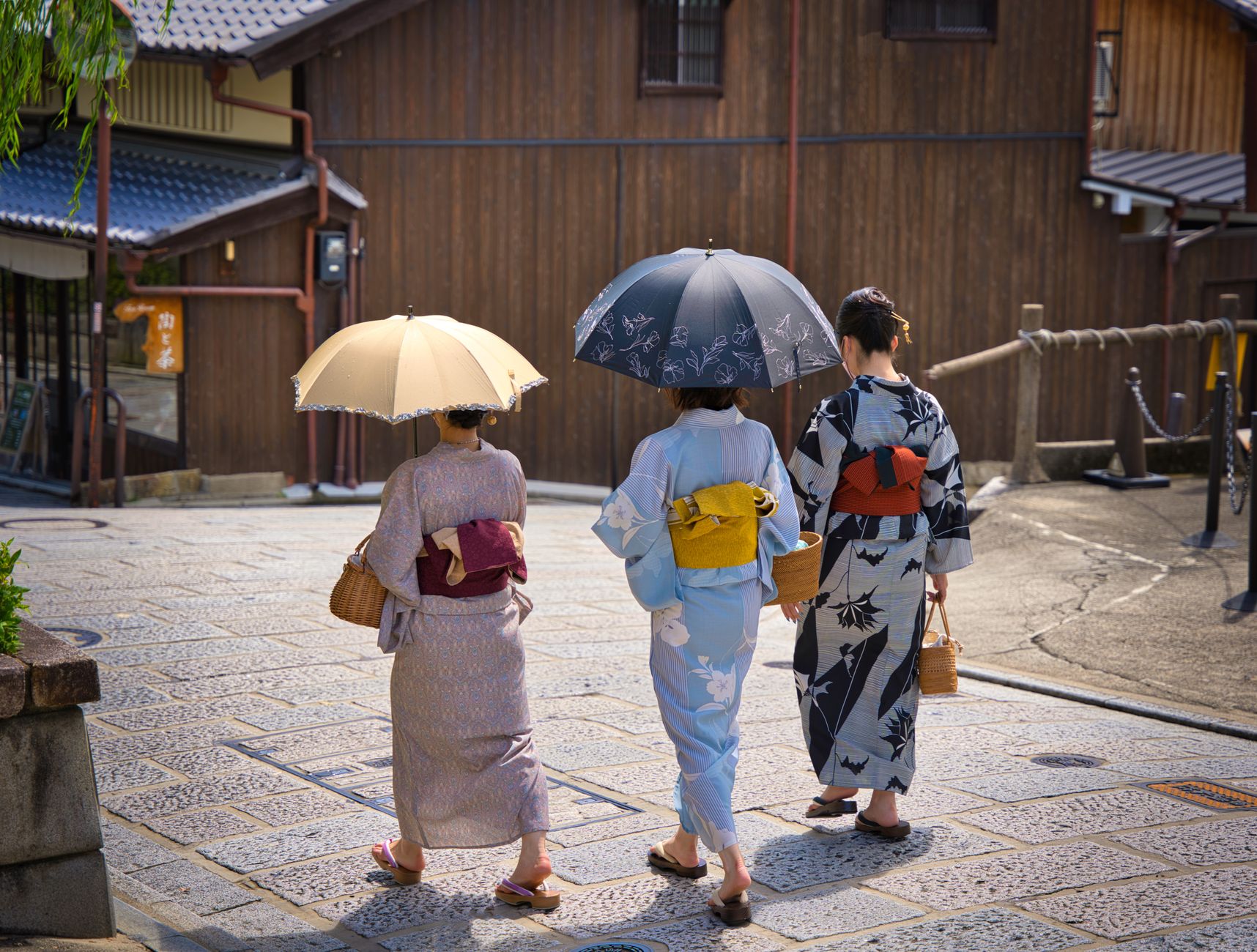
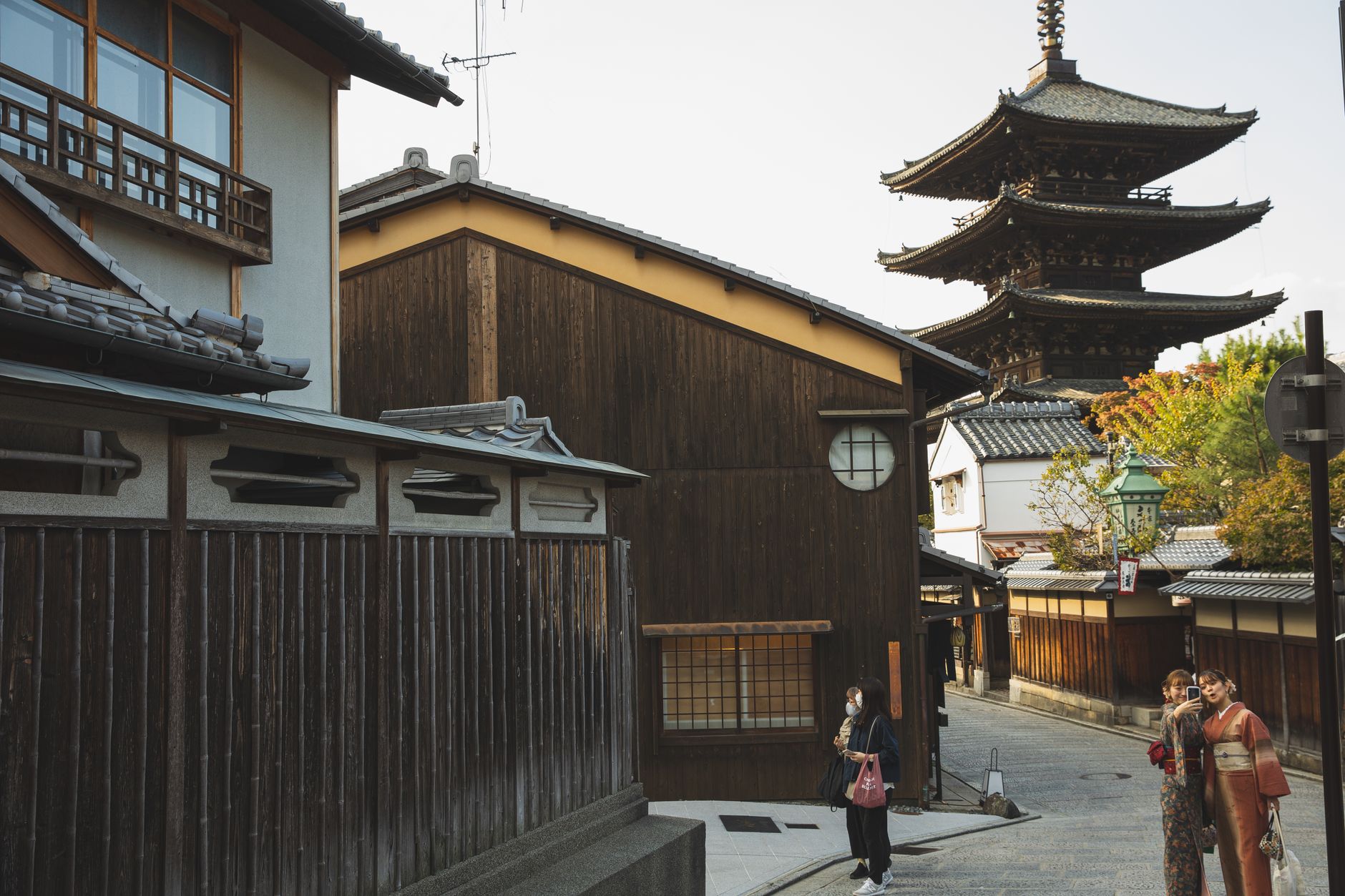
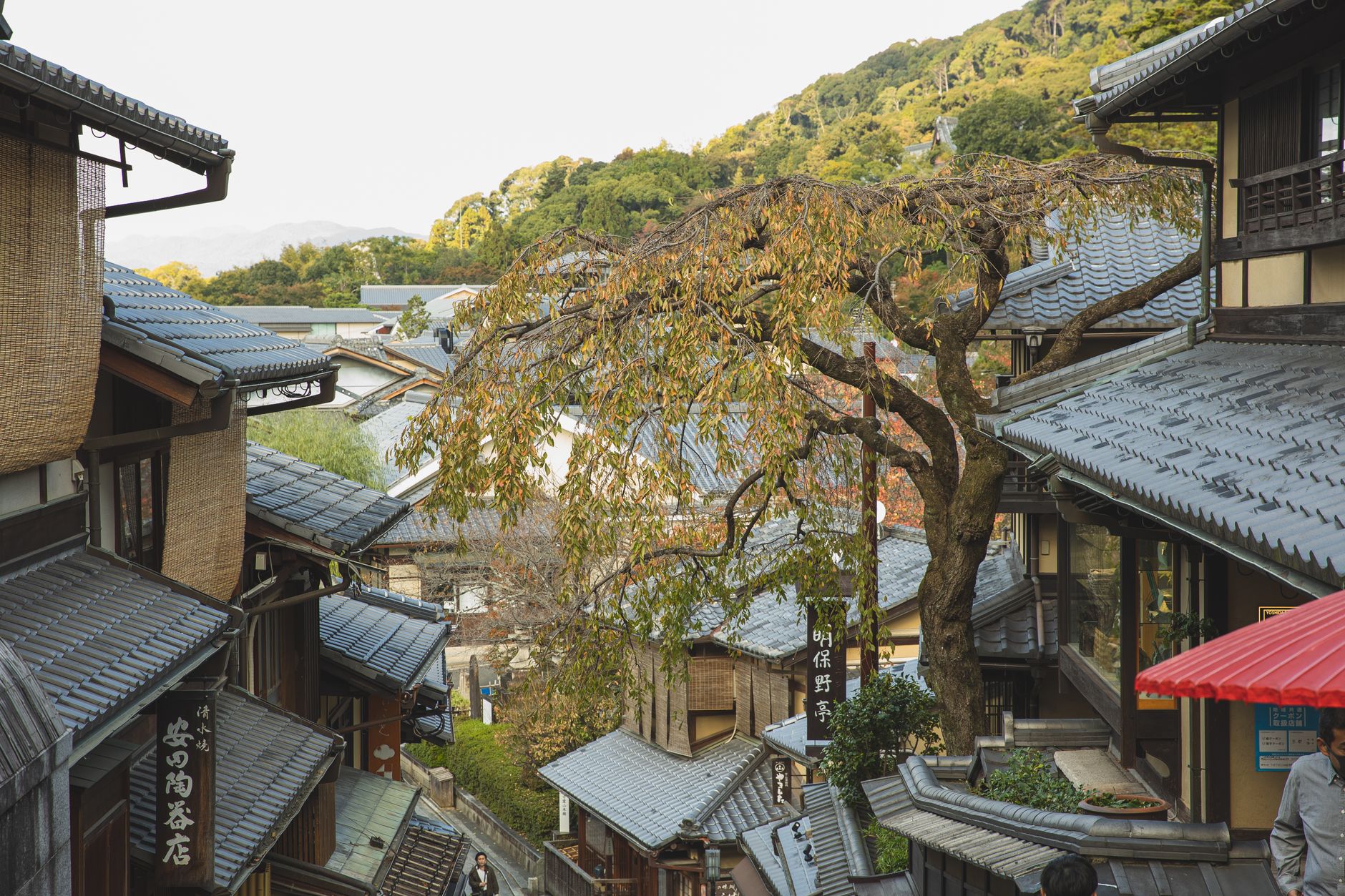
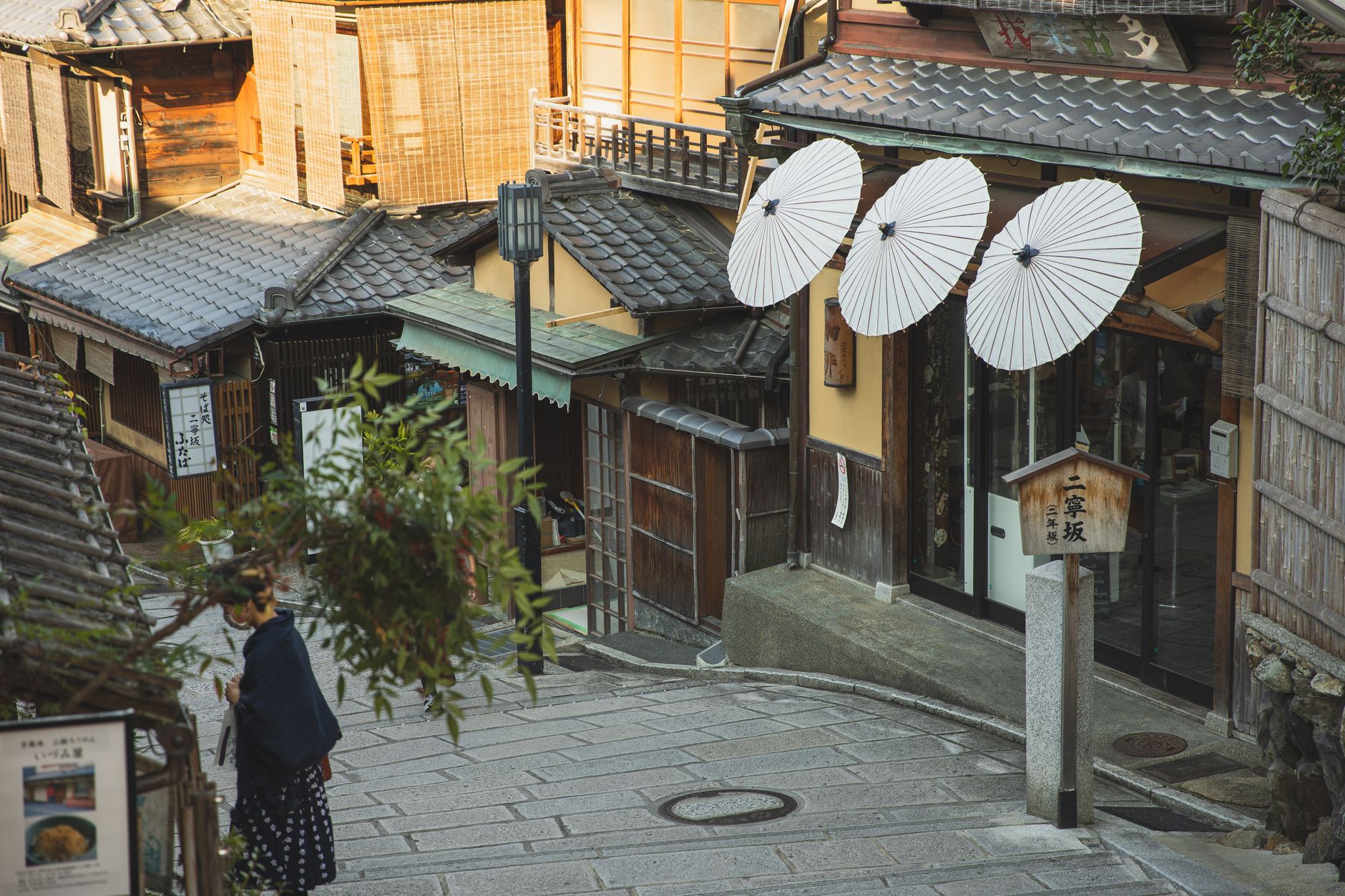
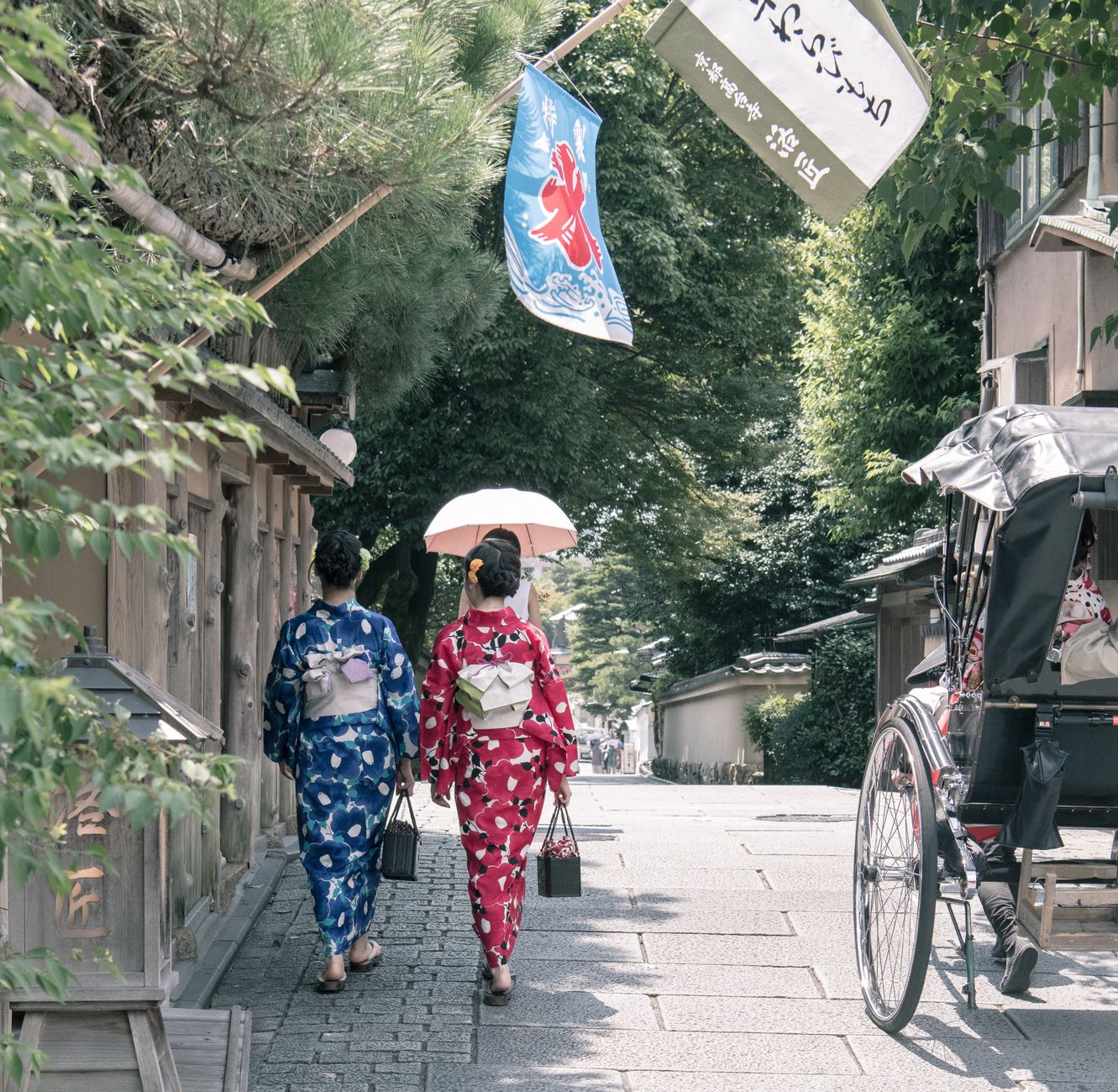
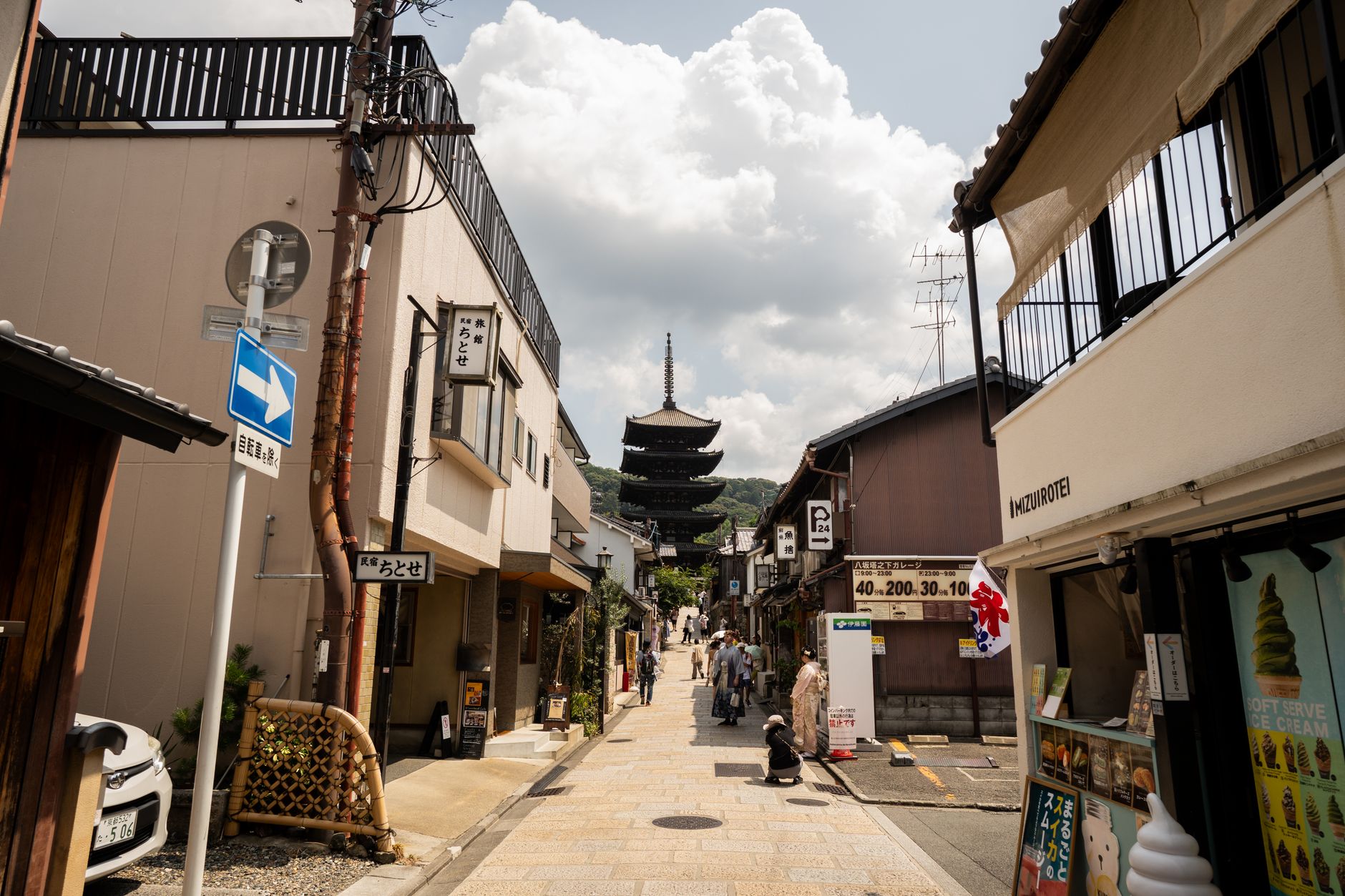
Walk the stone-paved slope of Sannenzaka on a weekday morning and you'll understand why Higashiyama has drawn people east of the old imperial capital for over a thousand years. The light comes differently here, filtered through cedar and camphor, and the street narrows just enough that the city behind you seems to fall away.
This ward along Kyoto's eastern hills holds more temples, shrines, and preserved machiya streetscapes than almost anywhere in Japan — not as a curated showcase but as a working accumulation of centuries. Kiyomizu-dera has been receiving pilgrims since 778. Yasaka Shrine has been lighting its lanterns since 656. The place doesn't announce itself; it simply continues.
💛 What travellers fall for
People who return to Higashiyama tend to arrive before 8 a.m. — Kiyomizu-dera opens at six, and the wooden stage over the hillside is a different place without the crowds. Nene no Michi in the evening, when the lanterns along the path to Kōdai-ji come on, is another ritual worth keeping. Maruyama Park in early April: go once and you'll understand why Kyoto's calendar bends around it.
Deals in Higashiyama
Book directly at the provider

How Higashiyama came to be
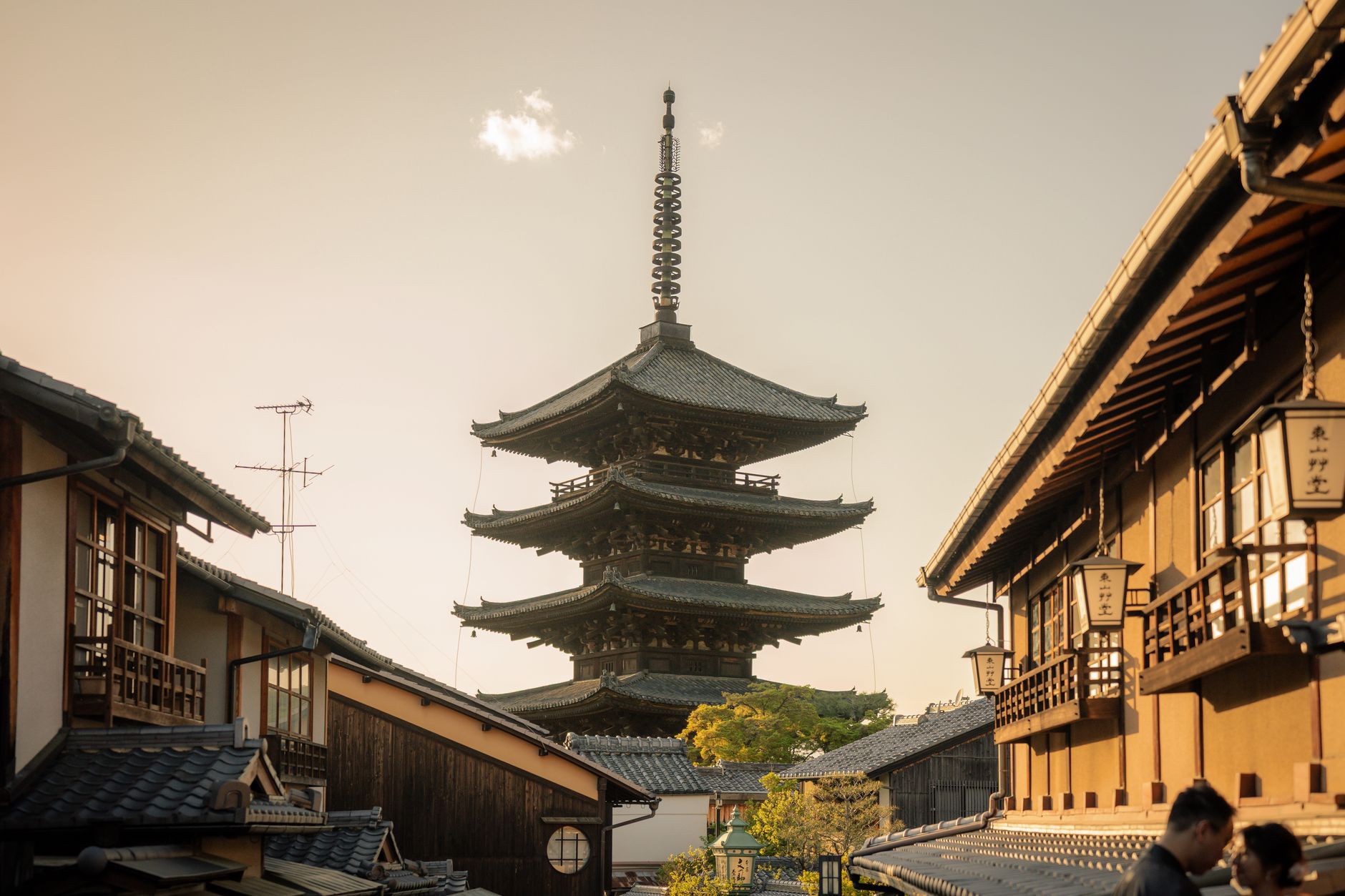
Higashiyama's story begins in the Heian period, when temples and shrines began accumulating in the hills east of the imperial palace — the area sat just outside Kyoto's official city limits, which gave it a particular kind of freedom. Yasaka Shrine dates to 656, Kiyomizu-dera to 778. By the 14th century, the eastern hills had become the preferred address for major religious foundations and aristocratic retreats.
The period that most shaped Higashiyama's cultural identity came in the 15th century, when retired Shogun Ashikaga Yoshimasa withdrew to his villa here and cultivated what became known as Higashiyama bunka — a refined aesthetic that gave rise to the tea ceremony, Noh theater, ink painting, and the restrained sensibility that still runs through Japanese aesthetics. Yoshimasa died at his Higashiyama-dono estate in 1490. His Silver Pavilion, Ginkaku-ji, built in 1482, remains. In 1606, Nene — widow of Toyotomi Hideyoshi — founded Kōdai-ji temple in her husband's memory, took Buddhist vows, and spent her remaining years in the hills Yoshimasa had made famous.
Who and what shaped it
People who shaped it
Landmark buildings
See Higashiyama in motion
Plan your visit
On the map
When to go
Spring (late March to April) brings cherry blossoms and significant crowds; autumn (October to November) turns the maples along the Philosopher's Path deep red. Summer is hot and humid with occasional heavy rain; winter mornings are cold but clear, and the temples are quietest then.
Right now
Background & history adapted from Wikipedia (CC BY-SA) · specs from Wikidata (CC0) · weather from Open-Meteo · map data © OpenStreetMap contributors · photos from Wikimedia Commons / Unsplash with per-image credit. No third-party reviews or social posts reproduced.