
Helsinki
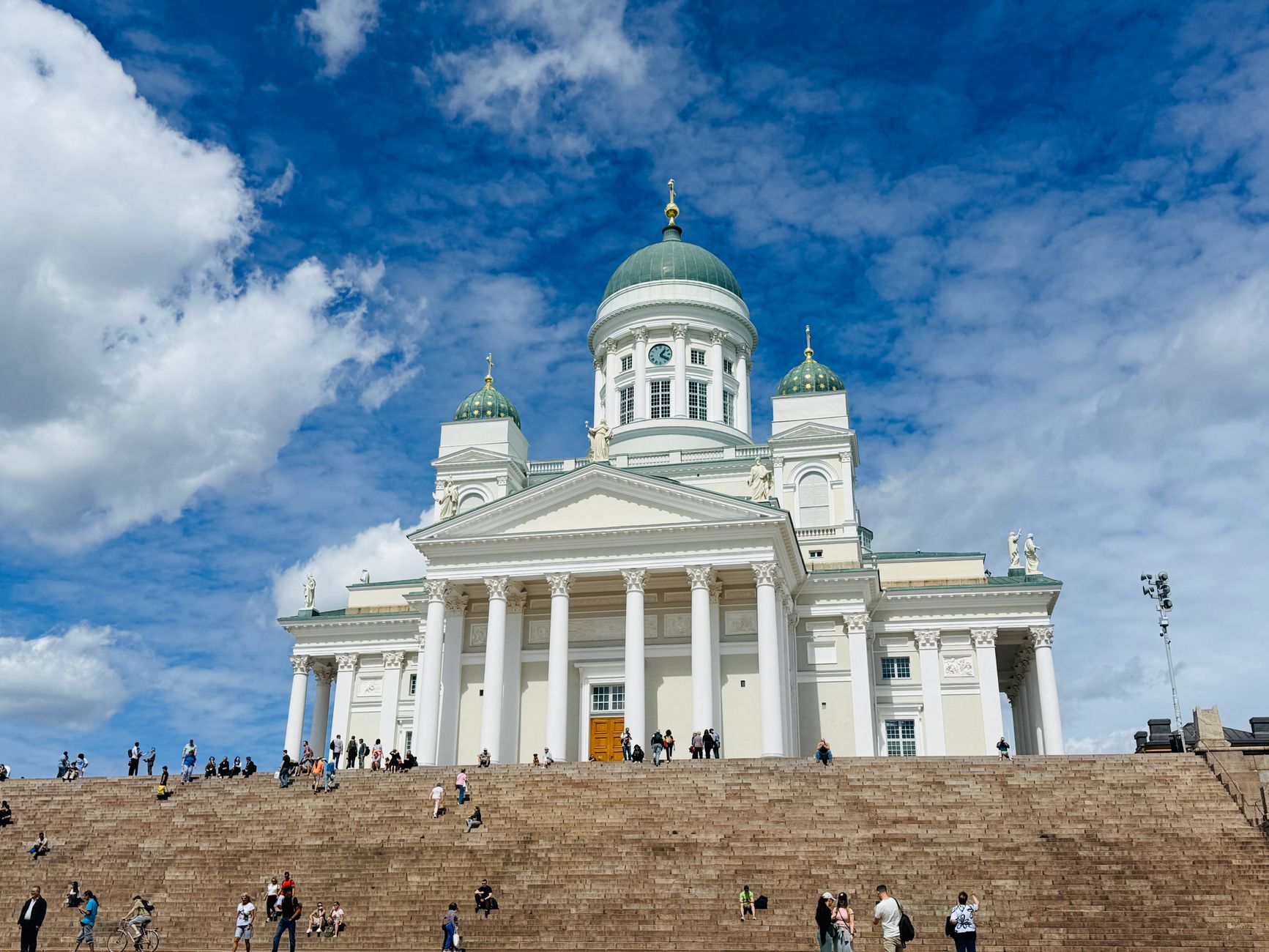
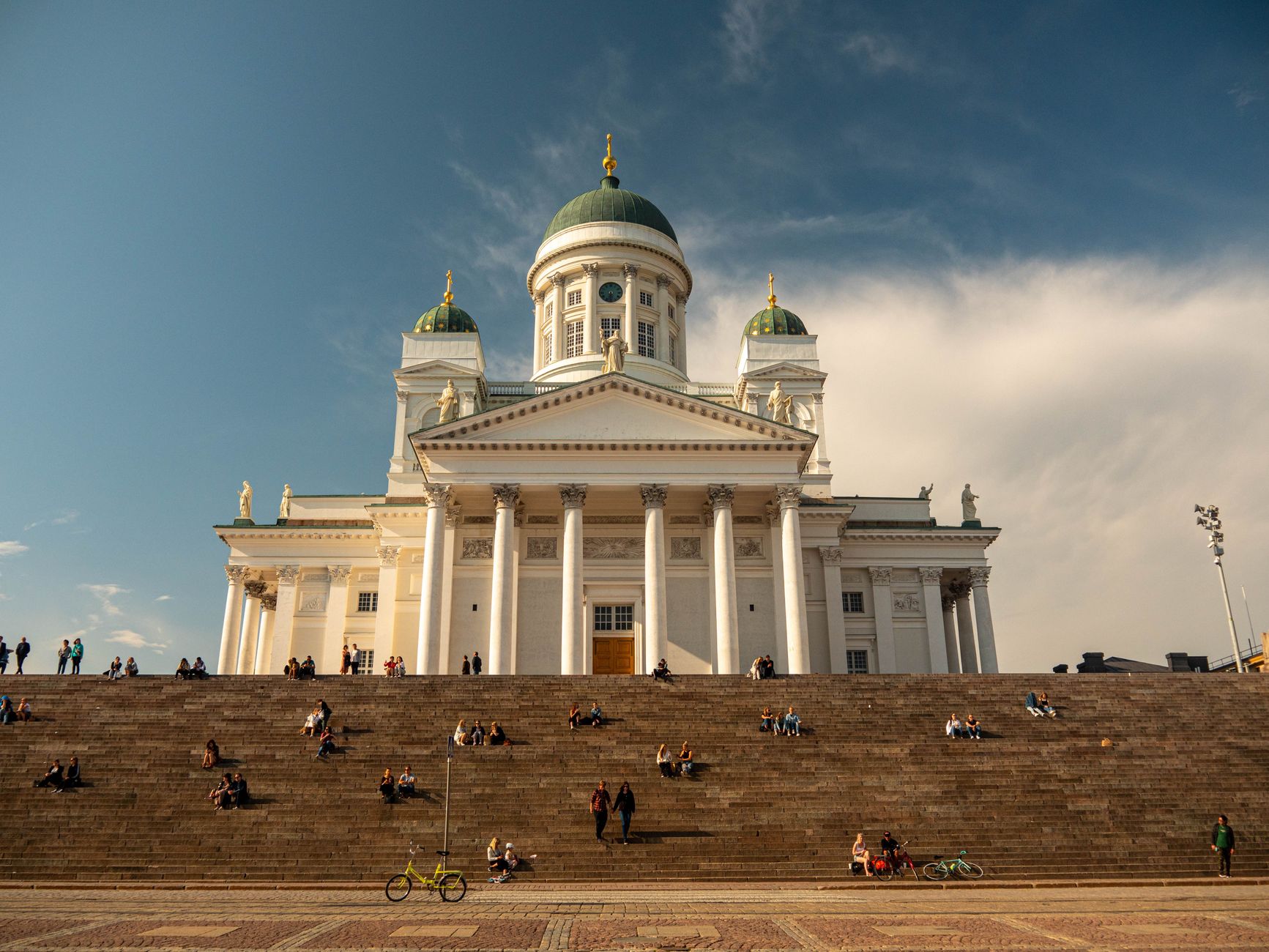
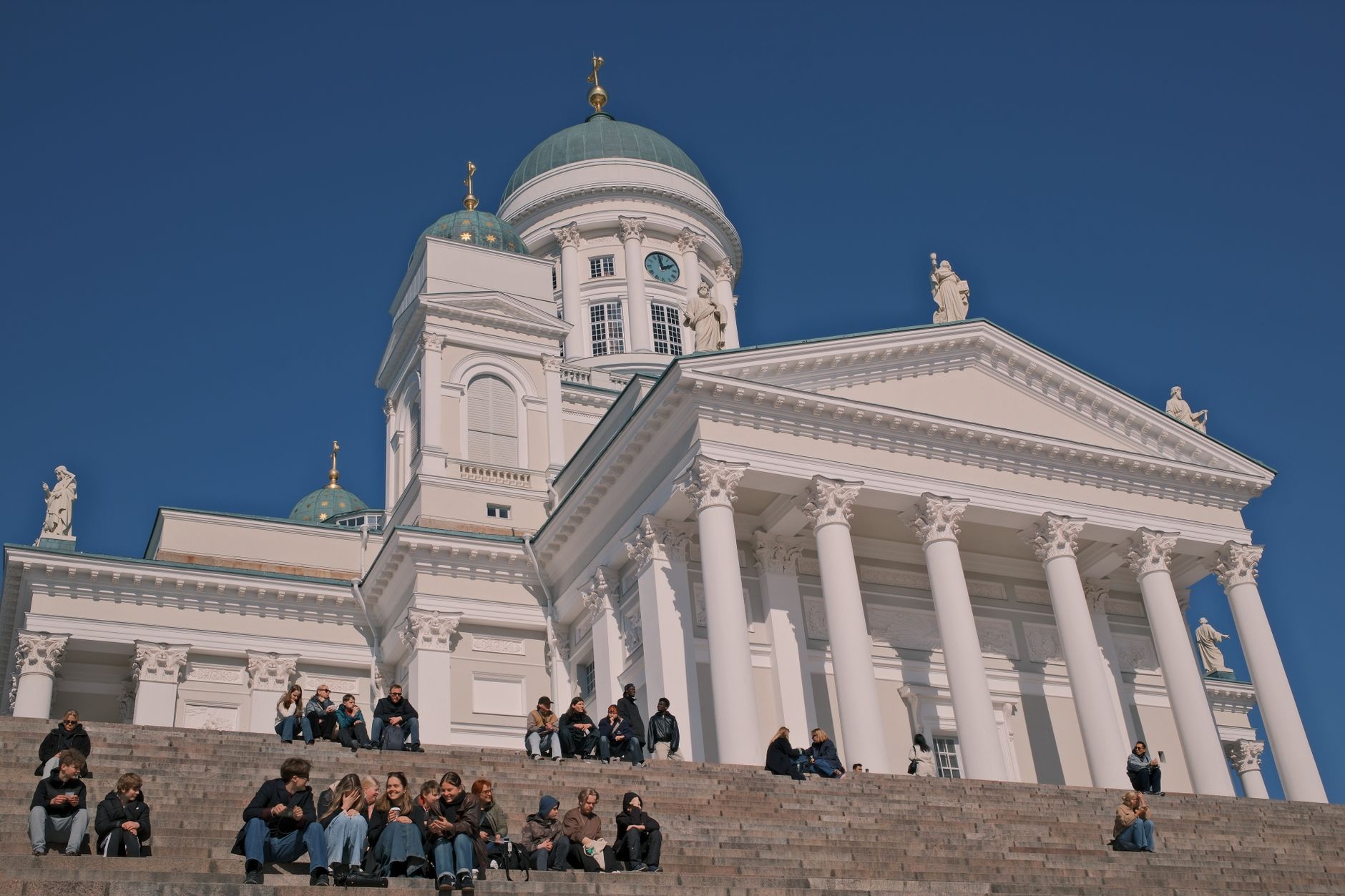
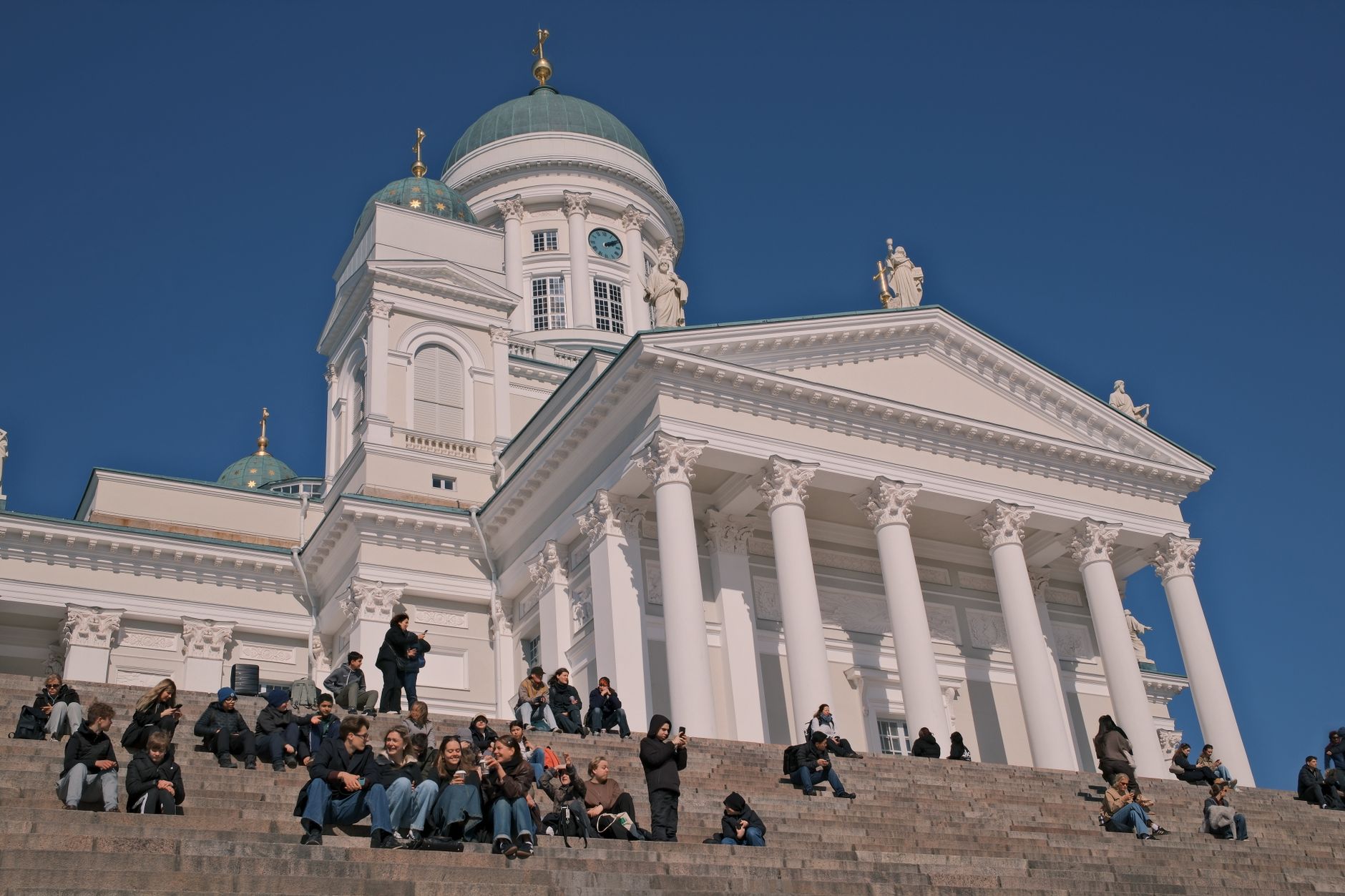
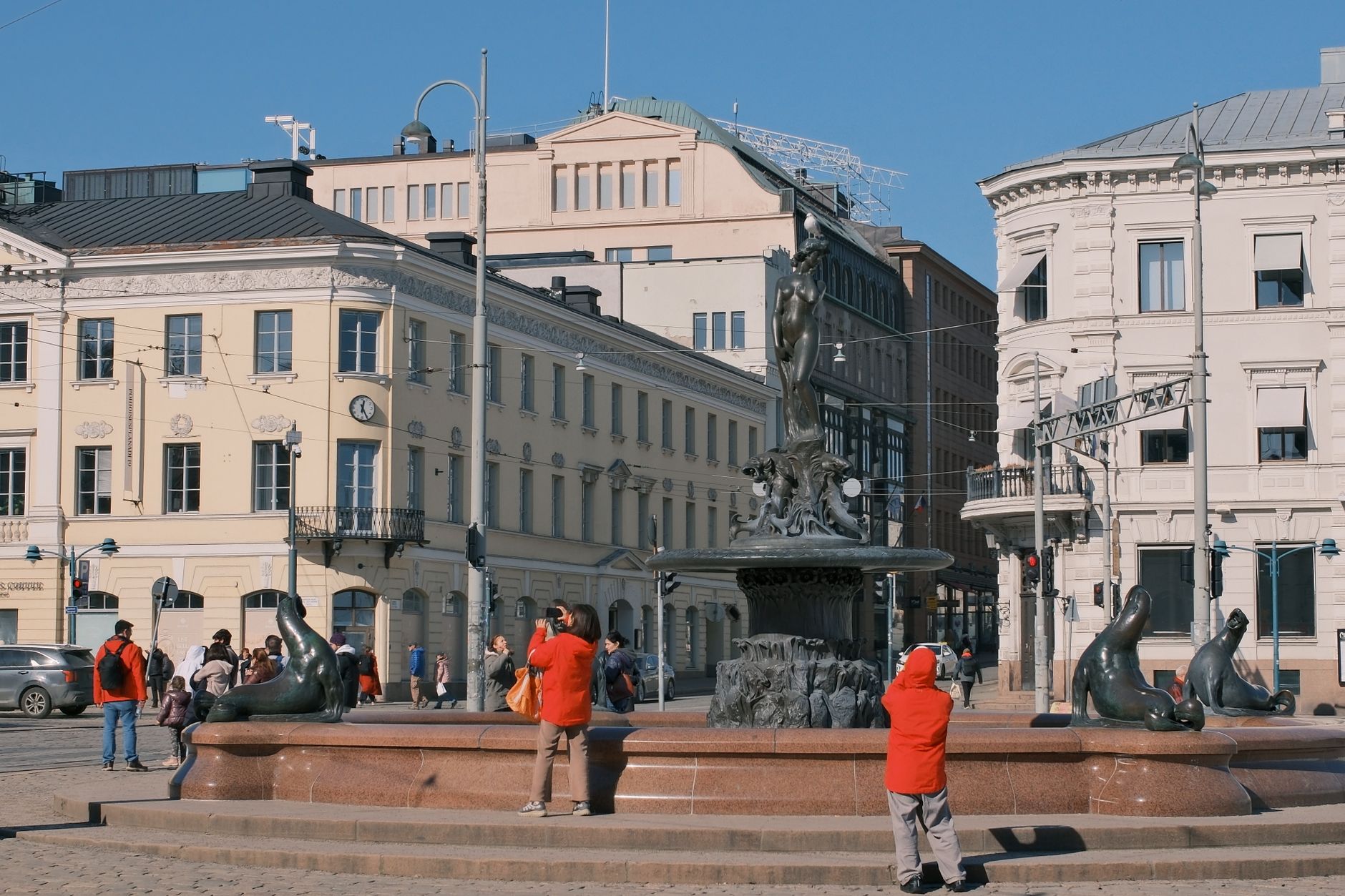
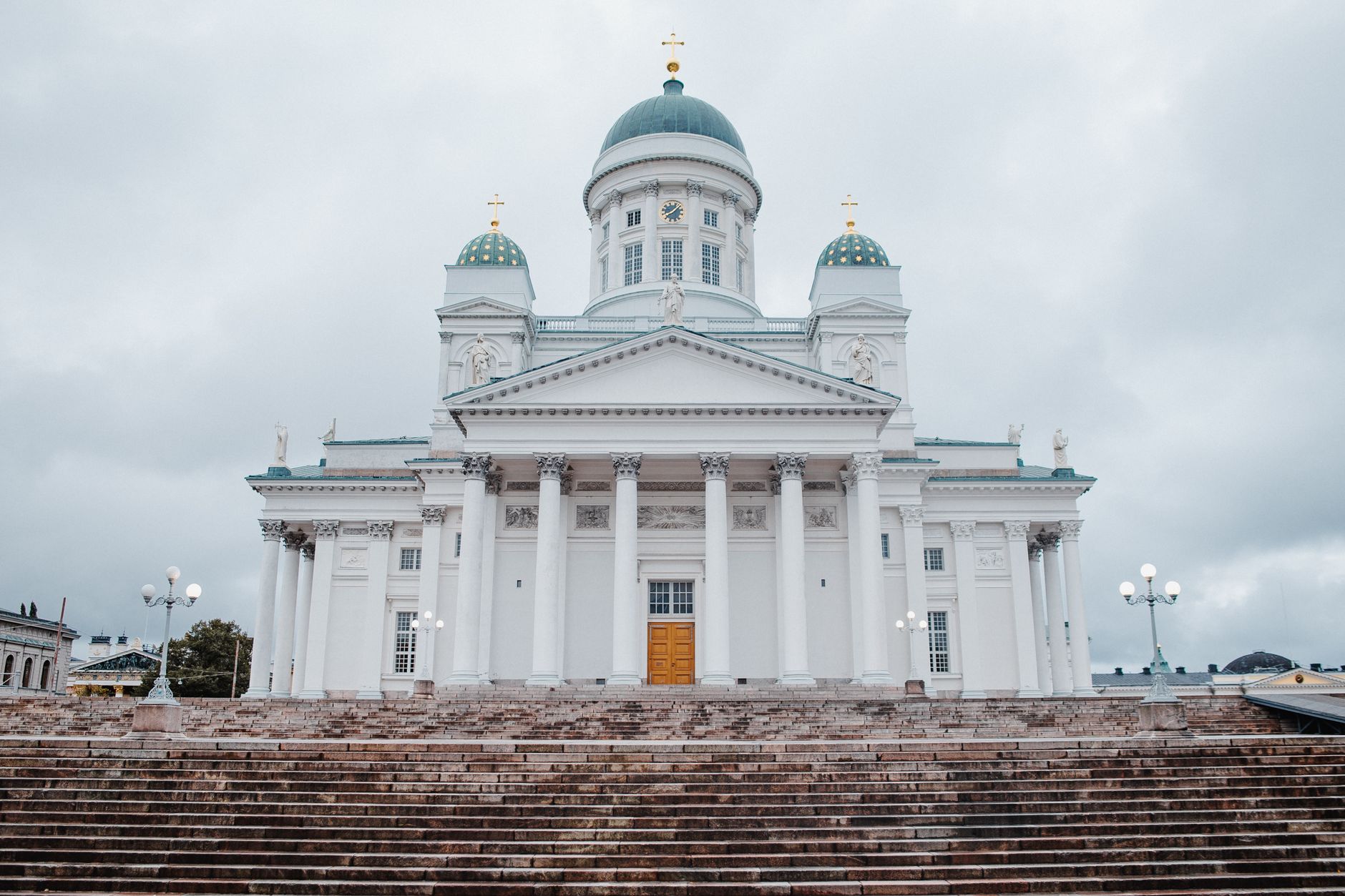
Stand on Senate Square on a clear morning and the geometry of the place settles over you: four neoclassical buildings arranged around a cobbled expanse, all of them designed by one man, Carl Ludvig Engel, and all of them still doing the jobs they were built for. The white cathedral at the top of the steps is the image most people carry away from Helsinki, but the city earns its keep at street level too.
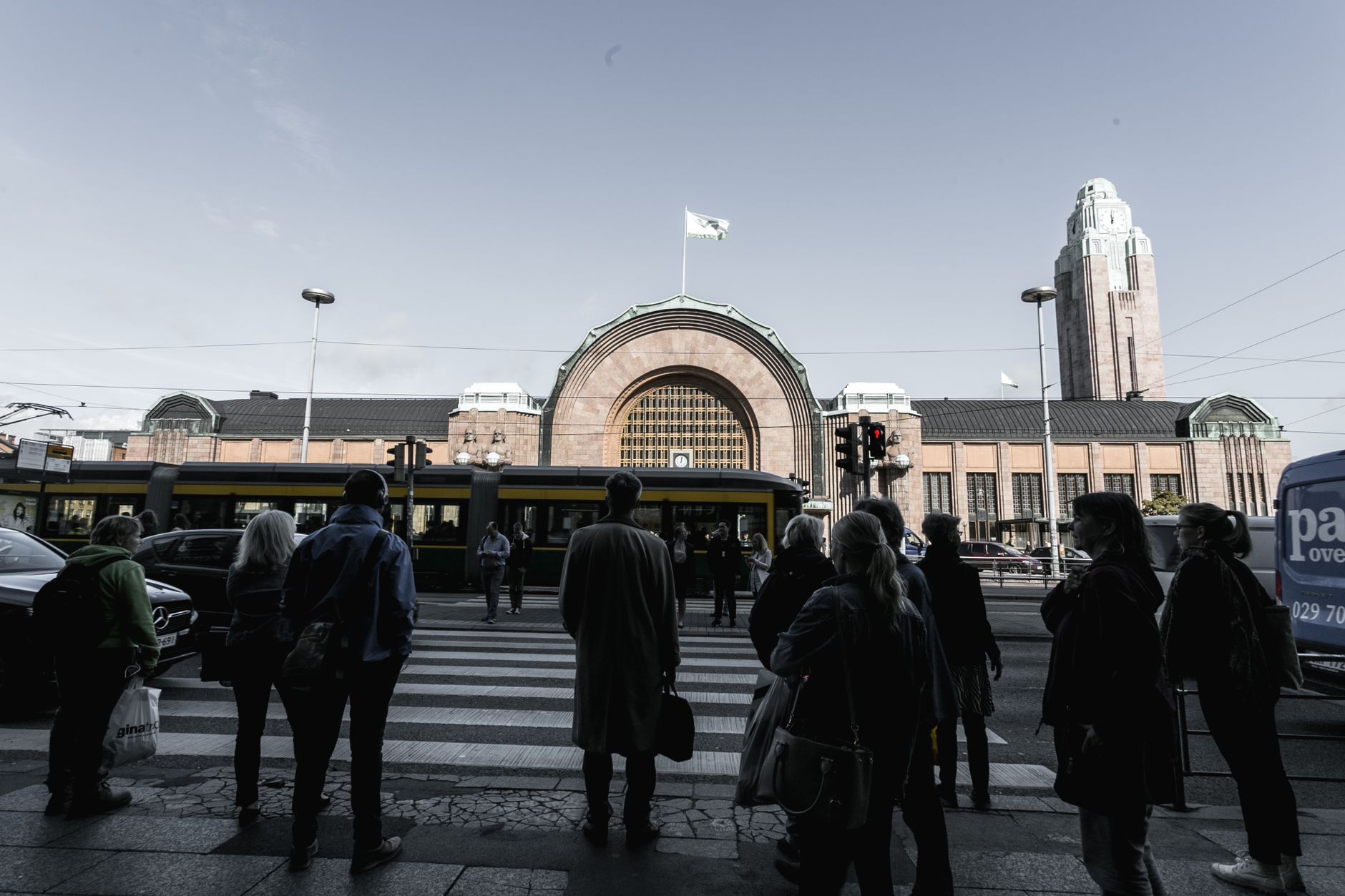
Helsinki is a small capital — you can walk its historic core in an afternoon — yet it holds an unlikely density of serious architecture, from the granite giants flanking Eliel Saarinen's railway station to Alvar Aalto's marble-clad Finlandia Hall to a church carved directly into bedrock. The Baltic is never far from view.
💛 What travellers fall for
People who come back tend to anchor their days at the Central Station — not just as a transit hub but as a meeting point and a landmark worth stopping in front of twice. They also make time for Suomenlinna, the sea fortress on the islands, which rewards a longer visit than most first-timers allow. The Art Nouveau streets of Katajanokka, a ten-minute walk from Senate Square, consistently surprise.
Deals in Helsinki
Book directly at the provider

How Helsinki came to be
Helsinki was founded on 12 June 1550 by King Gustav I of Sweden, who ordered the citizens of four existing Finnish towns to relocate to a new trading post at the mouth of the Vantaa River — an attempt to challenge the Hanseatic port of Reval across the Gulf of Finland. The town struggled. Nearly a century later, in 1640, Count Per Brahe the Younger moved its centre to the Vironniemi peninsula, the headland where Senate Square now stands.
The city's real transformation came after 1809, when Finland passed from Swedish to Russian rule. In 1812, Tsar Alexander I designated Helsinki capital of the new Grand Duchy of Finland, and from 1816 the German-born architect Carl Ludvig Engel began reshaping it in neoclassical style — a deliberate echo of St. Petersburg. Finland declared independence on 6 December 1917, though civil war followed almost immediately in January 1918. The republic that emerged from that conflict built its own architectural identity, most visibly in Saarinen's railway station and, decades later, in the work of Alvar Aalto.
Who and what shaped it
People who shaped it
Landmark buildings
See Helsinki in motion
Plan your visit
On the map
When to go
Summers are mild and bright, with near-endless daylight in June and July making evenings on the waterfront genuinely long. Winters run cold and dark — temperatures regularly drop well below freezing from December through February — but the city functions without pause and the low light gives the stone façades a particular quality.
Right now
Background & history adapted from Wikipedia (CC BY-SA) · specs from Wikidata (CC0) · weather from Open-Meteo · map data © OpenStreetMap contributors · photos from Wikimedia Commons / Unsplash with per-image credit. No third-party reviews or social posts reproduced.