
Hegra (Mada'in Salih)
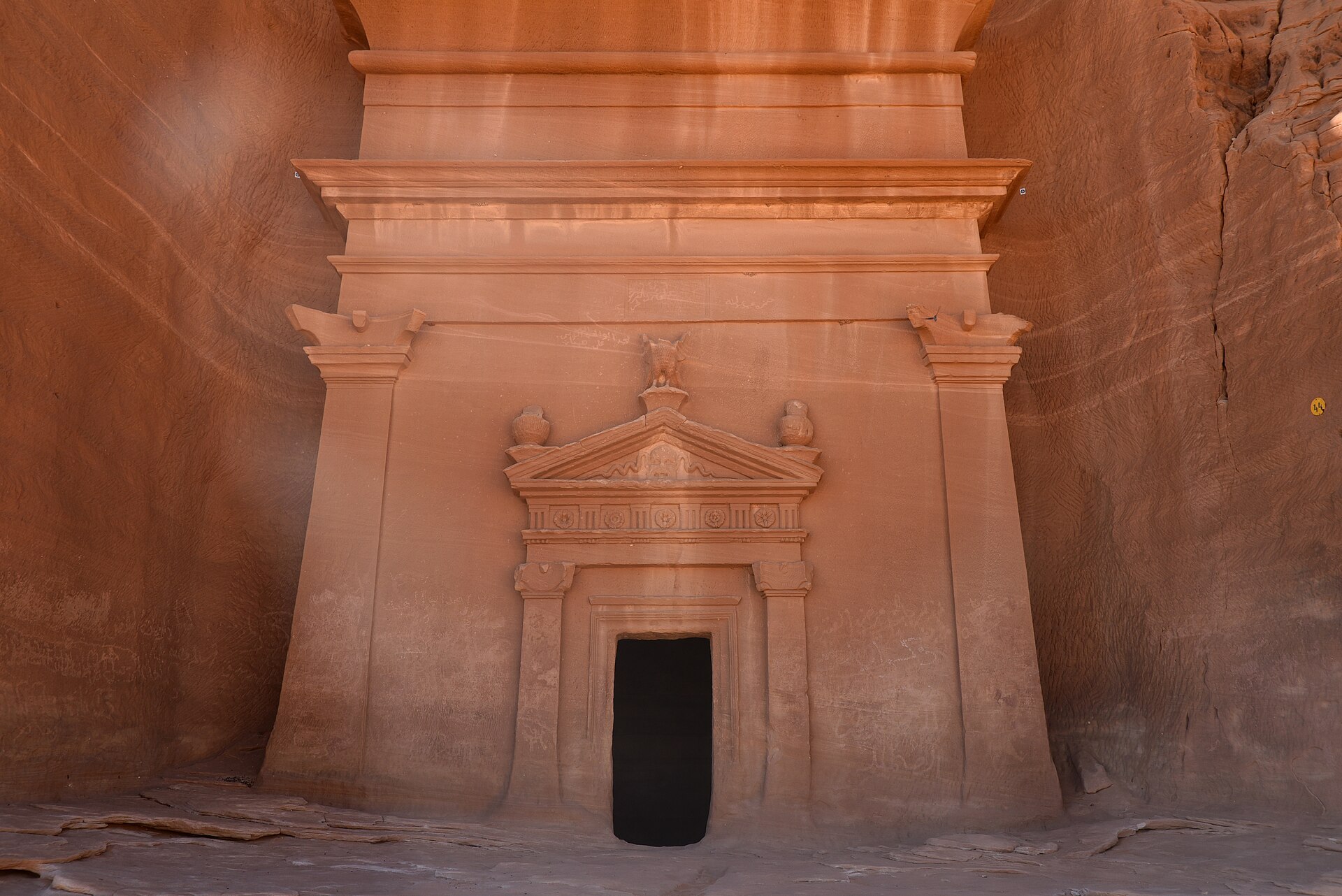
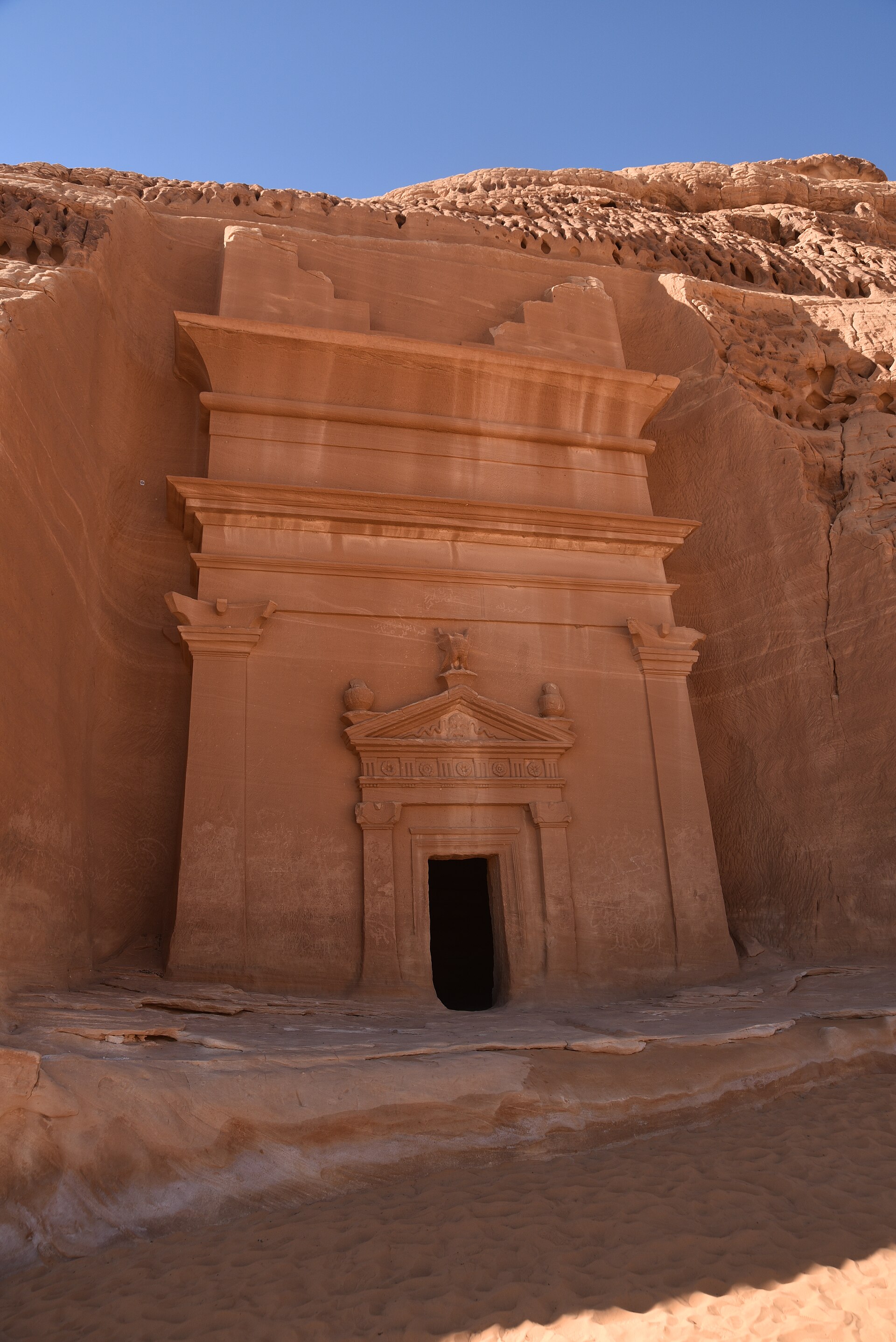
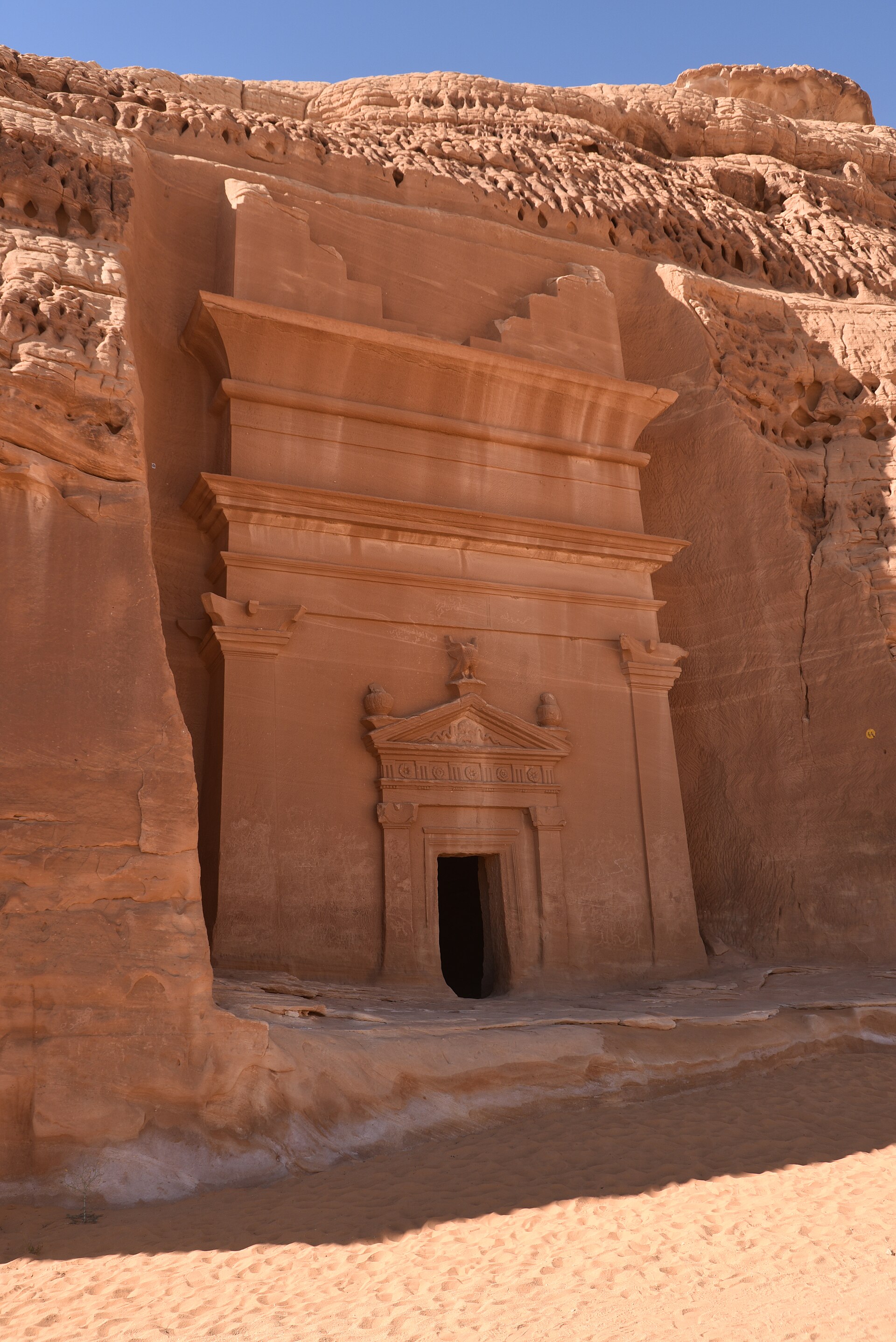
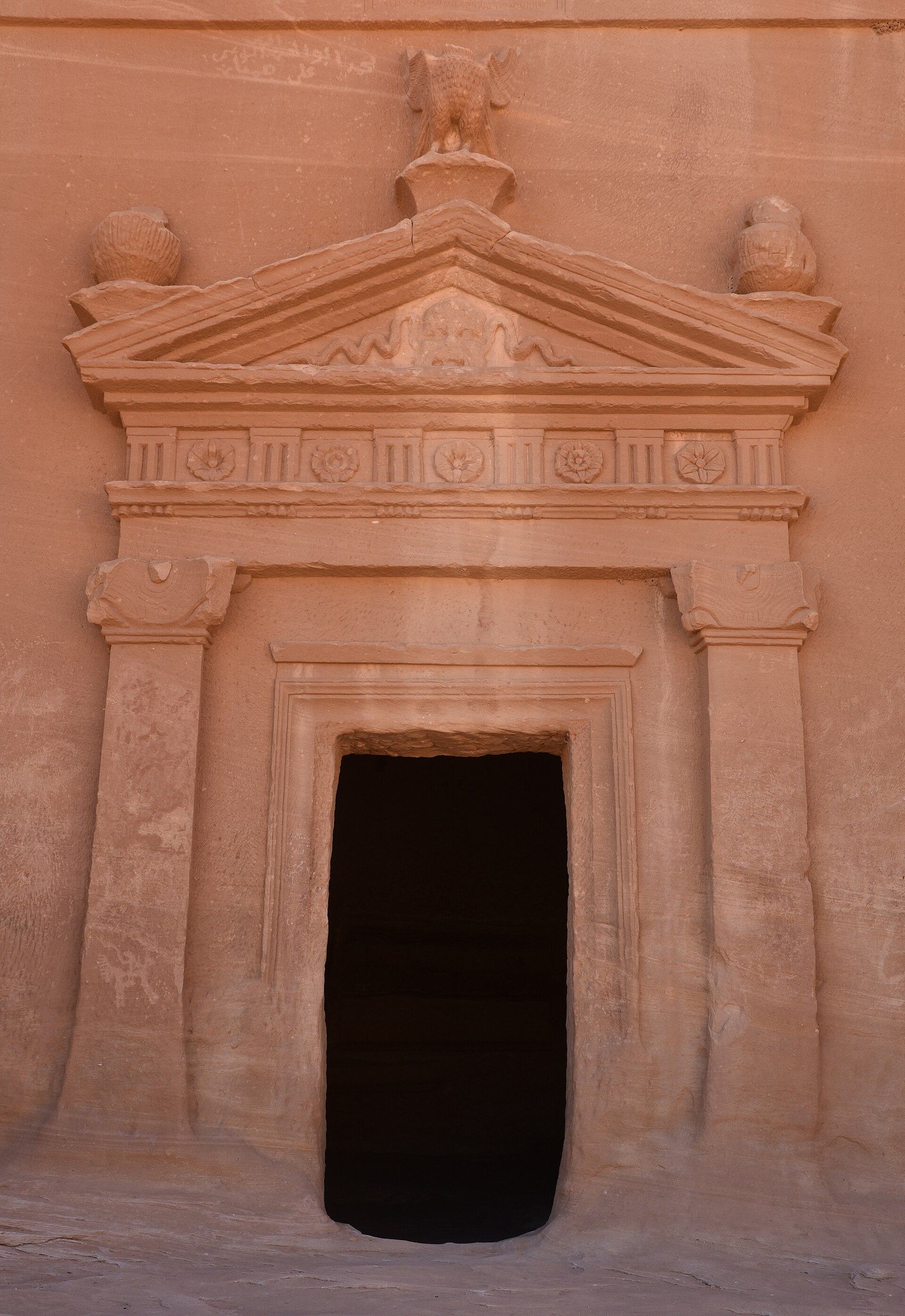
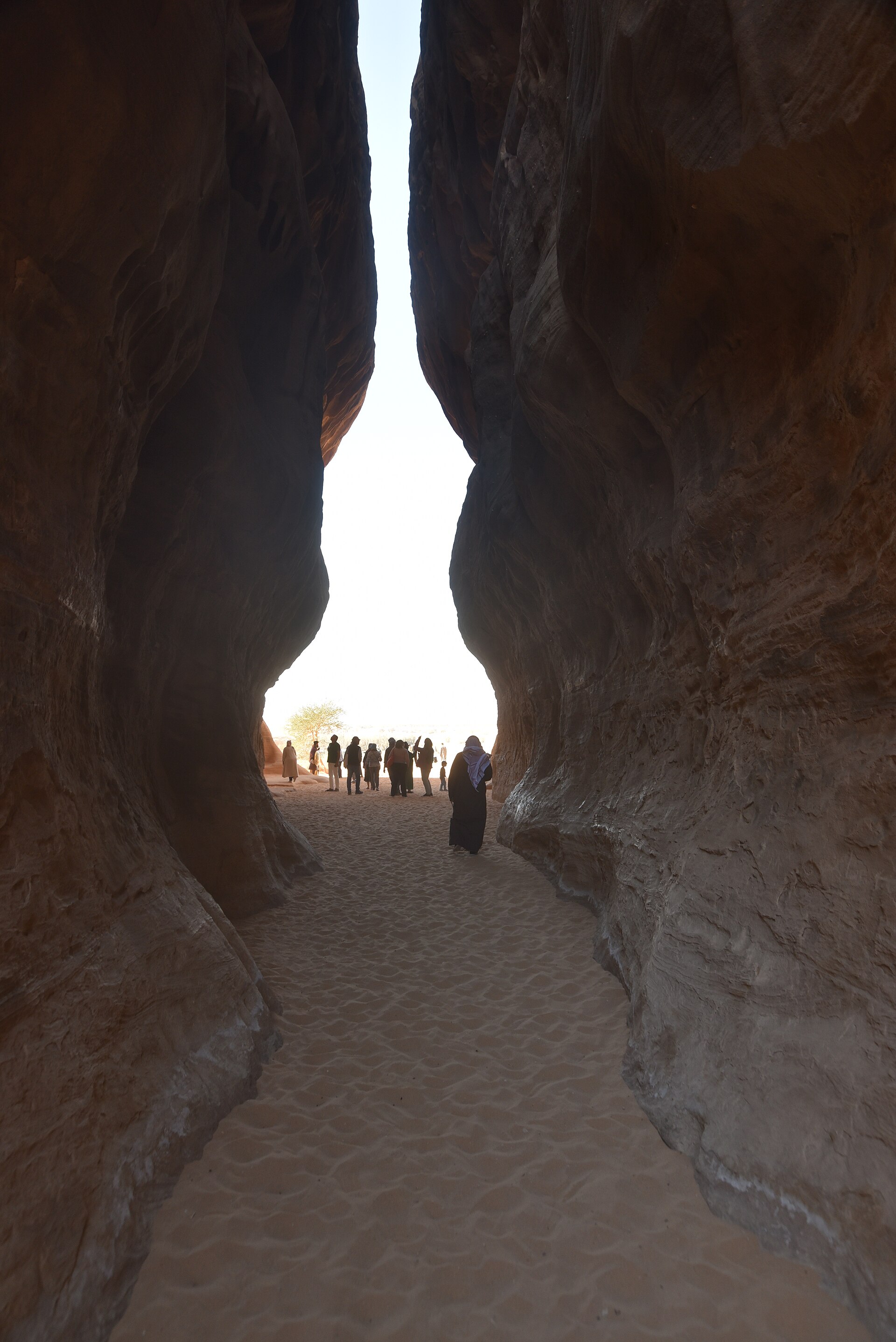
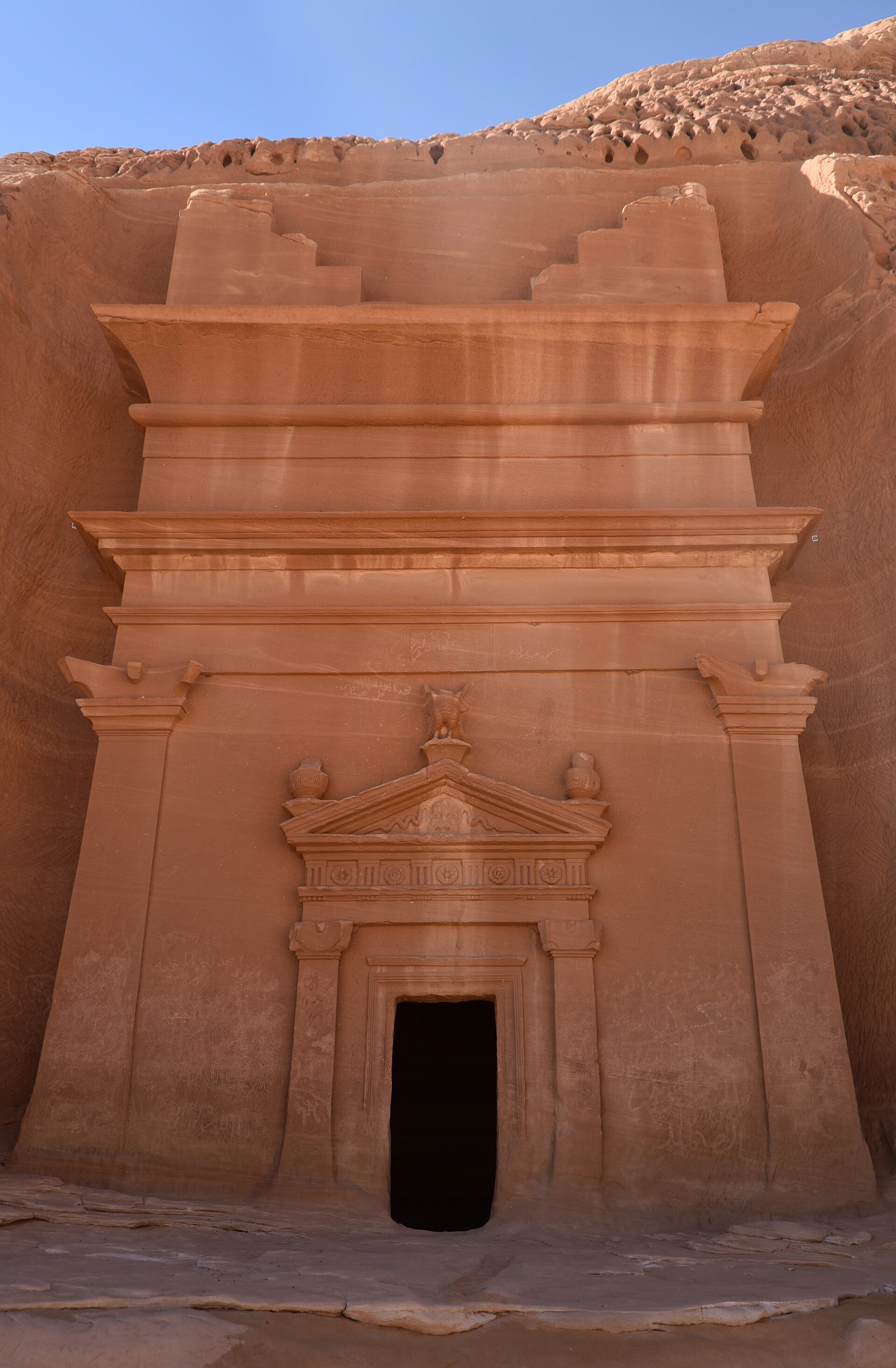
Somewhere in the sandstone desert north of Al-Ula, 111 monumental tombs stand inside a landscape that looks as though it was arranged deliberately — which, in a way, it was. The Nabataeans carved these facades directly into the rock faces of isolated outcrops, working top-down, and the unfinished Qasr al-Farid makes the method visible: a 21-metre doorway emerging from a dome of stone that was never completed.
Hegra was the second city of the Nabataean Kingdom, and for roughly a century it controlled trade routes crossing the Arabian Peninsula. Saudi Arabia opened it to international archaeological teams in 2000, and in 2008 it became the country's first UNESCO World Heritage Site.
How Hegra (Mada'in Salih) came to be
The Nabataeans established Hegra in the 1st century BCE as a waypoint on incense and spice routes running between southern Arabia, the Mediterranean and Mesopotamia. Under King Aretas IV, who ruled from 9 BCE to 40 CE, the city functioned as the kingdom's second capital. Dated tomb inscriptions — among them the facade of Qasr al Bint, commissioned by a sculptor named Hoor ibn Ahi around 31 CE — place the peak of activity between roughly 1 BCE and 74 CE. When Rome absorbed the Nabataean Kingdom into the province of Arabia in 106 CE, Hegra's commercial importance faded.
Centuries later the site re-entered use on different terms: an Ottoman fort was constructed between 1744 and 1757 to serve Hajj pilgrims travelling overland, and in the early 20th century the Hejaz Railway built its largest station here, complete with locomotive workshops and staff dormitories — ruins that remain on site alongside the ancient tombs.
Who and what shaped it
People who shaped it
Landmark buildings
See Hegra (Mada'in Salih) in motion
Plan your visit
On the map
When to go
November through February is the most comfortable window, with January highs around 19°C and cold nights that can drop to 7°C — bring a layer for early-morning tours. Summer (June–September) pushes past 36°C with almost no rain, and the exposed sandstone amplifies the heat; spring visits in March are pleasant, but by May temperatures are climbing toward 32°C.
Right now
Background & history adapted from Wikipedia (CC BY-SA) · specs from Wikidata (CC0) · weather from Open-Meteo · map data © OpenStreetMap contributors · photos from Wikimedia Commons / Unsplash with per-image credit. No third-party reviews or social posts reproduced.