
Hatta
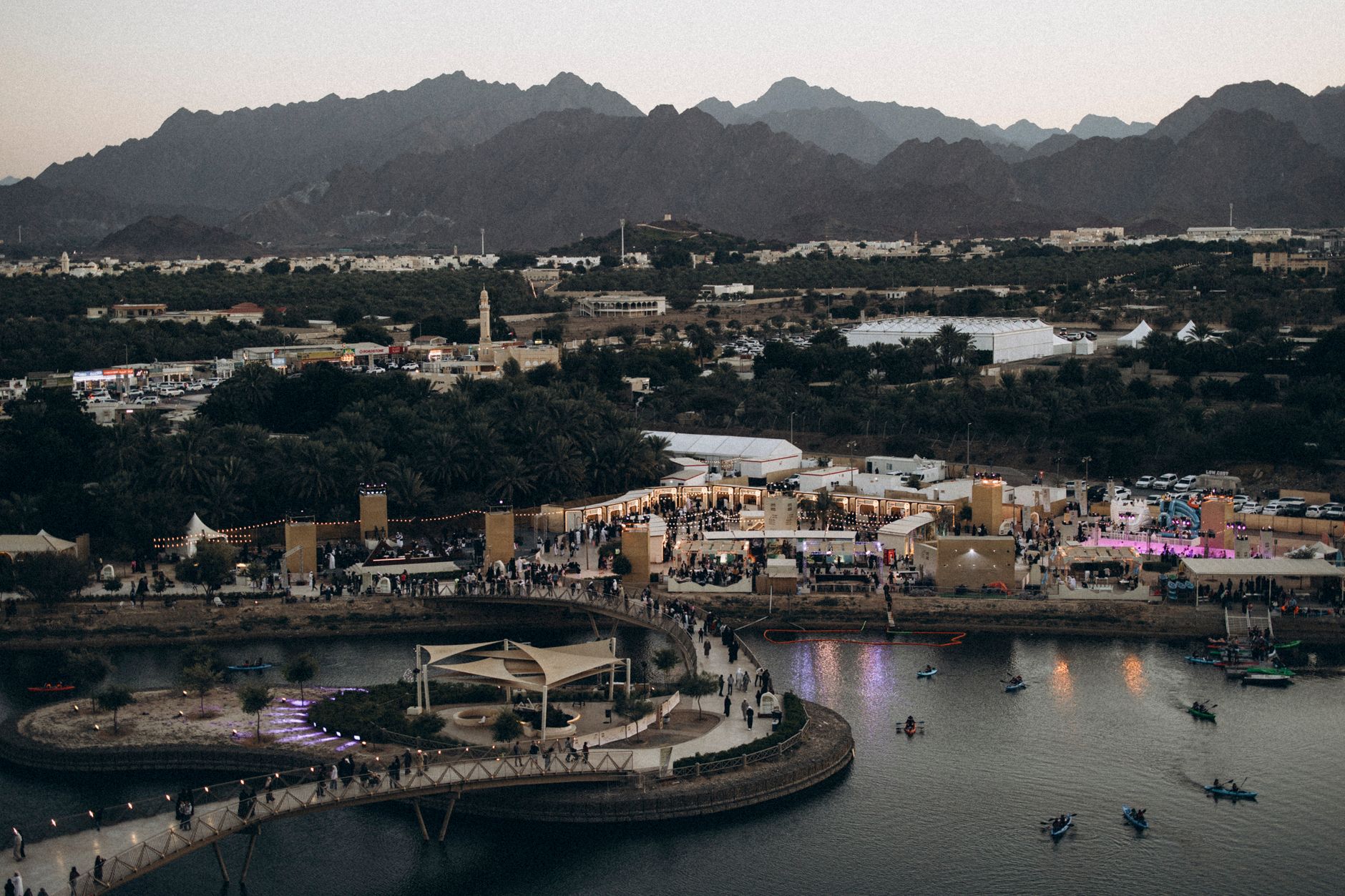
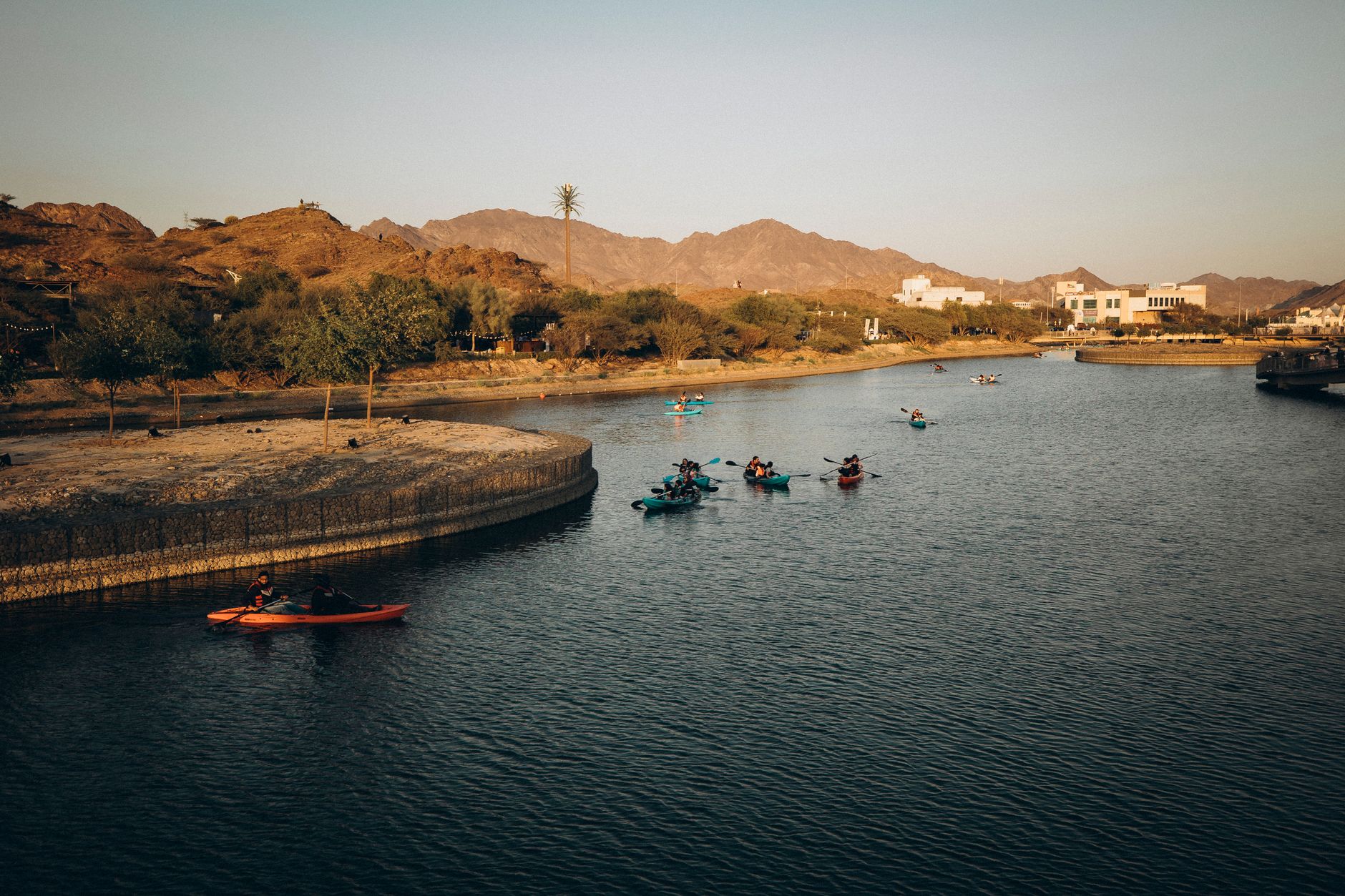
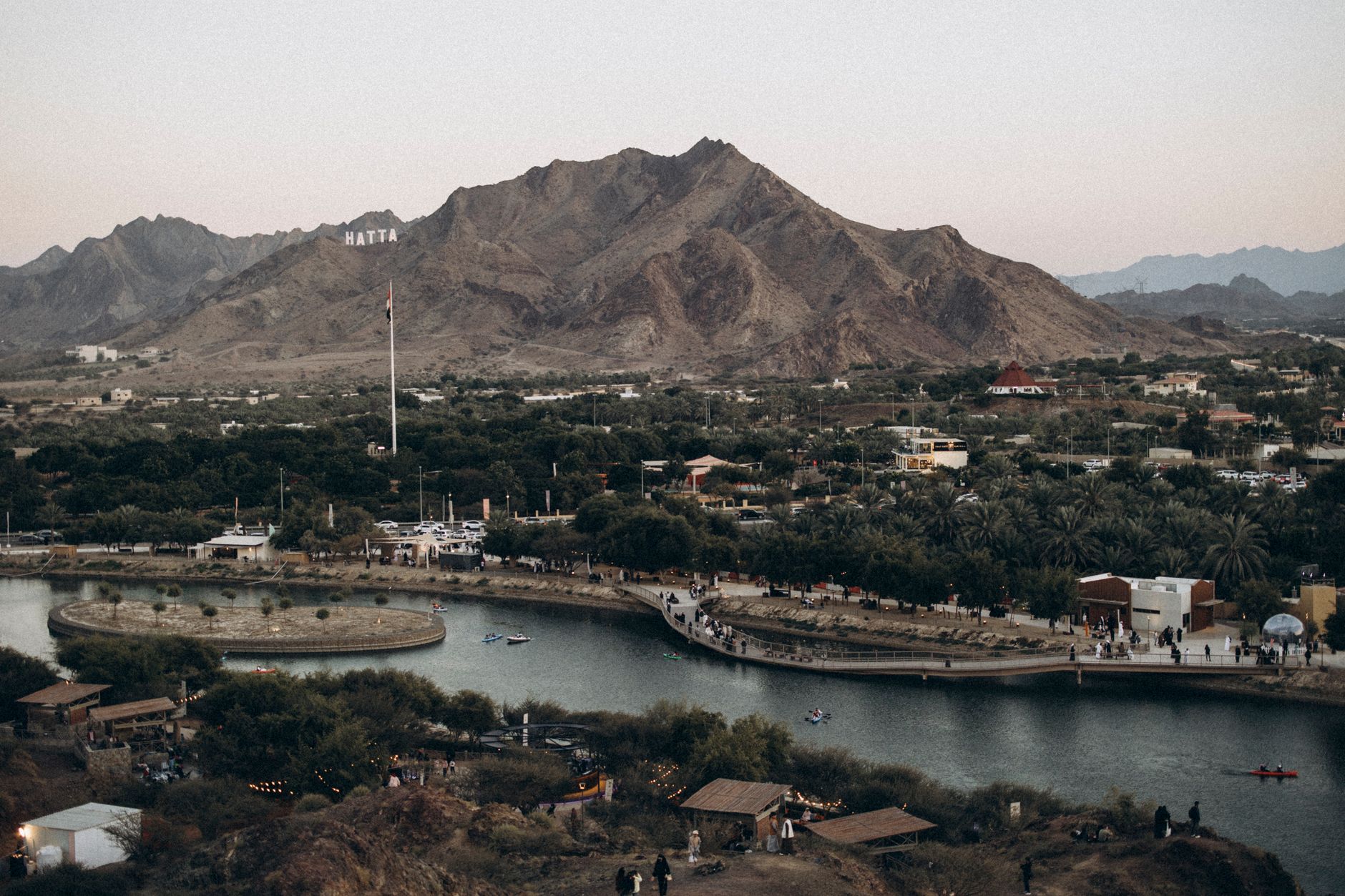
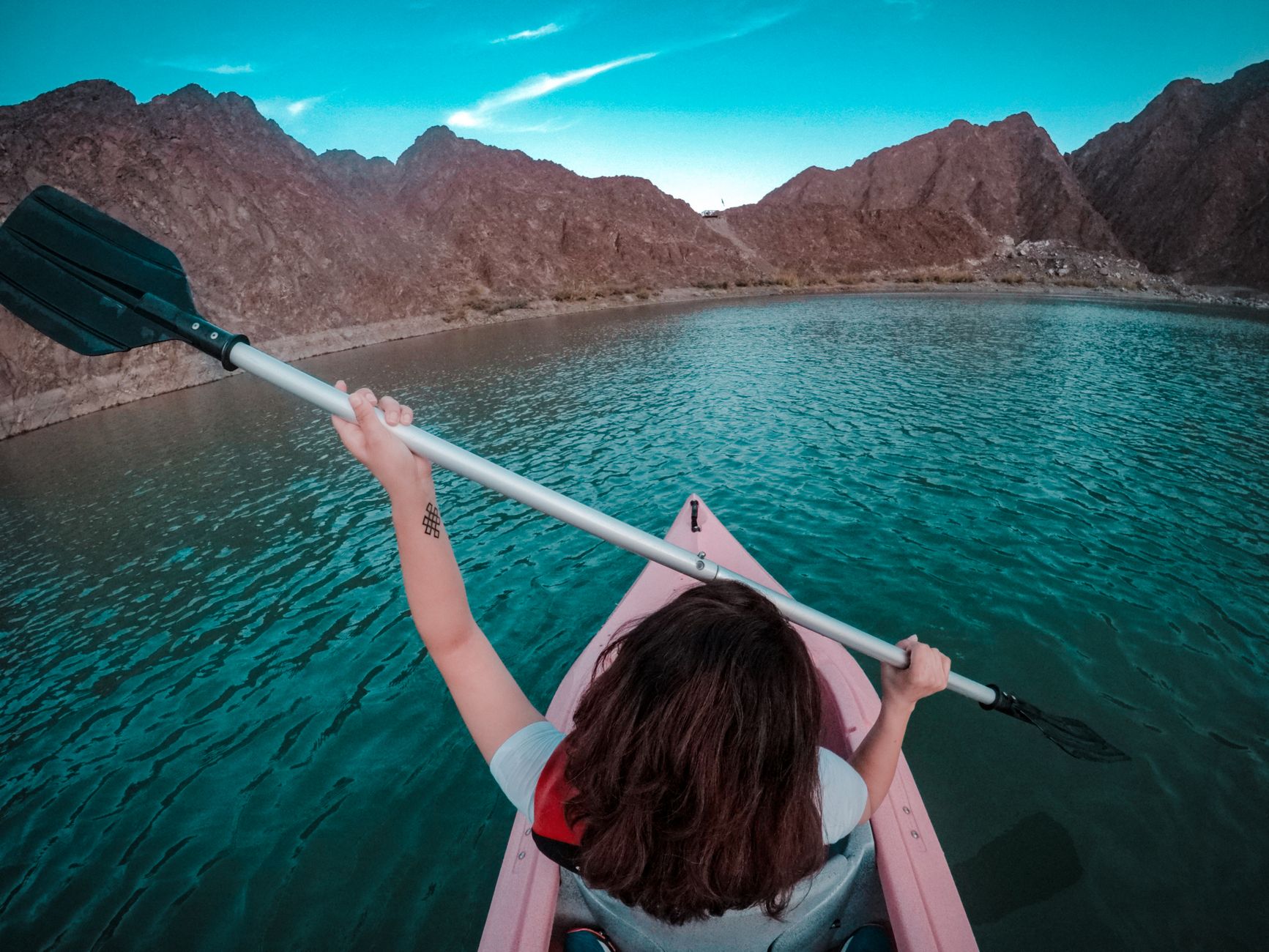
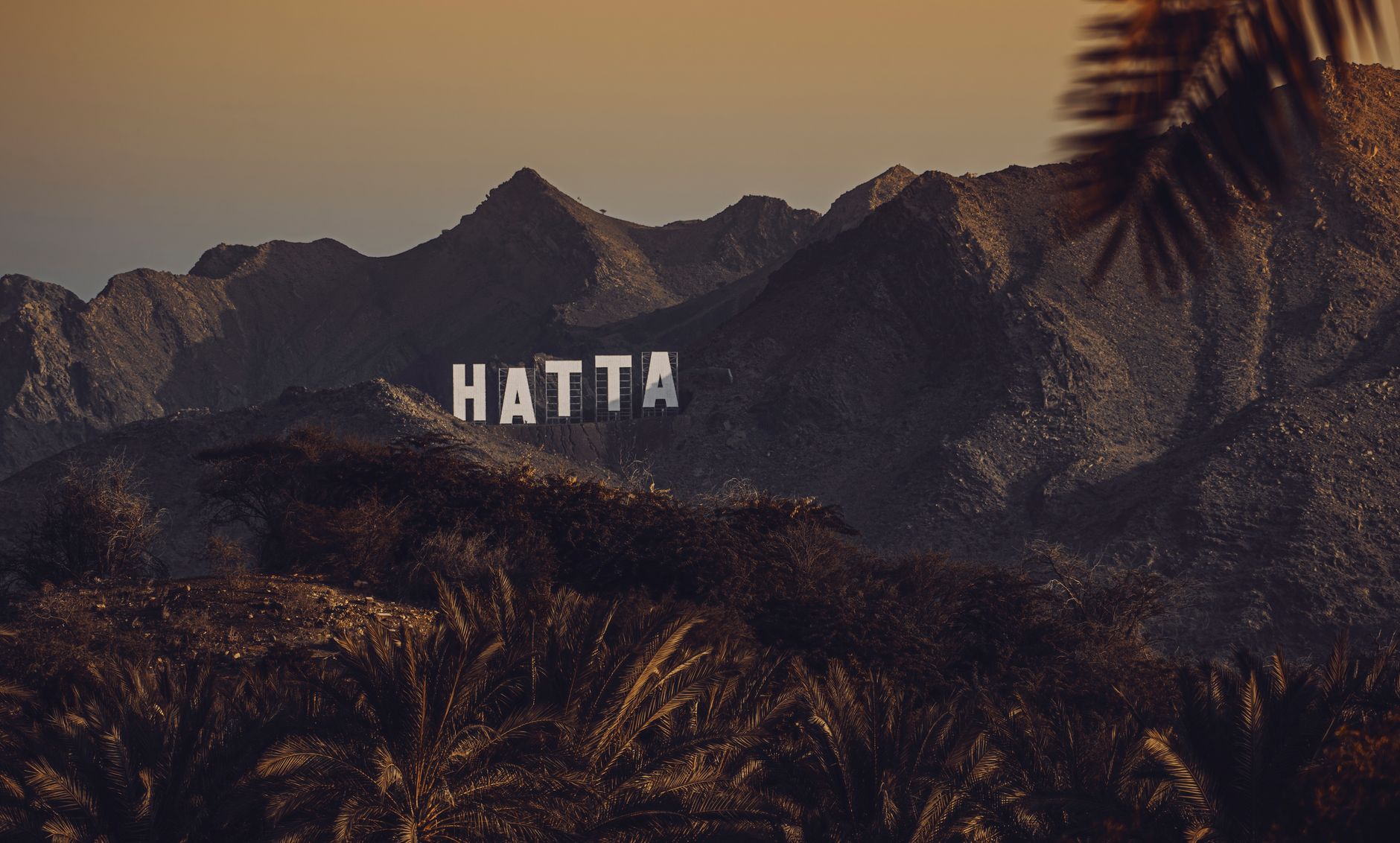
Hatta sits about 134 kilometres east of Dubai, where the Hajar Mountains rise out of the gravel plains and the air carries a different quality — cooler, drier, faintly mineral. It is an exclave of the emirate, separated from its parent city by a strip of Omani territory, and that geographical oddity gives it a character all its own: older, quieter, shaped by stone rather than sand.
Bronze Age tombs lie in the hills. A mosque from 1780 still stands in the old village. A dam built in the 1990s now anchors a wadi of kayaks and mountain bikes. Hatta is a place where several centuries coexist without much ceremony.
How Hatta came to be
Hatta's recorded past stretches back further than almost anywhere else in Dubai's territory — archaeologists working under the Jabal al Yamh Research and Conservation Project uncovered a necropolis of over seventy Bronze Age tombs in the surrounding hills. The village itself was still known as Hajarain as late as 1906.
Politically, the territory changed hands around 1850, when Omani Sultan Turki bin Said transferred it to Dubai's ruler Hasher bin Maktoum, unable to defend it against the Na'im of Buraimi who had settled neighbouring Masfout. The 1896 fort — restored in 1995 — and the pair of 1880s watchtowers that once required rope ladders to enter are the most legible remnants of that defensive history. In 2016, a DH 1.3 billion development plan set Hatta on a different course, one oriented toward tourism rather than frontier security.
Who and what shaped it
People who shaped it
Landmark buildings
See Hatta in motion
Plan your visit
On the map
When to go
Winters (November through March) are the reason to come — daytime temperatures sit around 20–25°C, cool enough to hike or paddle without difficulty. By May the heat climbs toward 40°C and beyond, and most outdoor operators shut down until October.
Right now
Background & history adapted from Wikipedia (CC BY-SA) · specs from Wikidata (CC0) · weather from Open-Meteo · map data © OpenStreetMap contributors · photos from Wikimedia Commons / Unsplash with per-image credit. No third-party reviews or social posts reproduced.