
Hartenbos
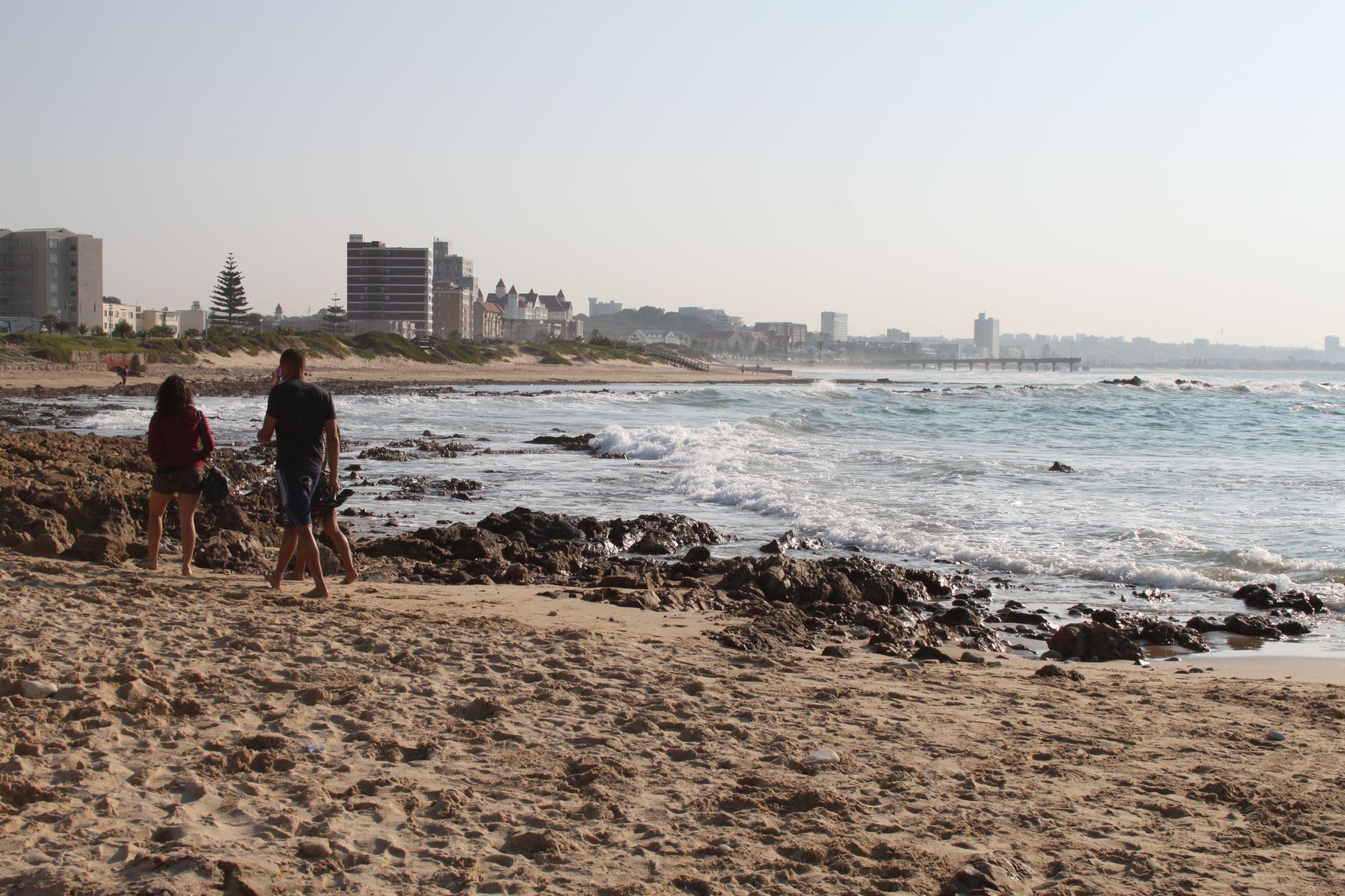
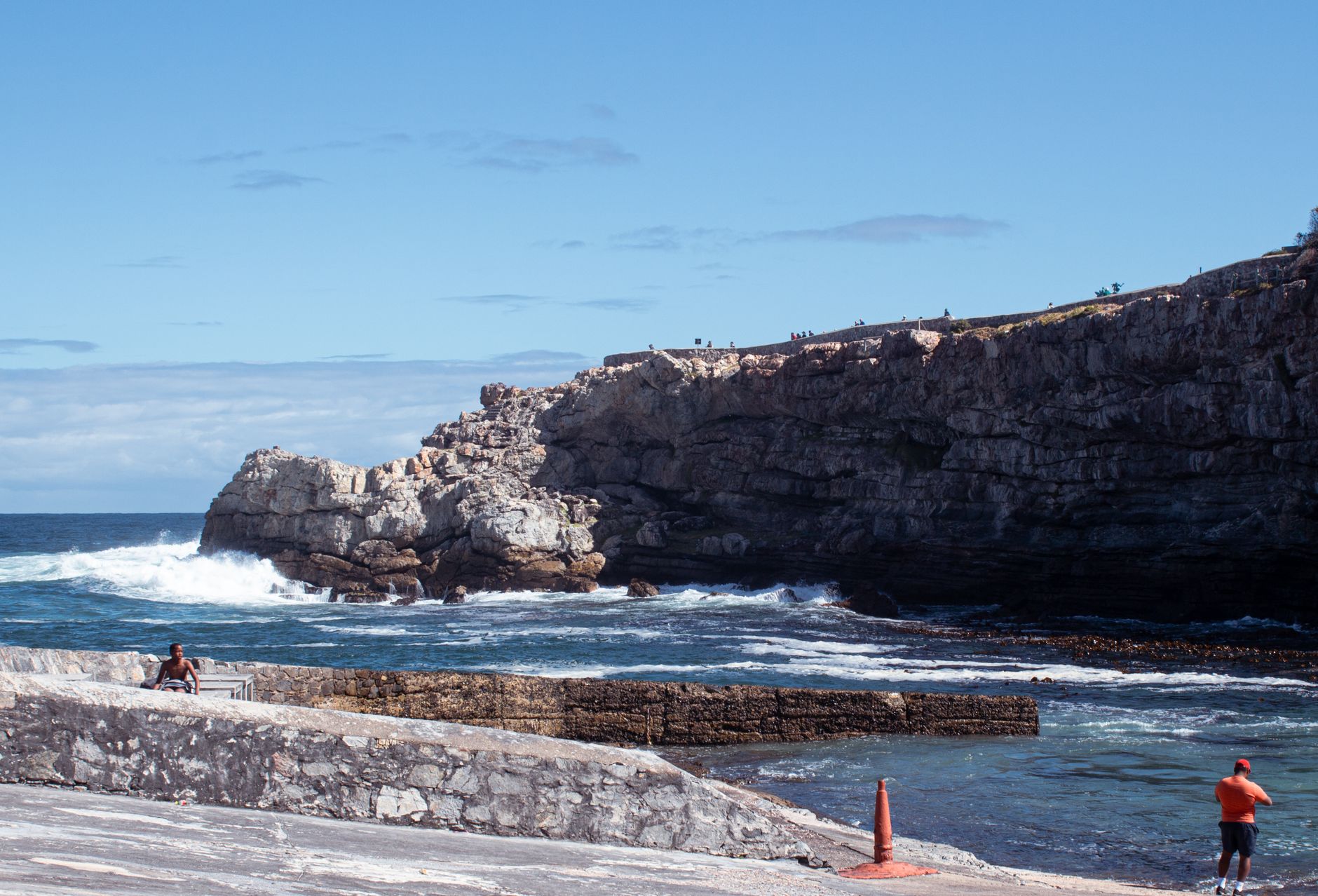
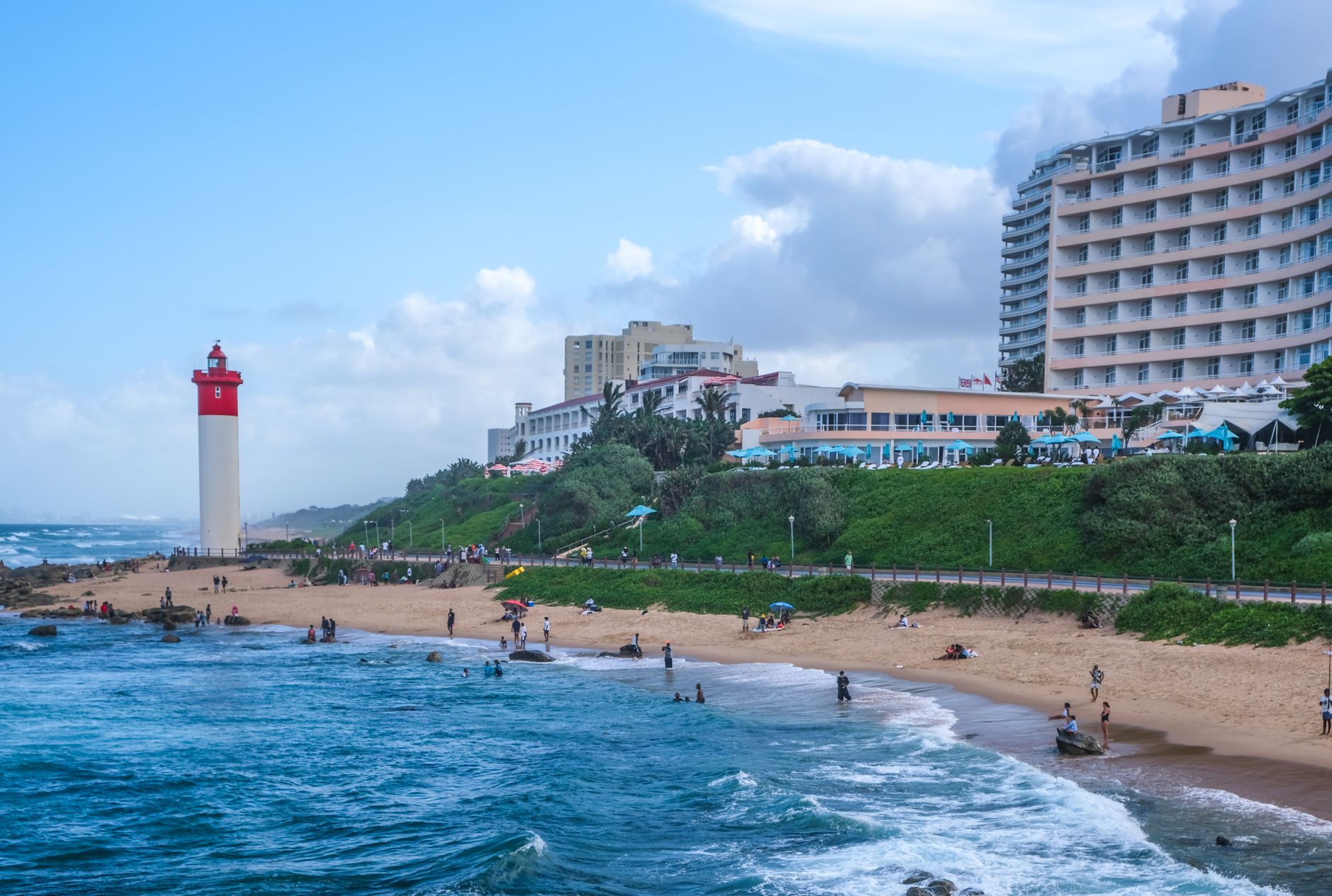
The name comes from a shipwreck. In 1730 a Dutch East India Company vessel called the Huijs te Marquette lost its rudder off this stretch of coast, and the farm a local man claimed in the aftermath — Hart en Bosch, deer and bush — eventually became one of South Africa's most visited holiday towns. Today the deer are long gone, but the bush and the five kilometres of Blue Flag beach remain, along with a river lagoon where people swim and canoe, and a seafront lined with kiosks selling seafood and clothing once the December crowds arrive.
Hartenbos is, above all, a place where Afrikaans South Africa comes to exhale. The town holds up to 15,000 visitors at peak season, yet outside those summer weeks it quiets to something closer to its own rhythms — whale watching from May, calm seas through autumn, and a walking trail along the beach where marble slabs carry lines from sixteen Afrikaans poets.
💛 What travellers fall for
People who come back tend to mention the ATKV Hiking Trail unprompted — the marble poetry slabs half-buried in beach sand feel different each visit depending on the tide. The Hartenbos River lagoon is worth an early morning before the holiday crowds claim it. And the pink milkshake at the seafront on a Sunday afternoon is, apparently, non-negotiable.
Deals in Hartenbos
Book directly at the provider
How Hartenbos came to be
The town's origin is a piece of maritime bad luck made good. When the Huijs te Marquette ran aground in 1730, a farmer named Esaias Meyer reported the wreck to Cape Town authorities and was rewarded with a grant on the land he called Hart en Bosch. The farm changed hands slowly over two centuries before South African Railways and Harbours bought it in 1933 and turned it into a holiday resort for lower-ranking employees.
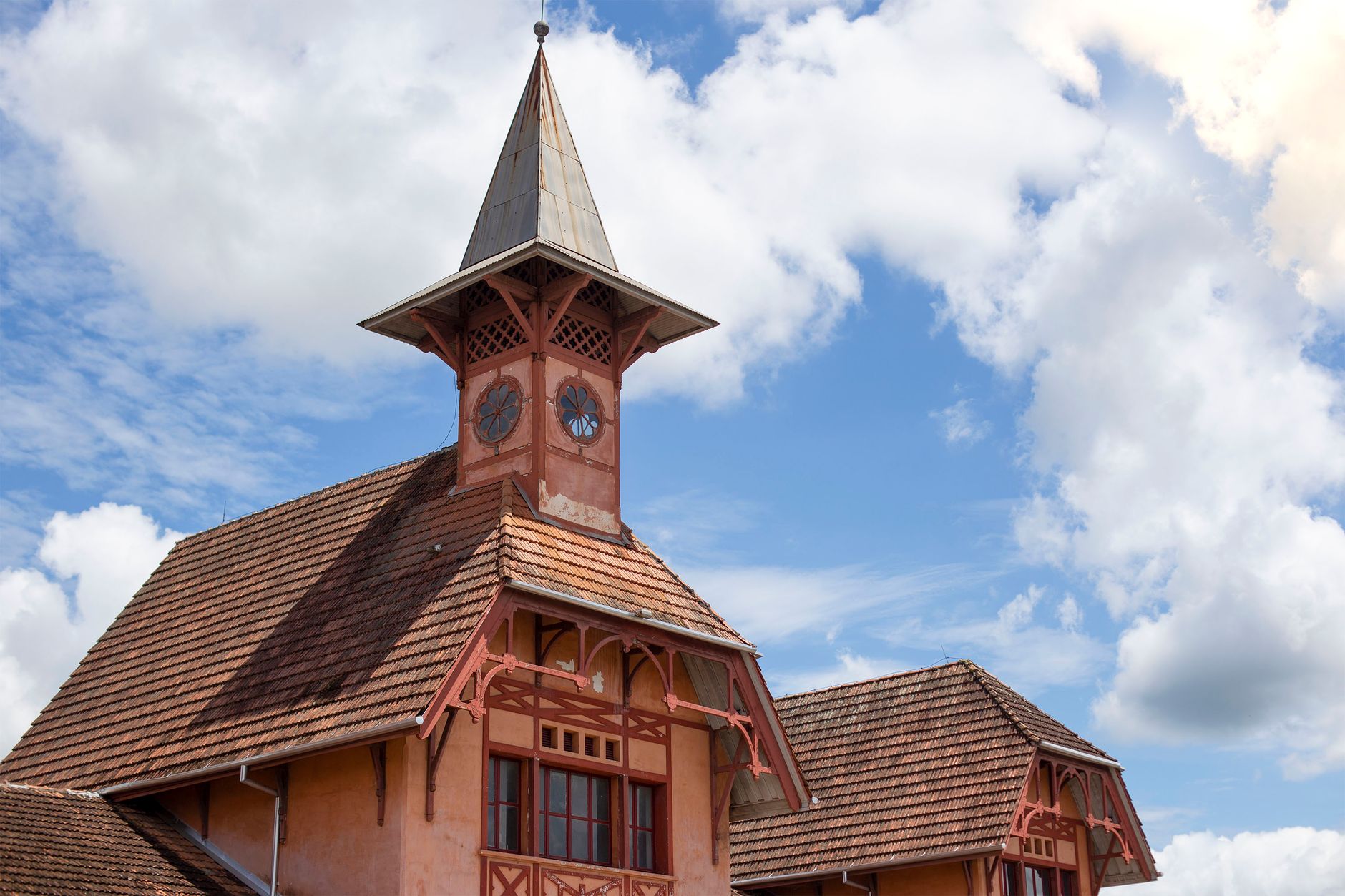
Three years later, in 1936, the Afrikaanse Taal en Kultuurvereniging — the ATKV — purchased most of the property for 7,000 pounds and divided it into 670 lots. Buyers rented their plots permanently but, for decades, could not build in brick. That restriction held until 1994, which means the town's architectural character was shaped almost entirely by the terms of a mid-century lease. The ATKV museum, opened in 1937, still anchors the cultural memory of the place — ten halls covering the Great Trek, the 1938 Symbolic Ox Wagon Trek, and the local history of Hartenbos itself.
Who and what shaped it
People who shaped it
Landmark buildings
See Hartenbos in motion
Plan your visit
On the map
When to go
The coast here runs warm and relatively dry for most of the year — February peaks around 25°C, and even July rarely drops below 19°C during the day. November is the wettest month, but the rain tends to be brief; December brings the most sunshine, averaging 237 hours for the month.
Right now
Background & history adapted from Wikipedia (CC BY-SA) · specs from Wikidata (CC0) · weather from Open-Meteo · map data © OpenStreetMap contributors · photos from Wikimedia Commons / Unsplash with per-image credit. No third-party reviews or social posts reproduced.