
Harajuku
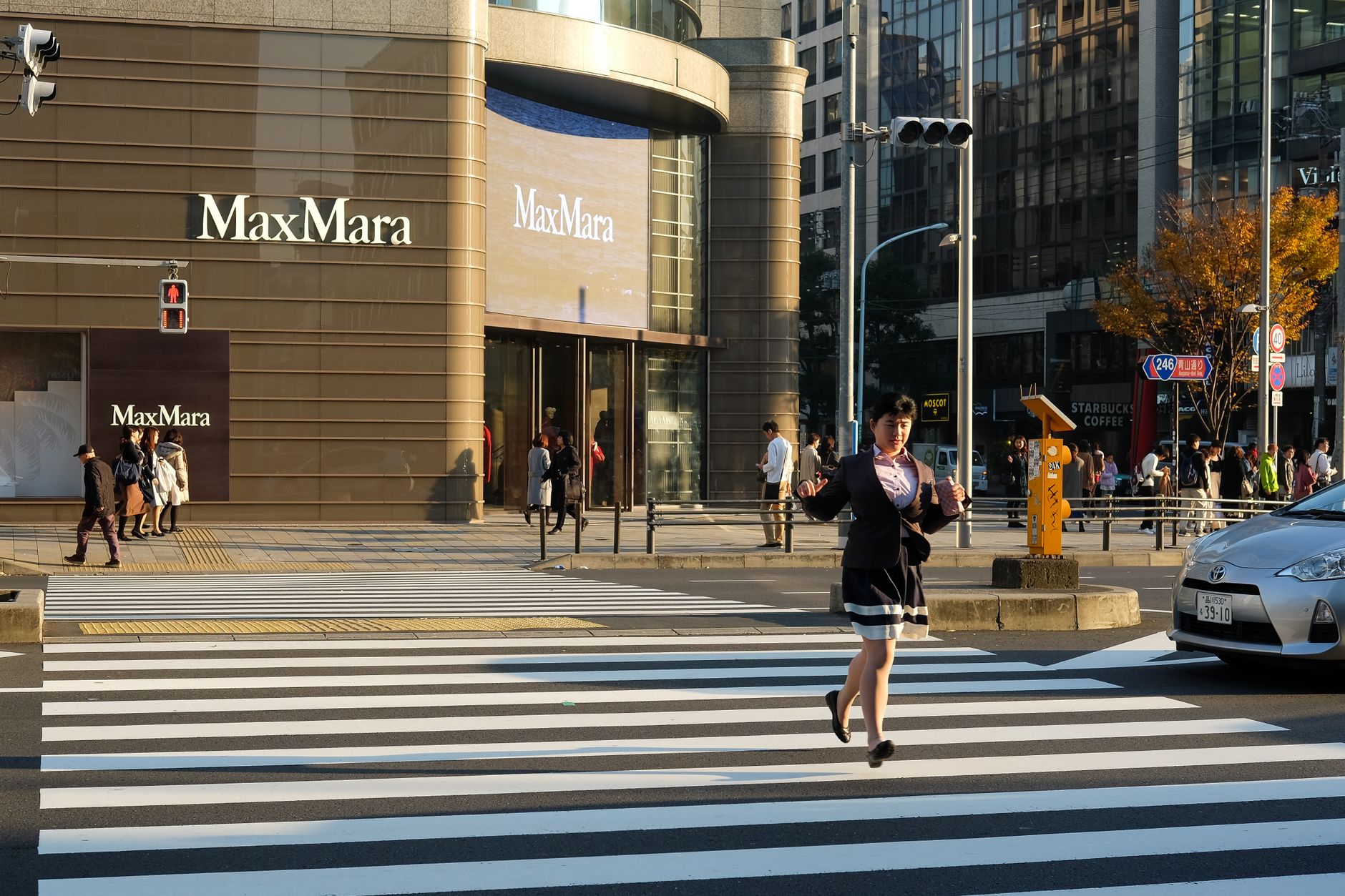
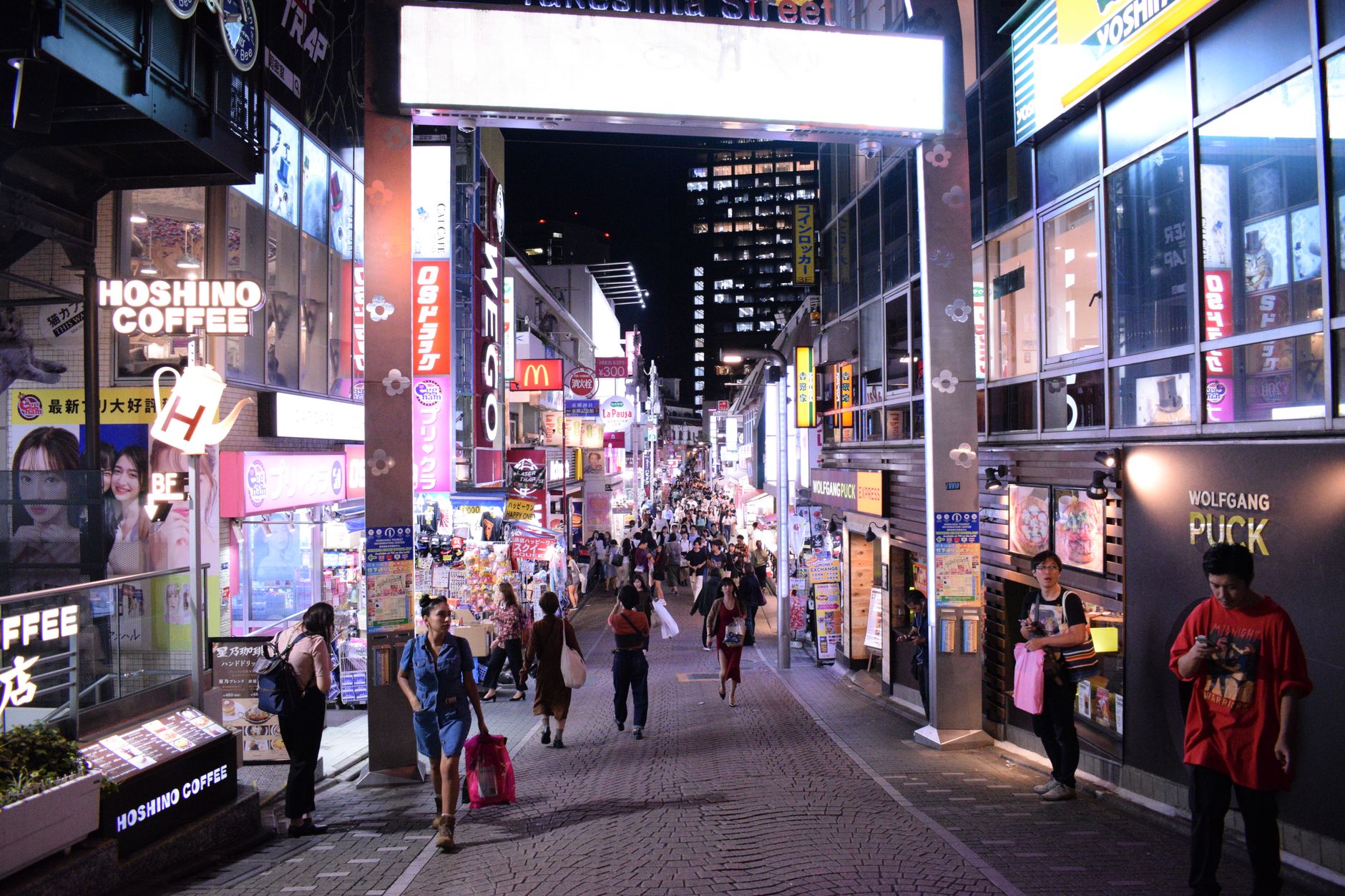
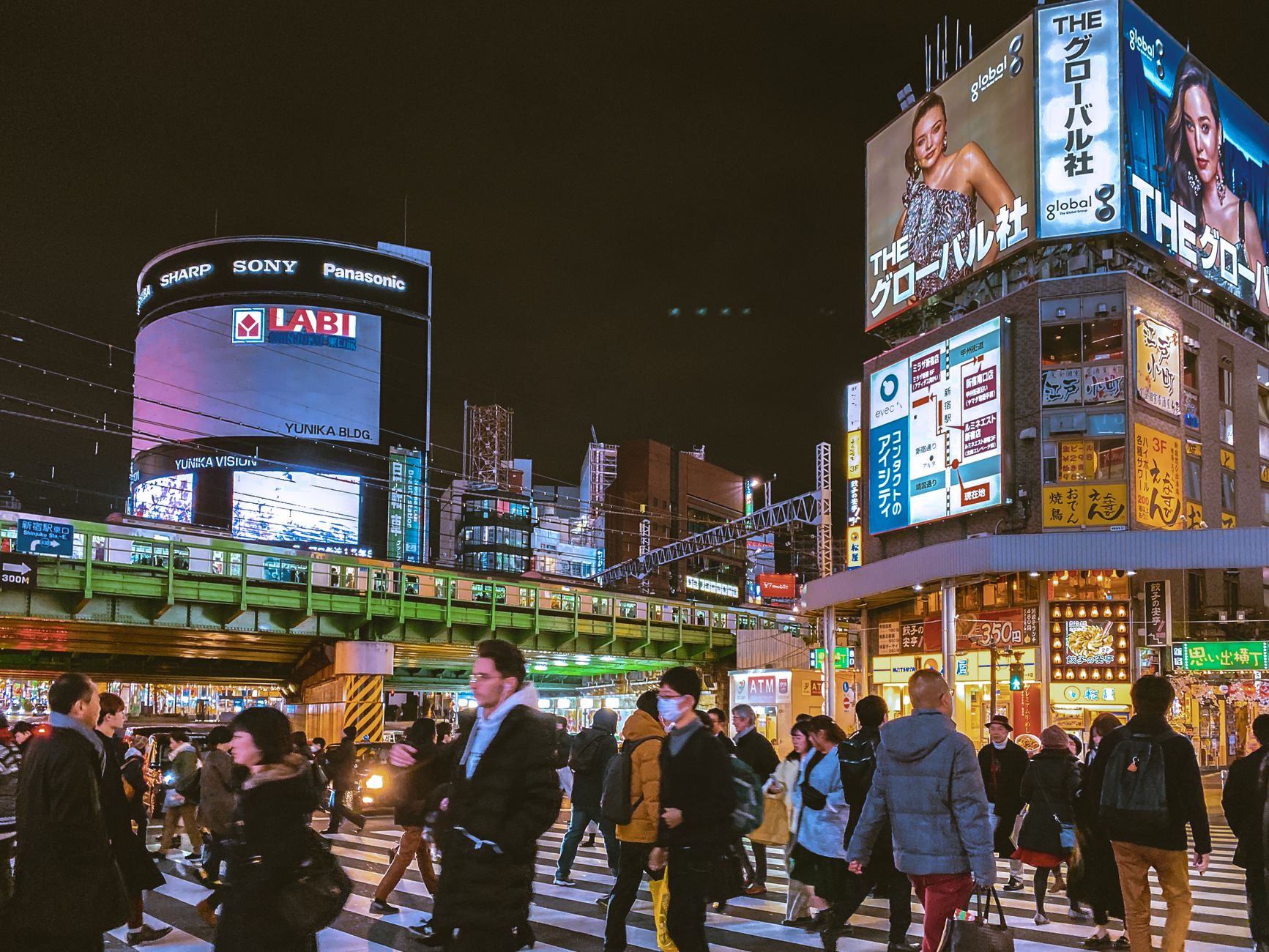
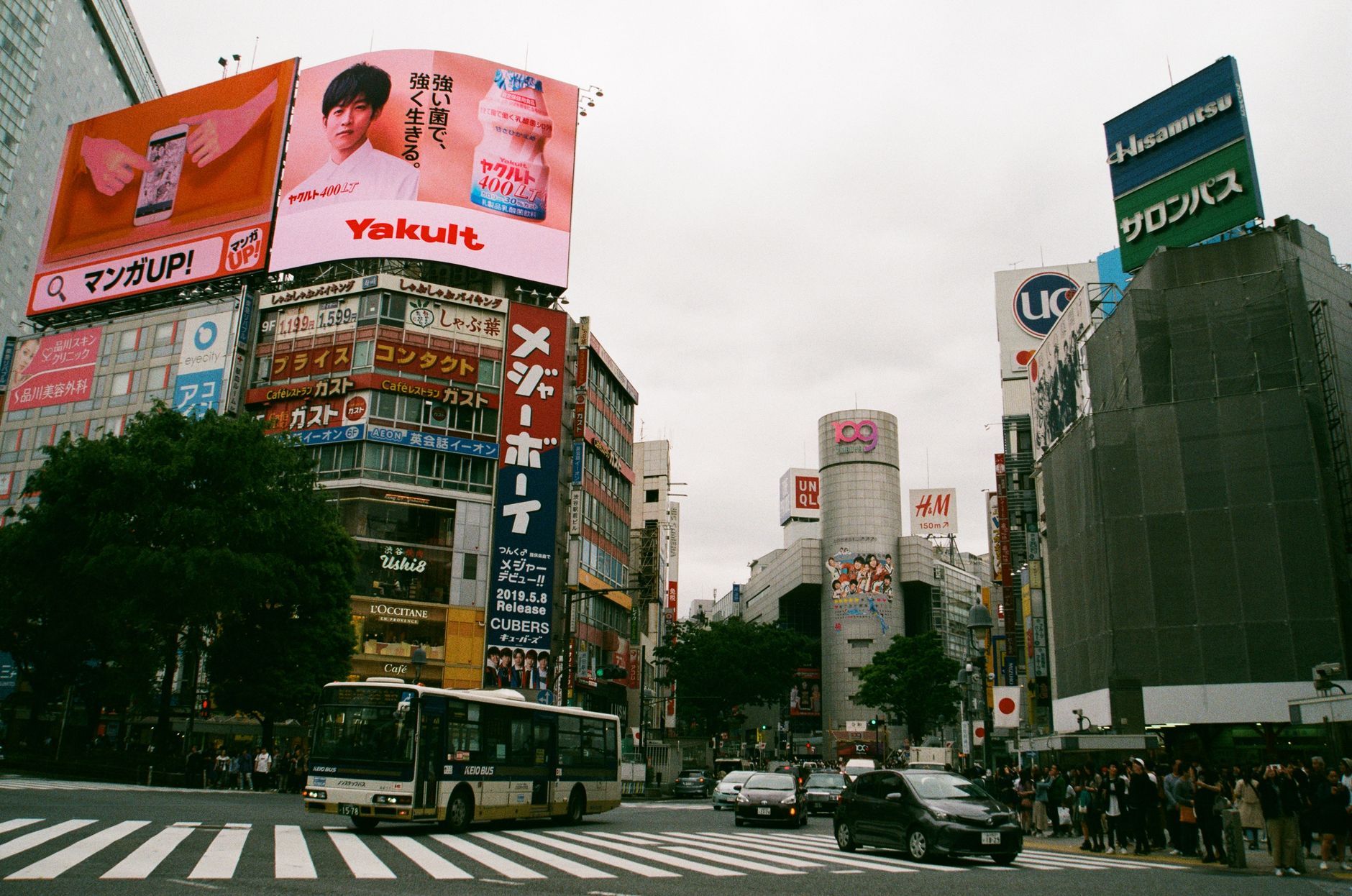
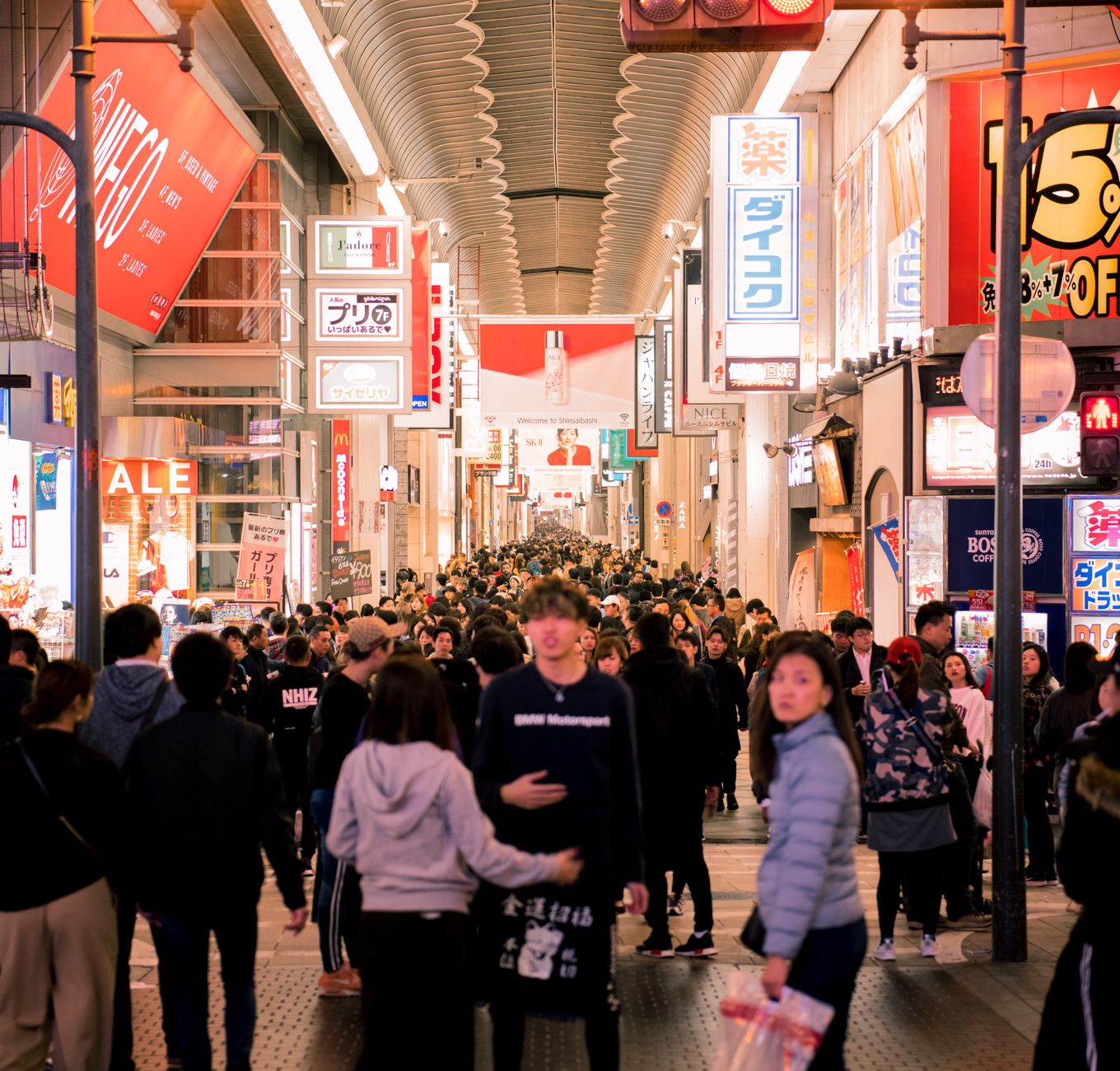
The first thing you notice stepping out of Harajuku Station is the contrast: a century-old wooden building with dark timber beams and pale render, then a torii gate visible through the trees, then — if you turn the other way — a narrow street so loud with colour and sugared crepe smell it almost reads as a separate city. Harajuku contains multitudes without apology.
At its centre is a forested shrine precinct where 120,000 trees, gathered from every corner of Japan, grow dense enough to muffle the surrounding metropolis entirely. Radiating outward from that quiet core are Omotesando's zelkova-shaded kilometre of architecture, the teenage commerce of Takeshita Street, and the back lanes of Jingumae where independent fashion culture took root in the 1970s and never quite left.
💛 What travellers fall for
People who return tend to time Meiji Shrine for early morning on a weekday — gates open as early as 5am in summer — when the gravel paths are nearly empty and the Inner Garden feels genuinely remote. The ¥500 garden entry is one of the better-spent coins in Tokyo. Omotesando shops don't open until 11am, so the morning sequence writes itself.
Deals in Harajuku
Book directly at the provider

How Harajuku came to be
Harajuku's name dates to the Edo period, when it served as a post town on one of the roads out of the capital. The modern neighbourhood took its defining shape after 1919, when the Meiji Shrine was established and Omotesando was widened and formalized as its ceremonial approach — a boulevard designed around a religious axis, which still governs how the area feels today. The station building that greets you was rebuilt in 1924 after the Great Kantō earthquake, and it survived long enough to be listed before a new platform opened in 2020.
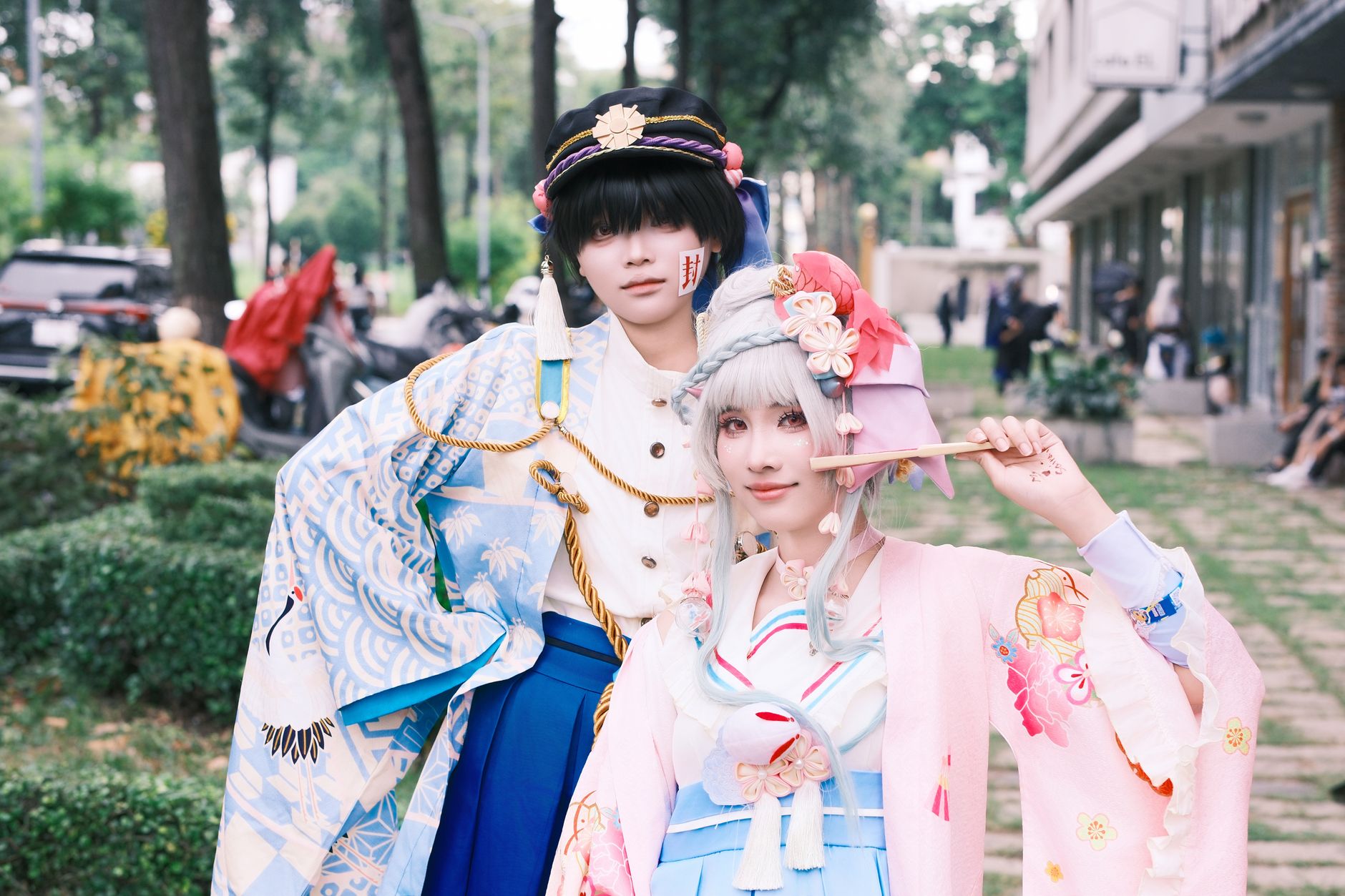
The youth-culture chapter began in the 1970s, when fashion-obsessed young Tokyoites migrated from Shinjuku and opened independent shops in the residential backstreets of Jingumae 3 and 4 chome. Photographer Shoichi Aoki started documenting what he found on those streets in 1997 with FRUiTS magazine, and the images circulated worldwide — making Harajuku synonymous with a kind of street creativity that was, even then, already shifting.
Who and what shaped it
People who shaped it
Landmark buildings
See Harajuku in motion
Plan your visit
On the map
When to go
Spring brings mild temperatures and cherry blossoms around Yoyogi Park, though crowds peak in late March and early April. Summers are hot and humid; the shrine forest offers real shade but July and August are relentless. Autumn — October and November — gives you cool air, turning leaves along Omotesando, and the most comfortable walking conditions of the year. Winter is crisp and quiet except for the first days of January, when the shrine draws its largest crowds of the year.
Right now
Background & history adapted from Wikipedia (CC BY-SA) · specs from Wikidata (CC0) · weather from Open-Meteo · map data © OpenStreetMap contributors · photos from Wikimedia Commons / Unsplash with per-image credit. No third-party reviews or social posts reproduced.