
Ha Dong District

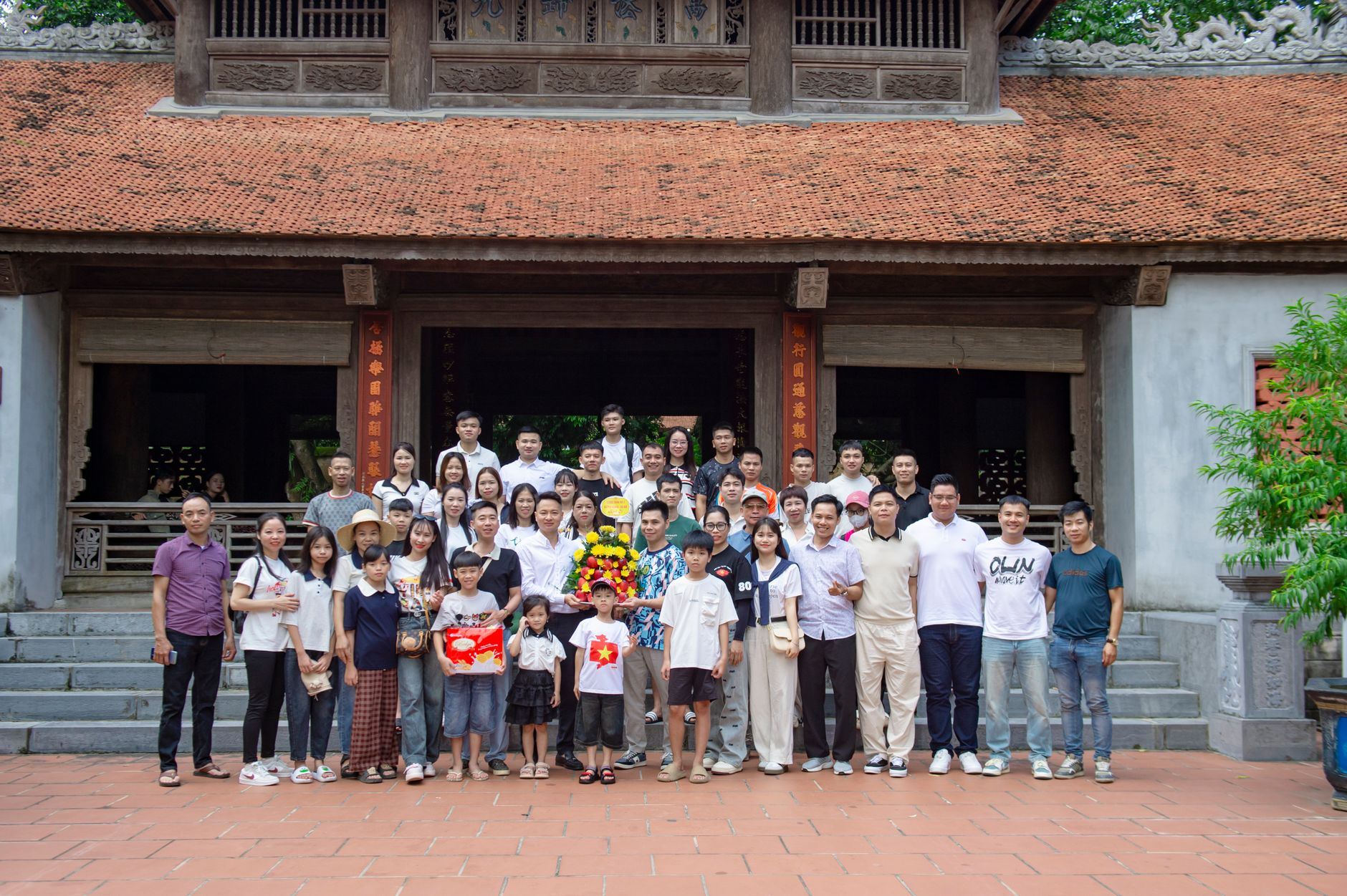

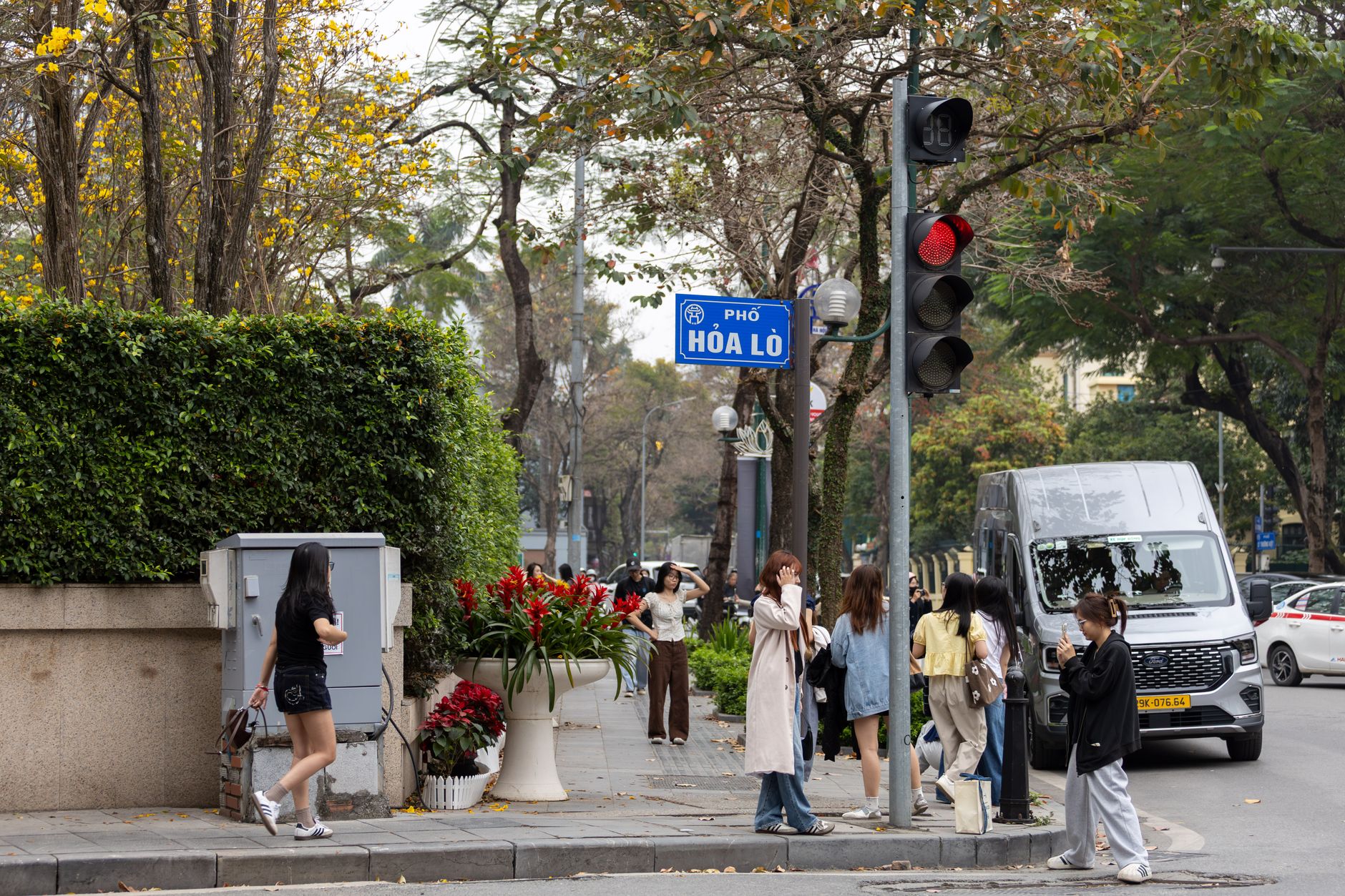
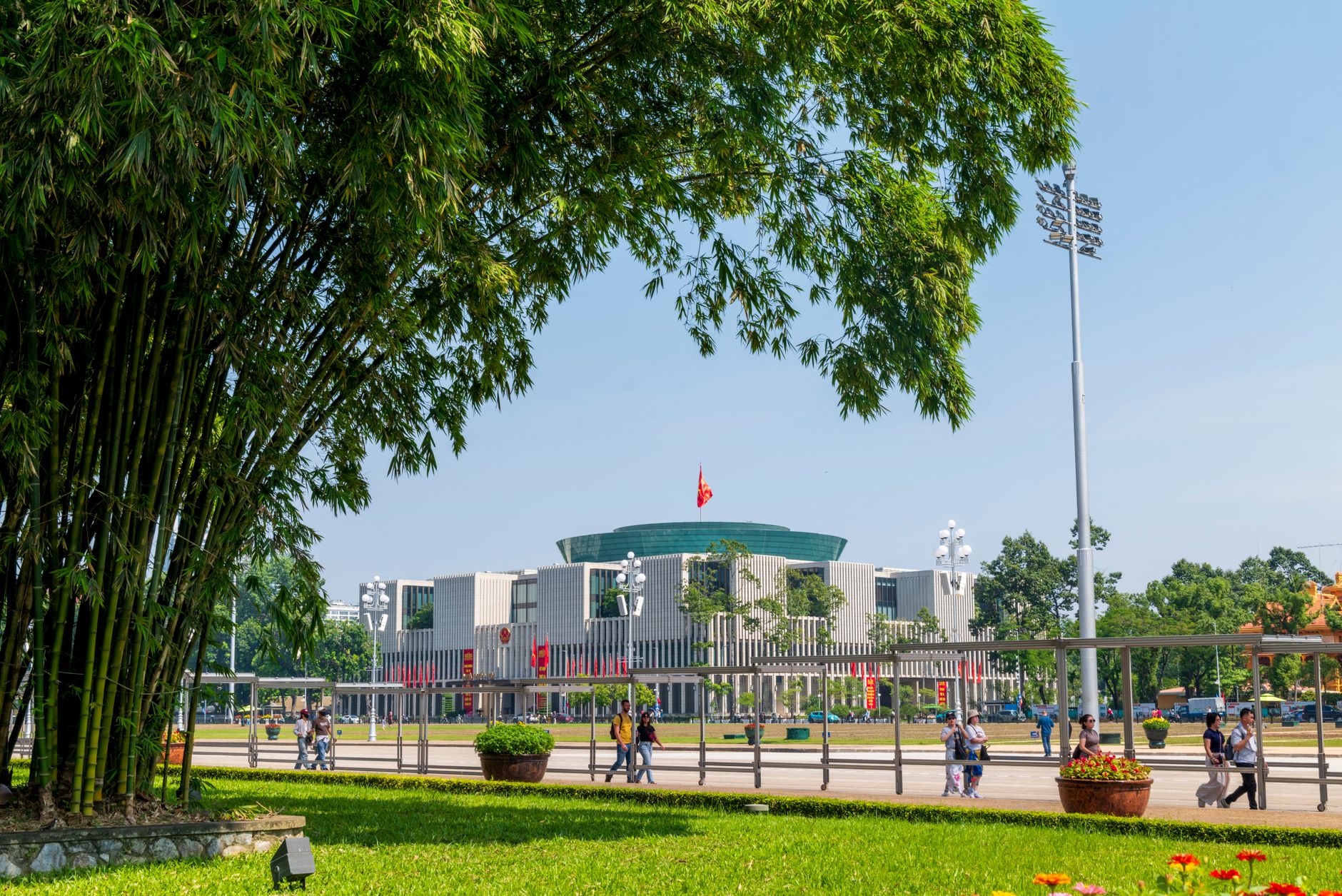
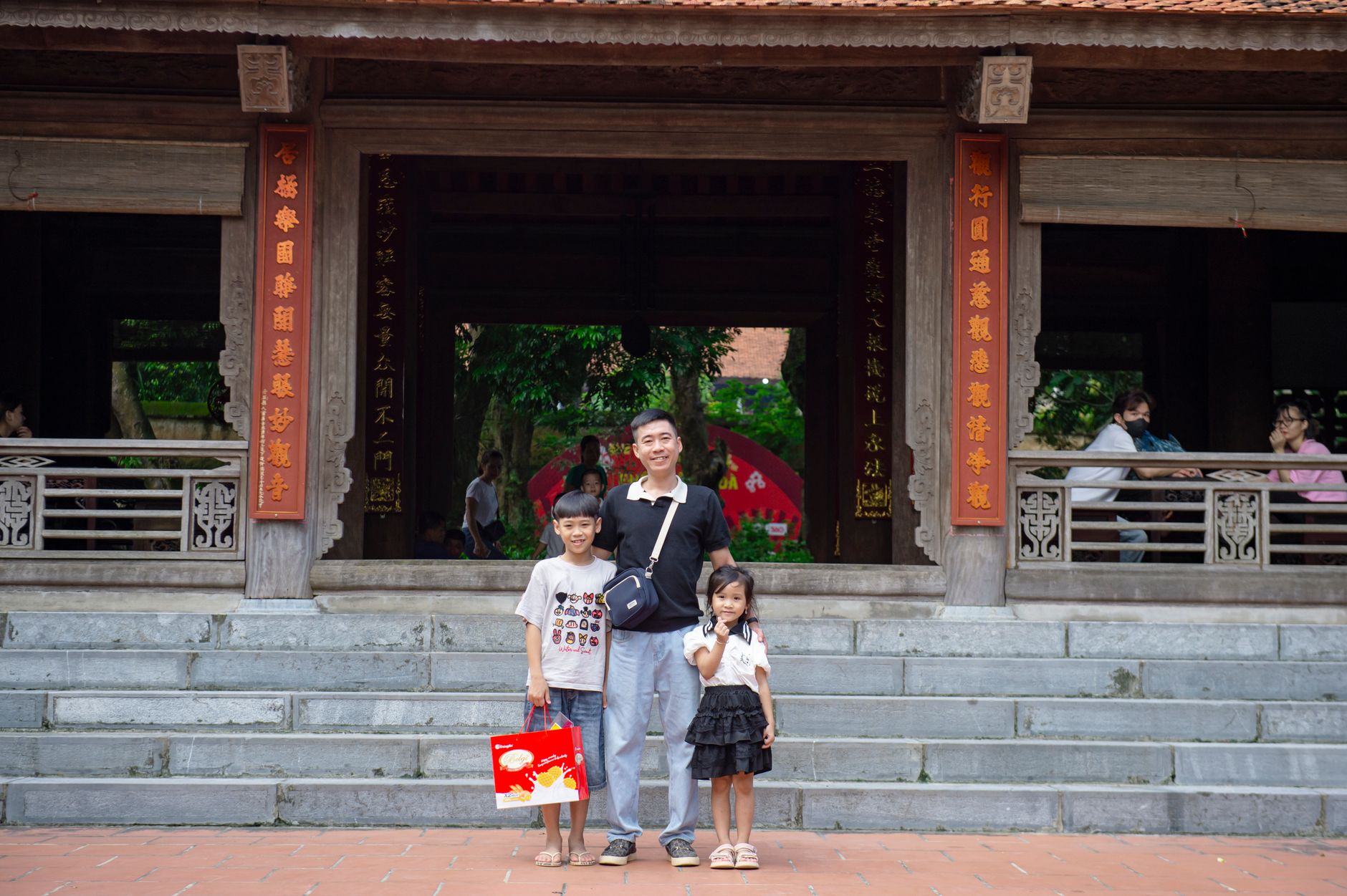
Ha Dong sits about 12 kilometres southwest of Hanoi's Old Quarter, pressed between the Day River and the Nhue River — its name, literally, means 'east of the river.' It is one of Hanoi's most populous districts, home to nearly 400,000 people across 17 wards, and it carries the particular texture of a place that has been a provincial capital, a merged town, and finally an urban district absorbed into the expanding city. Silk is the thread that ties it together: Van Phuc village has been weaving here for over a thousand years, and the craft still runs through the neighbourhood like a visible seam.
The district holds more than 200 historical-cultural relics alongside a 17th-century pagoda, riverside lake walks, a metro line that connects it to central Hanoi in under 25 minutes, and the slow afternoons of old village lanes that have outlasted every administrative redrawing of the map.
💛 What travellers fall for
People who keep coming back tend to go straight to Van Phuc village before the day warms up, when the looms are already running and the silk shops haven't yet filled with tour groups. Van Quan Lake is worth the detour for a quiet hour. The metro from Cat Linh makes the whole trip feel effortless — token from the machine, 23 minutes, done.
Deals in Ha Dong District
Book directly at the provider


How Ha Dong District came to be
The land that became Ha Dong was already settled by at least the early 15th century, rooted in Cầu Đa Hamlet and Đơ Village. The district's modern administrative story begins in 1888, when Ha Dong Province was formally established with its capital at Cau Do Village. The decades that followed were ones of constant redrawing: in December 1975, Ha Dong's town was folded into the newly merged Ha Son Binh Province; by 1991, that province had split again and Ha Dong returned to Ha Tay Province.
The most decisive change came on August 1, 2008, when Ha Tay Province — Ha Dong included — was absorbed into an expanding Hanoi. By May 2009, Ha Dong had been formally reconstituted as an urban district of the capital, a status that placed it inside one of Southeast Asia's fastest-growing metropolitan areas while leaving its old village cores — Đa Lộc, Đa Phúc, Vạn Phúc — largely intact.
Who and what shaped it
Landmark buildings
See Ha Dong District in motion
Plan your visit
On the map
When to go
Ha Dong runs humid subtropical, with January dipping to around 16°C and June peaking near 29°C. The most pleasant windows for visiting are September through late October and February through late April, when the air is mild, rain is scarce, and the light sits low and clear.
Right now
Background & history adapted from Wikipedia (CC BY-SA) · specs from Wikidata (CC0) · weather from Open-Meteo · map data © OpenStreetMap contributors · photos from Wikimedia Commons / Unsplash with per-image credit. No third-party reviews or social posts reproduced.