
Guadalajara
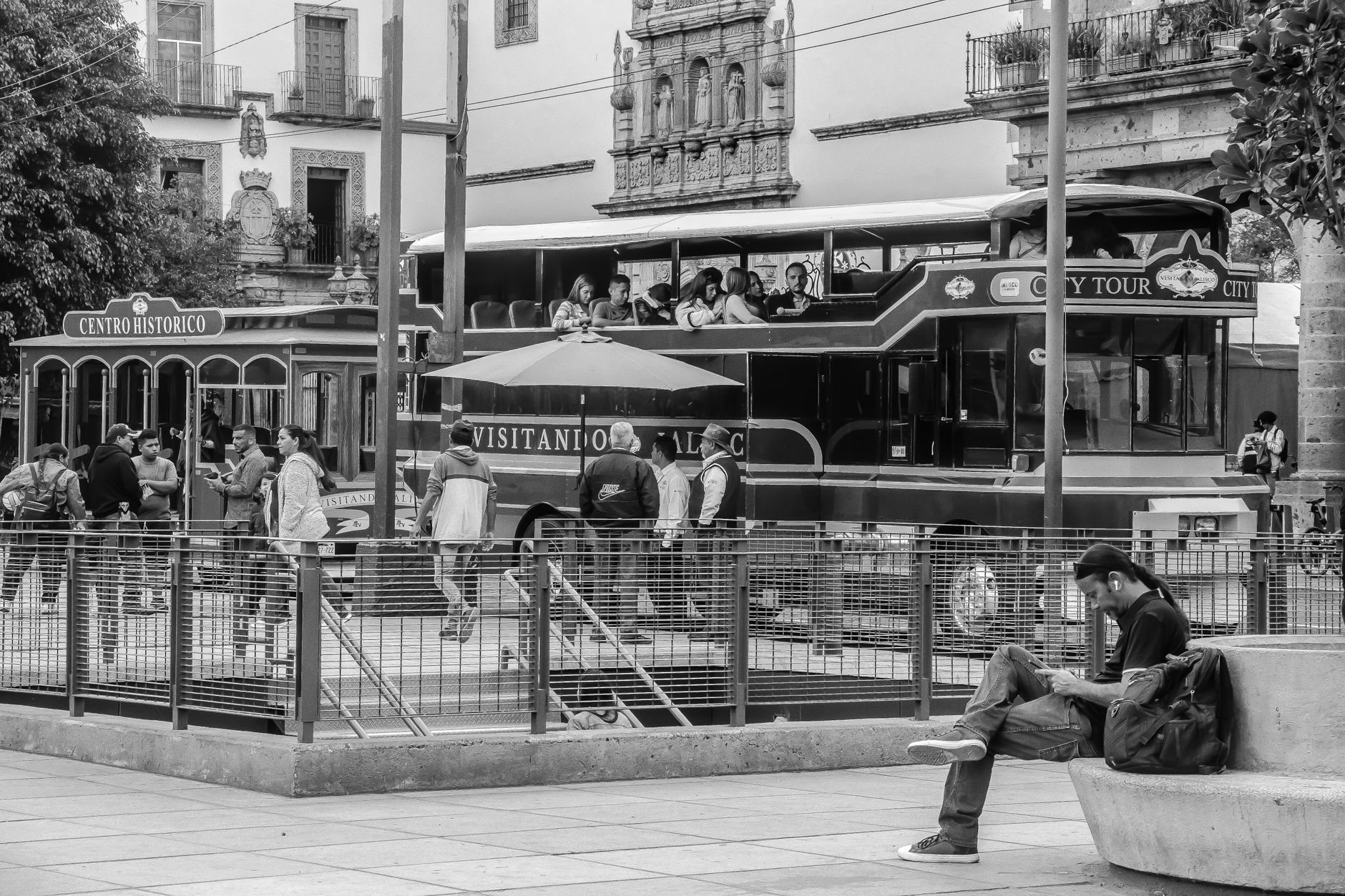
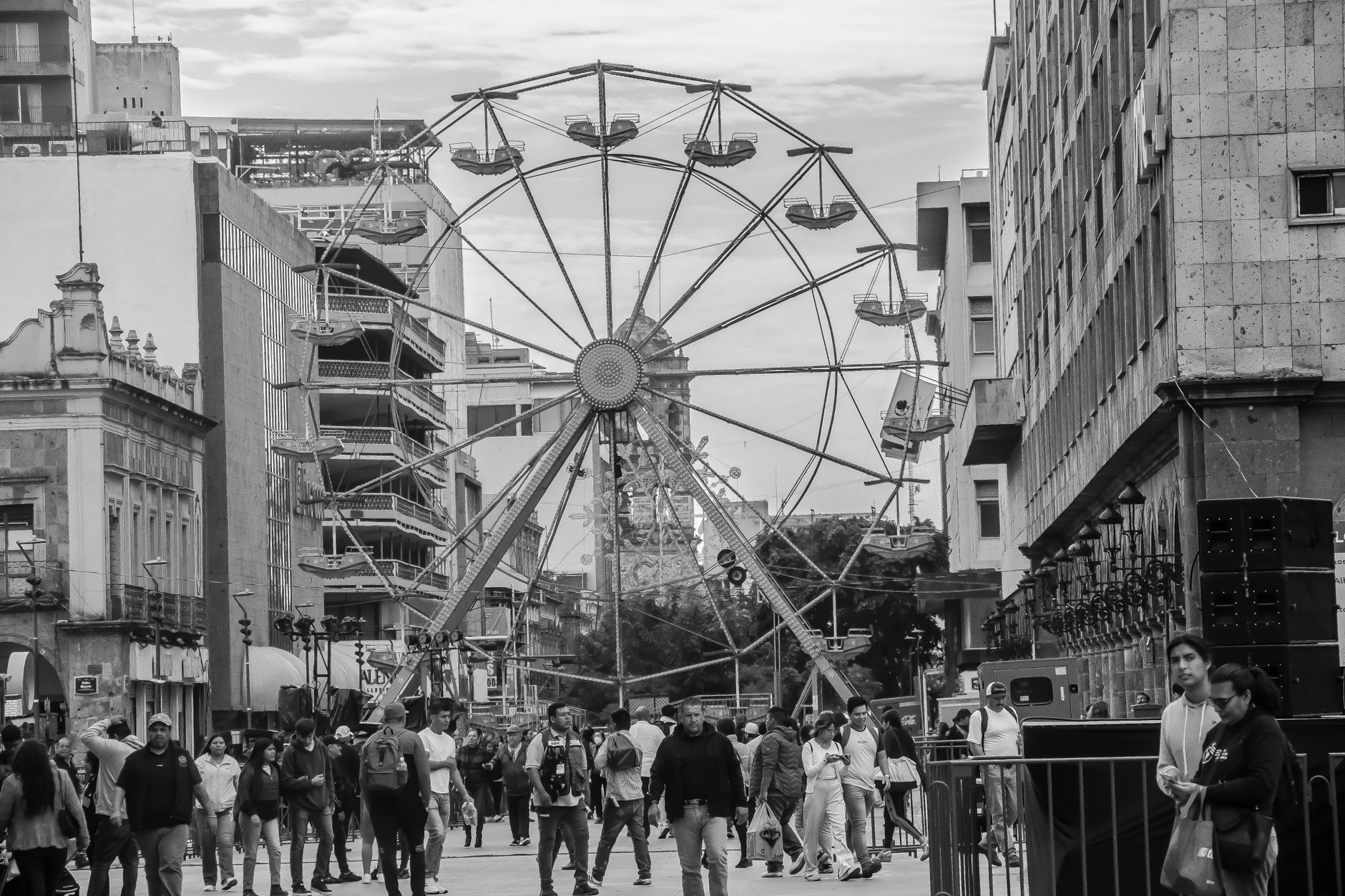
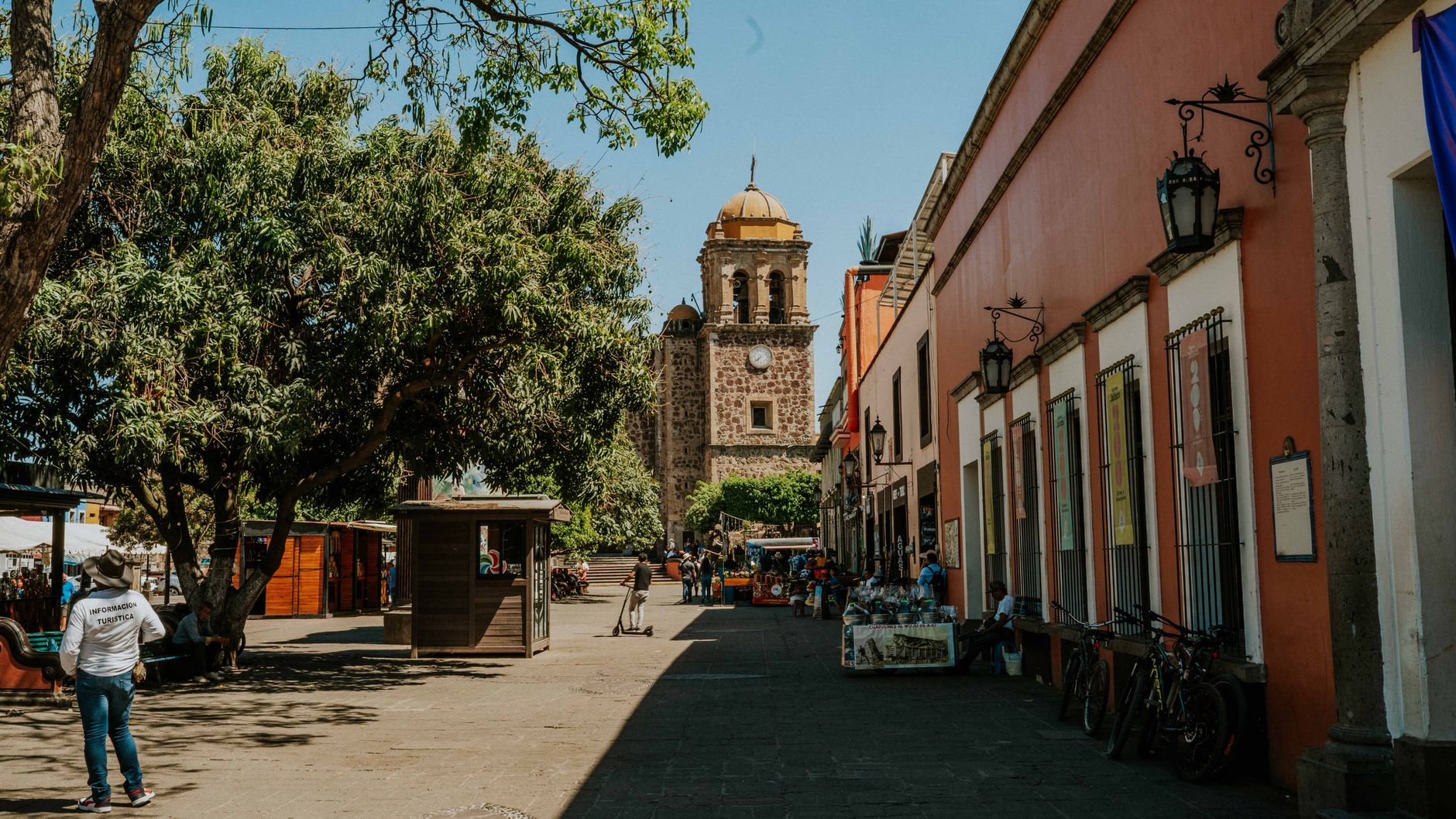
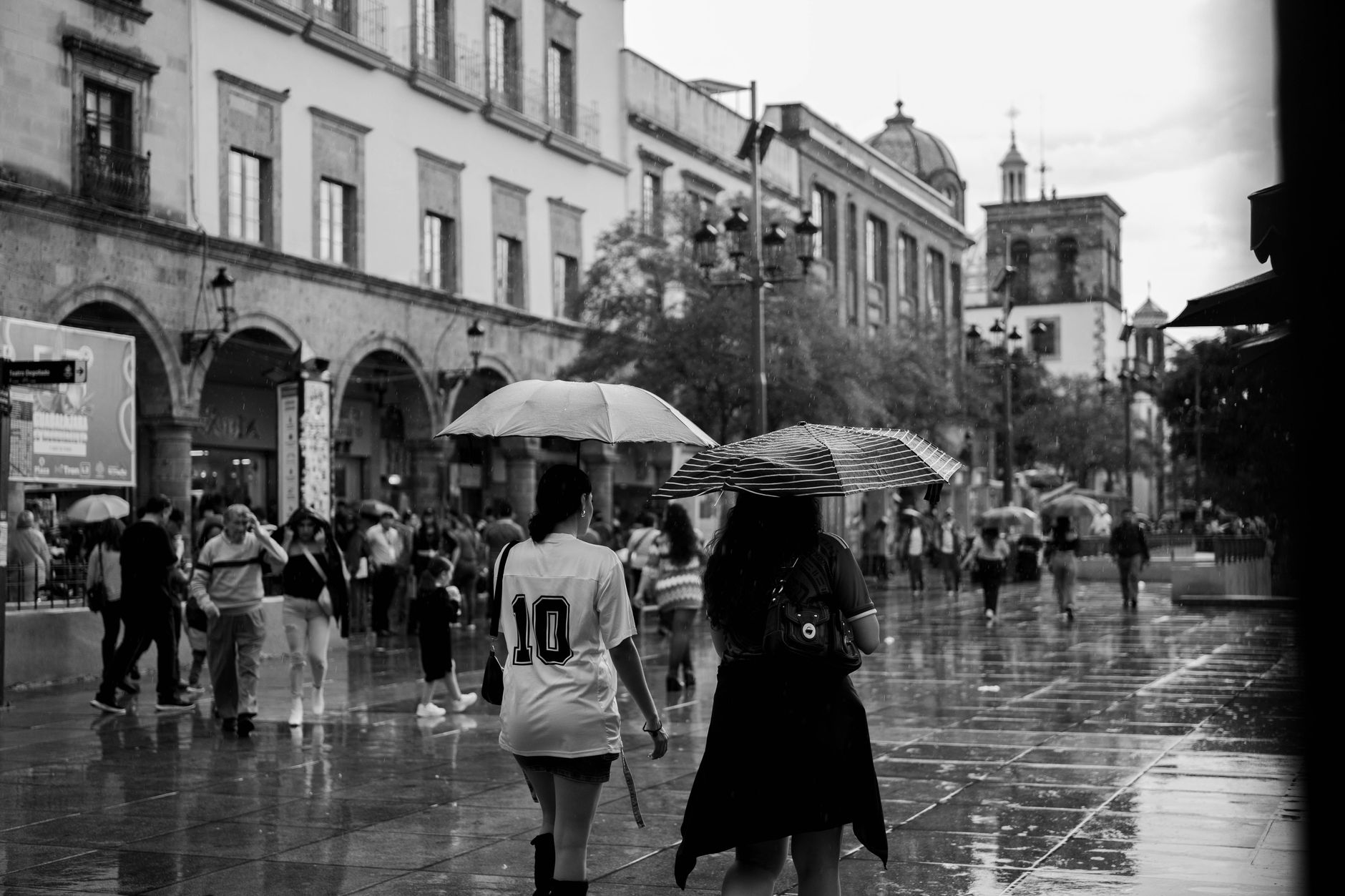
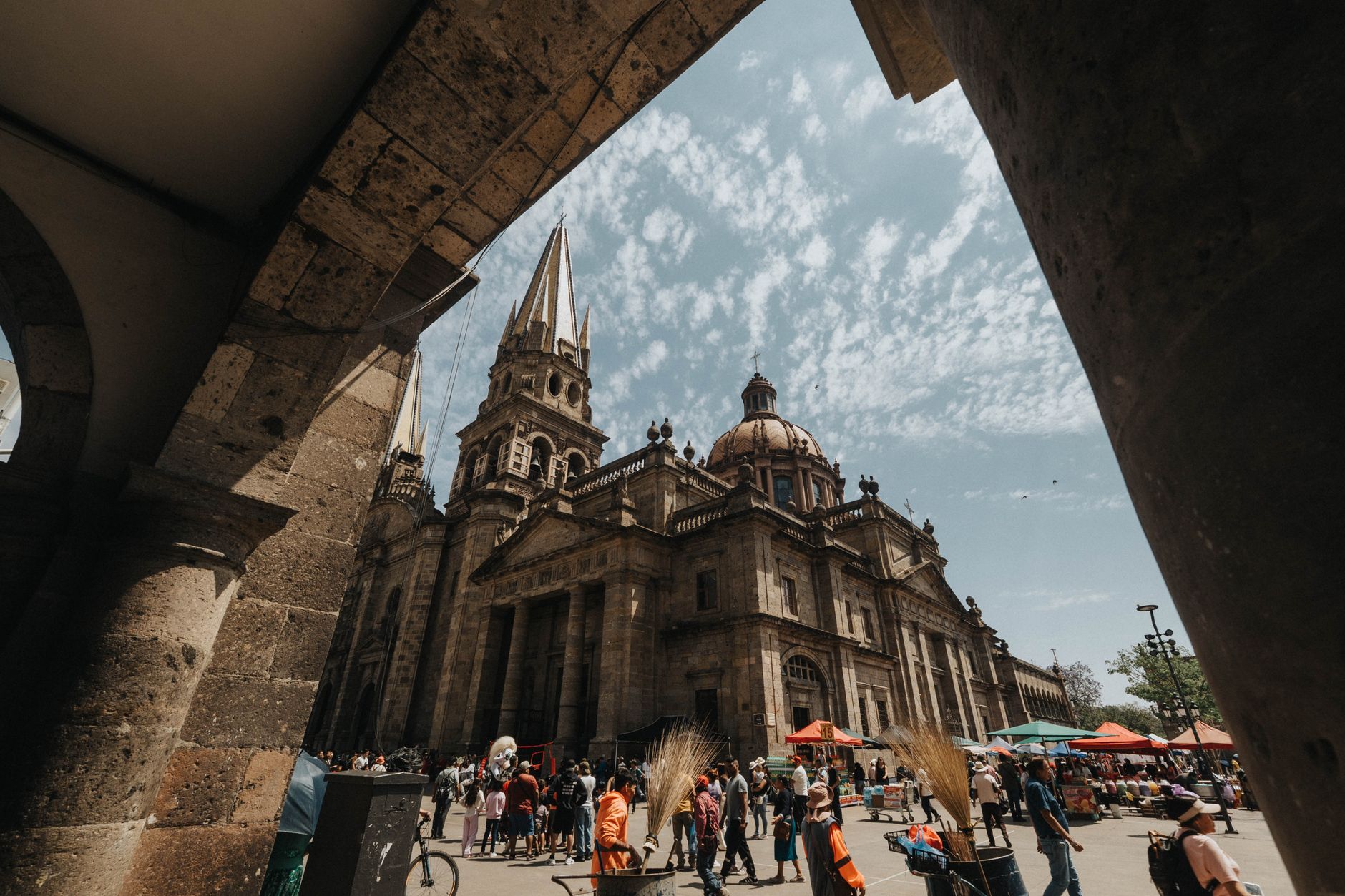
Guadalajara announces itself through contradictions you learn to read slowly. The Metropolitan Cathedral has neo-Gothic spires capped in yellow and blue Talavera mosaic — a 19th-century fix after earthquakes took the originals — rising above a grid of colonial plazas where mariachi was born and tequila country begins just to the west. This is Mexico's second city, but it carries itself without the weight of that label.
The Hospicio Cabañas, a UNESCO-listed former orphanage, holds José Clemente Orozco's ceiling murals, which stop people mid-step. Luis Barragán grew up here before he reshaped how the world thinks about space and light. Guadalajara rewards the visitor who slows down enough to notice what's actually in front of them.
💛 What travellers fall for
People who keep coming back tend to anchor themselves in the Analco or Tlaquepaque neighborhoods rather than the historic centre. The Mercado Libertad — largest indoor market in Latin America — is worth an unhurried morning. Arrive before noon, find the upper floor, and eat something from a stall rather than a sit-down spot.
How Guadalajara came to be
The city moved three times before it stayed. Cristóbal de Oñate established the first settlement in 1532 at what is now Nochistlán, Zacatecas; it shifted to a site near Tonalá in 1533, then to Tlacotán, before finally taking root in the Atemajac Valley on February 14, 1542 — the date Guadalajara counts as its founding. That same year, 126 settlers lived here and the Spanish crown granted it cityhood. Its name came from Nuño Beltrán de Guzmán's hometown in Spain.
By 1560 it was the capital of Nueva Galicia. In 1810, Miguel Hidalgo y Costilla occupied the city briefly and issued his decree abolishing slavery — one of the independence movement's most consequential acts. After independence, Guadalajara became capital of the new state of Jalisco on June 21, 1823, and has remained the region's political and cultural centre since.
Who and what shaped it
People who shaped it
Landmark buildings
See Guadalajara in motion
Plan your visit
On the map
When to go
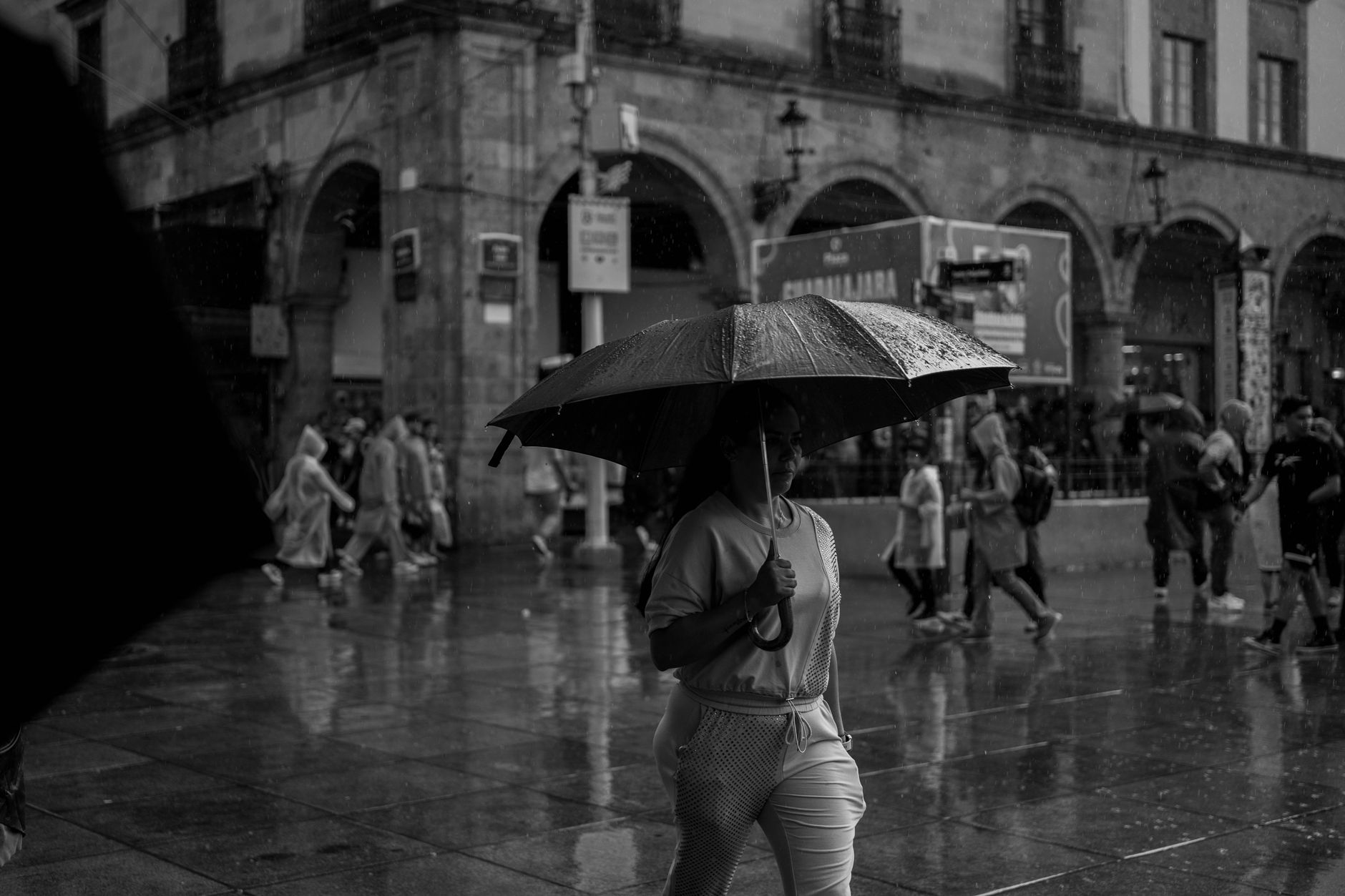
Guadalajara sits at around 1,500 metres, which keeps temperatures moderate year-round — warm days, cool nights, rarely extreme. The rainy season runs roughly June through September, with afternoon downpours that clear quickly; October through April is drier and generally the most comfortable time to visit.
Right now
Background & history adapted from Wikipedia (CC BY-SA) · specs from Wikidata (CC0) · weather from Open-Meteo · map data © OpenStreetMap contributors · photos from Wikimedia Commons / Unsplash with per-image credit. No third-party reviews or social posts reproduced.