
Graz
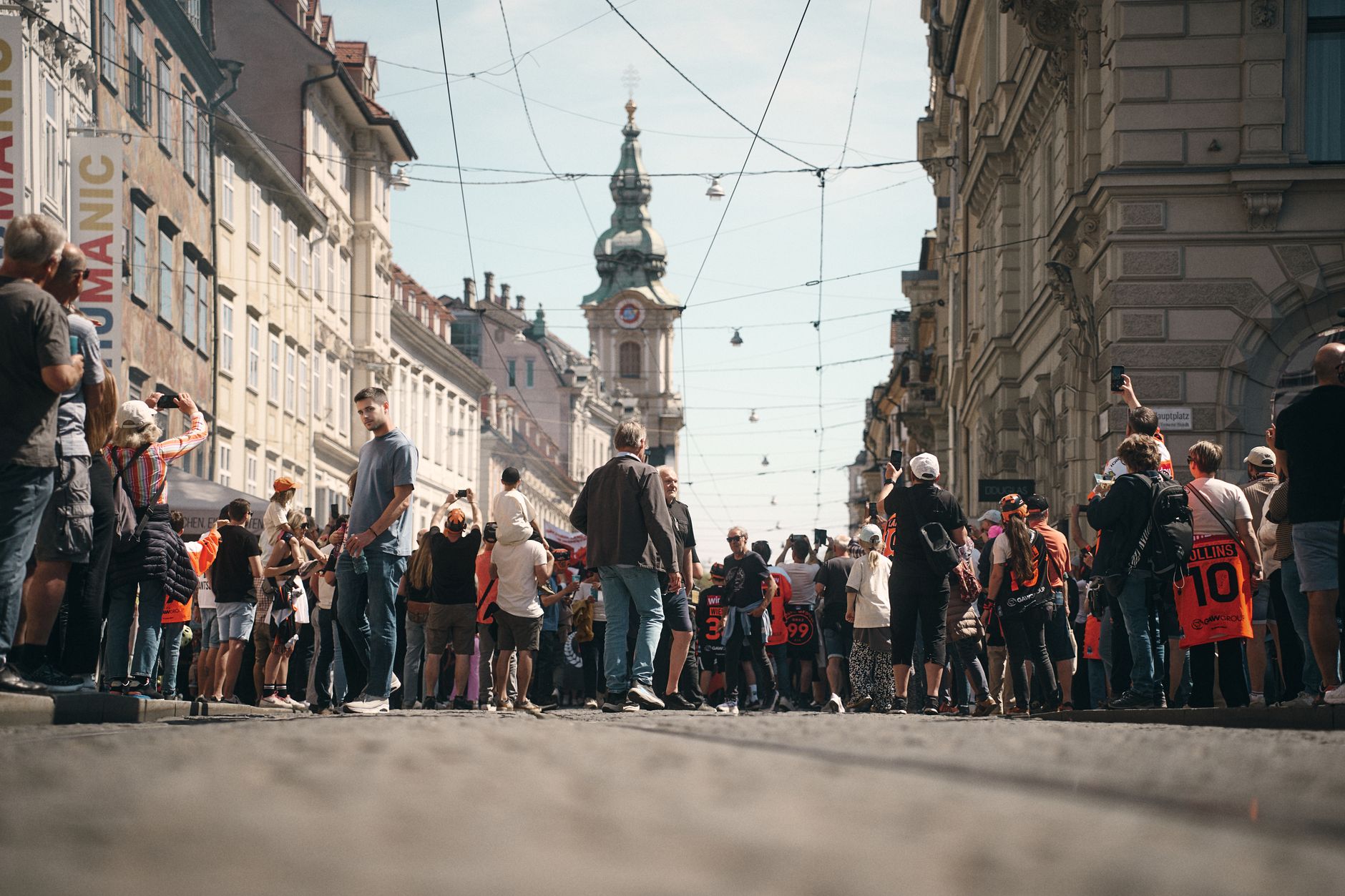
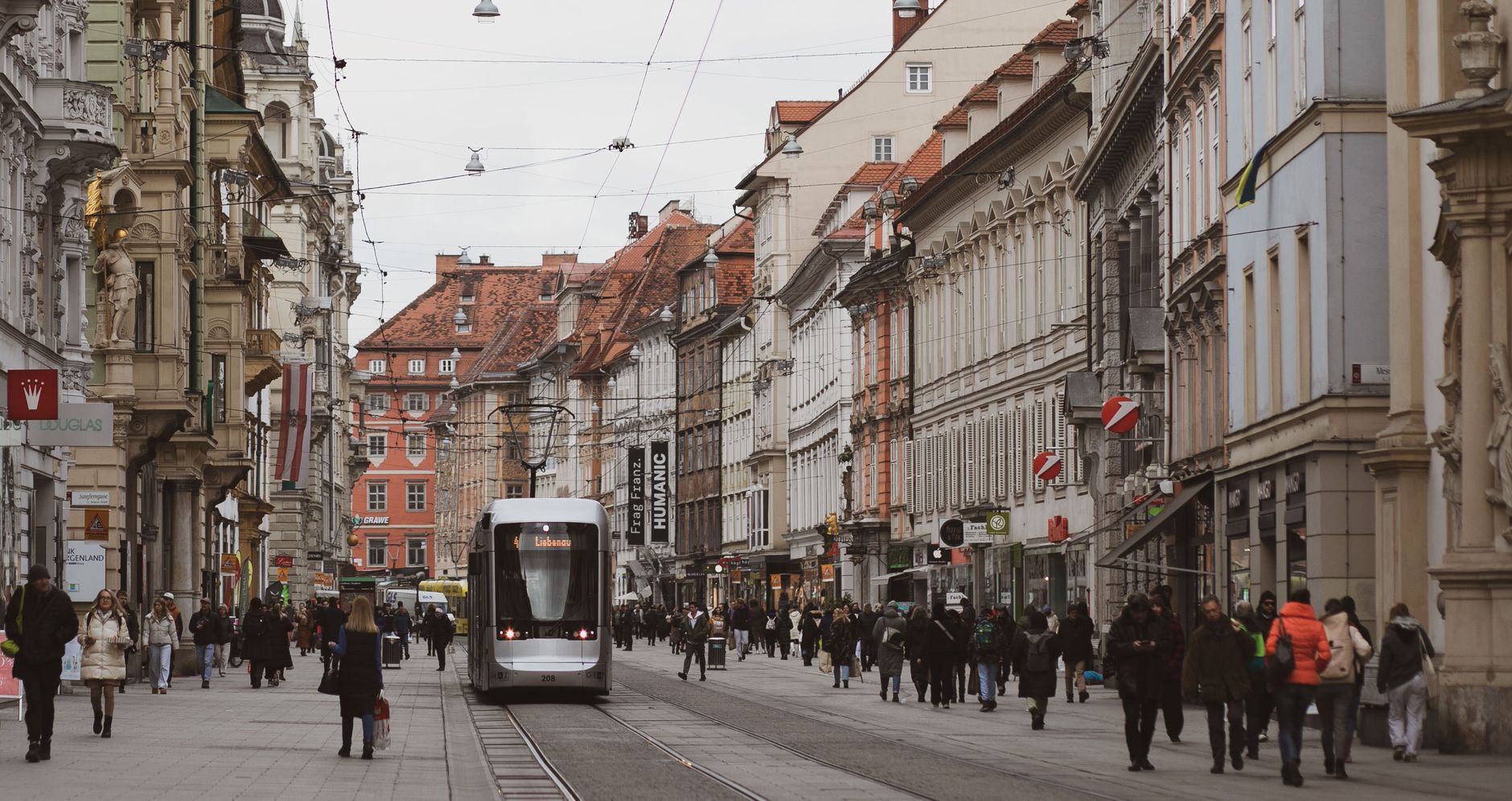
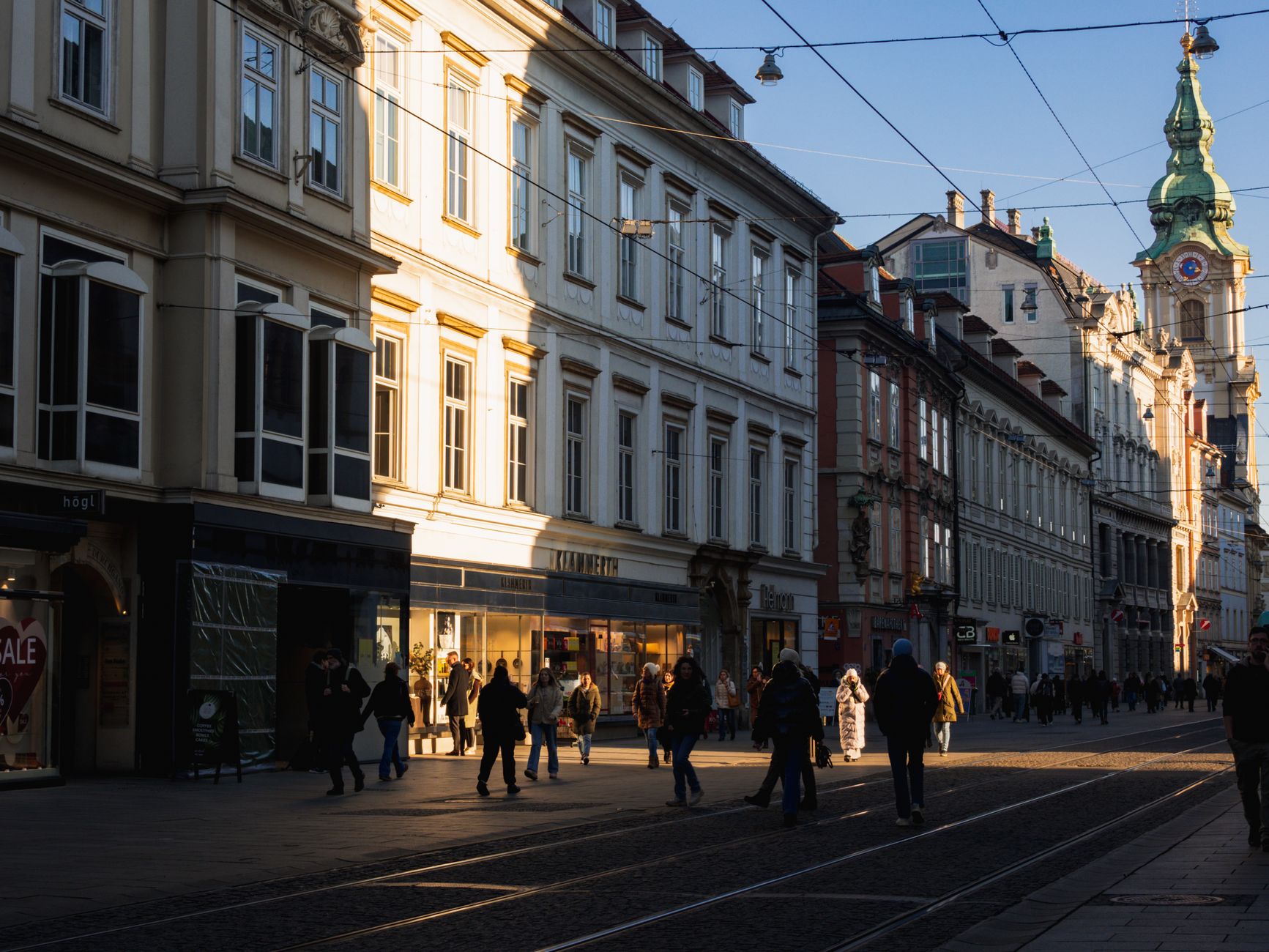
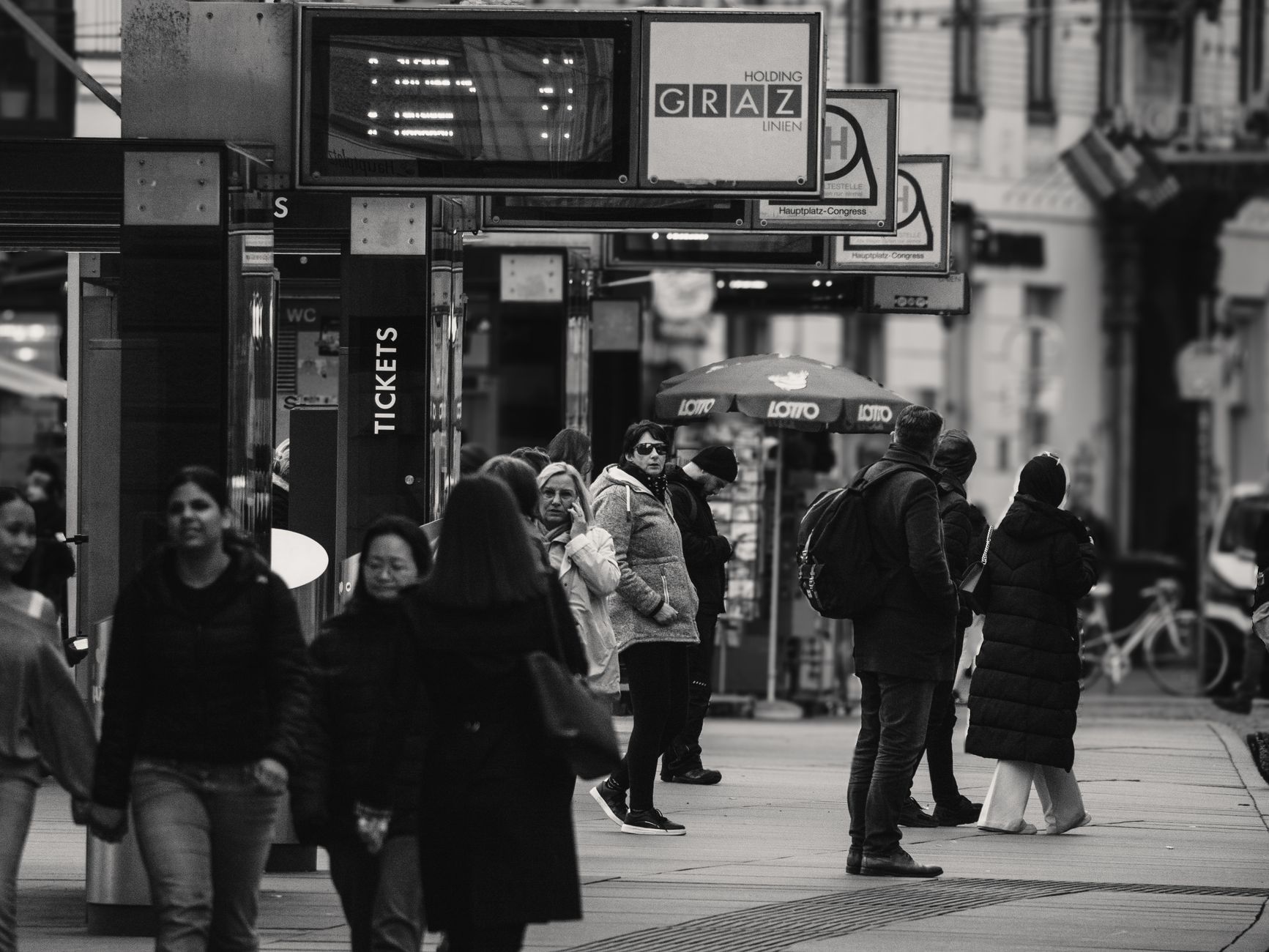
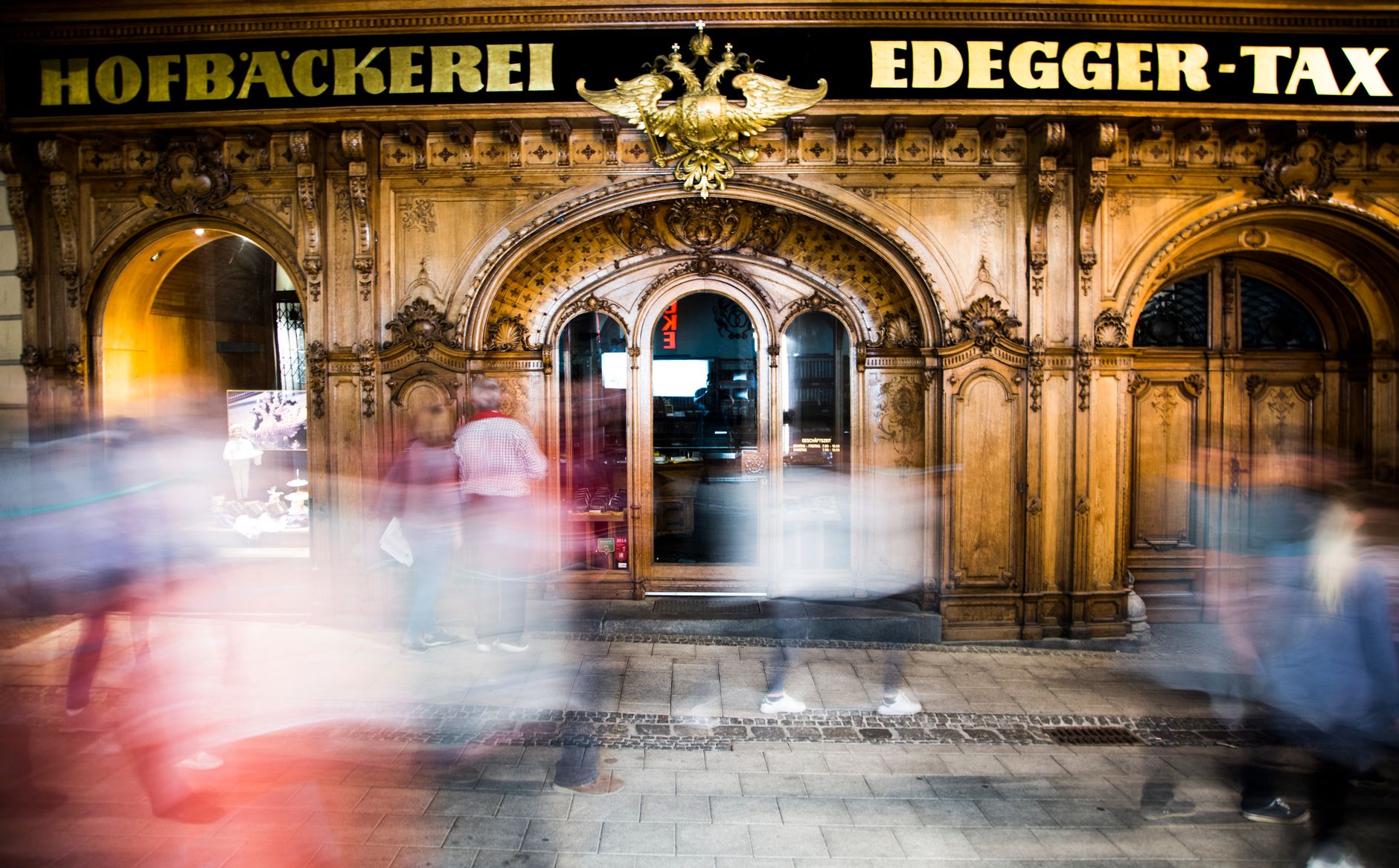
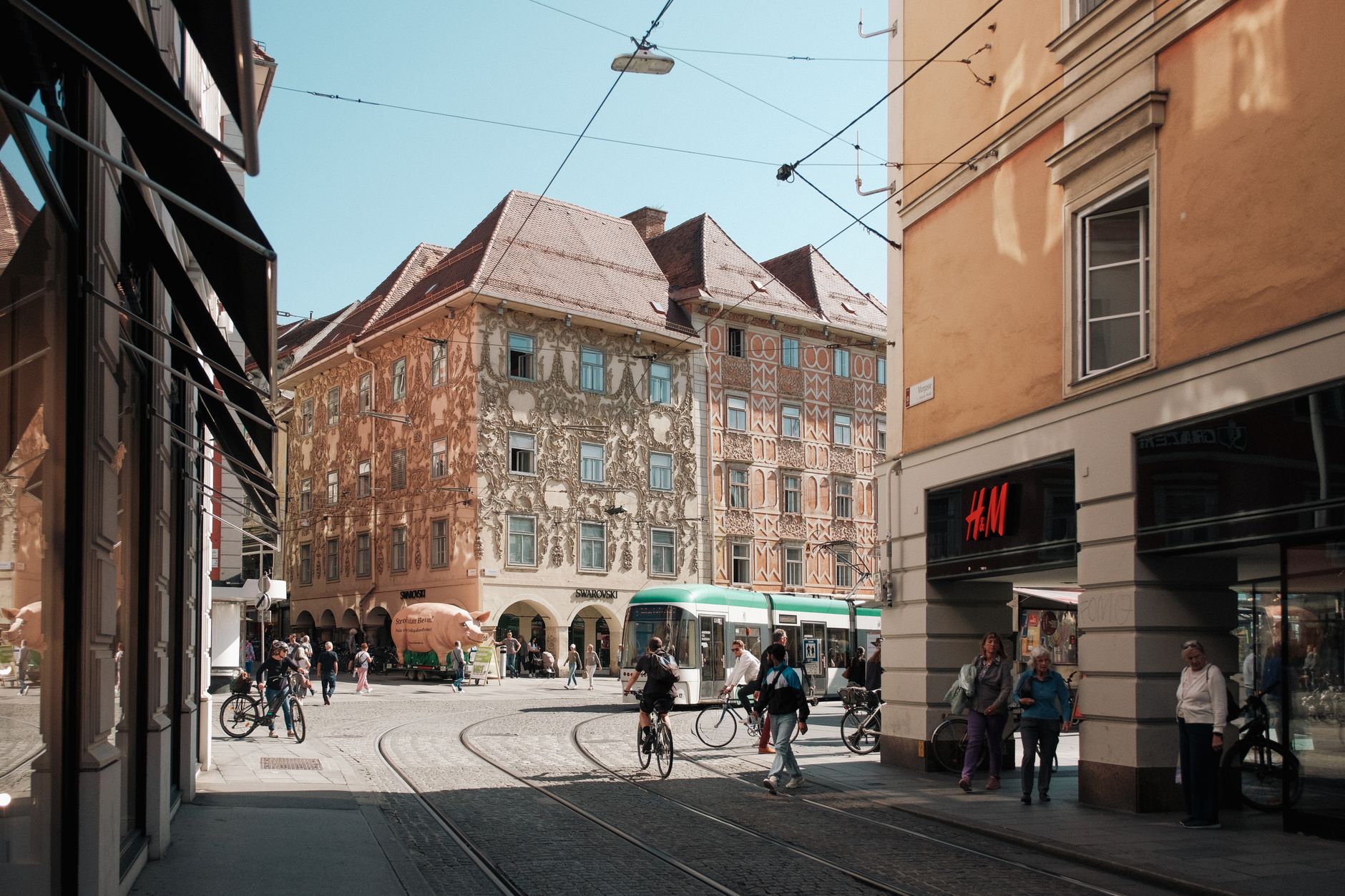
Graz earns its reputation quietly. The Uhrturm clock tower watches over a roofscape of terracotta and copper from its perch on the Schlossberg, while down in the old town the Landhaus courtyard — three tiers of Renaissance arcades built in 1557 — catches afternoon light in a way that stops you mid-step. This is Austria's second-largest city, yet it moves at a different pace than Vienna, more concerned with its university crowds and its food markets than with performing itself for visitors.
The city holds a UNESCO World Heritage designation for its historic centre, and the 2003 European Capital of Culture year left two striking additions on the River Mur: the bubble-like Kunsthaus and the floating steel platform of the Murinsel. Old and new sit closer together here than in most Austrian cities.
How Graz came to be
Graz first appears in documents around 1128–29 as a fortified settlement, received town rights around 1240, and by 1281 had won special privileges from King Rudolf I. Its real elevation came in 1379 when the Leopoldine branch of the Habsburgs made it their residence, and for a long period Graz functioned as the capital of Inner Austria — the birthplace and seat of Ferdinand II, who would become Holy Roman Emperor.
That Habsburg patronage shaped the city's architecture and intellectual life. Archduke Charles II founded the university in 1585. Johannes Kepler taught here from 1594 to 1600 and wrote Mysterium Cosmographicum while in the city. Nikola Tesla studied electrical engineering here. The Baroque architect Johann Bernhard Fischer von Erlach was born in Graz in 1656. The layers are still legible in the streets.
Who and what shaped it
People who shaped it
Landmark buildings
See Graz in motion
Plan your visit
On the map
When to go
Summers are warm and well-suited to the outdoor markets and the Schlossberg gardens, though afternoon thunderstorms are common in July and August. January averages just below freezing, and the city sees proper winter cold, so pack accordingly if you visit between November and March.
Right now
Background & history adapted from Wikipedia (CC BY-SA) · specs from Wikidata (CC0) · weather from Open-Meteo · map data © OpenStreetMap contributors · photos from Wikimedia Commons / Unsplash with per-image credit. No third-party reviews or social posts reproduced.