
Grand Trianon
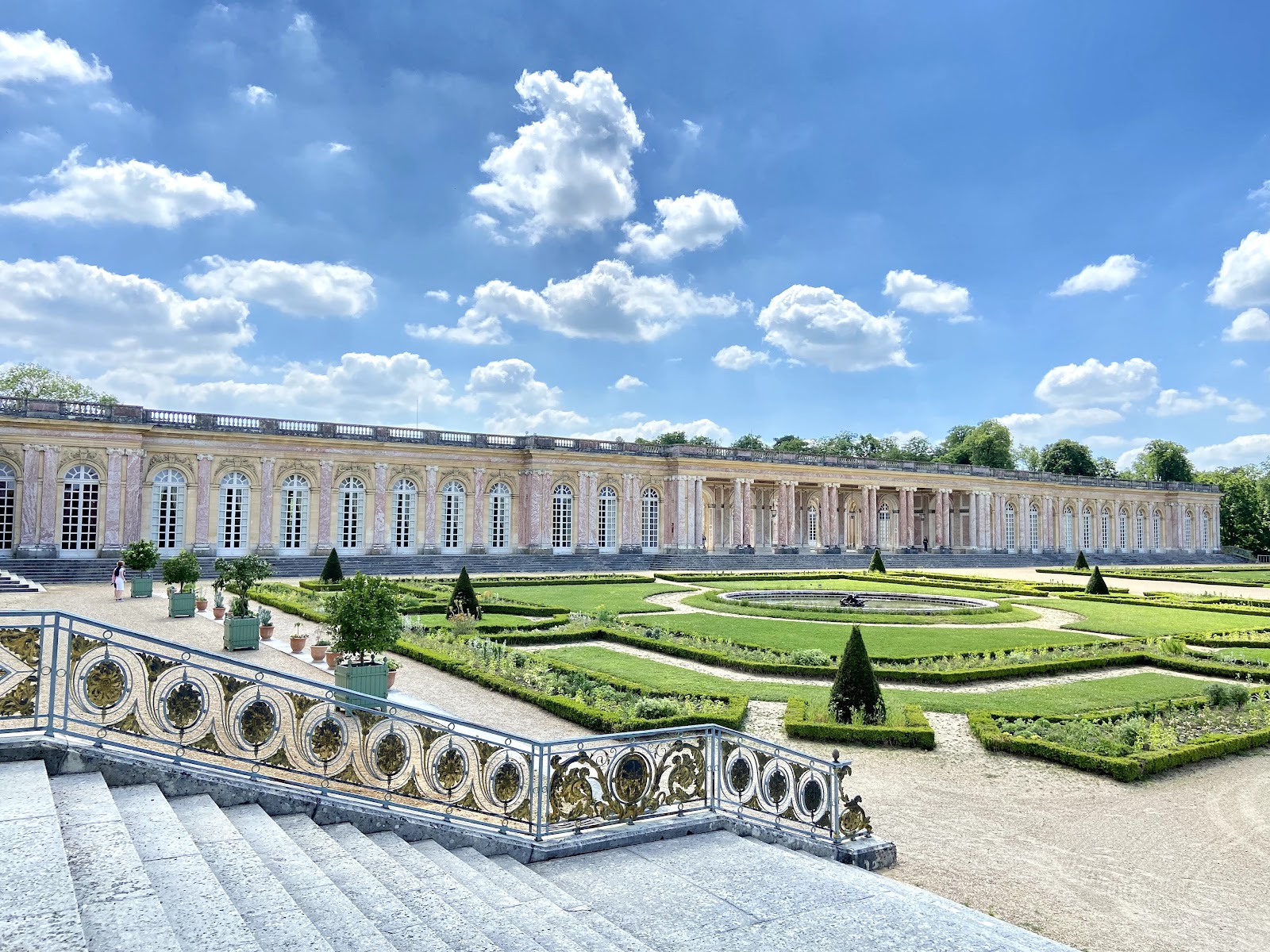
The first thing you notice is the colour: a long, low facade of pink-veined marble from Languedoc, warm against the pale Île-de-France sky. Louis XIV wanted a place to escape the ceremony of his own court, and the Grand Trianon — single-storeyed, open to the garden on both sides, connected by a sheltered colonnade called the Peristyle — still reads as a building that turns its back on formality.
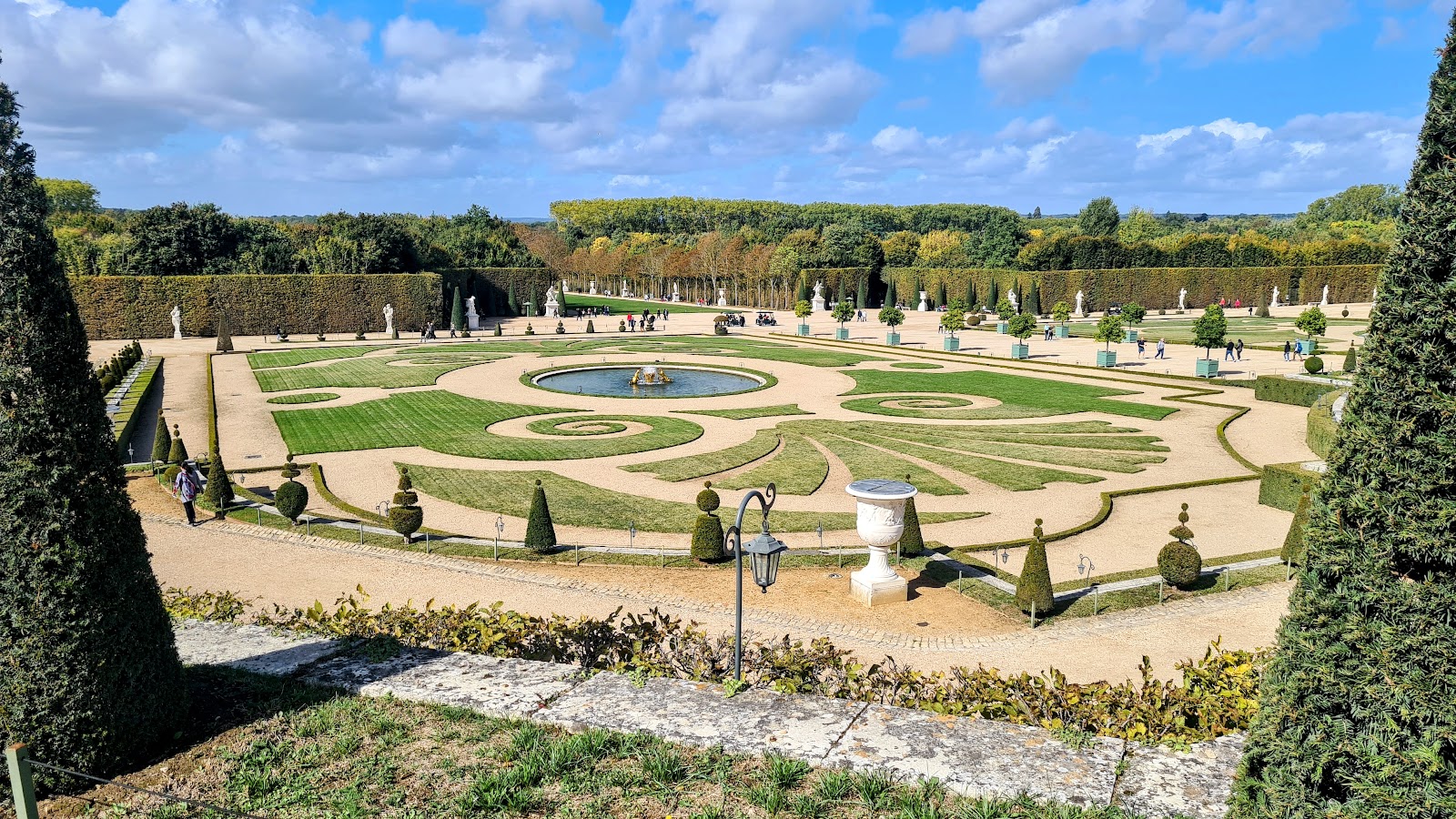
The flowerbeds that once held tens of thousands of aromatic plants, changed out daily so the king always walked among blooms, are quieter now, but the proportions and the marble remain exactly as Jules Hardouin-Mansart left them in 1688.
💛 What travellers fall for
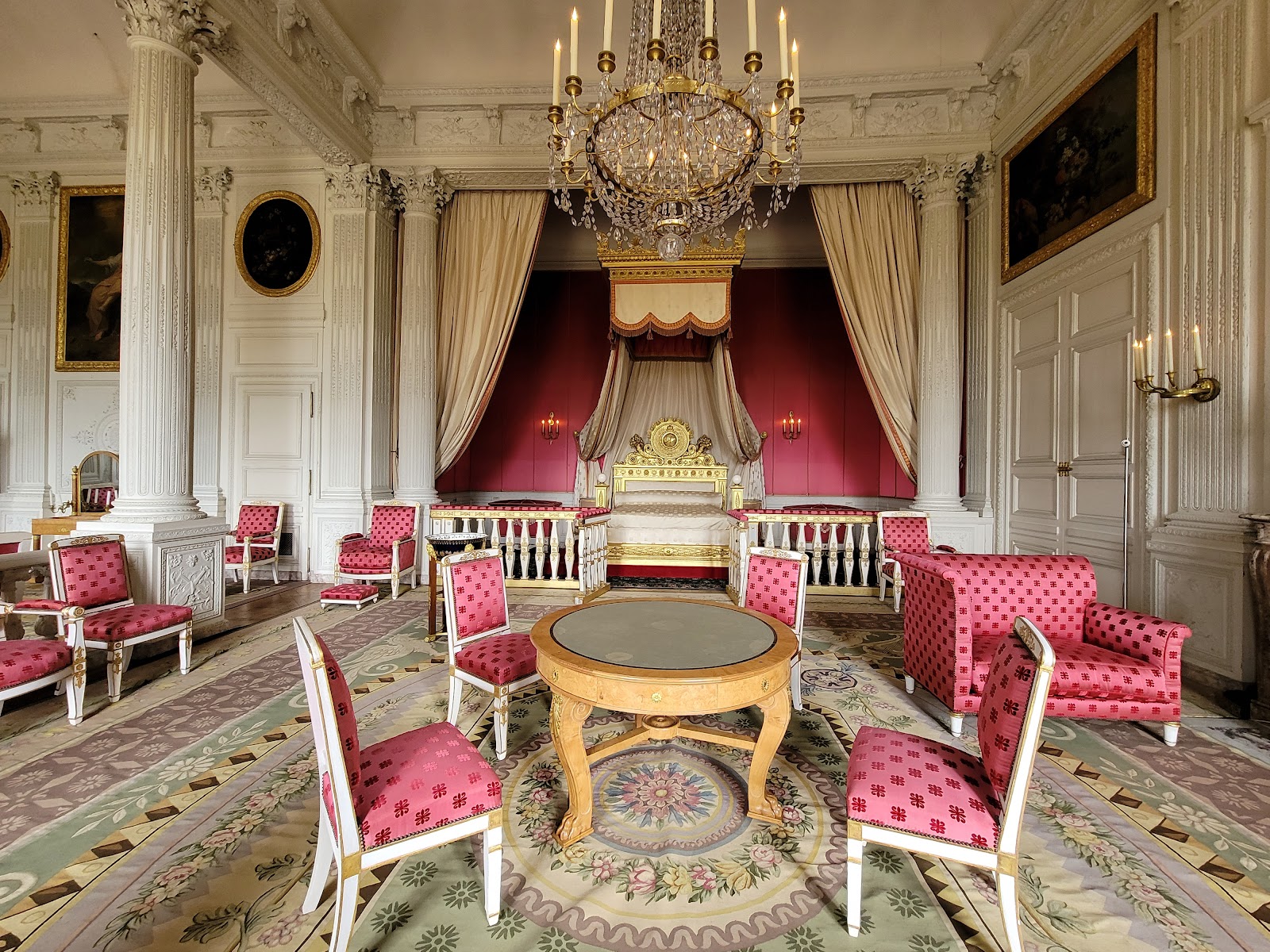
People who come back tend to head straight for the Galerie — nearly 30 metres of windows looking onto the garden — before the tour groups arrive at noon. The Empire-period furniture Napoleon installed sits surprisingly well in rooms designed for a Sun King, and that collision of tastes is what most visitors end up talking about afterward.
The story behind Grand Trianon
Louis XIV first commissioned a porcelain-tiled pavilion on this site in 1670 — a retreat tied partly to his affair with Madame de Montespan. That structure lasted barely sixteen years before he had it demolished and replaced. Jules Hardouin-Mansart began the current marble building in June 1687; it was finished and inaugurated, with Madame de Maintenon at the king's side, by the summer of 1688. Hardouin-Mansart added the Trianon-sous-Bois wing shortly before his death in 1708.
The palace has absorbed the imprint of nearly every subsequent regime. Peter the Great slept here in 1717. Napoleon refurnished it in the Empire style and made it a working residence. In 1920 its rooms hosted the signing of the Treaty of Trianon. De Gaulle restored the building in 1963 and converted the north wing into a presidential residence used for visiting heads of state.
Good to know
The Grand Trianon opens at noon daily except Mondays (5.30 pm close November–March, 6.30 pm April–October); closed 25 Dec, 1 Jan and 1 May. Tickets are €15 (€12 for EEA residents). It's a 25-minute walk northwest through the Gardens of Versailles, or a short ride on the petit train.
Where is Grand Trianon?
More tickets & tours for Grand Trianon
Book directly at the provider
What travellers say about Grand Trianon
It’s a lovely little castle. But it’s only worth a visit if there isn’t a massive queue, as there’s a separate queue here from Versailles! We waited for an hour and a half in the rain just to get inside. So we were absolutely exhausted from the wait, but there was nothing particularly magical about it. If you’ve already visited Versailles and the Grand Gardens, you can give this place a miss
Le Grand Trianon is a hidden gem within the Versailles estate. It’s not very big, but that’s exactly what makes it so special. The palace feels elegant, peaceful, and far less crowded than the main château. Its pink marble architecture, beautiful symmetry, and refined interiors create a very charming atmosphere. It’s easy to explore, and every room feels carefully preserved and full of history. If you want a quieter, more intimate experience of Versailles, the Grand Trianon is absolutely worth visiting.
Definitely suggest coming out to see the Grand Trianon. The gardens were beautiful, especially the flower garden that was blooming like crazy still in October. The interior is also very pretty and since it’s on such a much smaller scale, it’s easier to get to really look at everything.
I went on a weekend so it was very packed. In order to enter the Château and the grand Trianon I booked the passport ticket which cost €24€. It’s best to book your tickets in advance, especially during peak times and weekends. It’s nice to visit all the locations and exhibits and in order to reach this location during the winter. It’s a good idea to take the train in which costs nine euros. this location opens at noon so you can go visit it before the Château if your time slot is later which I did.
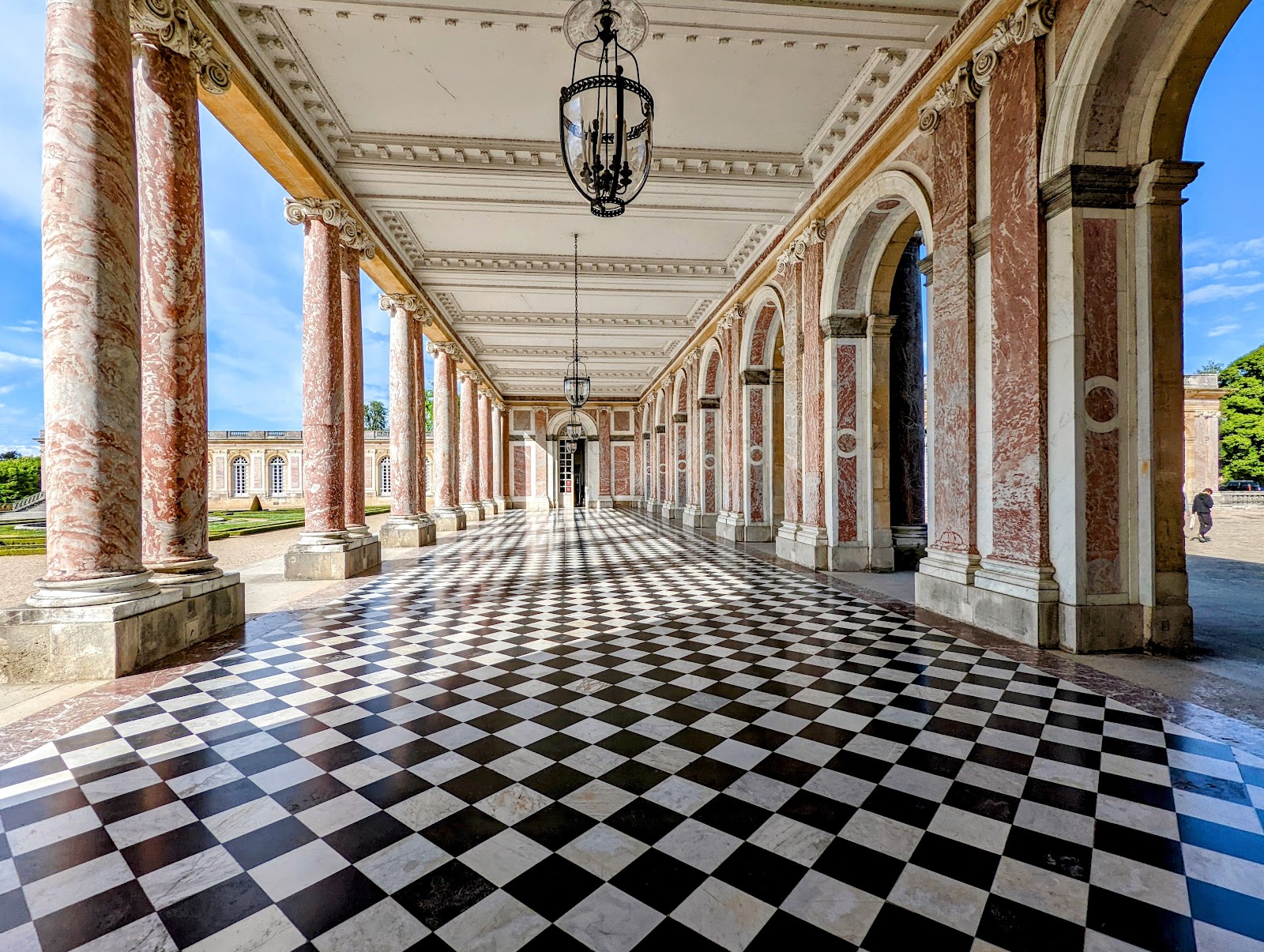
The Grand Trianon is, quite simply, the most elegant "escape" ever conceived. While the main Palace of Versailles is a masterclass in power and public spectacle, the Grand Trianon is where the monarchy went to exhale—and it remains one of the most breathtaking examples of French Baroque architecture in existence. Here is why this "palace of flora and marble" remains an absolute crown jewel: Architectural Perfection in Pink The first thing that strikes you is the Languedoc pink marble. The way the delicate rose-colored stone catches the afternoon sun creates a warmth that the main palace lacks. Designed by Jules Hardouin-Mansart, the proportions are flawless. It manages to feel grand without being intimidating, and intimate without being small. The Peristyle: An Open-Air Masterpiece The highlight of the estate is undoubtedly the Peristyle—the magnificent open-air gallery that connects the two main wings. Standing there, you are treated to a stunning visual bridge: • To one side: The vibrant, meticulously manicured parterre gardens. • To the other: The expansive courtyard and the path leading back to the main estate. It creates a sense of "indoor-outdoor" living that was centuries ahead of its time, allowing the fragrance of the thousands of flowers to drift through the columns.
More of Versailles
Discover where to stay, what to do and the best deals for your trip.
Explore Versailles →More attractions in Versailles
All of Versailles →
Background adapted from Wikipedia (CC BY-SA) · map data © OpenStreetMap contributors · ratings & place photos via Google · other photos with per-image credit. Ticket links may earn us a commission at no extra cost to you.