
Gion
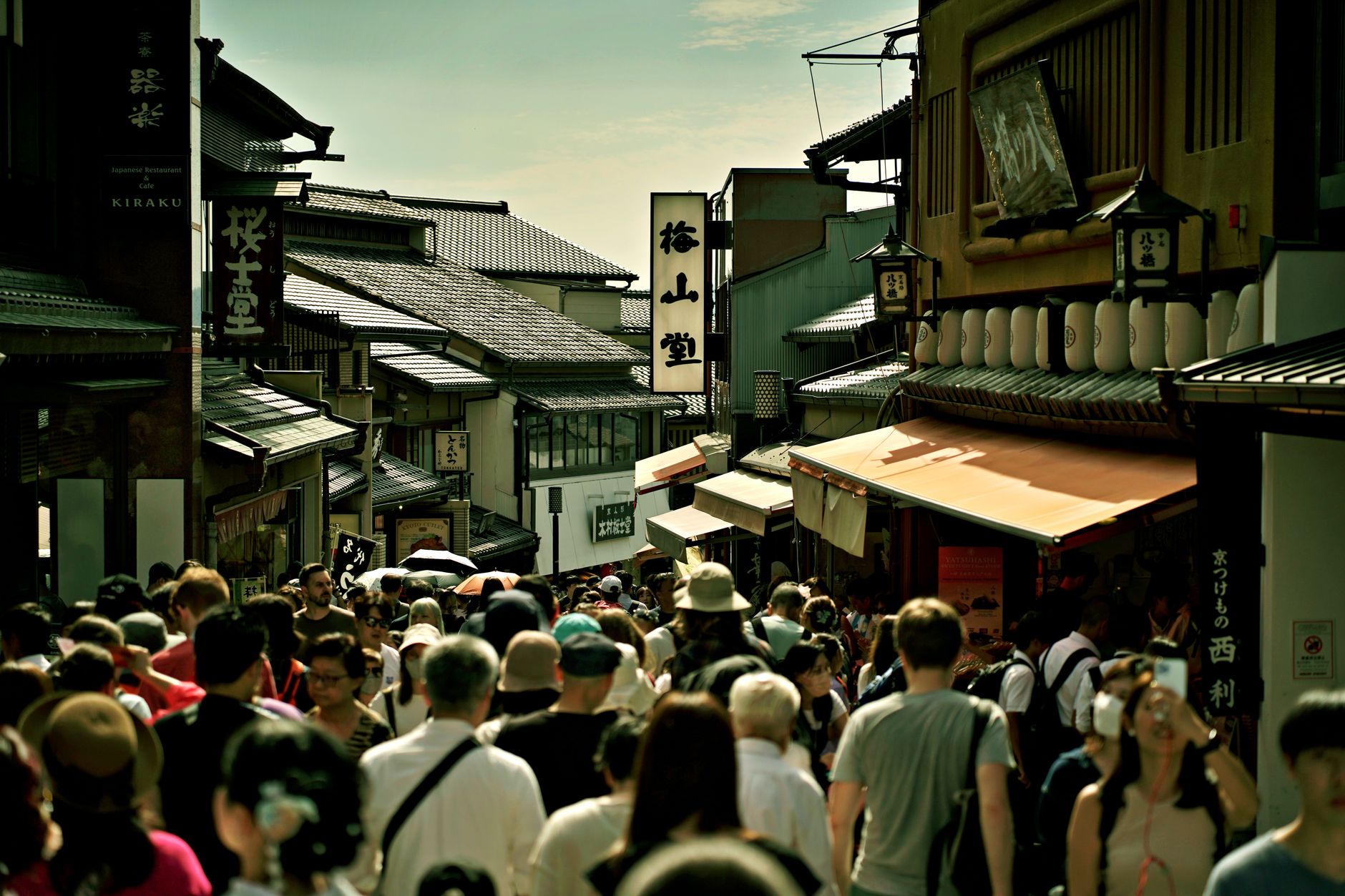
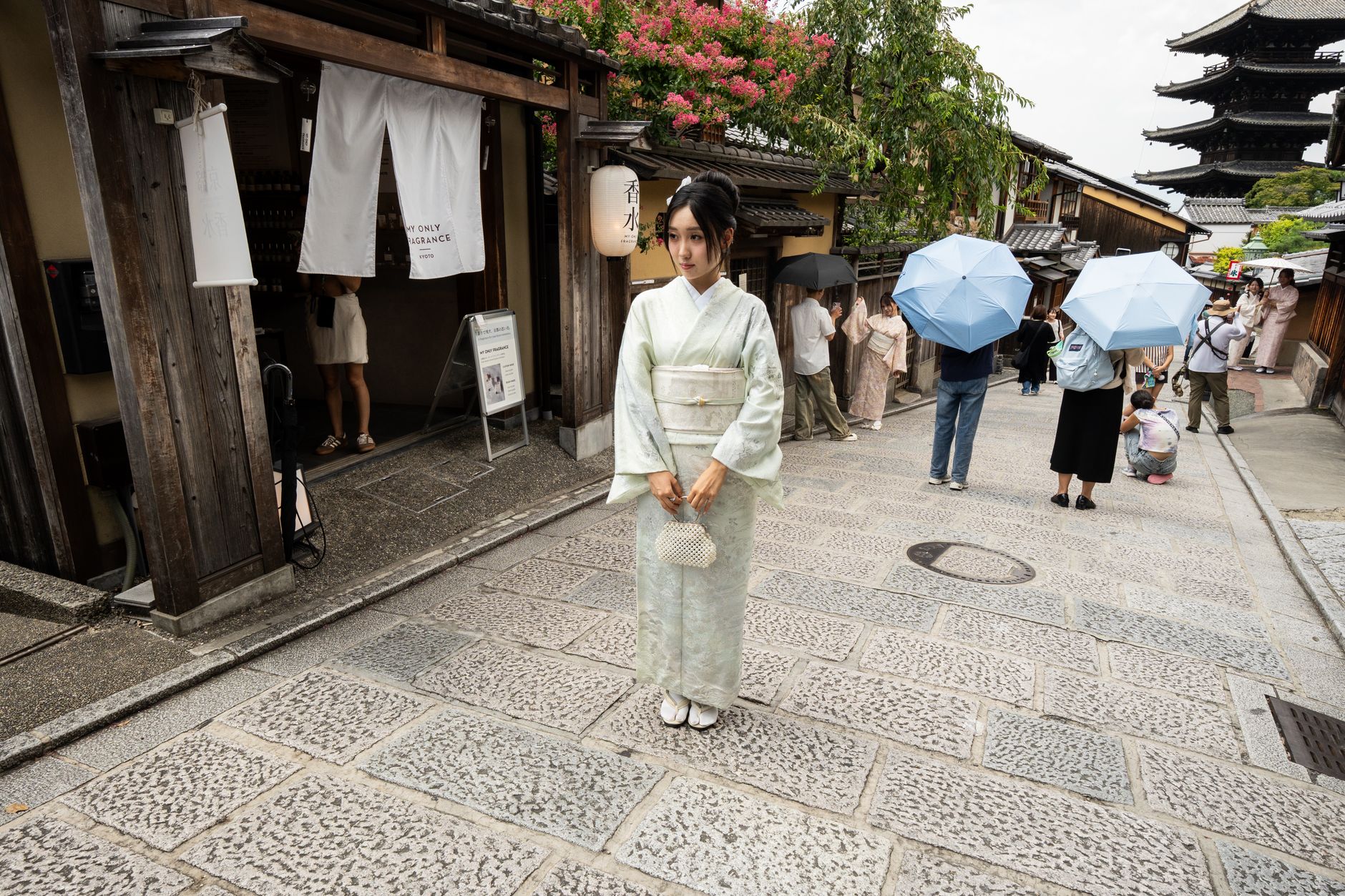
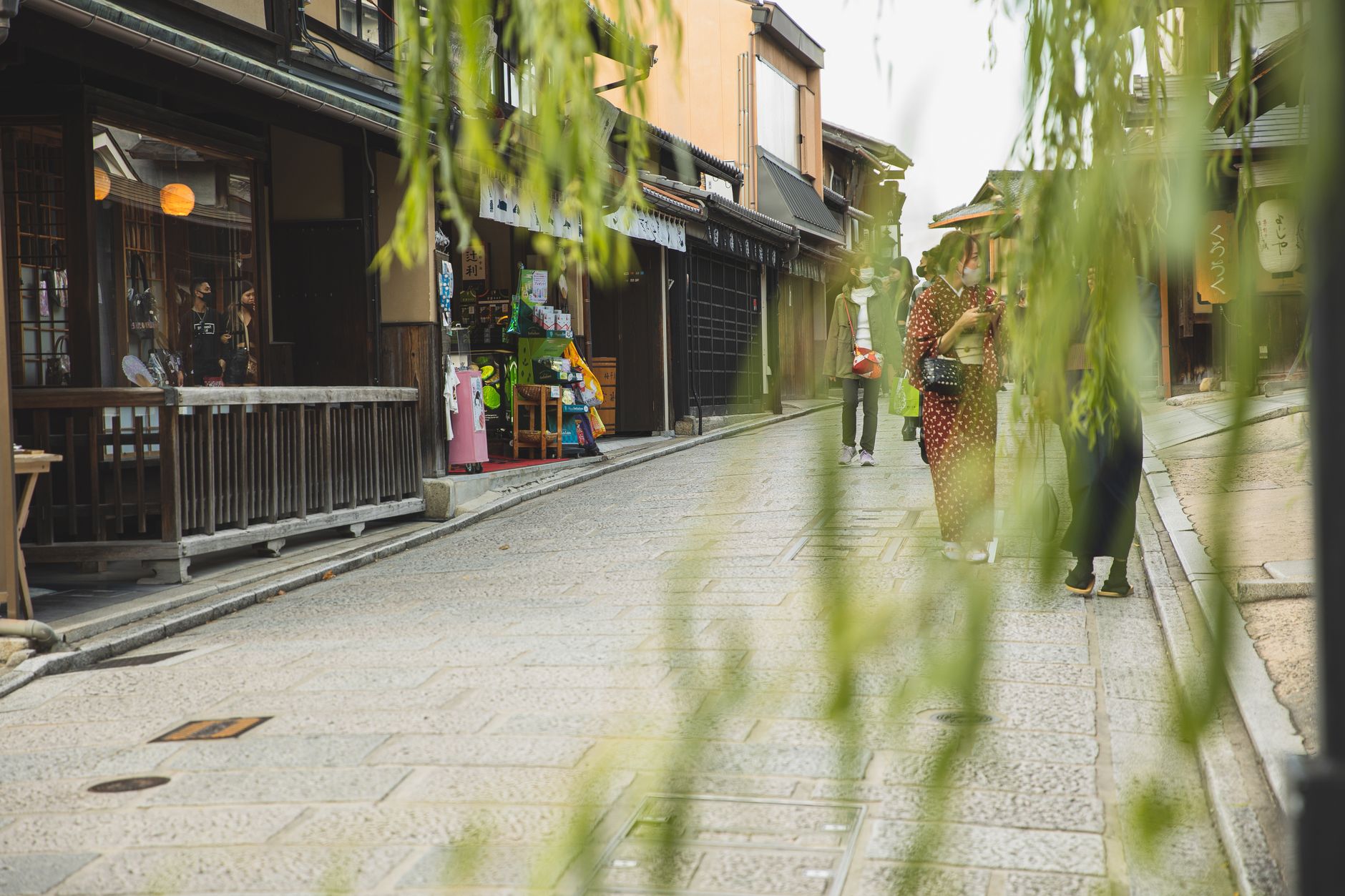
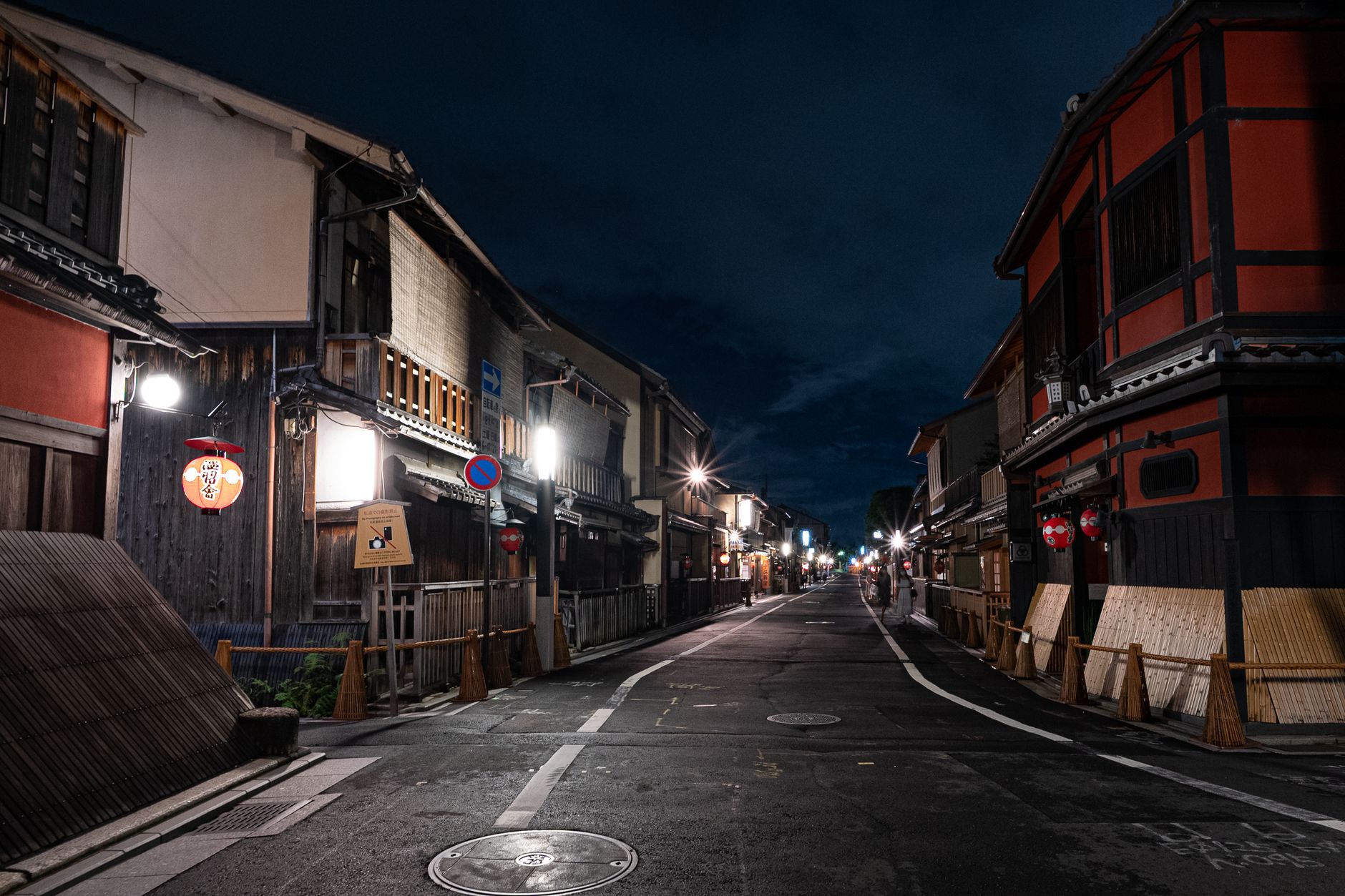
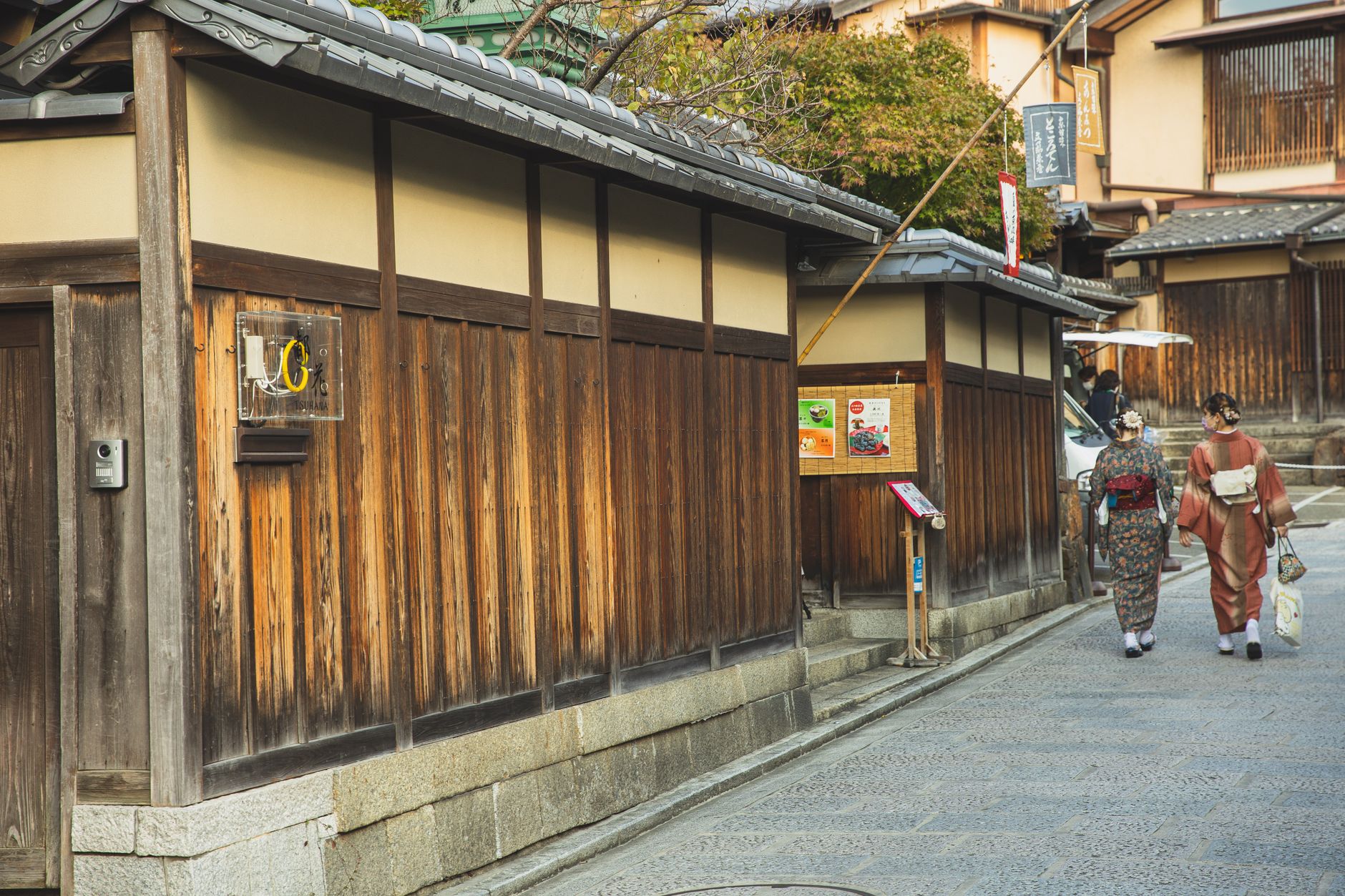
Walk south down Hanamikoji Street on a weekday evening and you'll notice the cobblestones were only laid in 2001 — the power lines went underground the same year, leaving the facades of the ochaya teahouses uninterrupted against the sky. That deliberate act of restoration says something about Gion: this is a district that has been consciously tended, argued over, and protected for centuries.
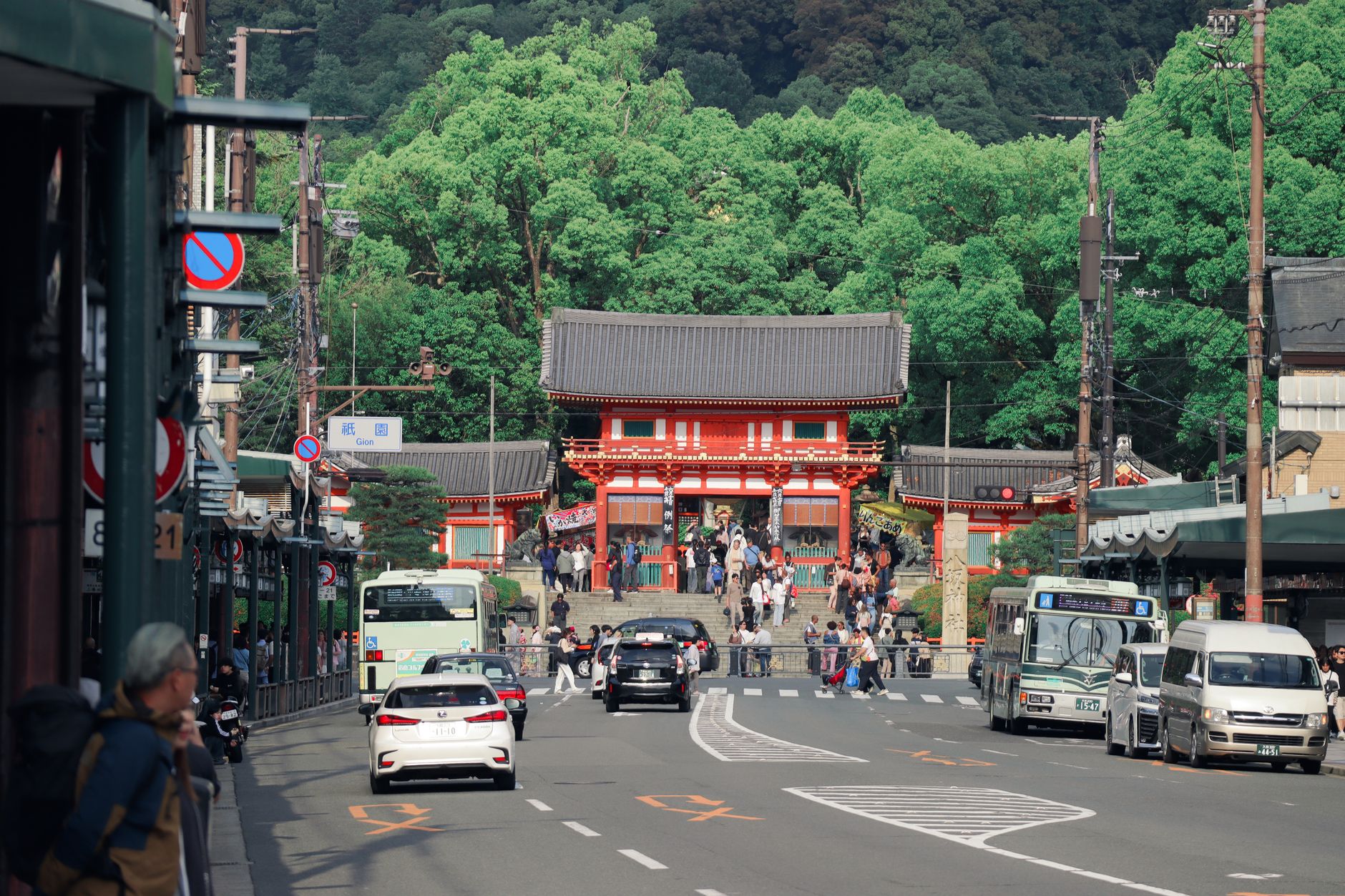
Gion grew up in the shadow of Yasaka-jinja Shrine, its original purpose simply to house the pilgrims who arrived there. Over time it became the most storied entertainment district in Japan, and the place where the geiko and maiko culture of Kyoto is still practiced — not as performance, but as a living profession.
💛 What travellers fall for
People who return tend to arrive early morning, before the tour groups, and walk the Shirakawa River lane when the cherry trees are bare — the architecture reads more clearly without the crowds. They also mention Kennin-ji as the one temple that earns its entrance fee: the Twin Dragons ceiling painting stops most visitors mid-step.
Deals in Gion
Book directly at the provider
How Gion came to be
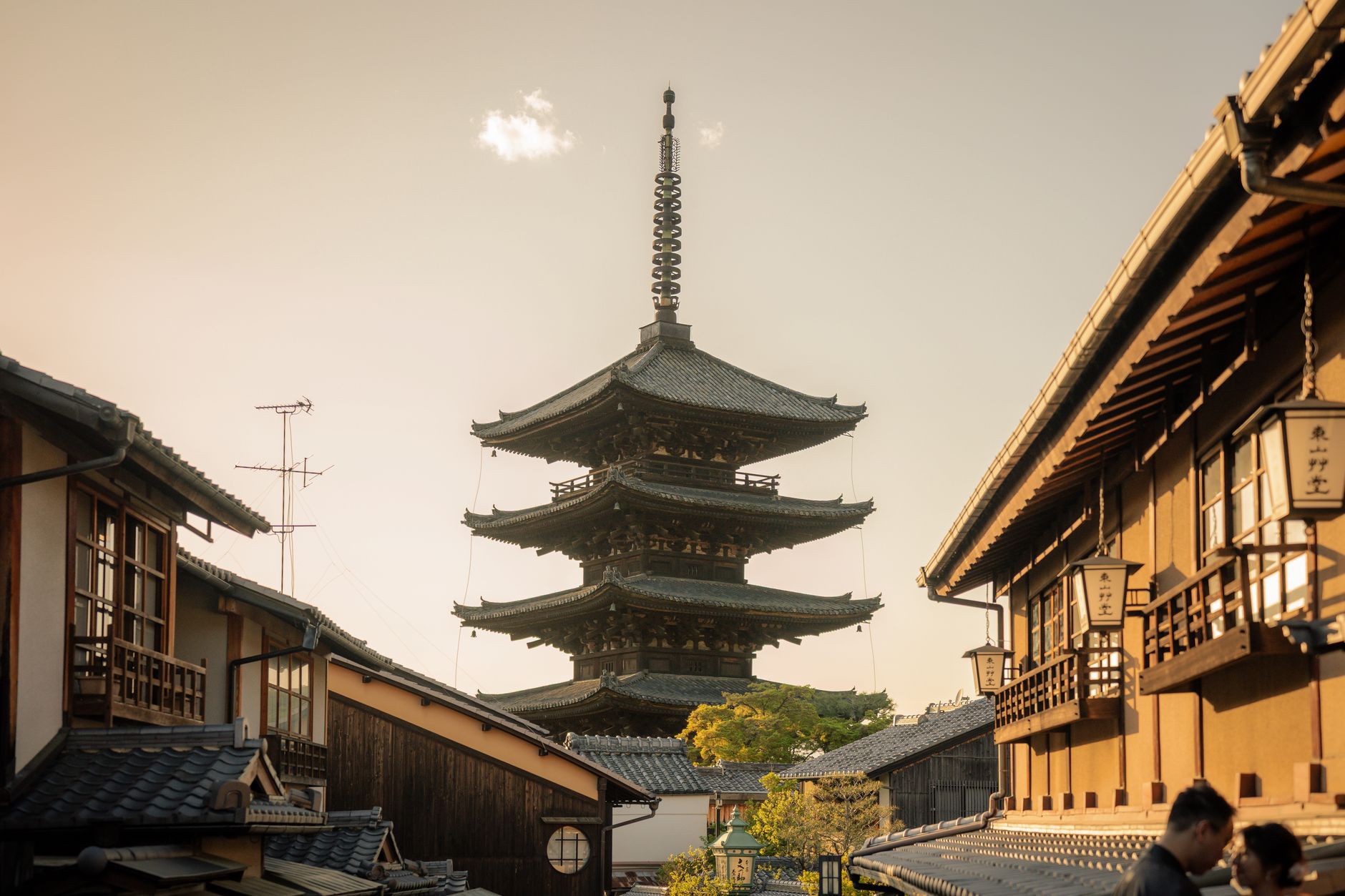
Gion's story begins more than 1,300 years ago with Yasaka-jinja Shrine, but the district as a place of commerce and entertainment took shape in the late 14th century, when teahouses began clustering around the shrine to serve its pilgrims. Official permission to develop formal teahouse quarters came in 1732, and through the Edo period Gion became synonymous with geisha culture across Japan.
Most of those early structures were lost in the Great Fire of 1864. What you see now is largely Meiji-era reconstruction: Hanamikoji Street was established in that period, and Gion Kobu and Gion Higashi split into their current separate districts in 1881. In 1974, Kyoto City designated Gion a special preservation area — the underground cabling and cobblestones followed in 2001.
Who and what shaped it
People who shaped it
Landmark buildings
See Gion in motion
Plan your visit
On the map
When to go
Spring (March to May) is the most comfortable season, with mild temperatures and cherry blossoms along the Shirakawa River in full effect. Summer runs hot and humid, with July highs regularly reaching 33°C — Gion Matsuri fills the entire month, so factor in both the heat and the crowds.
Right now
Background & history adapted from Wikipedia (CC BY-SA) · specs from Wikidata (CC0) · weather from Open-Meteo · map data © OpenStreetMap contributors · photos from Wikimedia Commons / Unsplash with per-image credit. No third-party reviews or social posts reproduced.