
Ginza
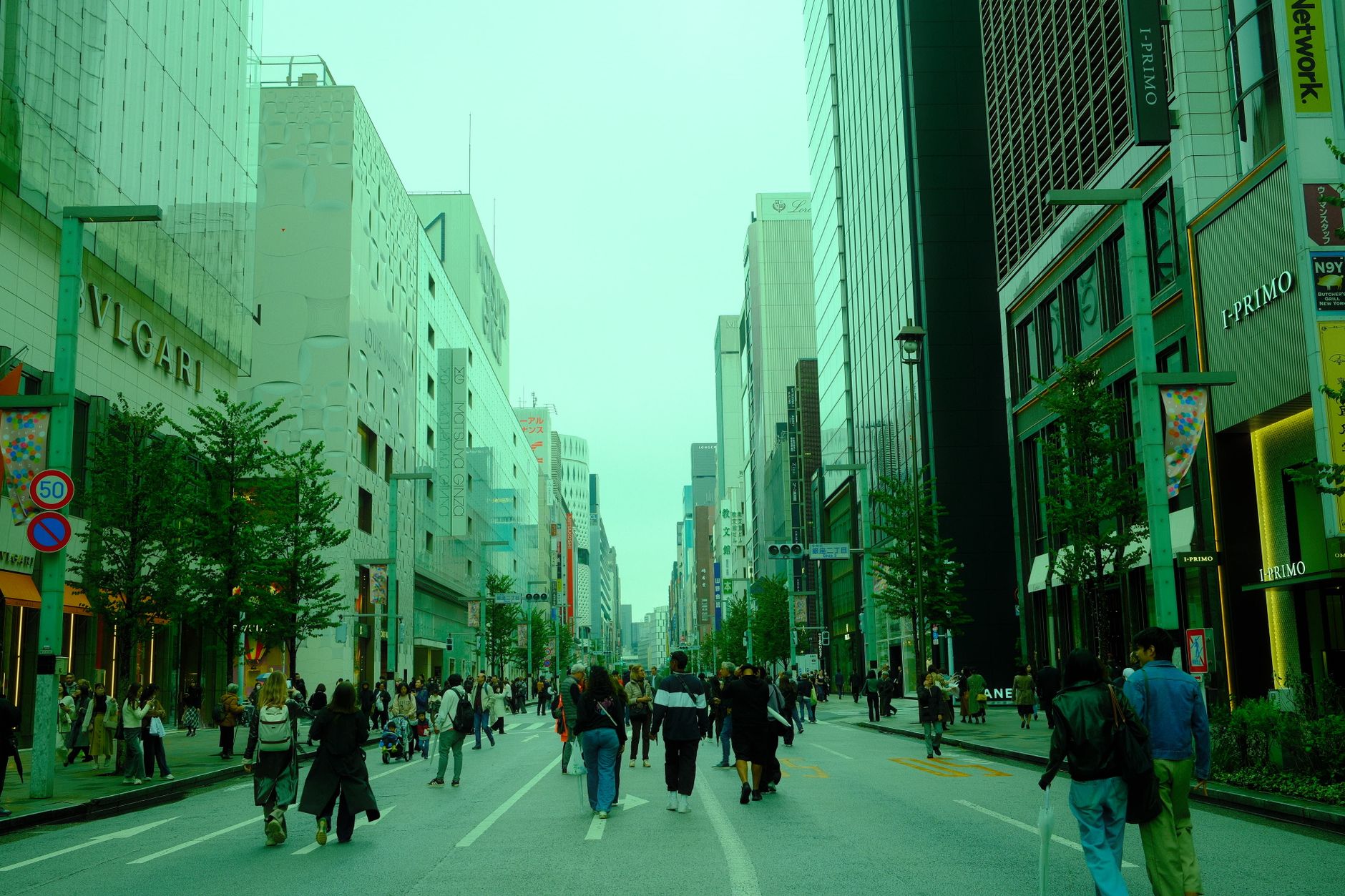
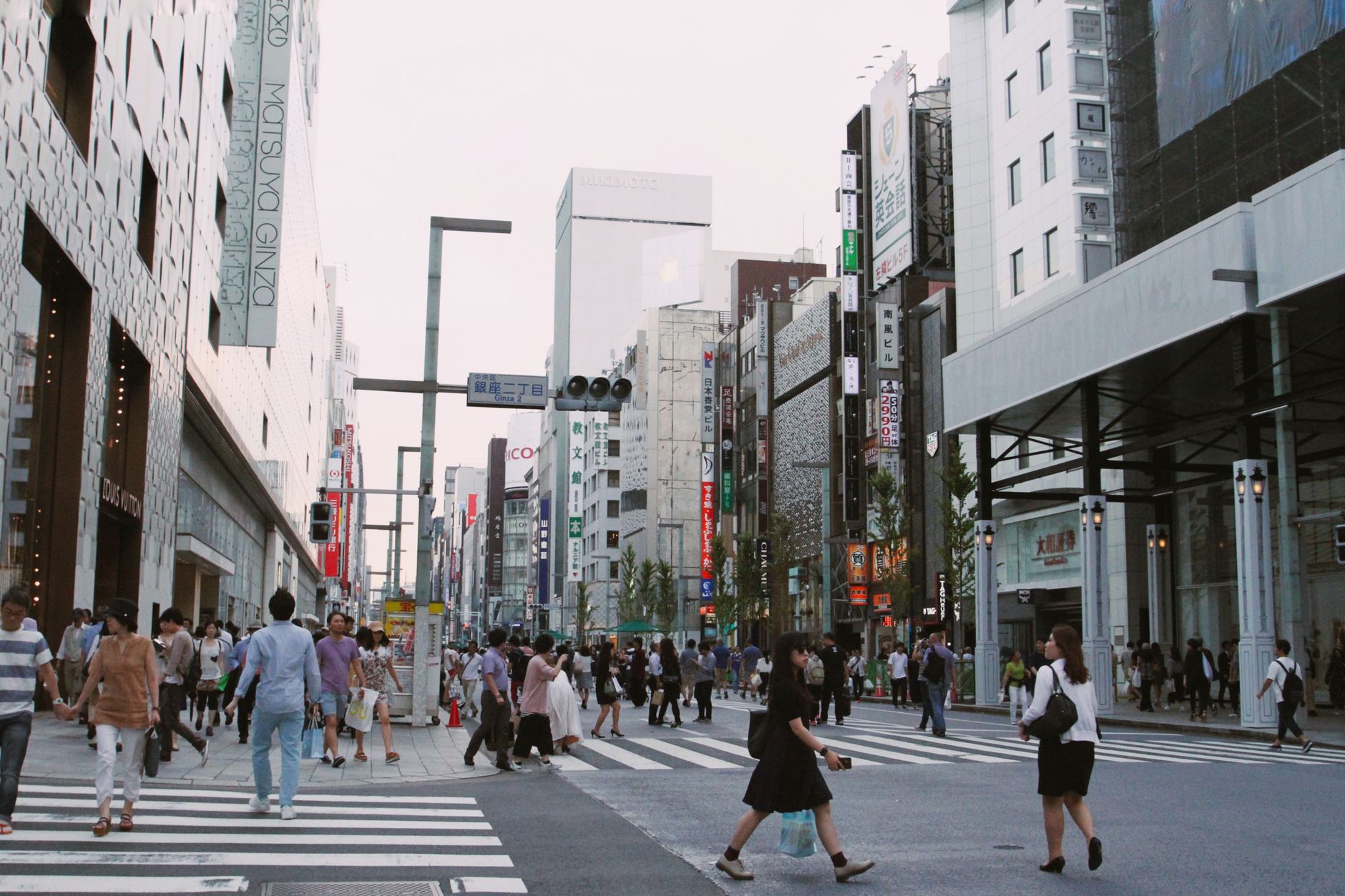
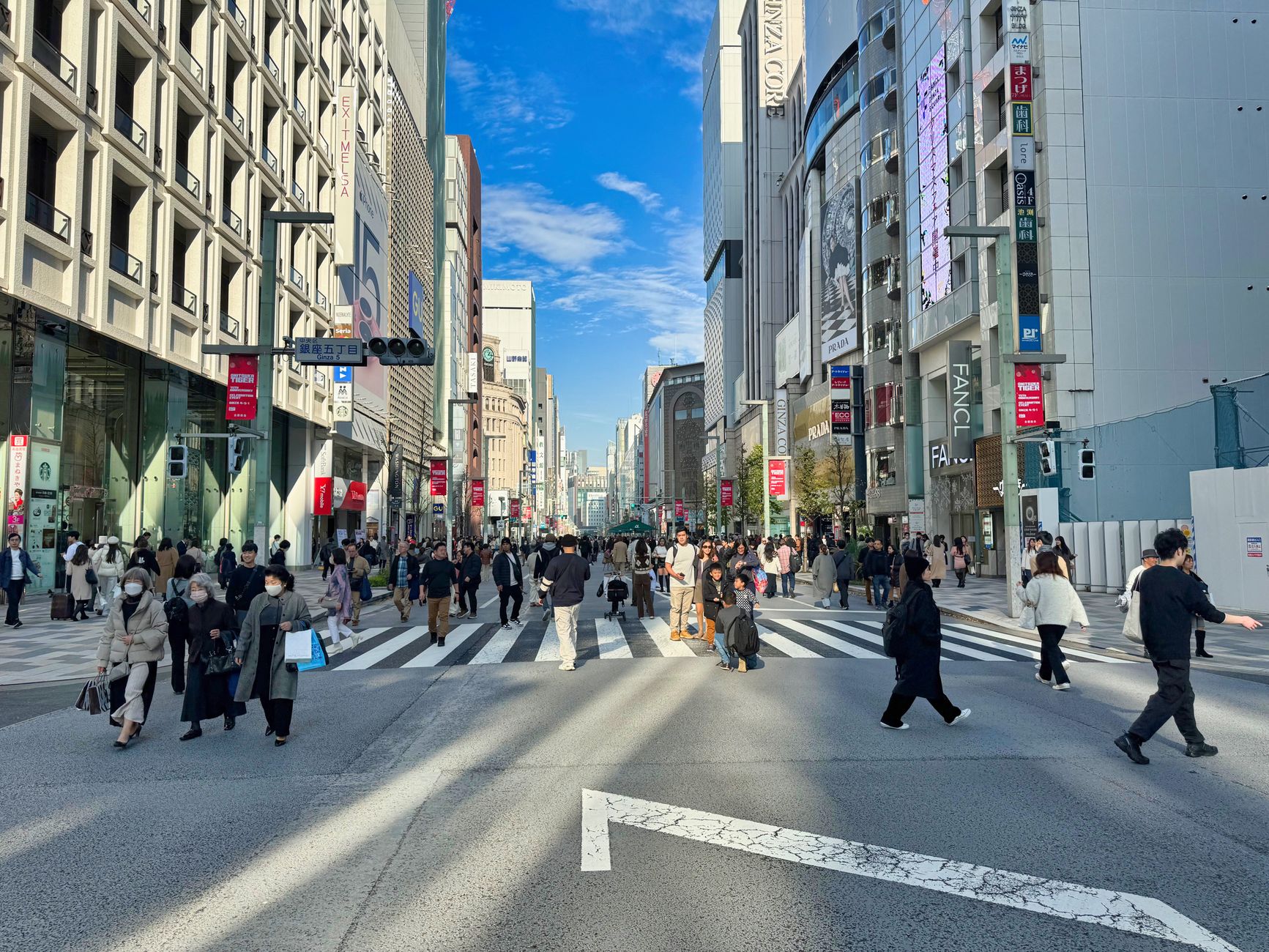
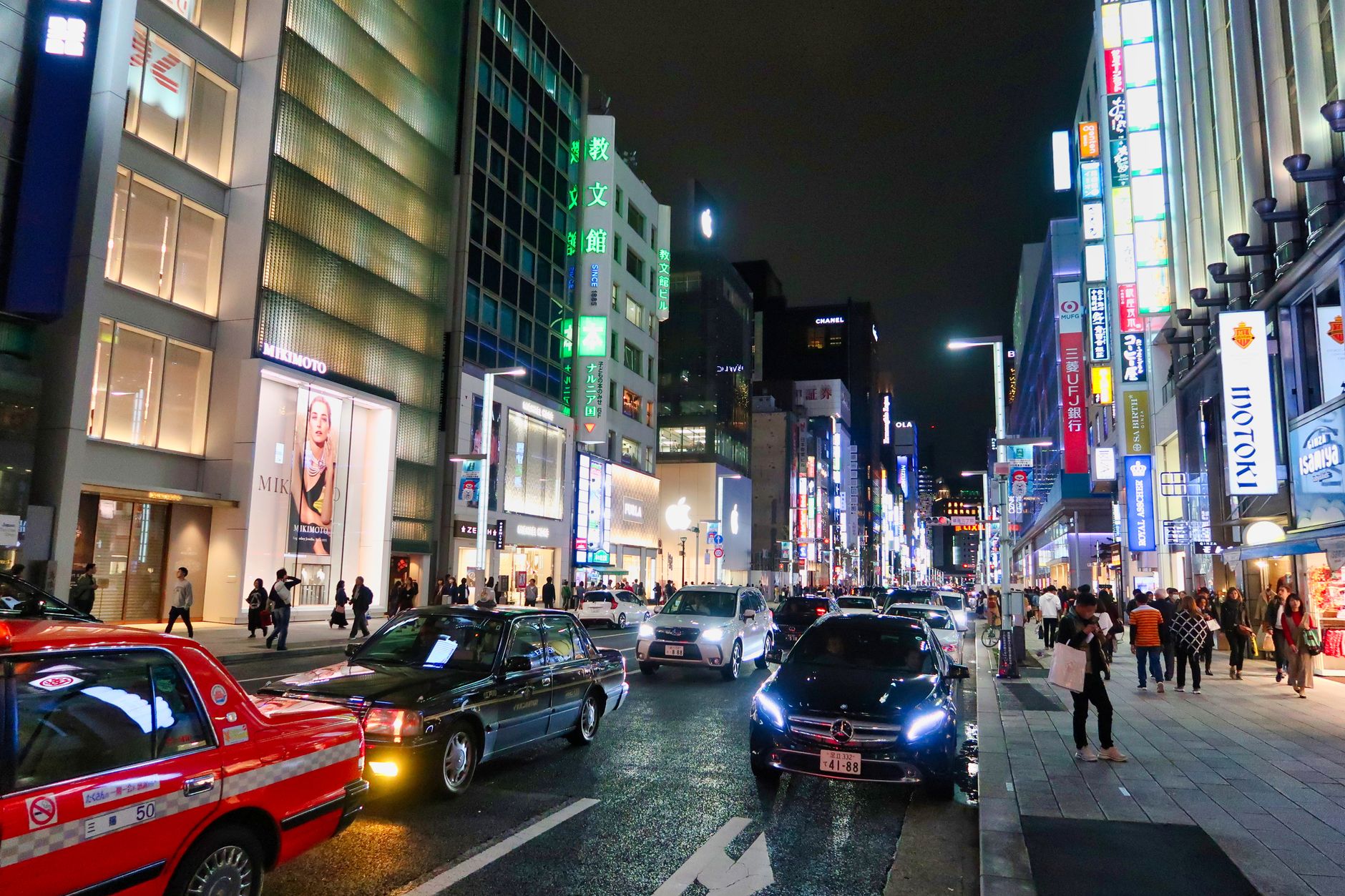
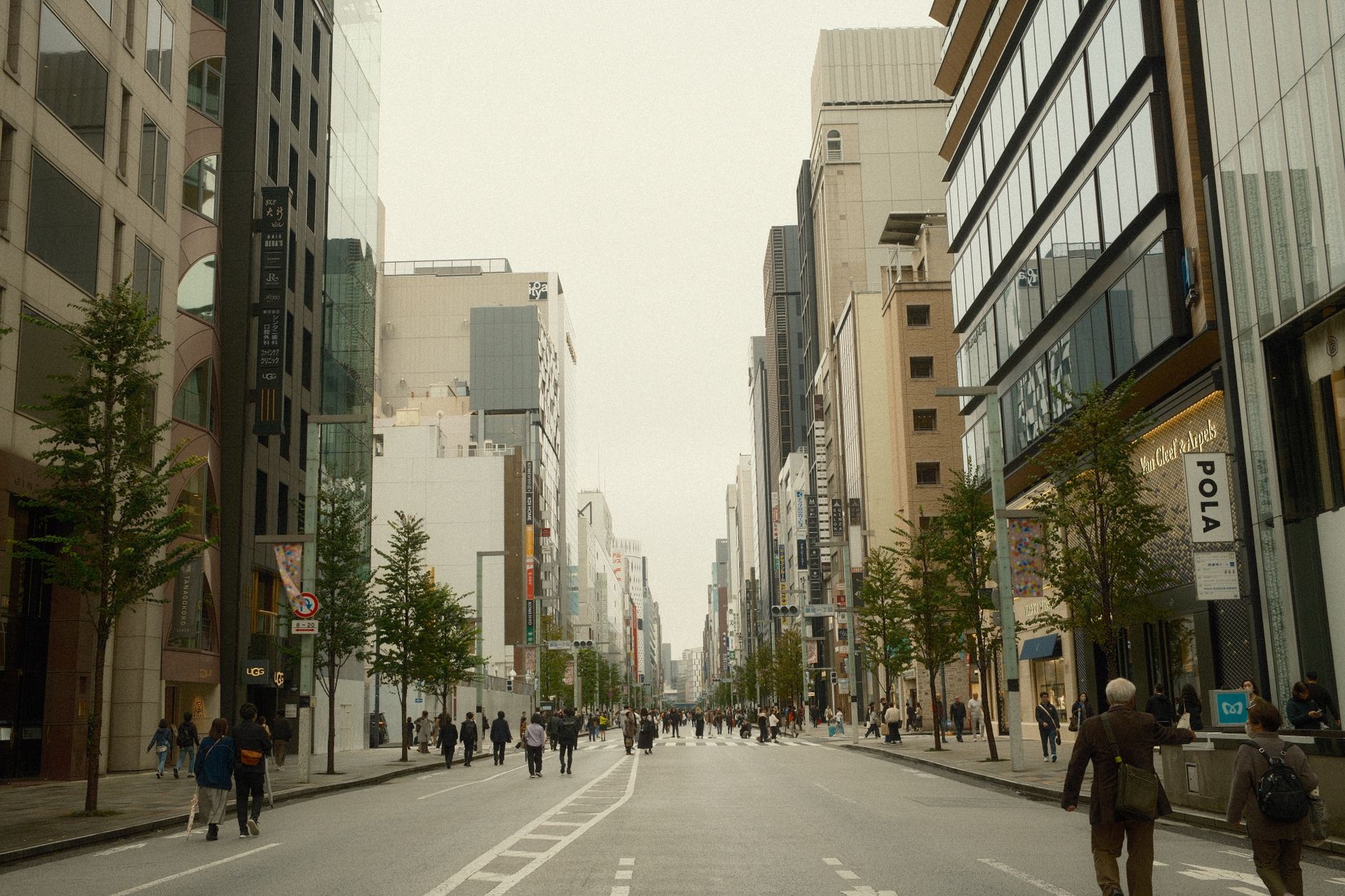
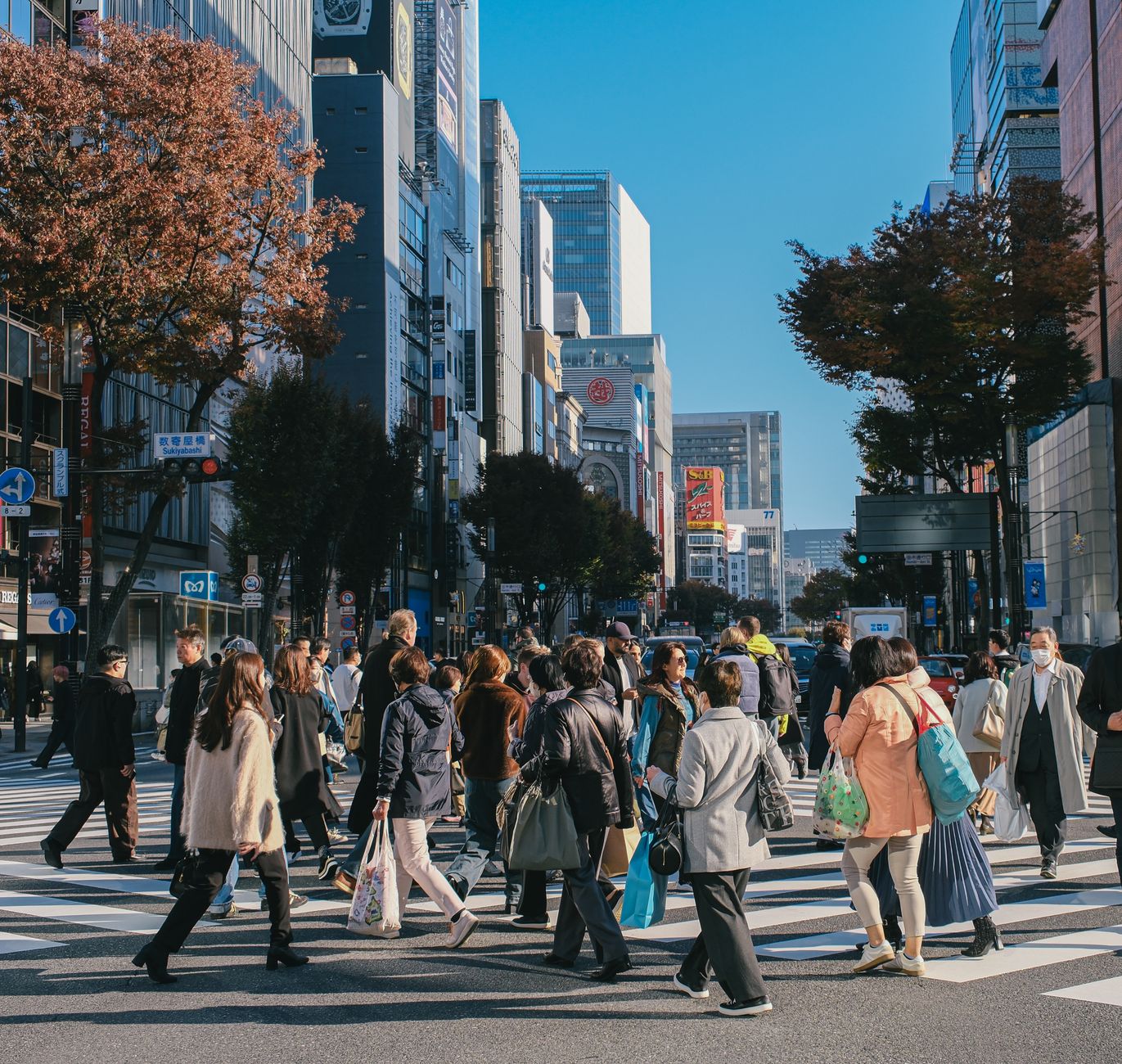
On Sunday afternoons, Chuo Dori goes car-free and Ginza belongs to pedestrians. People walk slowly down the middle of the road, past the Wako clock tower at the 4-Chome crossing, past facades of cut glass and pearl-shaped apertures, and the whole avenue takes on the quality of a promenade that has been practiced for generations.
Ginza is Tokyo's oldest commercial district and still its most architecturally serious one. The buildings here are arguments — about luxury, about Metabolism, about what Japanese modernism can do with glass and steel — and they're worth reading carefully.
💛 What travellers fall for
Regulars tend to arrive on a weekday, when the crowds thin and gallery-hopping is easier. The Shiseido Gallery in the basement of the Shiseido Building runs serious contemporary shows and charges nothing. Tsutaya inside Ginza Six stocks art books you won't find elsewhere in Tokyo. The rooftop at GinzaNovo is underused and the views are honest.
Deals in Ginza
Book directly at the provider

How Ginza came to be
The name comes from a silver mint — Ginza Yakusho — established here in the early Edo period after Tokugawa Ieyasu moved his coin-minting operation to what was then called Shin-ryogae-cho. The district's colloquial name stuck long after the mint moved on.
A fire in 1872 gave the Meiji government its opening. They designated Ginza a showcase of modernization, commissioning fireproof brick buildings along widened streets linking Shimbashi Station to Tsukiji. Horse-drawn streetcars arrived in 1882, the same year electric street lights went in. The 1923 Great Kanto Earthquake destroyed much of it; the department stores — Mitsukoshi, Matsuya, Matsuzakaya — rebuilt grander. WWII bombing leveled it again. Pedestrianization of Chuo Dori began in August 1970, and that Sunday ritual has continued ever since.
Who and what shaped it
People who shaped it
Landmark buildings
See Ginza in motion
Plan your visit
On the map
When to go
Spring (March to May) and autumn (October to November) are the most comfortable seasons to walk the avenue at length — mild temperatures and low humidity. Summer is hot and humid with occasional heavy rain; the covered arcades inside Ginza Six and the department stores offer relief.
Right now
Background & history adapted from Wikipedia (CC BY-SA) · specs from Wikidata (CC0) · weather from Open-Meteo · map data © OpenStreetMap contributors · photos from Wikimedia Commons / Unsplash with per-image credit. No third-party reviews or social posts reproduced.