
Gili Islands
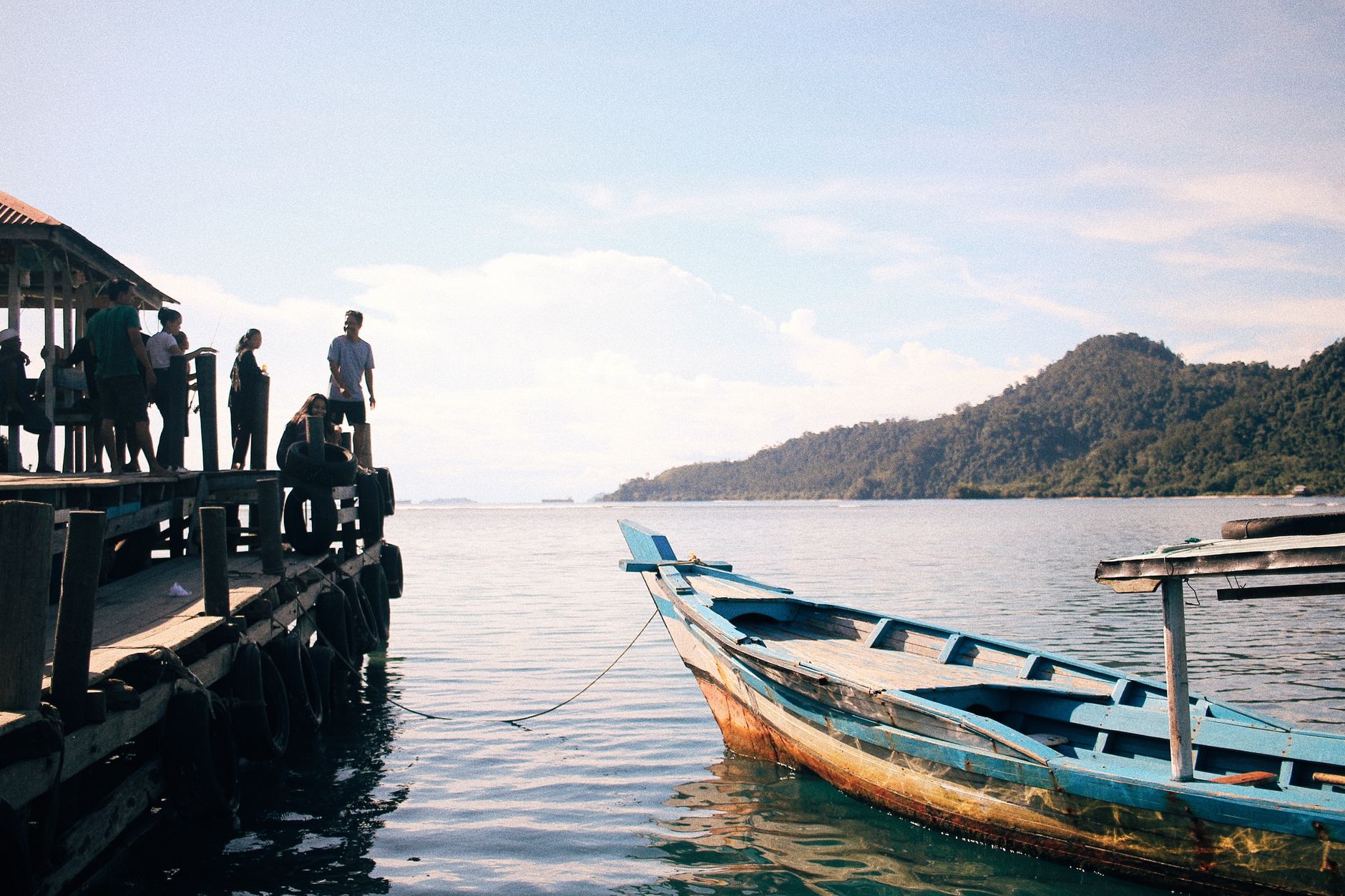
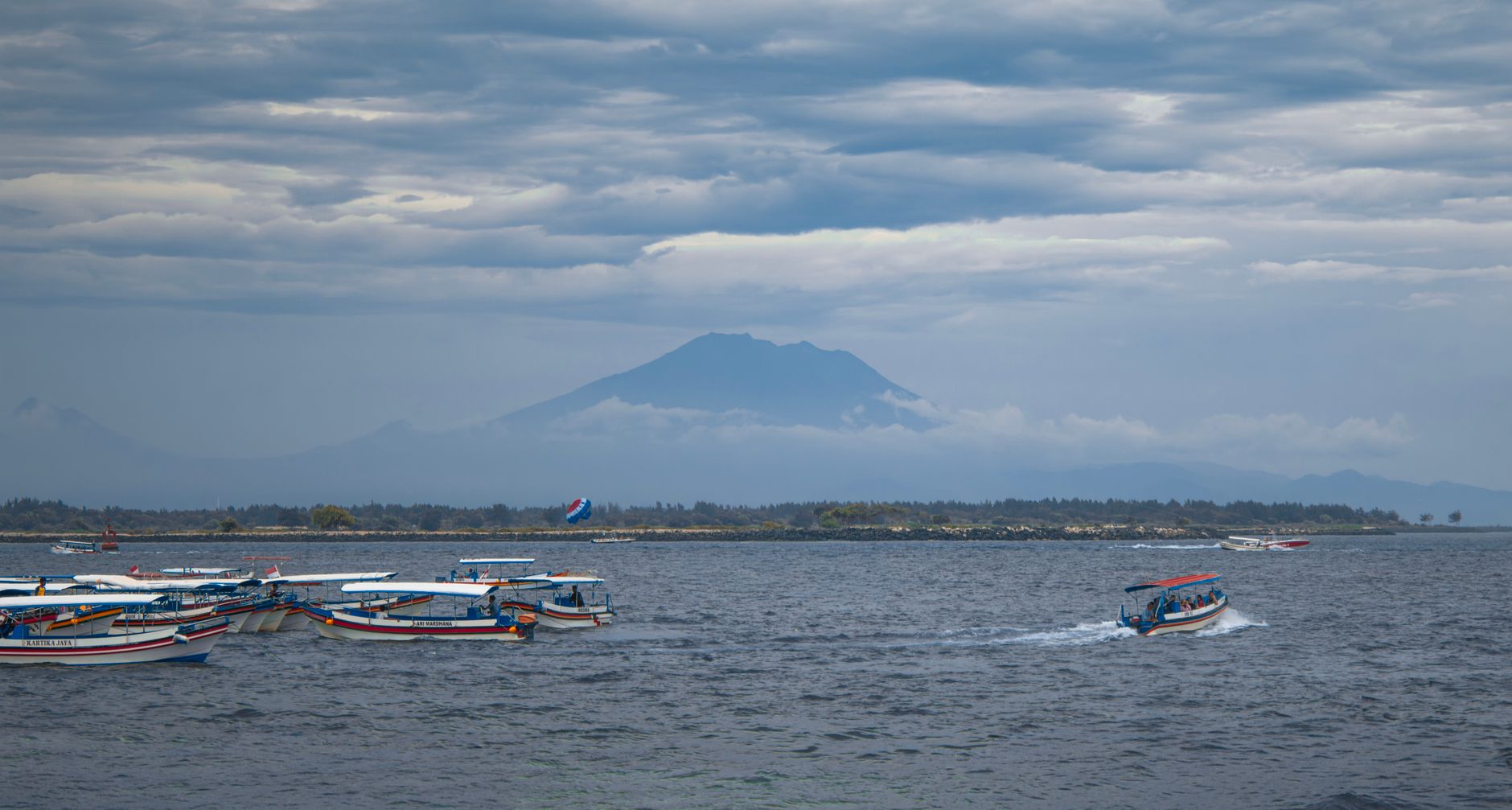
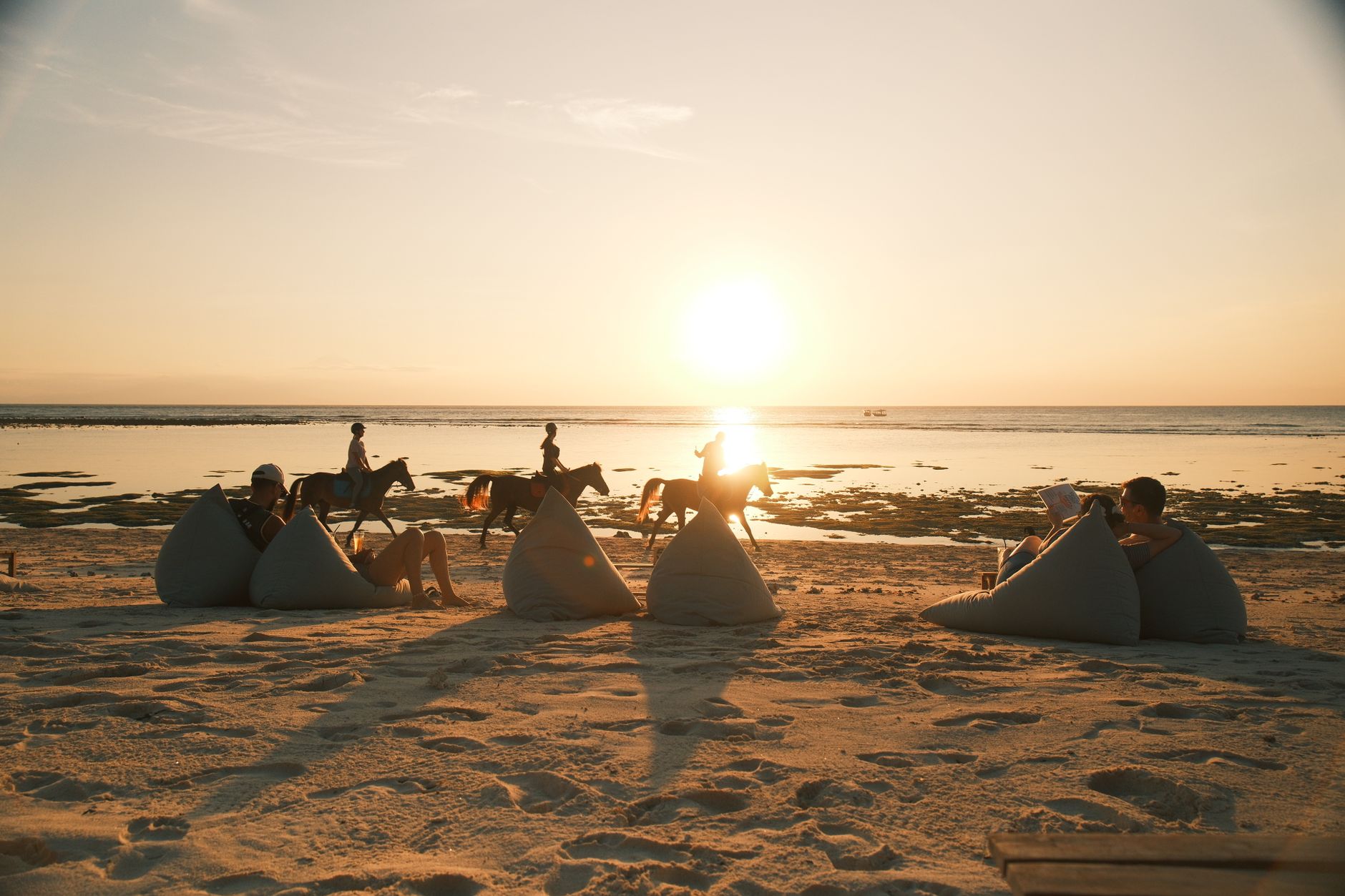
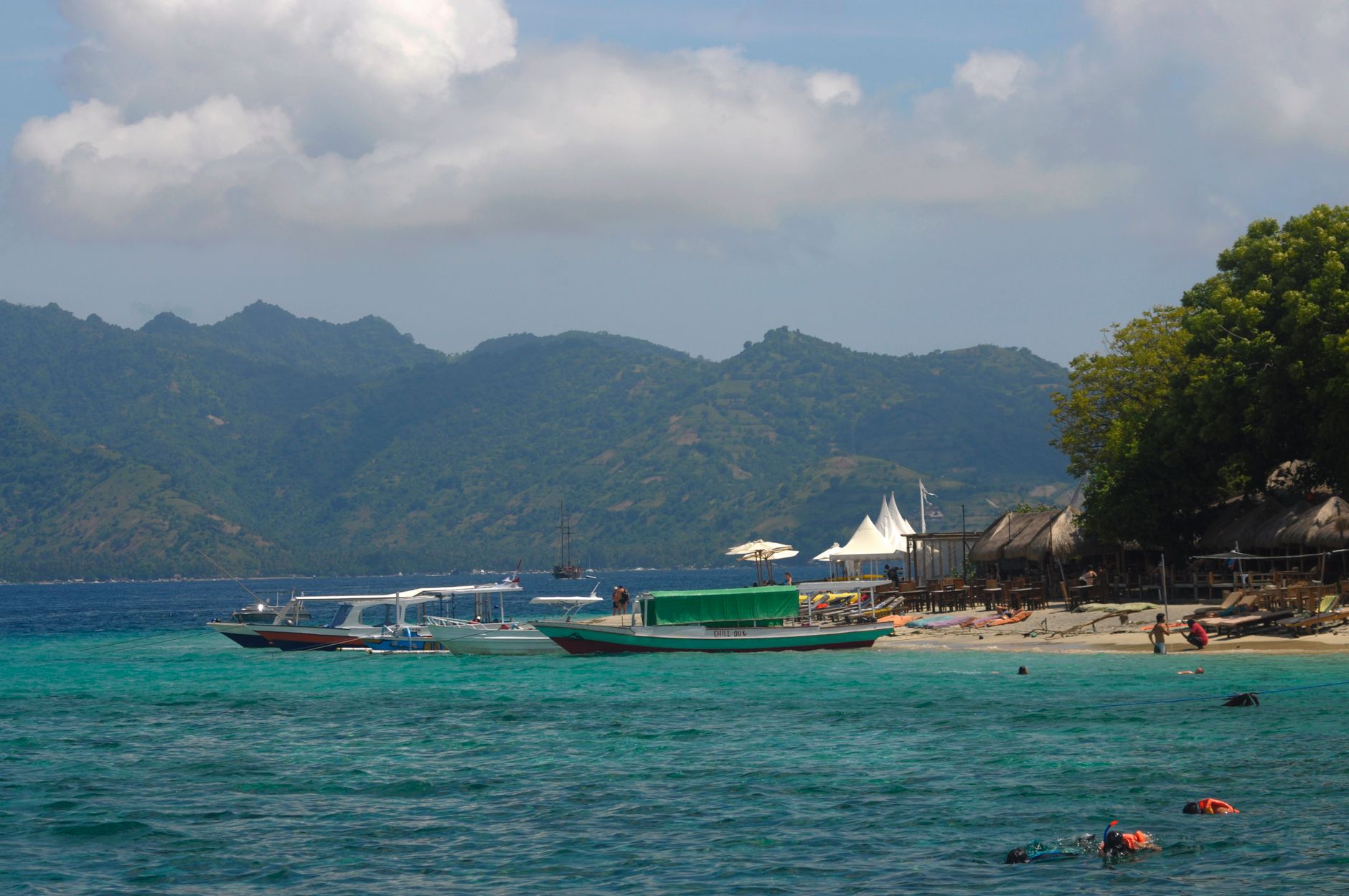
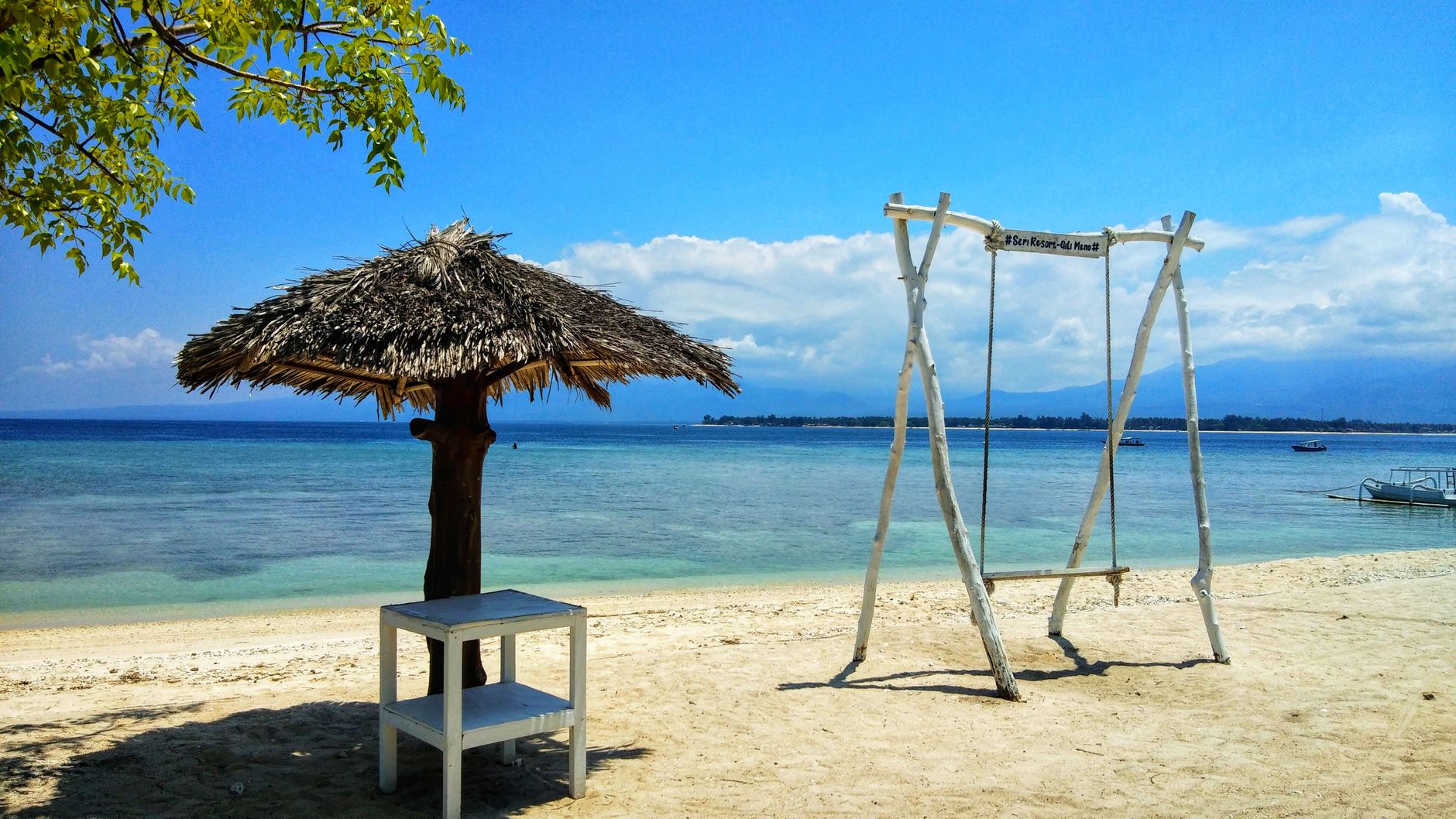
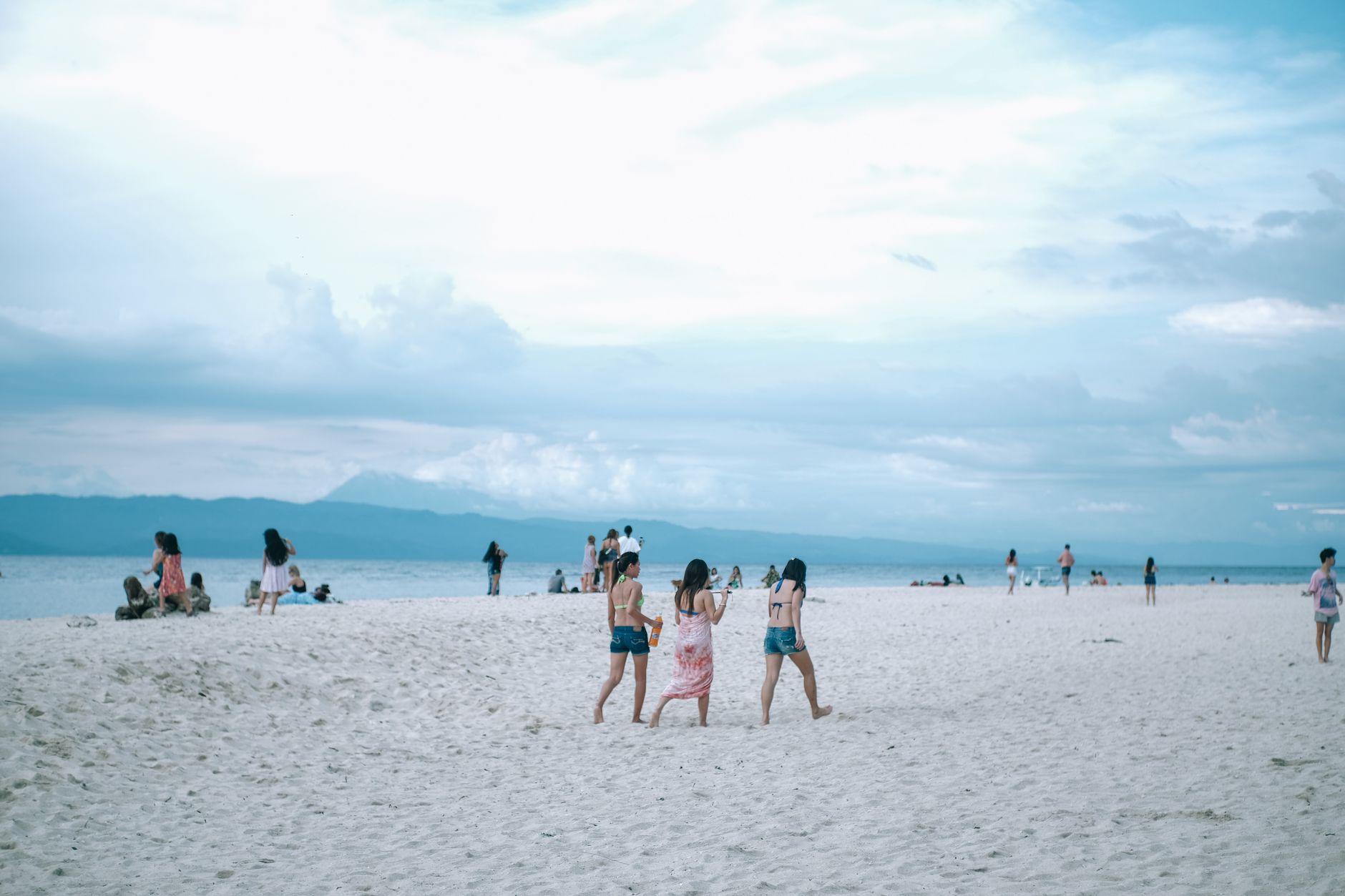
Three small islands sit just off the northwest coast of Lombok, each one flat enough that you can see clear across it, each one ringed by a reef. No cars, no motorbikes — the loudest thing on the road is usually a horse cart. Gili Trawangan draws the biggest crowds, Gili Air has the largest local community, and Gili Meno, with its population of around 500, moves at a pace that makes the other two feel hectic by comparison.
Underwater is where the Gilis made their name. The diving industry took hold in the 1990s and never really let go — sea turtles are a routine sighting, and off the south coast of Gili Air, a Japanese patrol boat rests at 45 metres.
How Gili Islands came to be
The islands had no permanent settlers until the 1970s, largely because there was no reliable fresh water. Before that, Bugis fishermen used them as waypoints on longer voyages through the archipelago. In 1971, the governor of Lombok began establishing coconut plantations, granting land rights to private companies. Between 1974 and 1979, 350 prisoners from an overcrowded jail in Mataram were sent to help with the first harvests; many stayed on as the islands' earliest permanent residents.
Tourism arrived slowly. The first guesthouse on Gili Trawangan — a small homestay run by a man known as Pak Majid — opened in 1982. By 2000, the reef had taken enough damage that local dive-shop owners and community leaders founded the Gili Eco Trust, a non-profit still working to protect the coral today.
Who and what shaped it
People who shaped it
Landmark buildings
See Gili Islands in motion
Plan your visit
On the map
When to go
The dry season runs roughly May through September, when southeast winds keep the air clear and the sea relatively calm — the best window for diving visibility. The wet season, November through March, brings heavier rain and occasional strong swells, though the islands rarely close entirely.
Right now
Background & history adapted from Wikipedia (CC BY-SA) · specs from Wikidata (CC0) · weather from Open-Meteo · map data © OpenStreetMap contributors · photos from Wikimedia Commons / Unsplash with per-image credit. No third-party reviews or social posts reproduced.