
Getsemaní
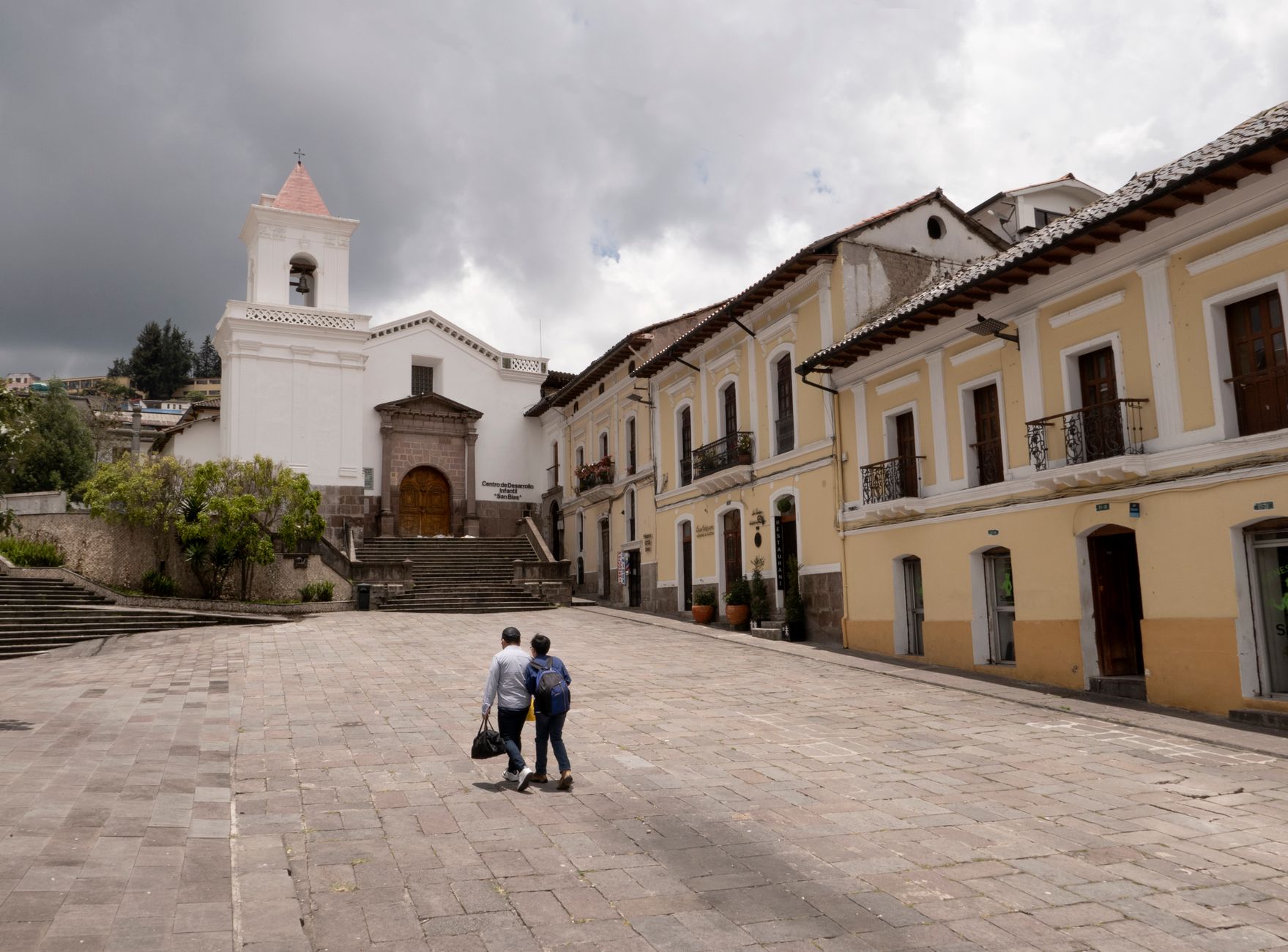
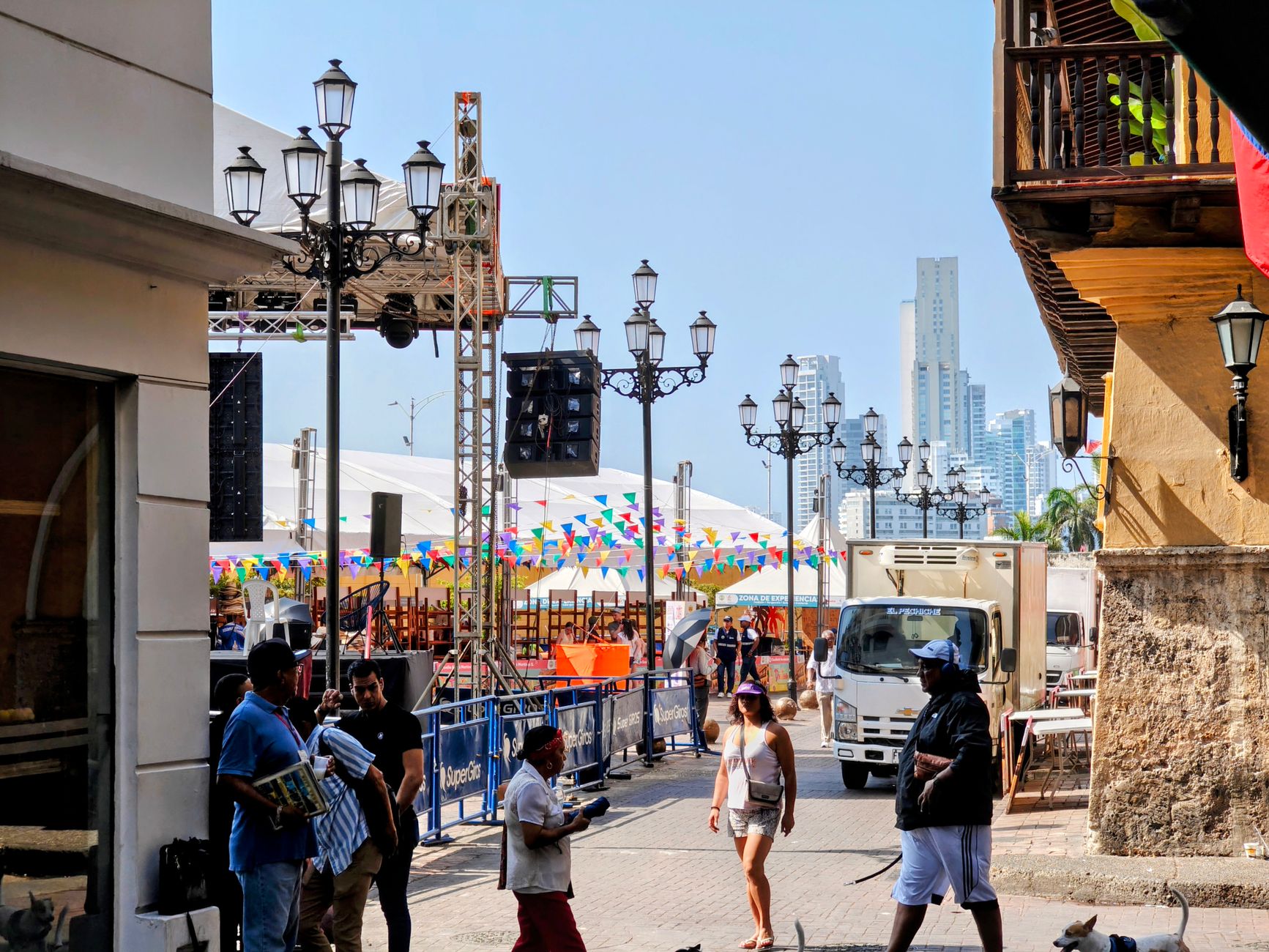
Stand in Plaza de la Trinidad on any given evening and you'll find food stalls setting up, someone's phone speaker competing with someone else's live guitar, and Pedro Romero's statue watching over it all from outside the yellow-walled church that has been here since 1600. This is Getsemaní — Cartagena's oldest neighborhood, the one that existed before the grand walled city calcified into a tourist attraction.
It was never the wealthy quarter. Laborers, artisans, free Afro-descendants, and merchants built their lives on these streets, and that working-class DNA is still readable in the murals, the plaza gatherings, and the 2026 designation of the neighborhood as Intangible Cultural Heritage of the Nation — a formal acknowledgment that what happens here is worth protecting.
💛 What travellers fall for
People who come back tend to agree on a few things: start any street art walk from Plaza de la Trinidad, where the guides are local and the Maria Mulata mural gives you your bearings. Save Calle de las Sombrillas for after dark, when the umbrellas overhead are lit up. And don't plan a schedule for the evening — the plaza has a way of deciding that for you.
Deals in Getsemaní
Book directly at the provider


How Getsemaní came to be
Getsemaní took shape fast. By 1620, more than 4,000 linear meters of street frontage were already occupied, the streets defined, the neighborhood consolidated. The San Francisco Convent was established around 1600, and by 1630 there were plans to fortify what had become a genuine urban district — one that housed the people who did the work the walled city depended on.
In 1811, that working-class character turned political. A blacksmith named Pedro Romero organized the Lanceros de Getsemaní and led them to pressure Cartagena's governing council at a decisive moment, pushing through a vote for absolute independence. Cartagena became the first Colombian city to declare itself a fully independent state. The statue outside the Church of the Holy Trinity marks the spot where that history is still claimed. In 2013, the neighborhood invited street artists from around the world to repaint its walls, and the murals that followed — including Prisma Afro, the largest mural in Colombia — gave the streets a new layer of story without erasing the old one.
Who and what shaped it
People who shaped it
Landmark buildings
See Getsemaní in motion
Plan your visit
On the map
When to go
Cartagena sits close to the equator, so Getsemaní is warm year-round — expect heat and humidity regardless of when you visit. The city has a drier season roughly from December through April, which makes evening walks in the plaza more comfortable, and a wetter period from May through November when afternoon downpours are common but rarely last long.
Right now
Background & history adapted from Wikipedia (CC BY-SA) · specs from Wikidata (CC0) · weather from Open-Meteo · map data © OpenStreetMap contributors · photos from Wikimedia Commons / Unsplash with per-image credit. No third-party reviews or social posts reproduced.