
Genting Highlands
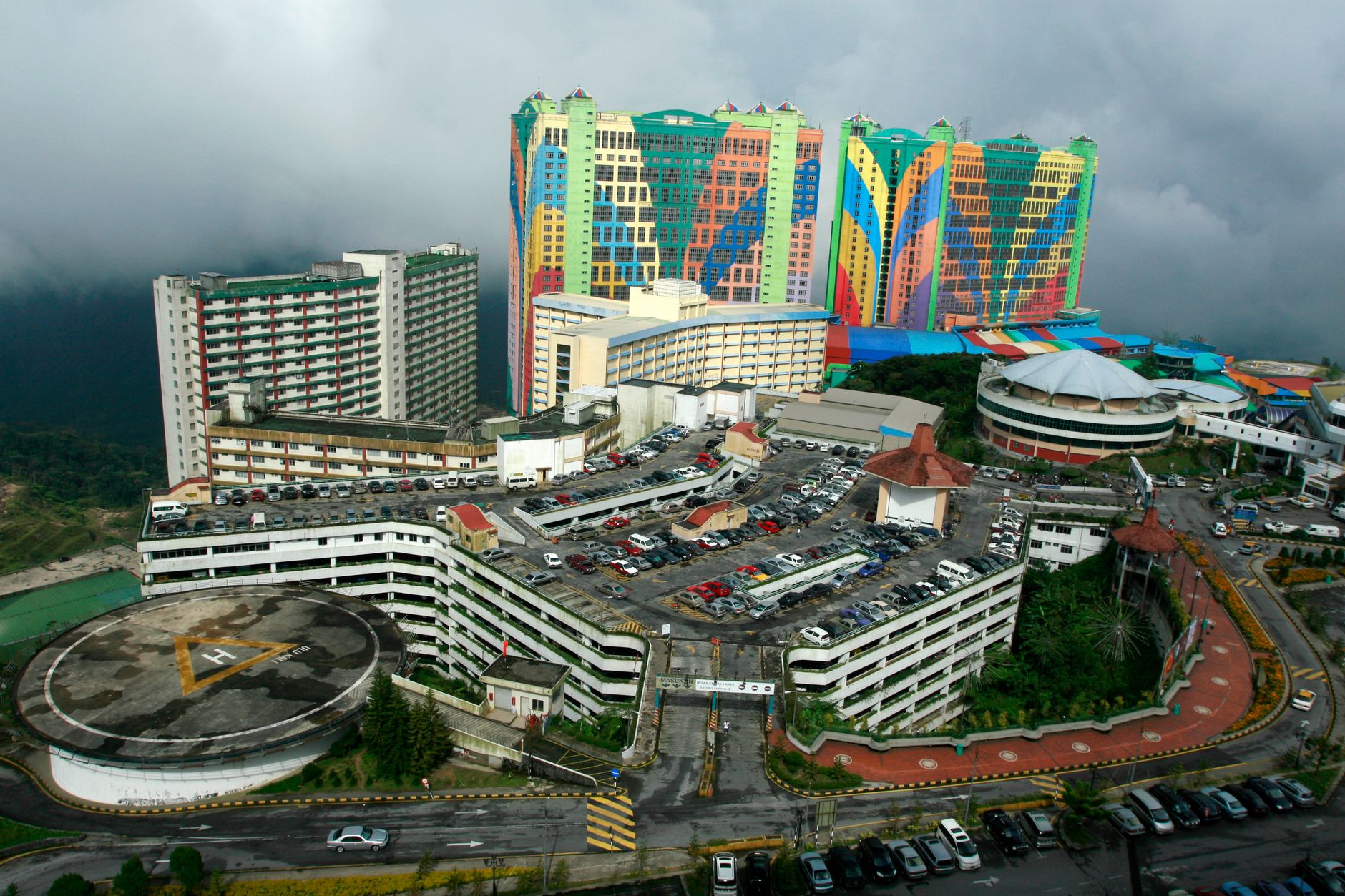
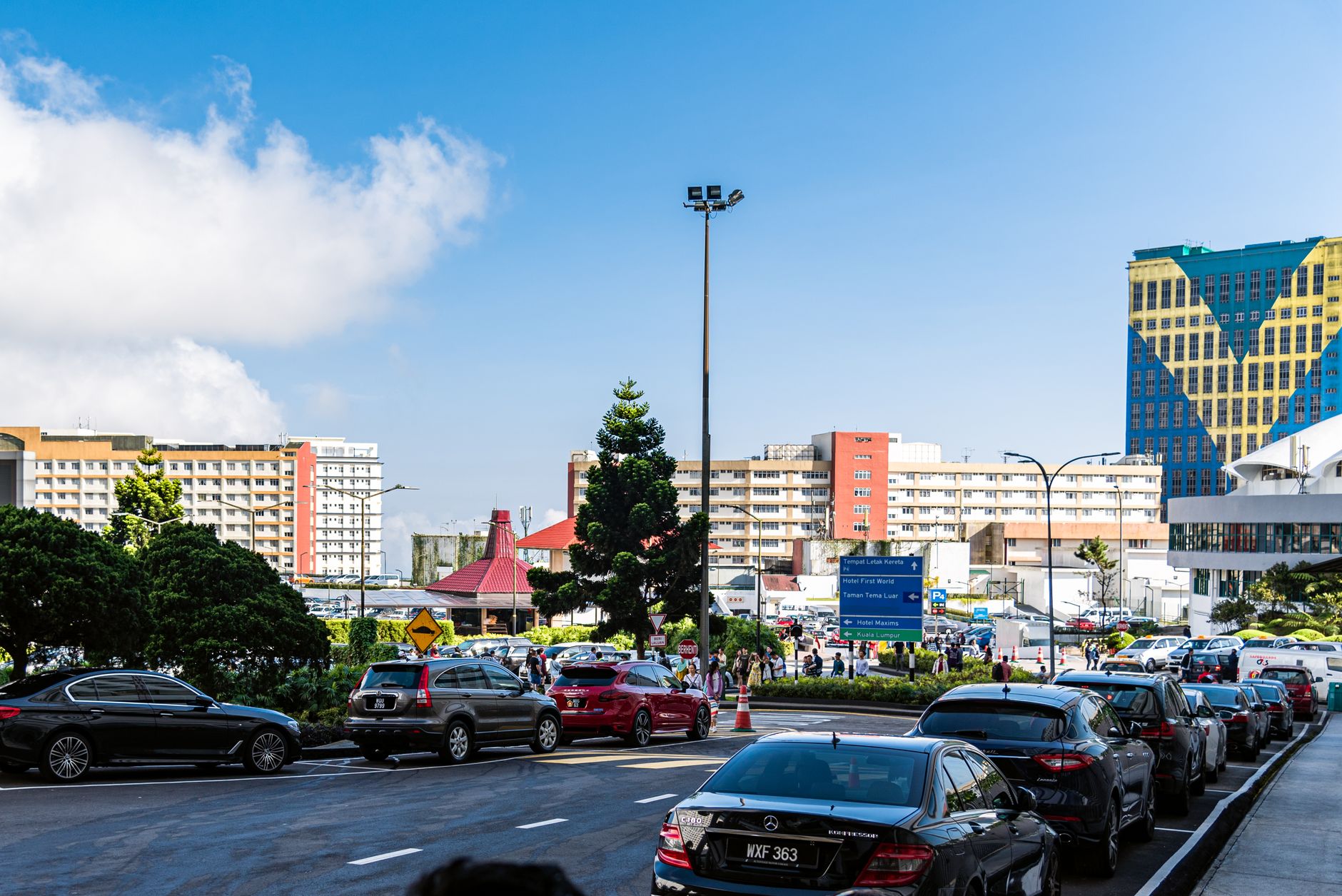
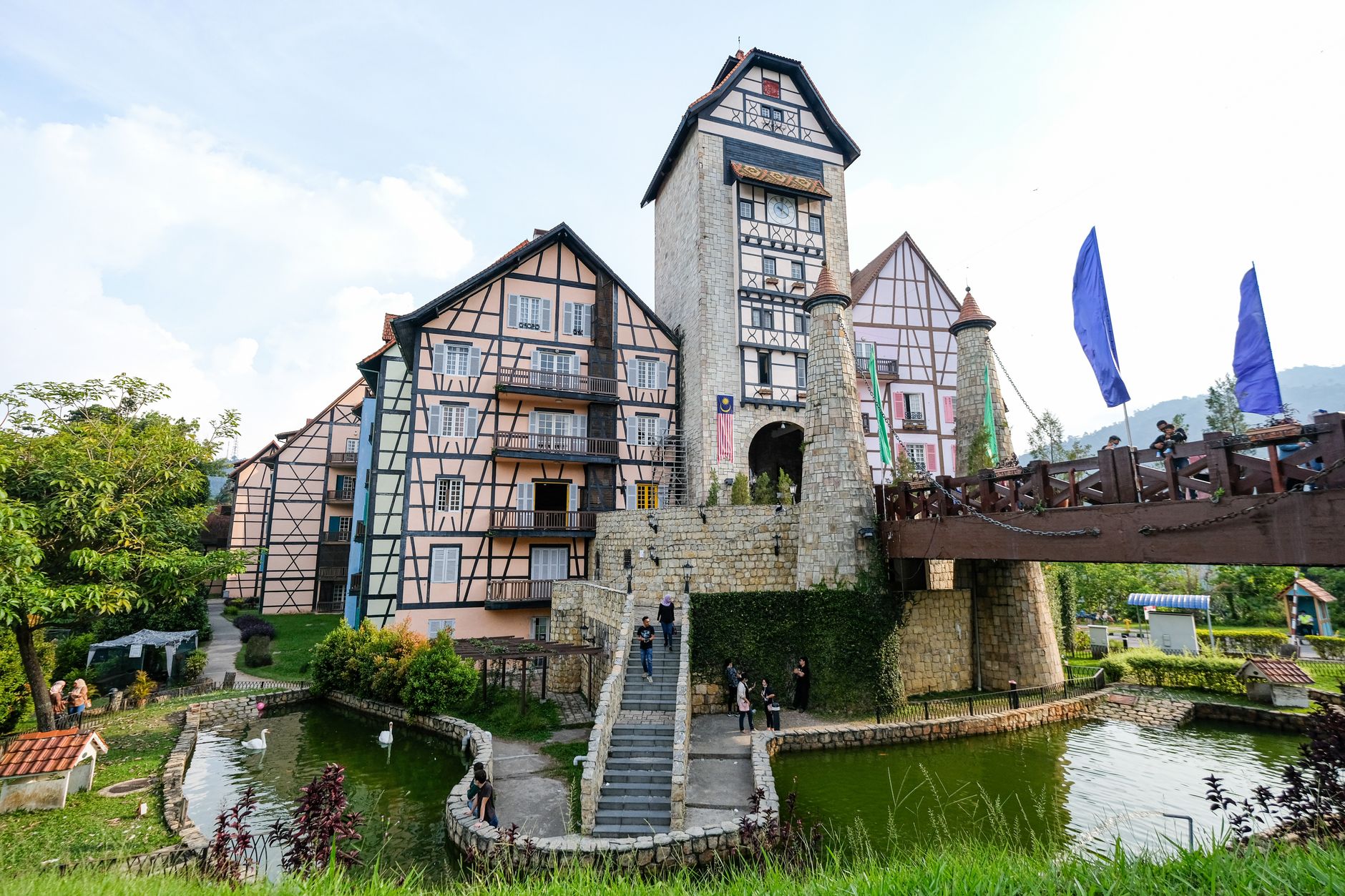
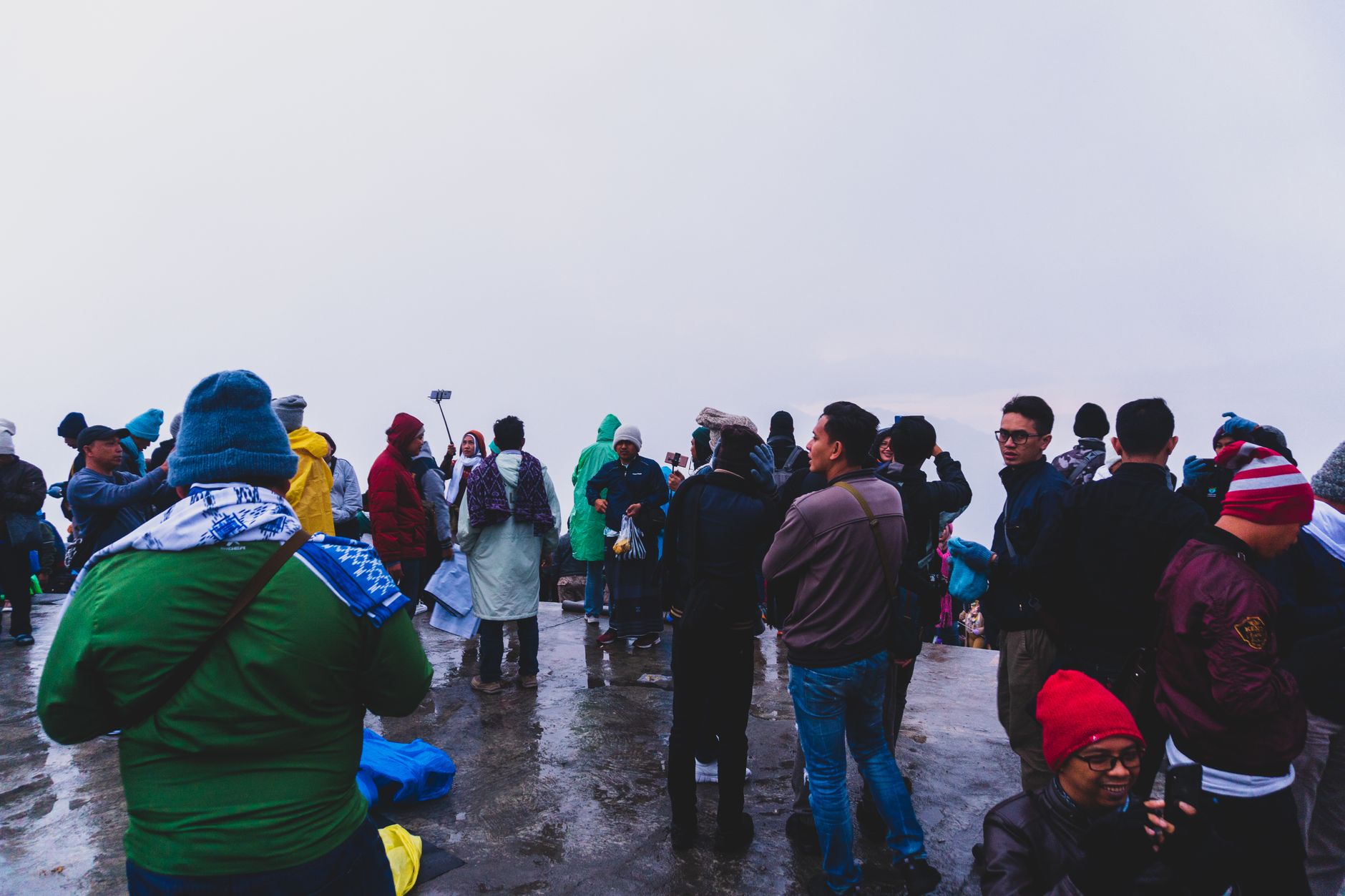
At 1,800 metres on the peak of Mount Ulu Kali, Genting Highlands sits above the clouds in a literal sense — you will drive or ride a cable car through mist before the resort complex materialises out of it. The air is noticeably cooler than Kuala Lumpur below, and that contrast is half the point.
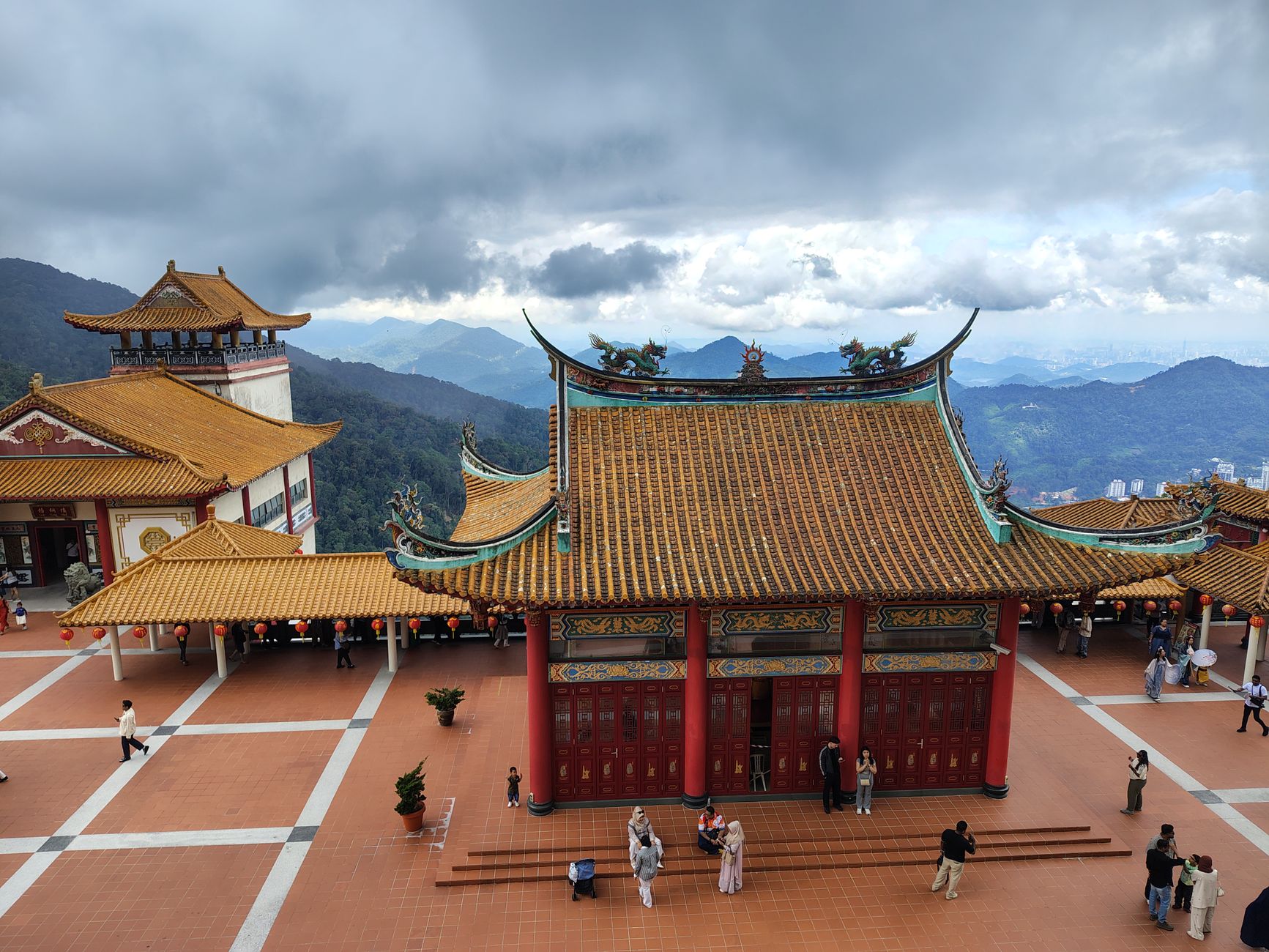
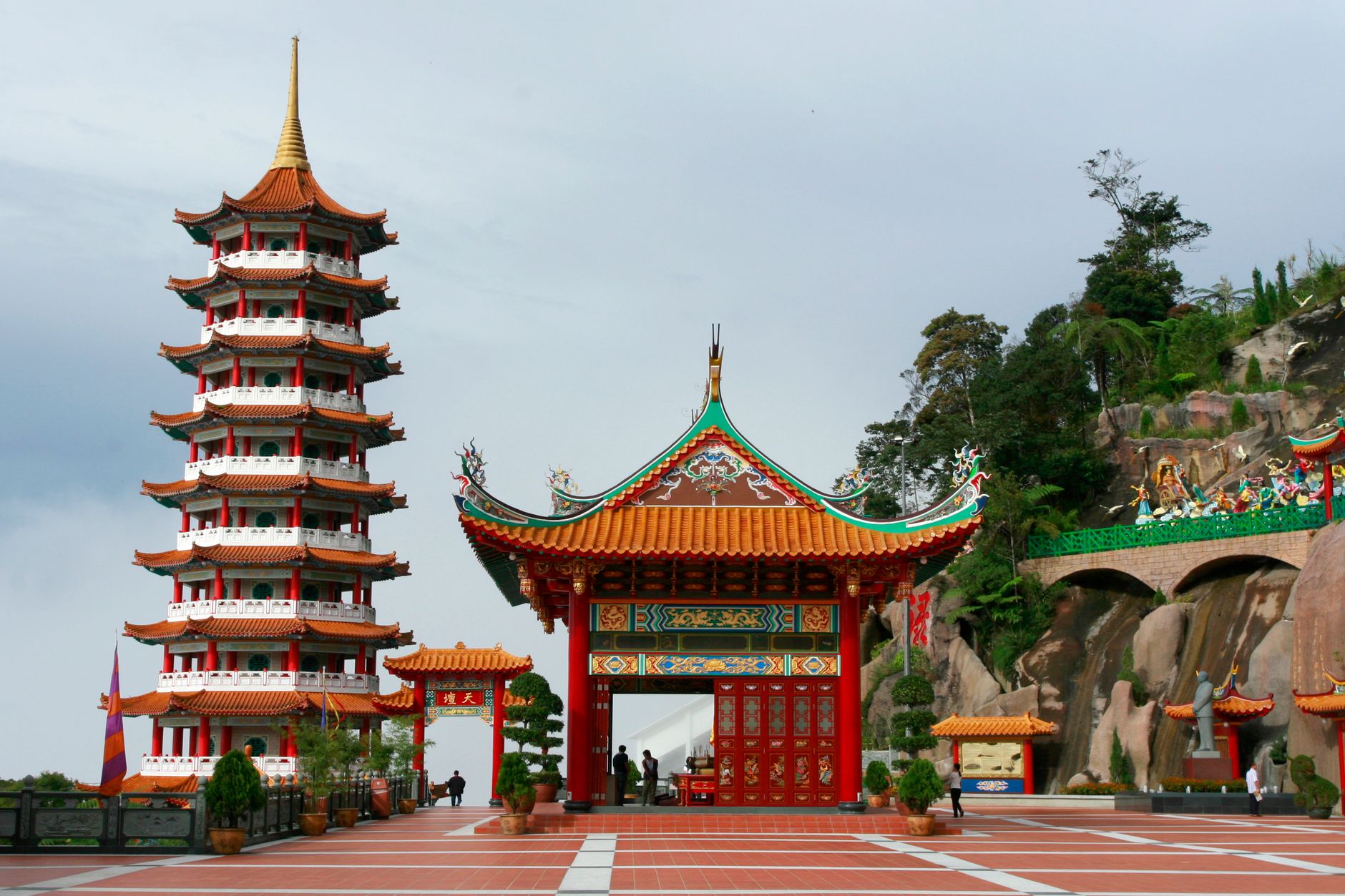
What you find at the top is singular in Malaysia: a casino, theme parks, a Buddhist temple with a nine-storey pagoda, and a hotel that once held the Guinness record as the world's largest, all compressed onto a mountain ridge two hours from the capital. It is not subtle, but it is genuinely its own thing.
💛 What travellers fall for
People who return tend to go straight to the Chin Swee Caves Temple rather than the resort floor — the pagoda views across the Titiwangsa range are clearest before 10am, before cloud rolls in. The Genting Skyway cable car, certified as Malaysia's longest, is worth taking at least one direction even if you drove up.
How Genting Highlands came to be
In 1963, Malaysian businessman Lim Goh Tong was working on a hydroelectric project near Cameron Highlands when he decided that Malaysia needed a mountain resort closer to Kuala Lumpur. Two years later, on 27 April 1965, he established Genting Highlands Berhad alongside politician Mohamad Noah Omar. Road construction began that August, through dense jungle and difficult terrain.
By 31 March 1969, the access road was complete — Malaysia's first Prime Minister Tunku Abdul Rahman laid the foundation stone for the pioneer hotel that day. A casino licence followed the same year, and the first hotel opened in 1971. Subsequent decades added six more hotels, two cable-car systems, and multiple theme parks, cumulating in a 2013 master plan that reshaped the summit into the integrated resort it is today.
Who and what shaped it
People who shaped it
Landmark buildings
See Genting Highlands in motion
Plan your visit
On the map
When to go
Temperatures at the peak hover between 16°C and 25°C year-round — bring a layer regardless of when you visit. Rain can arrive quickly and without much warning, particularly in the afternoon during both monsoon seasons (roughly October–March on the east-facing slopes, and intermittent showers at other times).
Right now
Background & history adapted from Wikipedia (CC BY-SA) · specs from Wikidata (CC0) · weather from Open-Meteo · map data © OpenStreetMap contributors · photos from Wikimedia Commons / Unsplash with per-image credit. No third-party reviews or social posts reproduced.