
Génova
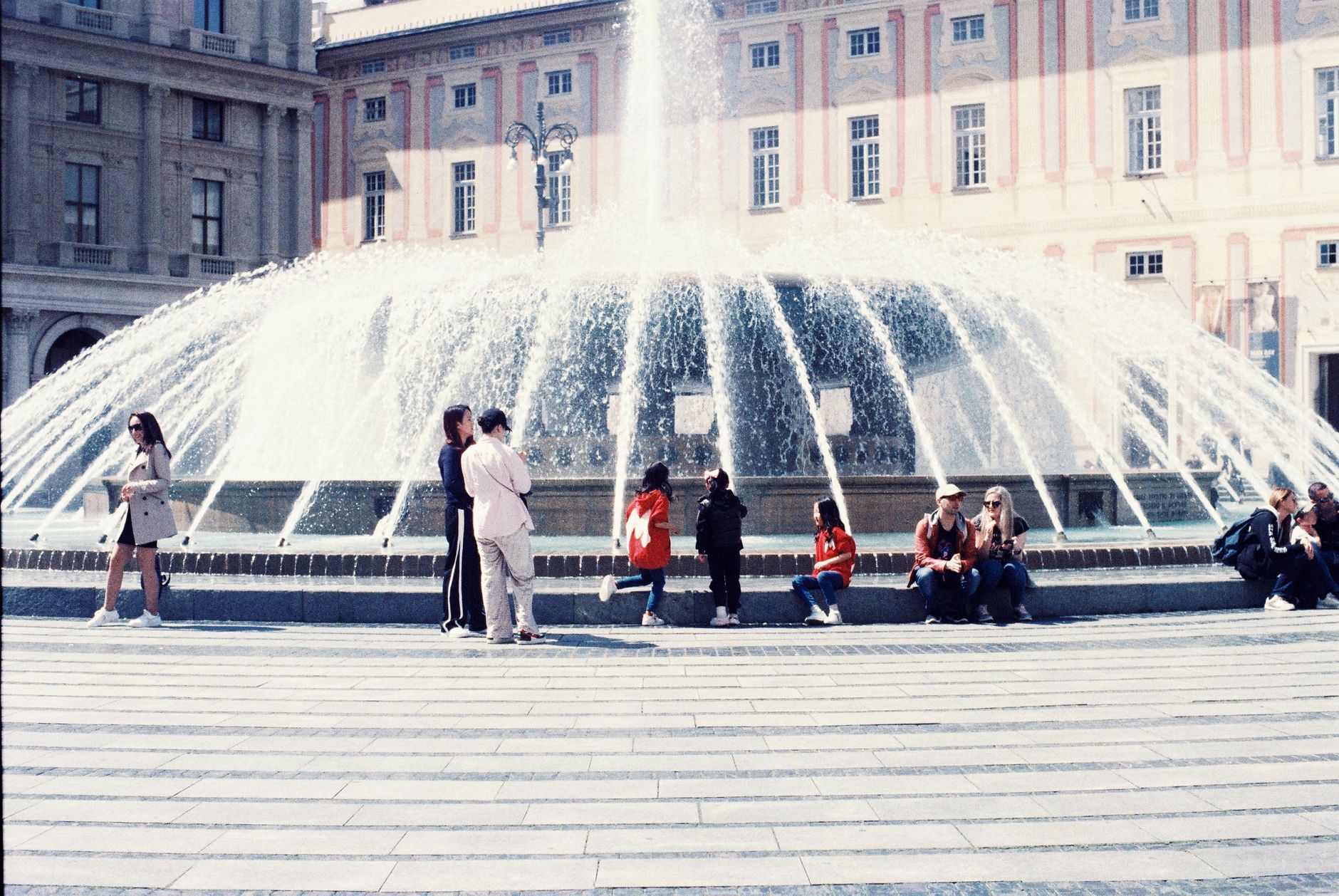
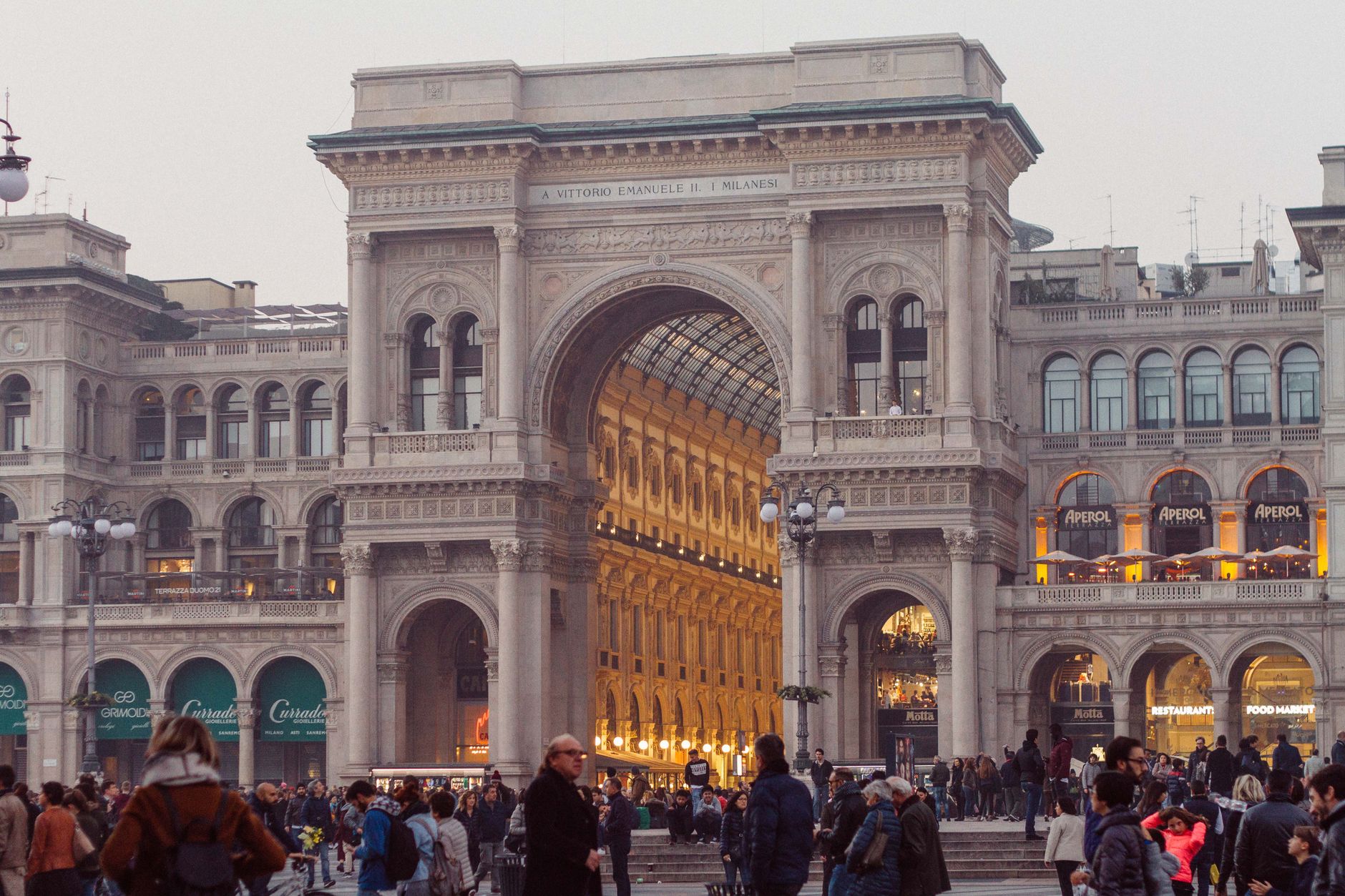
Genoa announces itself through smell before you've cleared the port — salt water, diesel, and somewhere behind it, the sharp green of pesto made with basil grown in the hills above the city. This is a place that has always faced outward, toward the sea, and it shows. The streets of the old city, the caruggi, are so narrow that laundry strung between the upper floors can block the sky entirely, and then you turn a corner and the harbor opens up in front of you, wide and unignorable.
For nearly seven centuries Genoa ran itself as a republic, financing crusades, mapping coastlines, and sending its sons across the Atlantic. That mercantile self-confidence never quite left. The Strade Nuove — now Via Garibaldi — lined with Renaissance palazzi built to impress visiting foreign dignitaries, tells you everything about a city that understood the politics of architecture long before anyone coined the phrase.
💛 What travellers fall for
People who come back tend to mark time by the Rolli Days, the twice-yearly weekends when the private palazzi of Via Garibaldi and the surrounding streets open their doors. Outside those windows, plan your route through the caruggi on foot — getting lost is the point — and eat standing at a focacceria before noon, when the bread is still warm.
Deals in Génova
Book directly at the provider

How Génova came to be
Genoa's pre-Roman roots go back to at least the fifth century BC. The Carthaginians destroyed the settlement in 209 BC, but Rome rebuilt it and eventually granted it municipal rights. By the early eleventh century Genoa had emerged as an independent city-state, and in 1099 the Republic of Genoa was formally established — a maritime republic that would endure nearly seven hundred years.
The republic's arc ran from crusade-financing naval power to a city reformed by the noble Andrea Doria, who imposed a new constitution in 1528 and governed through biennial doges and a merchant oligarchy. In 1797 Napoleon ended the republic's independence entirely. Sixty-four years later, with Italian unification in 1861, Genoa reclaimed its commercial footing as one corner of the industrial triangle alongside Milan and Turin.
Who and what shaped it
People who shaped it
Landmark buildings
See Génova in motion
Plan your visit
On the map
When to go
Summers are warm and sometimes humid, with the Ligurian hills holding heat close to the city; spring and early autumn give you mild temperatures and lighter crowds, which suits the caruggi well. Winters are mild by northern Italian standards but the port wind can be sharp.
Right now
Background & history adapted from Wikipedia (CC BY-SA) · specs from Wikidata (CC0) · weather from Open-Meteo · map data © OpenStreetMap contributors · photos from Wikimedia Commons / Unsplash with per-image credit. No third-party reviews or social posts reproduced.