
Gardens of Versailles
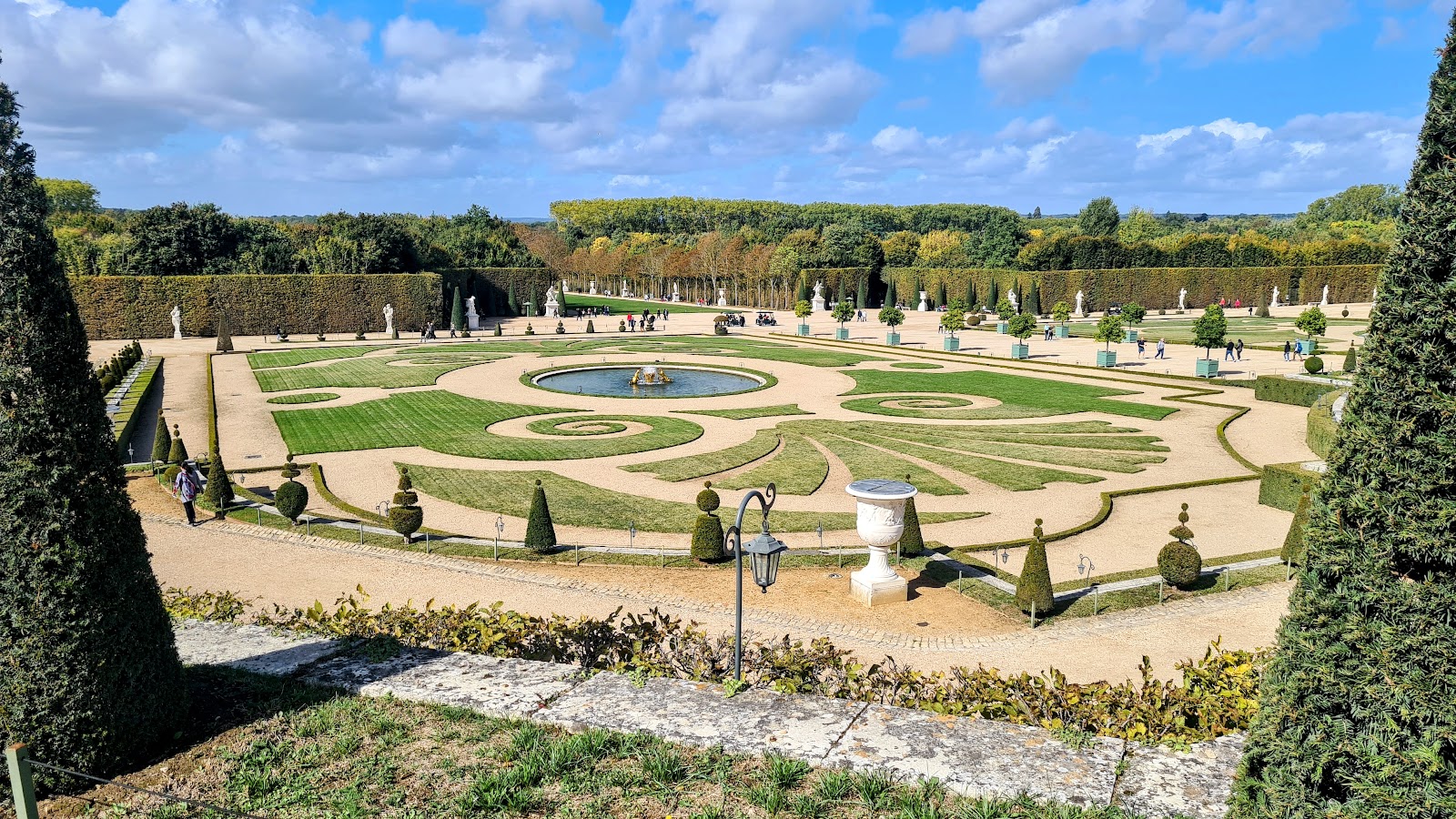
The numbers alone stop you short: forty years of construction, fourteen enclosed garden rooms, and a Grand Canal long enough to feel like a small sea. André Le Nôtre laid all of this out from 1661 onward at the direct instruction of Louis XIV, a king who personally reviewed every detail of the design. What emerged was the defining statement of the French formal garden — geometry pressed into living material, water made to perform, stone gods presiding over clipped hedgerows.
Today you walk the same axes Le Nôtre drew, past the Ballroom Grove with its surviving cascade, through the circular peristyle of the Colonnade, and out toward a horizon the architects deliberately left open.
💛 What travellers fall for
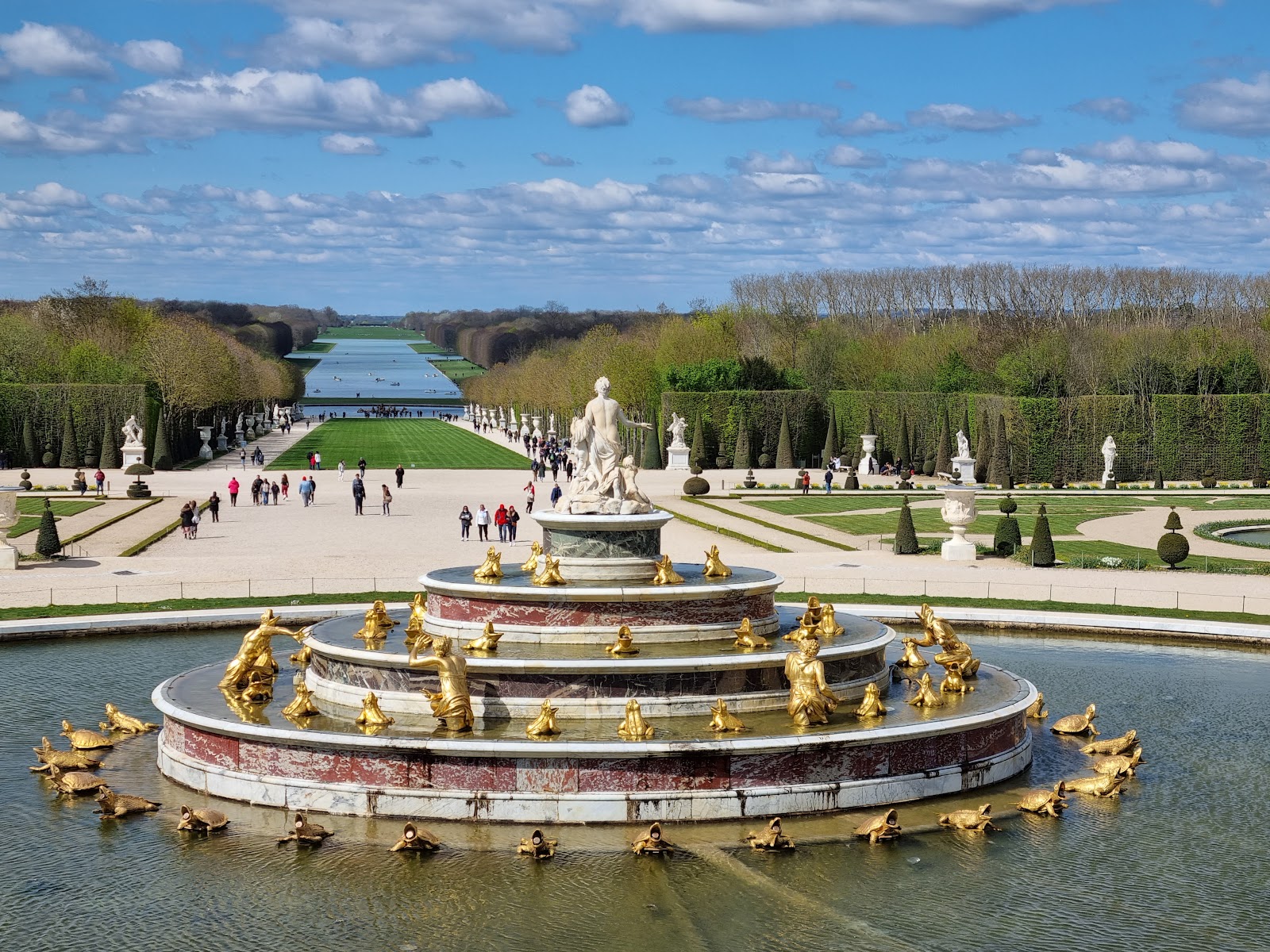
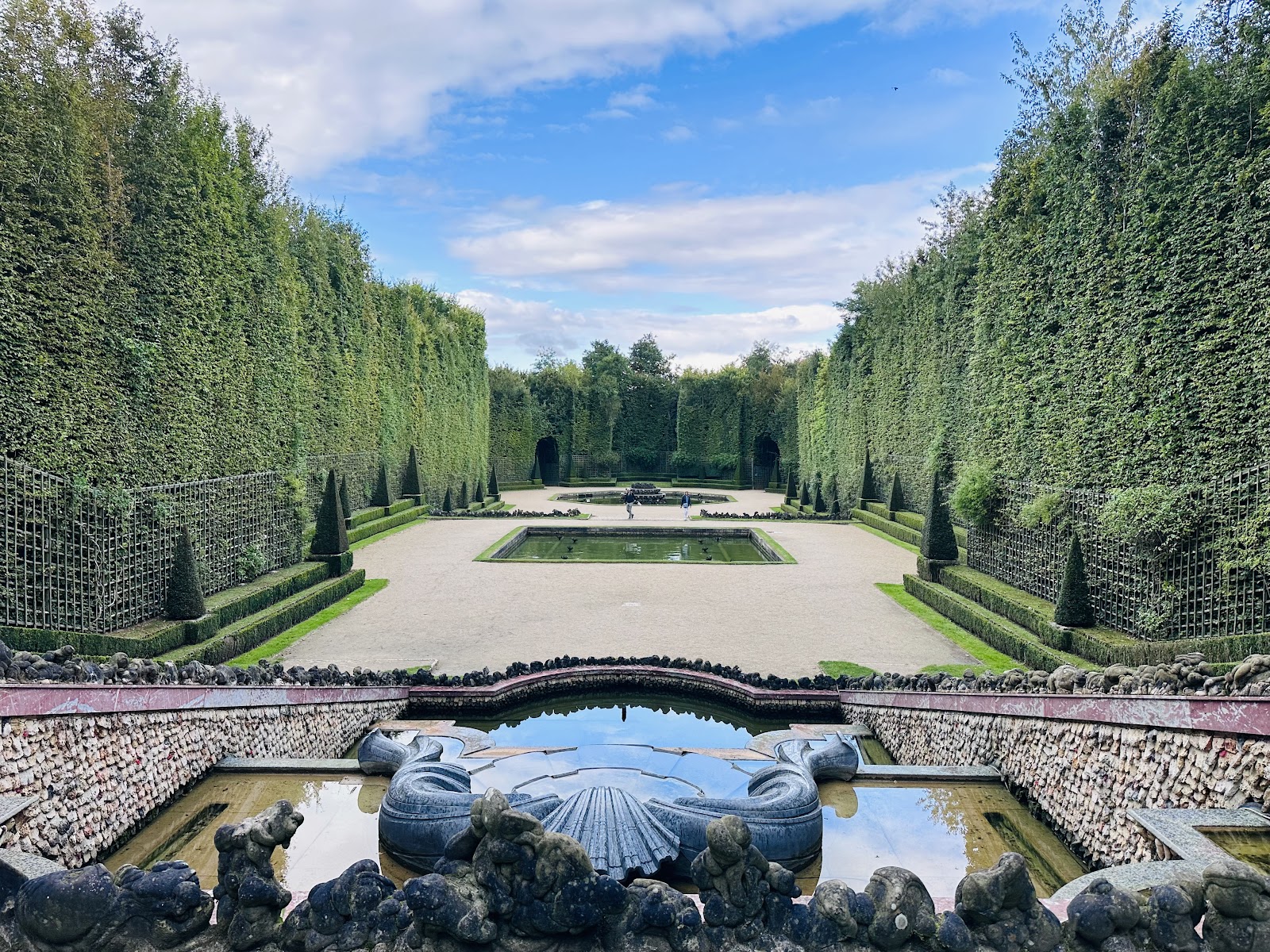
People who come back tend to pick one bosquet and sit in it. The fourteen enclosed groves are all different — the Colonnade's thirty-two arches, the Galerie des Antiques' open-air sculpture gallery — and most visitors walk past them chasing the canal. Slow down at the Salle de Bal; it's the quietest corner on a busy afternoon.
The story behind Gardens of Versailles
In 1661 Louis XIV handed André Le Nôtre the task of creating gardens that would equal the Palace in ambition. The two projects rose together over roughly four decades, with Jean-Baptiste Colbert managing the finances as Superintendent of Buildings and Charles Le Brun supplying drawings for the statues and fountains. Jules Hardouin-Mansart later reshaped parts of the park — building the Orangery in 1684 and raising the Colonnade between 1684 and 1685 on the site of an earlier grove.
The gardens were replanted under Louis XVI, again under Napoleon III, and once more after a catastrophic storm in December 1999 stripped the park of thousands of trees. The replanting that followed brought the garden back to something close to what Louis XIV would have walked through.
Good to know
Take the RER C to Versailles Château Rive Gauche (about 40 minutes from central Paris). Entry is free in low season and on weekdays outside fountain-show days; the €35 high-season Passport covers Musical Fountains access. Plan a full day. Spring and autumn offer mild temperatures and thinner crowds than July or August.
April through June and September through November give you mild temperatures and the fountains running without the full weight of summer crowds. July and August are the most congested months; if you visit then, arrive at opening time.
Where is Gardens of Versailles?
More tickets & tours for Gardens of Versailles
Book directly at the provider
What travellers say about Gardens of Versailles
Absolutely beautiful. The gardens were so well maintained, and I'd encourage anyone to walk through and enjoy the feeling of just being surrounded by nature and history. However, if you are short on time, they also have golf carts to rent, which allows you to see the entire plot in just an hour. I would recommend going on a cooler or cloudy day, as sweating and overheating is not exactly helpful when you're trying to enjoy nature haha. Bonus: the crowds aren't actually that large unlike other tourist attractions in France.
Visiting the Gardens of Versailles was a good choice we made while visiting paris. The beautifully maintained and well-designed gardens seemed to stretch endlessly, with stunning landscaping at every turn. I especially enjoyed the many intricate statues and fountains that added so much character and history to the grounds. Be prepared for a good amount of walking, but the scenery makes every step worthwhile. I found it to be a peaceful and good experience.
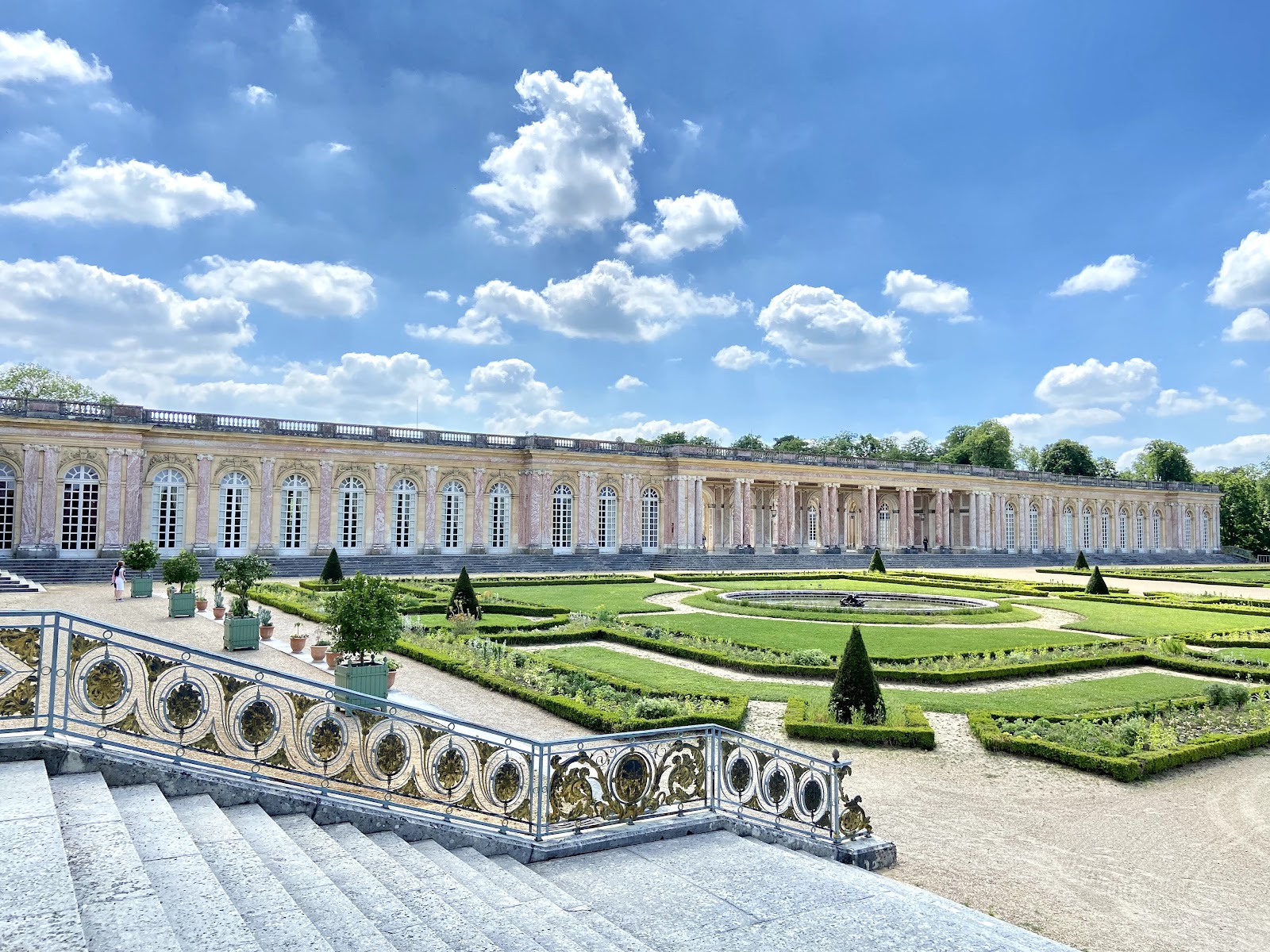
The Gardens of Versailles ended up being one of the biggest surprises and highlights of our visit. We expected beautiful landscaping, but we were not prepared for just how massive and expansive the grounds would be. The gardens are far more than simply the area immediately behind the palace—they feel like an entire world to explore. Beautiful pathways, fountains, sculptures, tree-lined avenues, and endless views make this a destination that deserves dedicated time beyond touring the palace itself. One of the best decisions we made was renting a golf cart, and I would highly recommend it to anyone visiting. The gardens cover such a large area that the golf cart completely changed the experience for us. Instead of spending most of our energy walking long distances, we were able to comfortably explore much more of the property while stopping whenever something caught our attention. The golf cart made places like Petit Trianon, Grand Trianon, and the Grand Canal much more accessible and allowed us to experience areas we likely would not have reached—or would have skipped entirely—if exploring only on foot. It transformed the visit from a long walk into an enjoyable day of discovery. One of our favorite parts was simply driving through the grounds and taking in the changing scenery. Every section of the gardens seemed to have its own personality and atmosphere. If you are visiting Versailles, do not underestimate how much there is to see beyond the palace itself. Give yourself time to experience the gardens—and seriously consider renting the golf cart. For us, it turned an already beautiful visit into one of the most memorable experiences of our trip to France.
The garden is so big and it does not feel like other palace parks you see in europe. We arrive at like 12, and we did not have time to walk through the whole garden as we needed to get into the palace. It is so calming and it looks so pretty. If we arrived earlier we can probably spend half a day in the park.
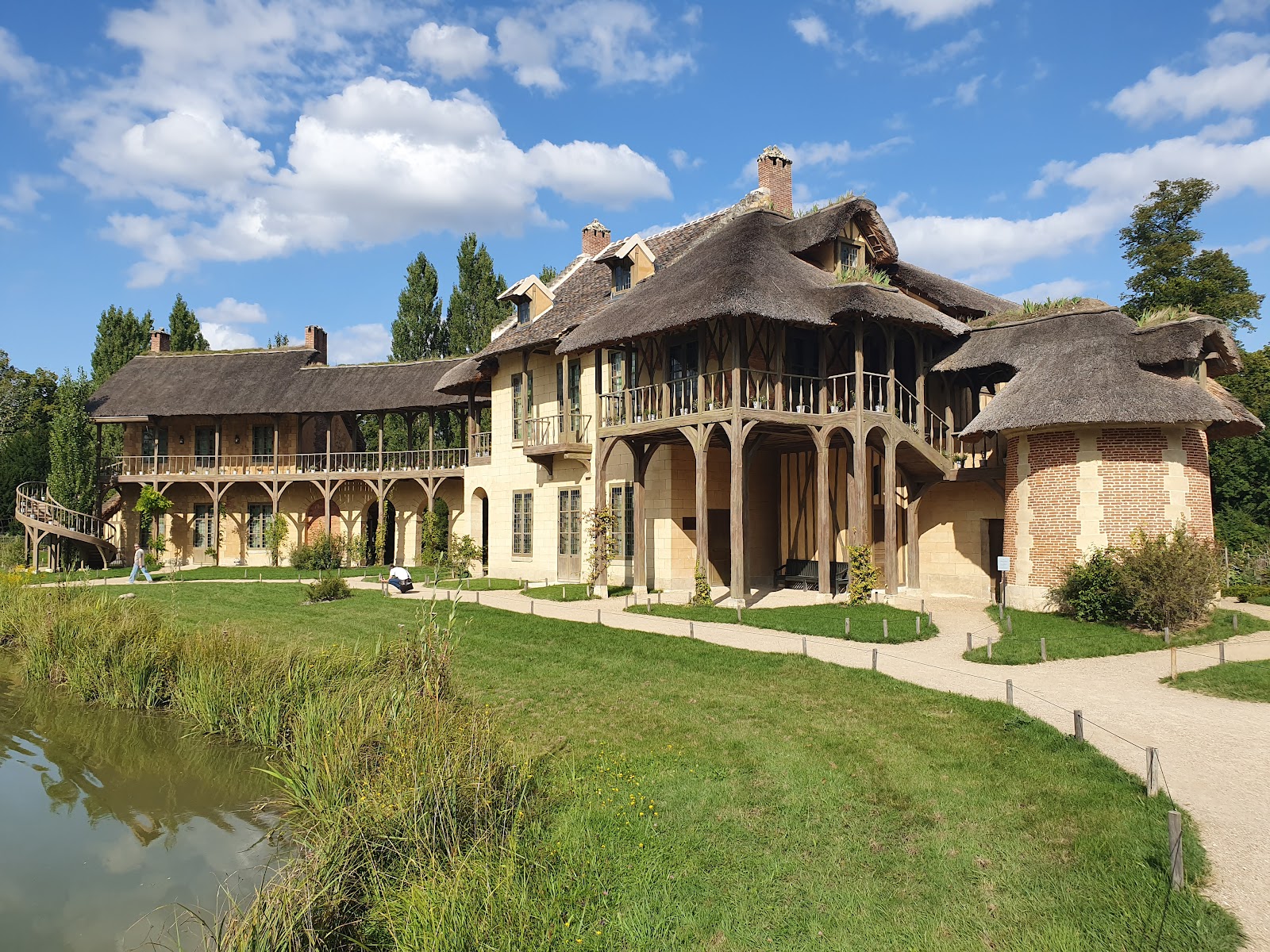
Wow! Stunning. Went for a walk to see Marie Antoinette's little village and wished we would have stayed longer. There is a lot to see. Recommend renting a golf cart or taking the little train to save your legs.
More of Versailles
Discover where to stay, what to do and the best deals for your trip.
Explore Versailles →More attractions in Versailles
All of Versailles →
Background adapted from Wikipedia (CC BY-SA) · map data © OpenStreetMap contributors · ratings & place photos via Google · other photos with per-image credit. Ticket links may earn us a commission at no extra cost to you.