
Ganh Dau
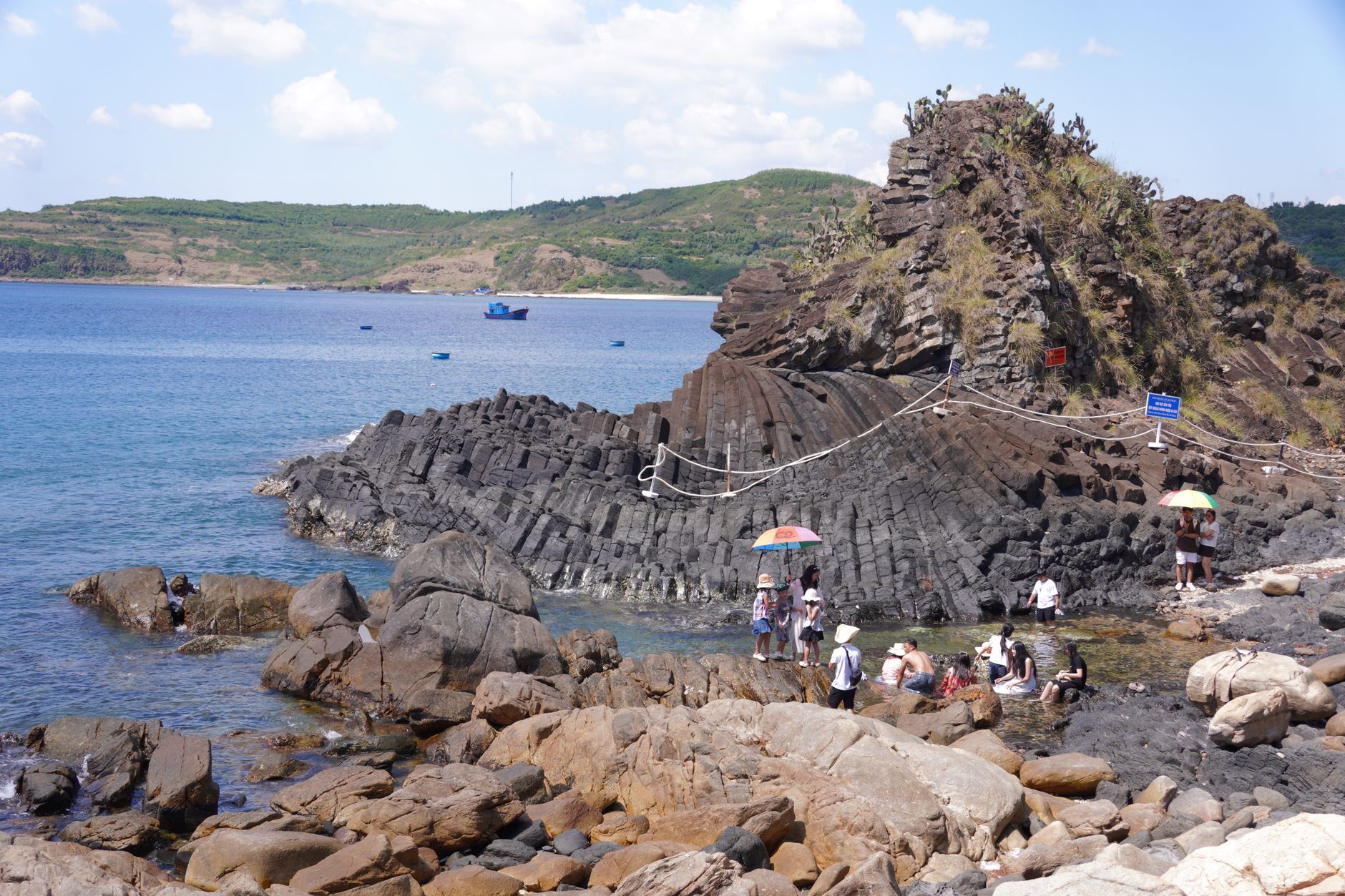
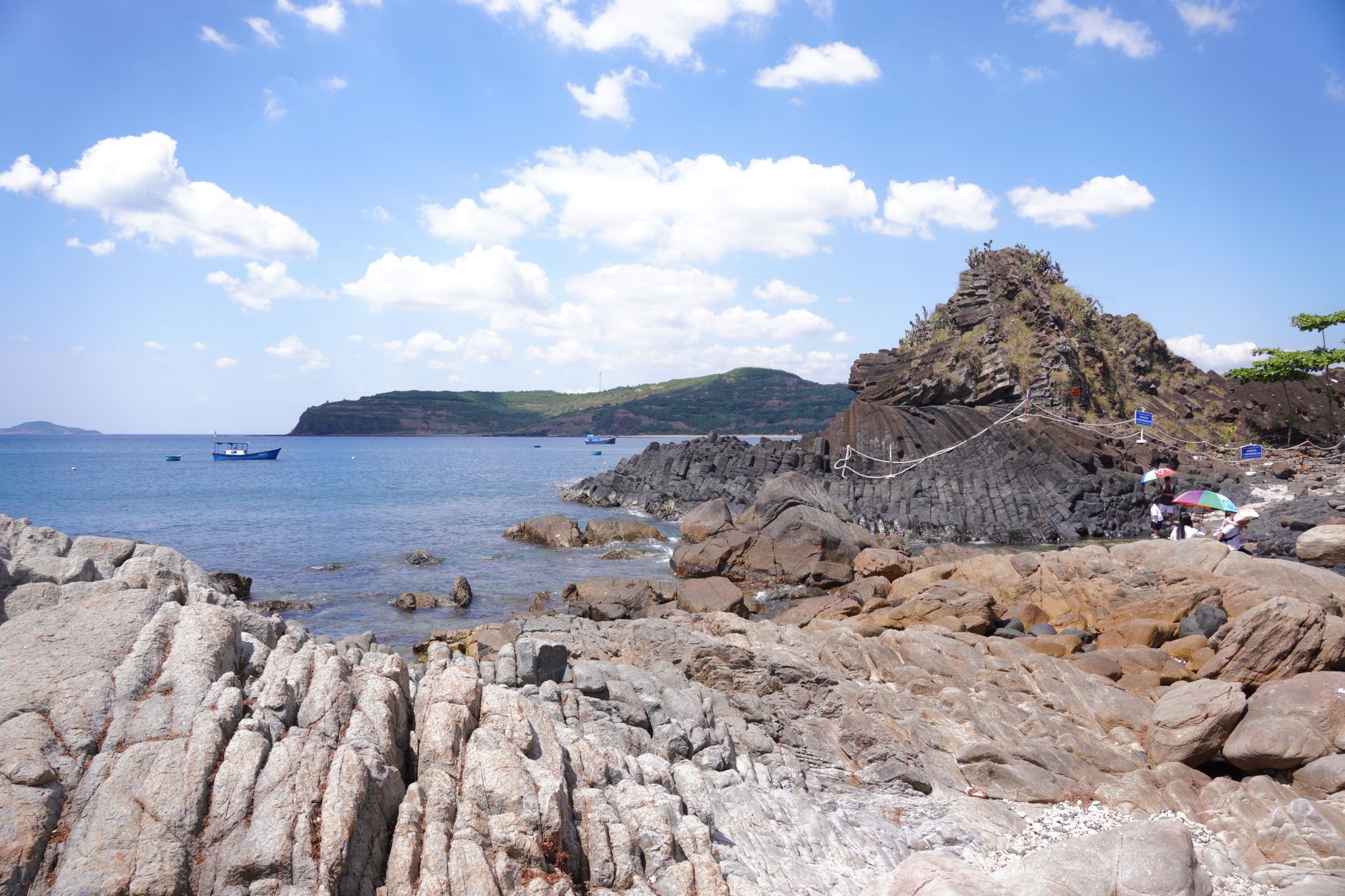
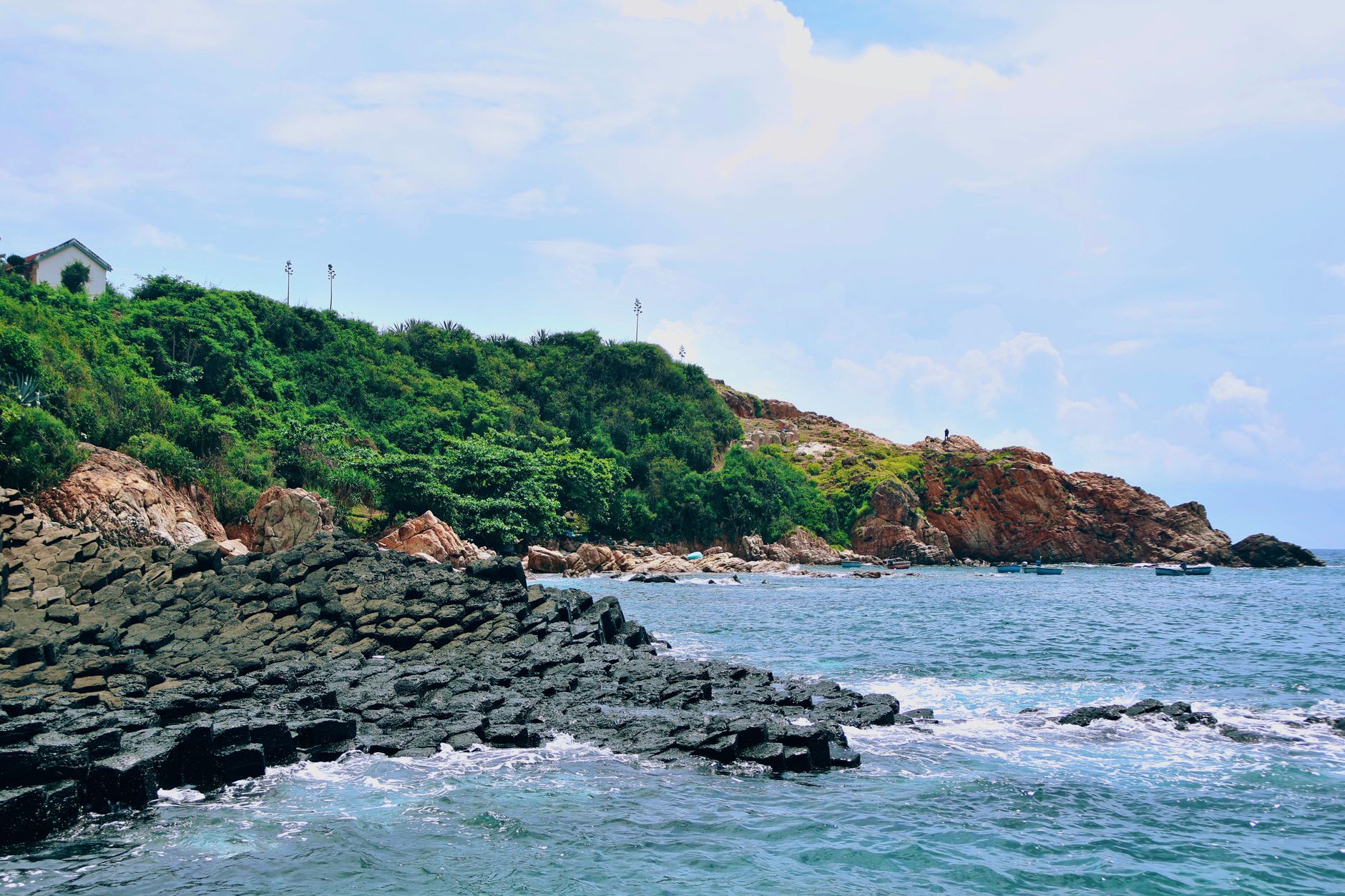
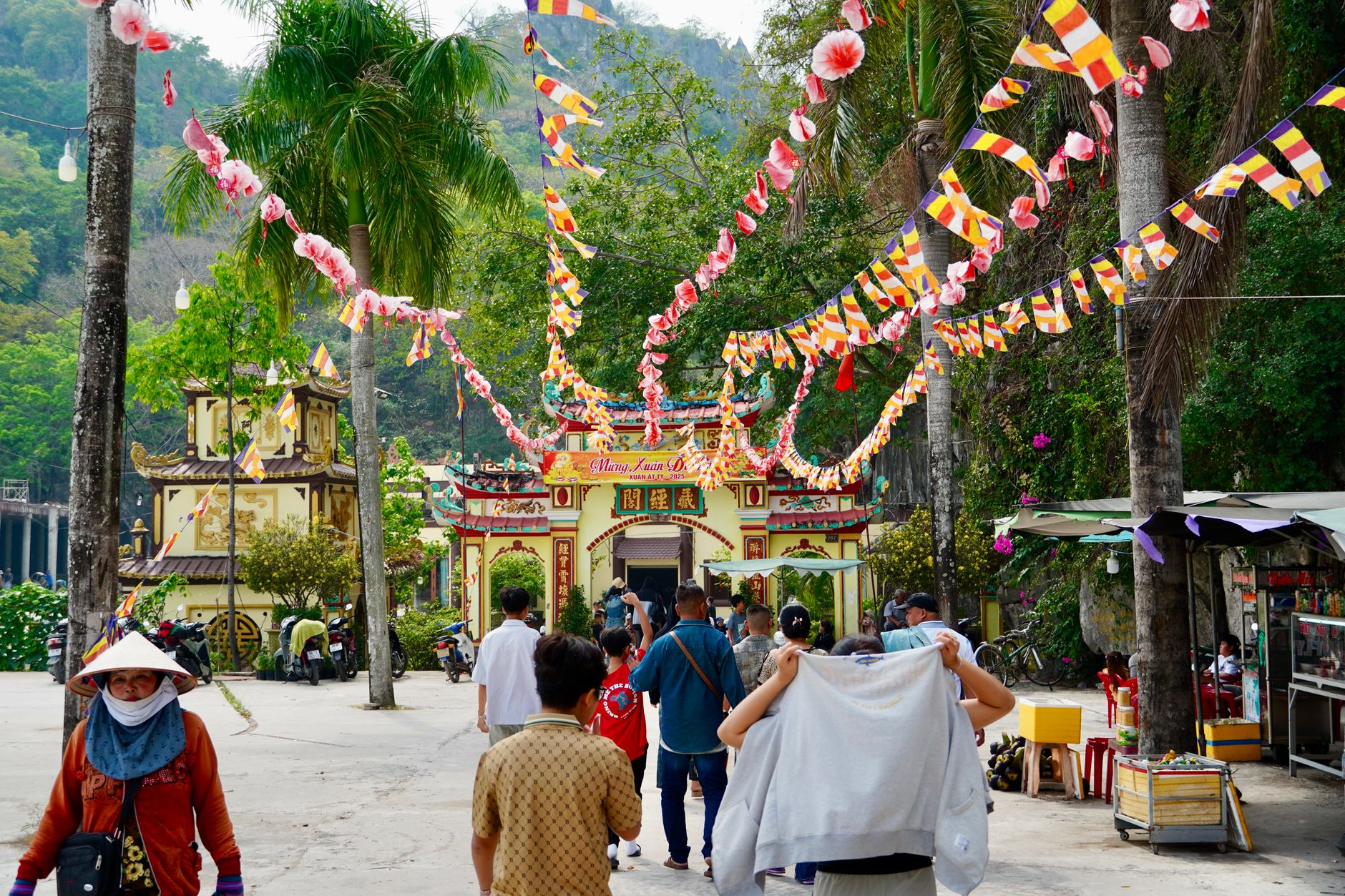
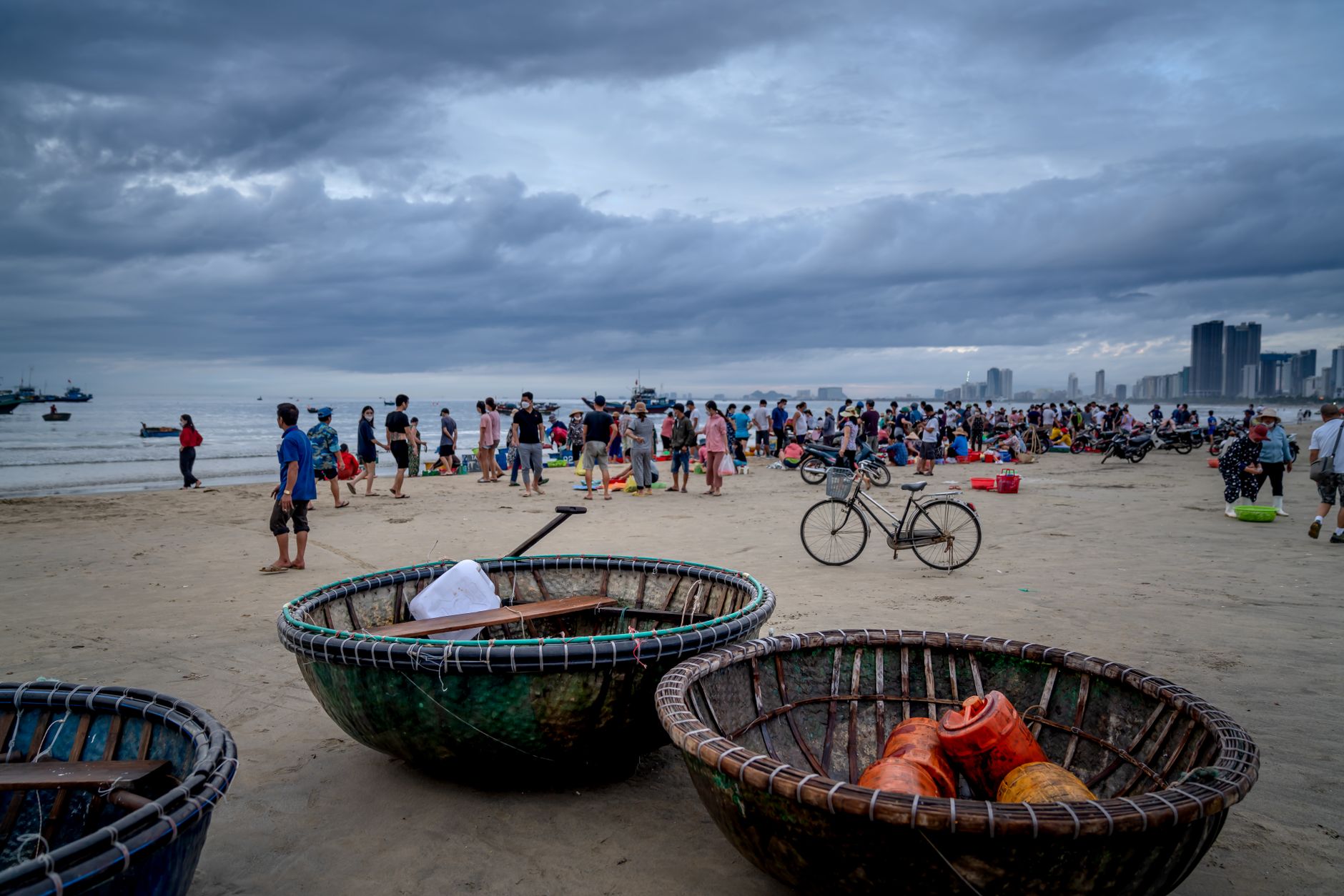
At the northwest tip of Phú Quốc, where the island finally runs out of road, Ganh Dau Cape pushes into the sea like a slow exhale. The beach here is short — about 500 metres of arc, backed by palms and sheltered on both flanks by low mountains — and the water in the dry months sits clear and almost still. Cambodia is visible on the horizon, close enough to feel like a fact rather than a curiosity.
The cape holds more than scenery. A temple built by islanders in 1993 marks the spot where, in 1868, the anti-colonial resistance leader Nguyen Trung Truc was captured by French forces — a moment that ended one of the most consequential local rebellions of the era. Ganh Dau is where Phú Quốc's quieter, older self and its newer, resort-scaled present sit side by side.
💛 What travellers fall for
People who come back tend to time it around the 27th day of the 8th lunar month, when the anniversary ceremony at the Nguyen Trung Truc Temple draws locals from across the island. Outside that day, the cape is genuinely quiet in the early morning — worth the drive up DT973 before the day-trippers arrive from Duong Dong.
Deals in Ganh Dau
Book directly at the provider


How Ganh Dau came to be
The name Ganh Dau carries two competing explanations: one traces it to the dầu rái tree, whose yellow oil grows abundantly here and warms the skin on contact; the other points to a French colonial-era lighthouse that burned oil to guide ships through these waters. Both stories reach back to the same period of outside presence on the island.
The sharper historical mark came in 1868. Nguyen Trung Truc — who had already sunk the French warship Esperanza in 1861 and led the recapture of Rach Gia in June 1868 — was caught by French colonialists at this cape and later executed in Rạch Giá at the age of 29. The temple raised here in 1993 by the people of Phú Quốc keeps that memory specific and local.
Who and what shaped it
People who shaped it
Landmark buildings
See Ganh Dau in motion
Plan your visit
On the map
When to go
November through April is the dry season: sea conditions are calm, water runs clear, and temperatures stay pleasant for swimming and walking the cape. From May onward, the southwest monsoon brings heavier rain and rougher water — the beach is still accessible but the experience changes considerably.
Right now
Background & history adapted from Wikipedia (CC BY-SA) · specs from Wikidata (CC0) · weather from Open-Meteo · map data © OpenStreetMap contributors · photos from Wikimedia Commons / Unsplash with per-image credit. No third-party reviews or social posts reproduced.