
Gallipoli Peninsula
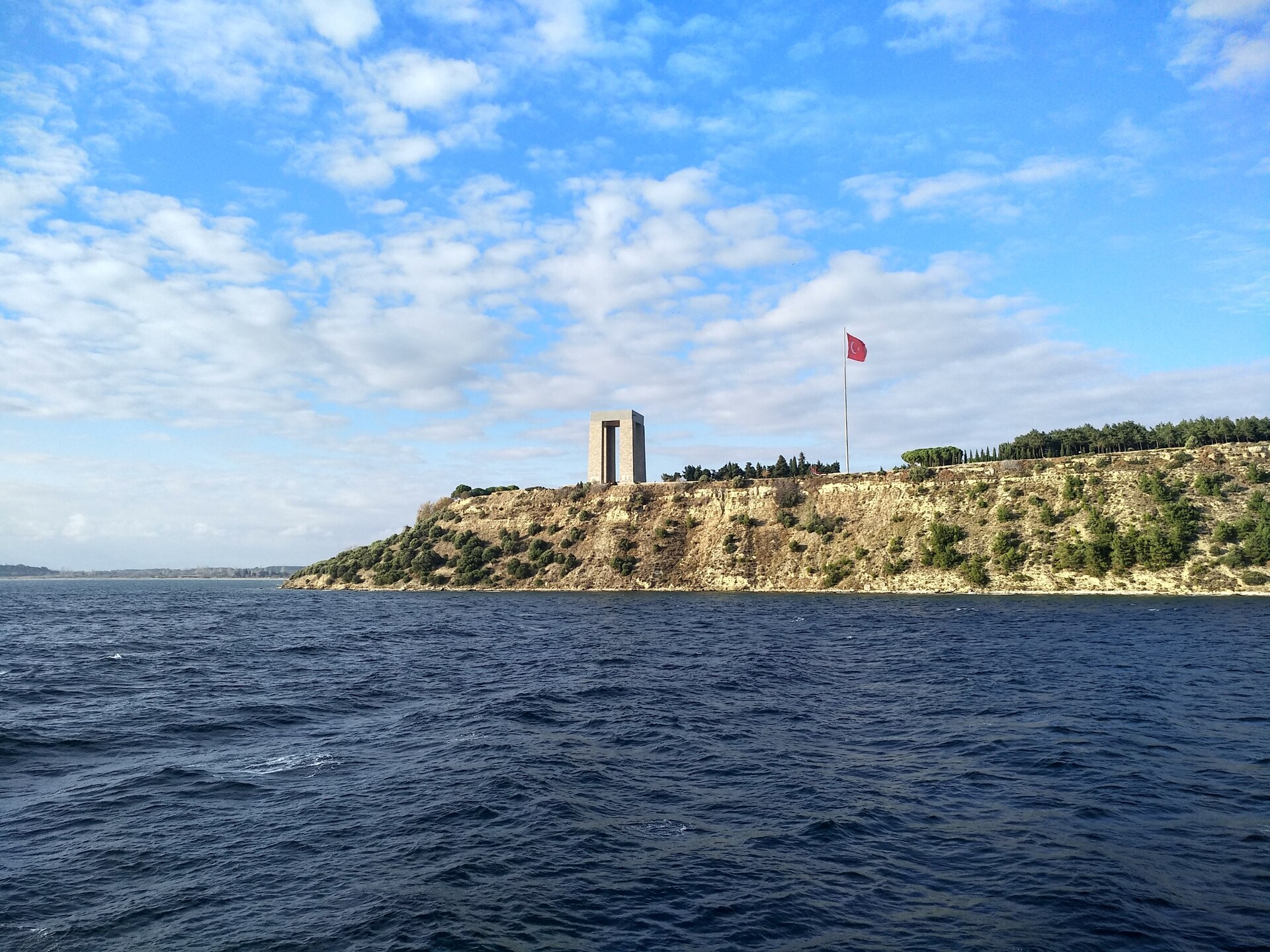
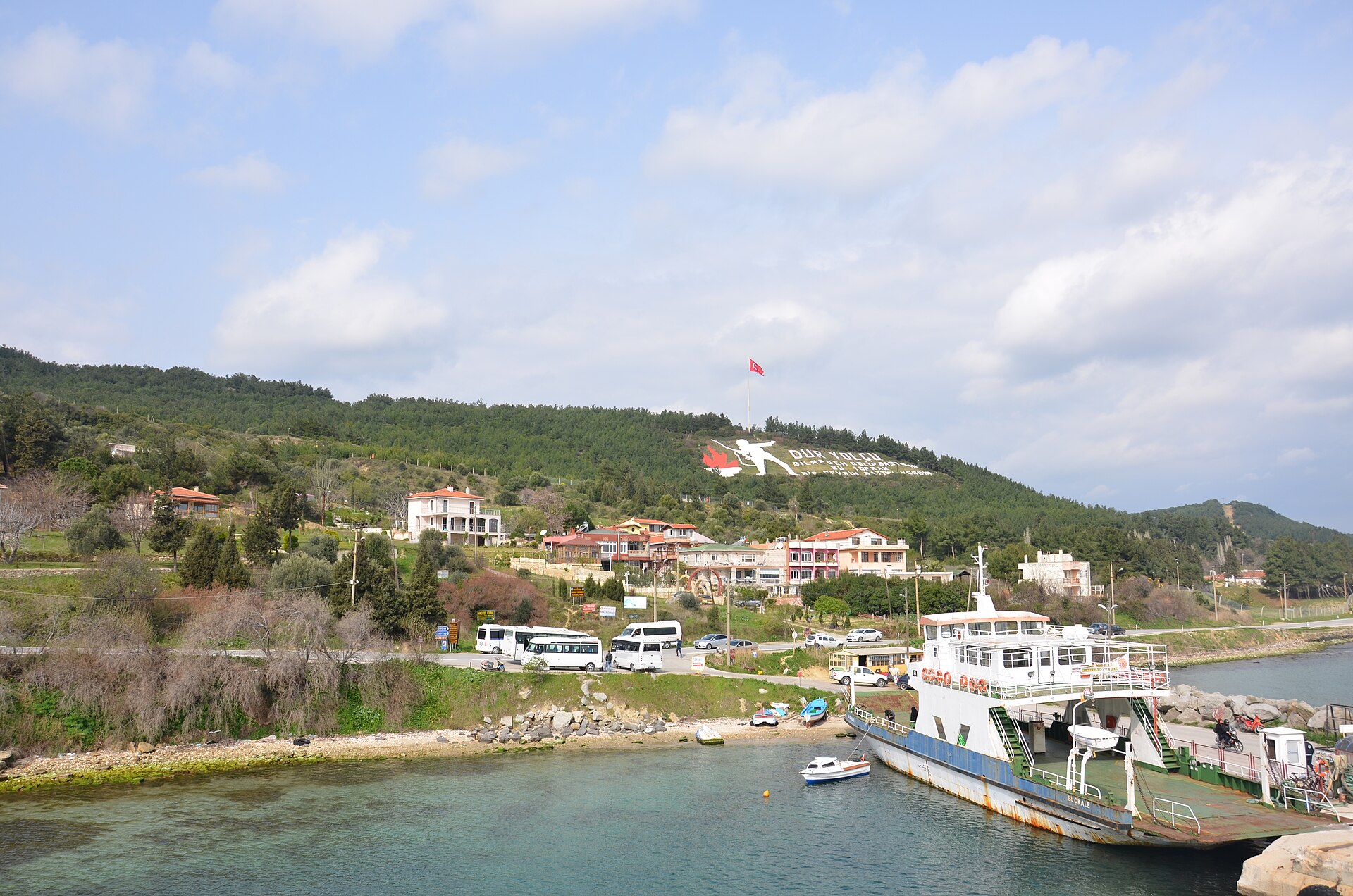
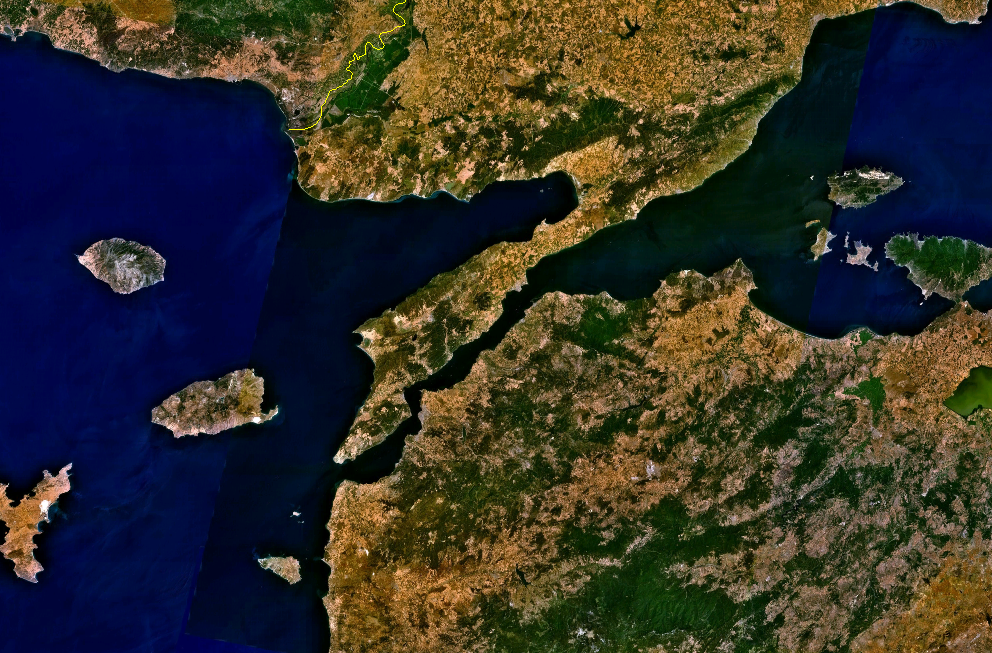
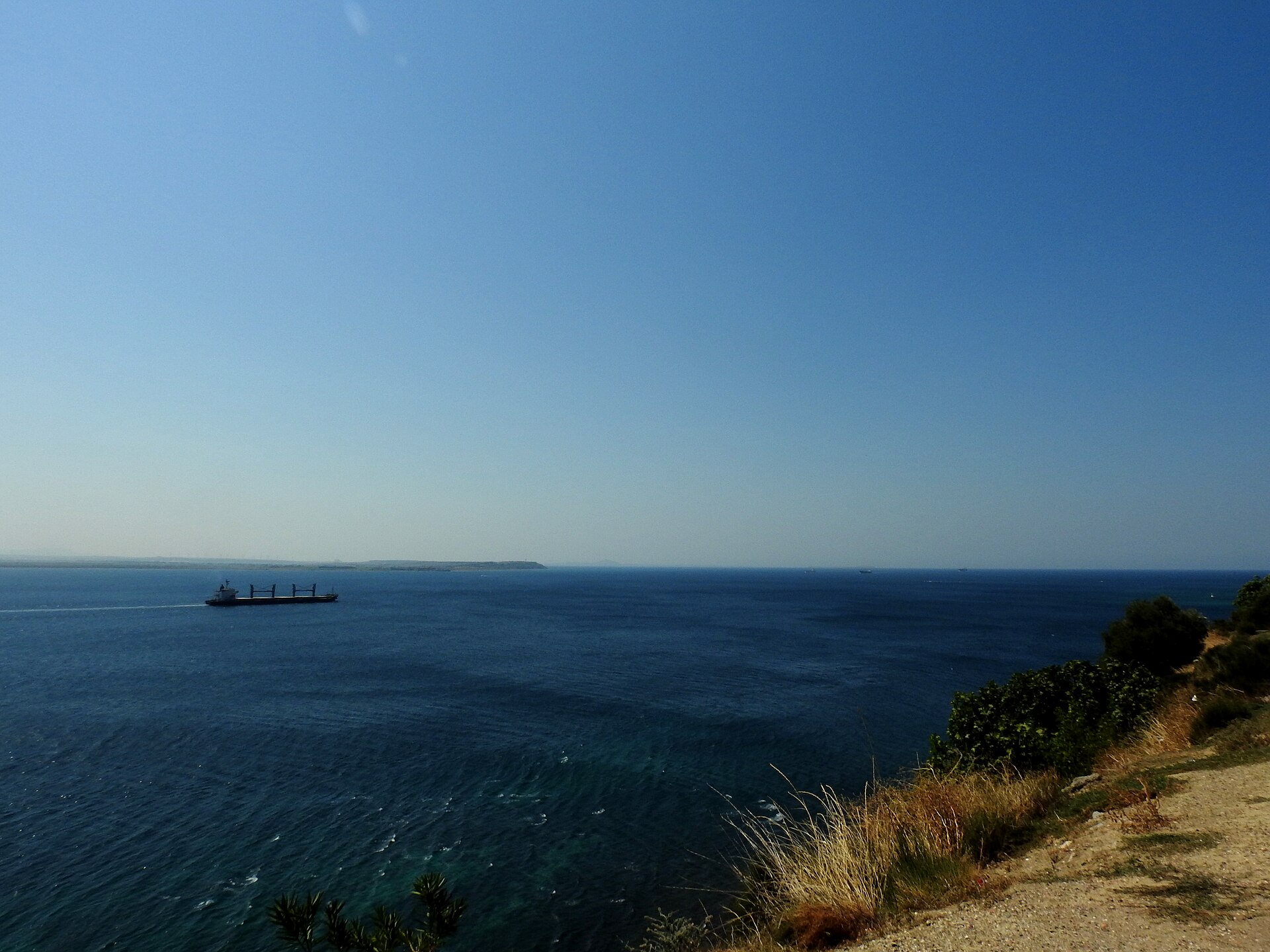
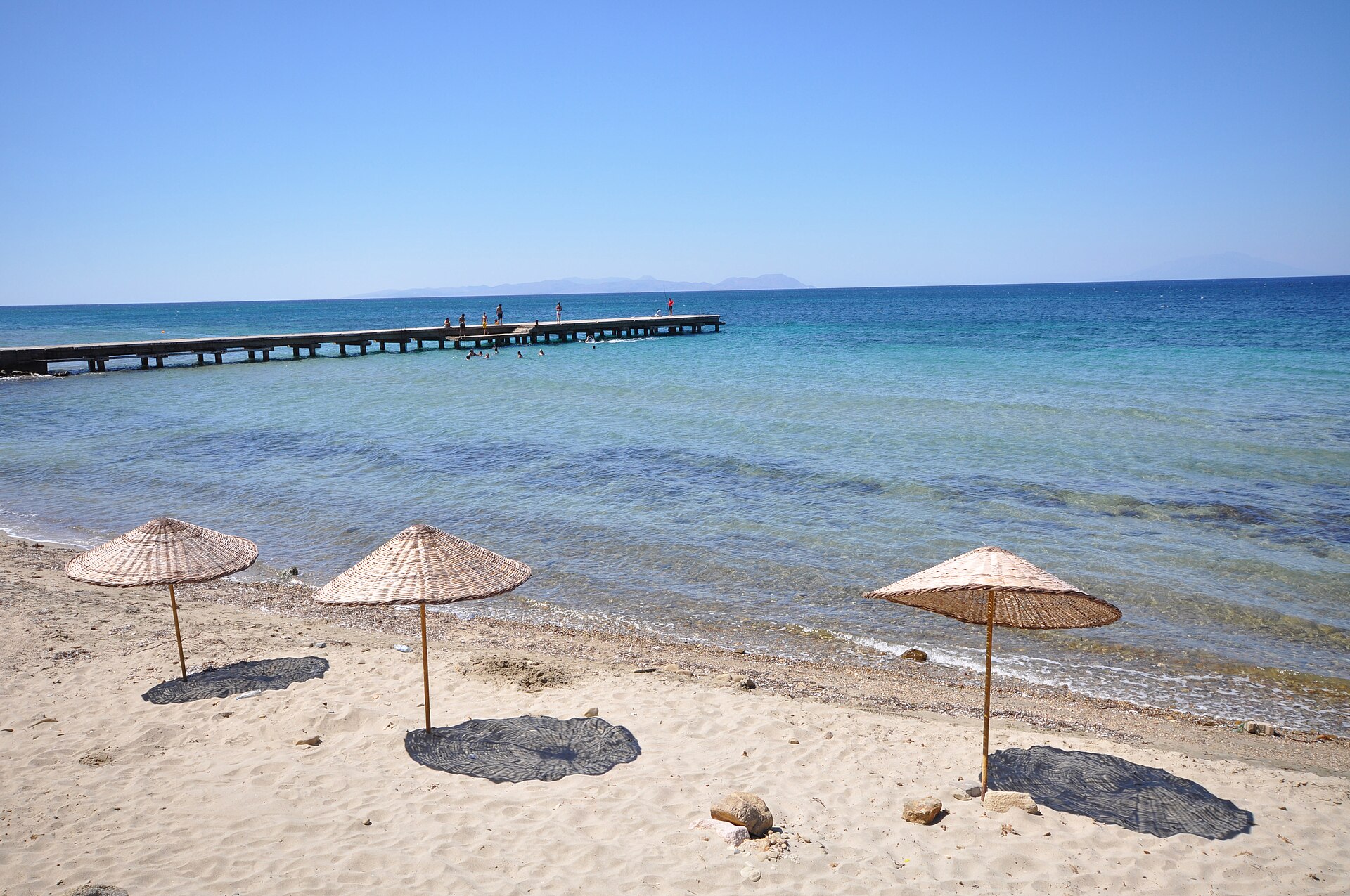

The Gallipoli Peninsula is a narrow finger of land where the Dardanelles meets the Aegean, and almost every square kilometre of it carries the weight of something that happened here. Ancient Greek cities rose and fell along its shores from the 7th century BC. The Ottomans crossed from Asia into Europe for the first time on this ground in 1354. Then, in 1915, a single eight-month campaign turned the peninsula into one of the most visited places of mourning on earth.
What you find when you arrive is quieter and stranger than the history suggests — pine-covered ridges, small bays, the occasional minibus, and an almost continuous scatter of cemeteries, memorials and fortifications stretching from the northern heights down to Cape Helles at the tip.
How Gallipoli Peninsula came to be
Greeks settled the peninsula — then called the Thracian Chersonese — around the 7th century BC, founding roughly a dozen cities including Cardia, Sestos and Callipolis, the town that eventually gave the whole place its name. The Ottoman chapter opened with an earthquake: in March 1354, a severe tremor destroyed Gallipolis and scattered its population. Gazi Suleyman Pasha, son of Sultan Orhan I, moved his troops in almost immediately, making Gallipoli the first Ottoman foothold on European soil and a staging post for the centuries of Balkan expansion that followed.
The 1915 Çanakkale campaign — in which Lieutenant Colonel Mustafa Kemal's decisions at Chunuk Bair proved decisive — transformed the peninsula into a landscape of cemeteries. There are now 40 Allied war cemeteries, around 20 Turkish ones, a French cemetery at Seddülbahir, and memorials including the Helles obelisk, which records nearly 21,000 servicemen with no known grave. The National Historical Park was formalised in 1973 and recognised as a World Heritage Site in 1998.
Who and what shaped it
People who shaped it
Landmark buildings
See Gallipoli Peninsula in motion
Plan your visit
On the map
When to go
Summers on the peninsula are hot and dry, with temperatures regularly above 30°C — workable for touring early in the morning, tiring by midday. Spring and autumn are the most comfortable seasons for walking the ridgelines; winters are mild but can be wet and windswept along the exposed southern cape.
Right now
Background & history adapted from Wikipedia (CC BY-SA) · specs from Wikidata (CC0) · weather from Open-Meteo · map data © OpenStreetMap contributors · photos from Wikimedia Commons / Unsplash with per-image credit. No third-party reviews or social posts reproduced.