
Fushimi
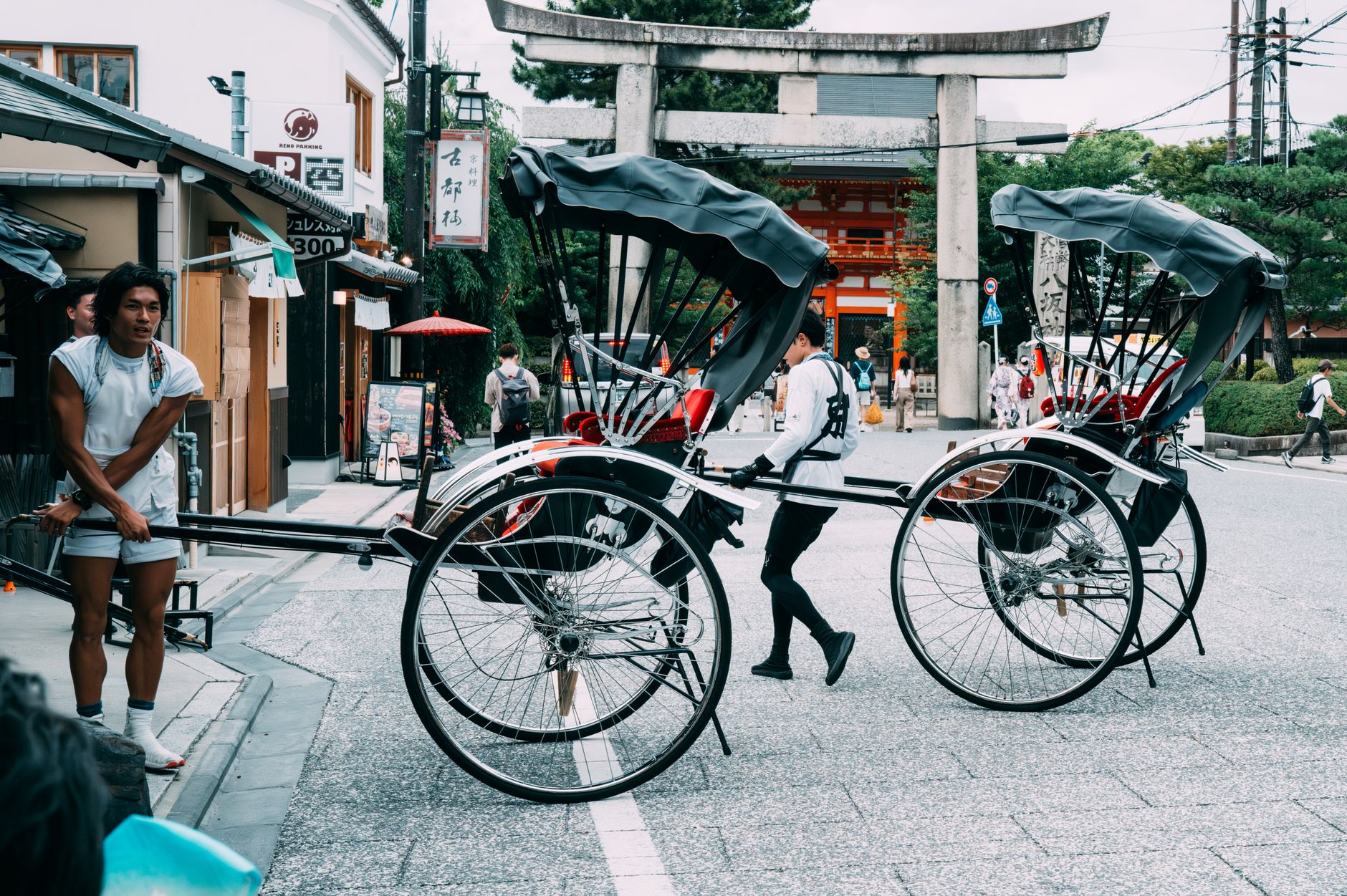
The name Fushimi means something like 'hidden water' — and the underground springs here are still the reason this district makes some of Japan's finest sake. Gekkeikan has been drawing on that soft, clean water since 1637, and Fushimi is now the country's second-greatest sake-producing area. That quieter, liquid story runs alongside the more photographed one.
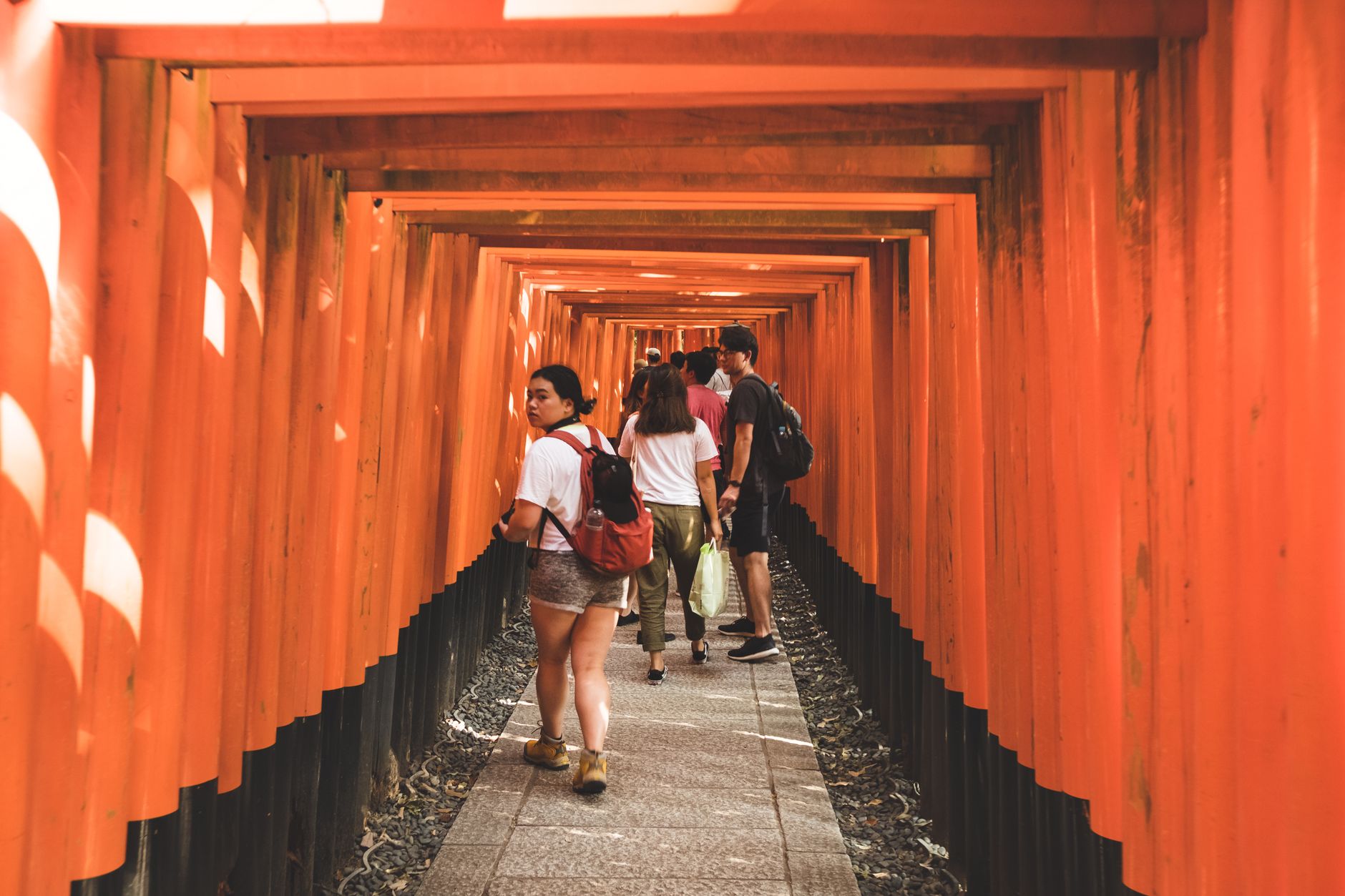
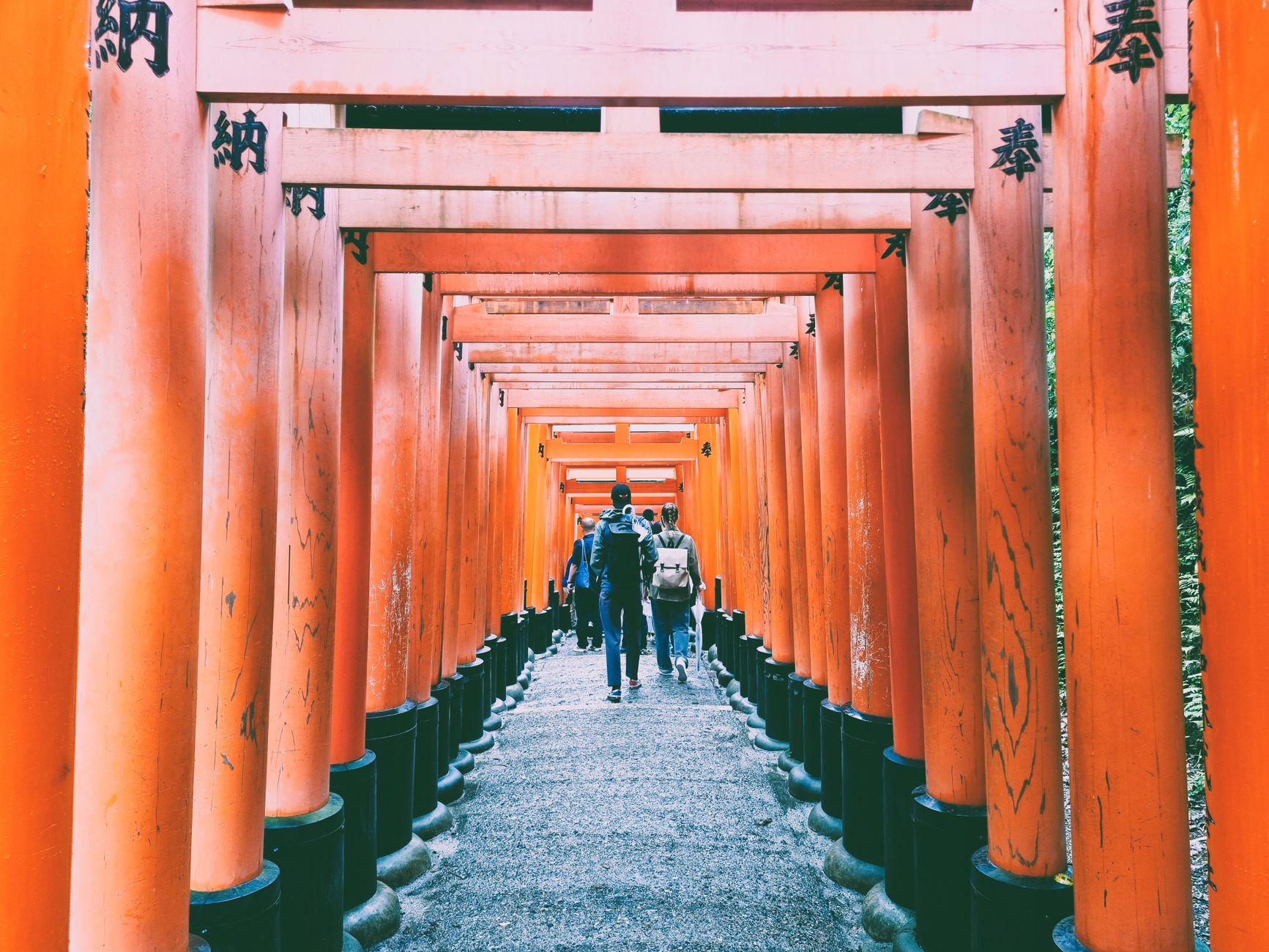
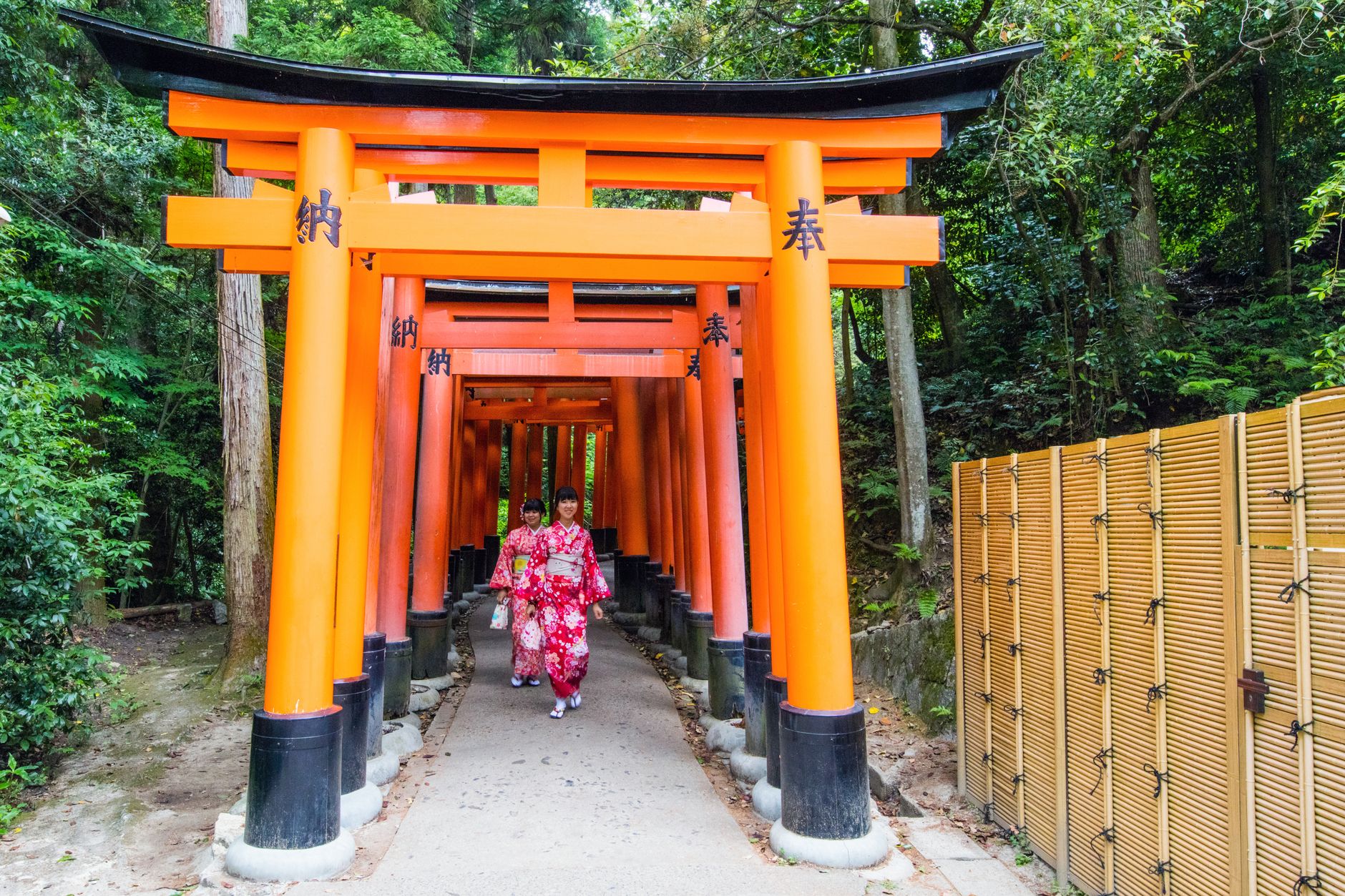
The photographed one is Fushimi Inari Taisha: roughly 10,000 vermilion torii gates climbing 233 metres up Mount Inari, the densest stretch forming a tunnel called Senbon Torii. The mountain trail runs four kilometres and takes about two hours to ascend. Come at seven in the morning or after dark, when the lanterns glow and the gates are mostly yours.
💛 What travellers fall for
People who return tend to agree on one thing: skip the full summit unless you have the time and legs for it. The Yotsutsuji intersection, about 30–45 minutes up, gives you a view back over the city and the gate density is still extraordinary. After that, the crowds thin but so do the gates. Inari sushi from the trail-side stalls on the way down is the right ending.
Deals in Fushimi
Book directly at the provider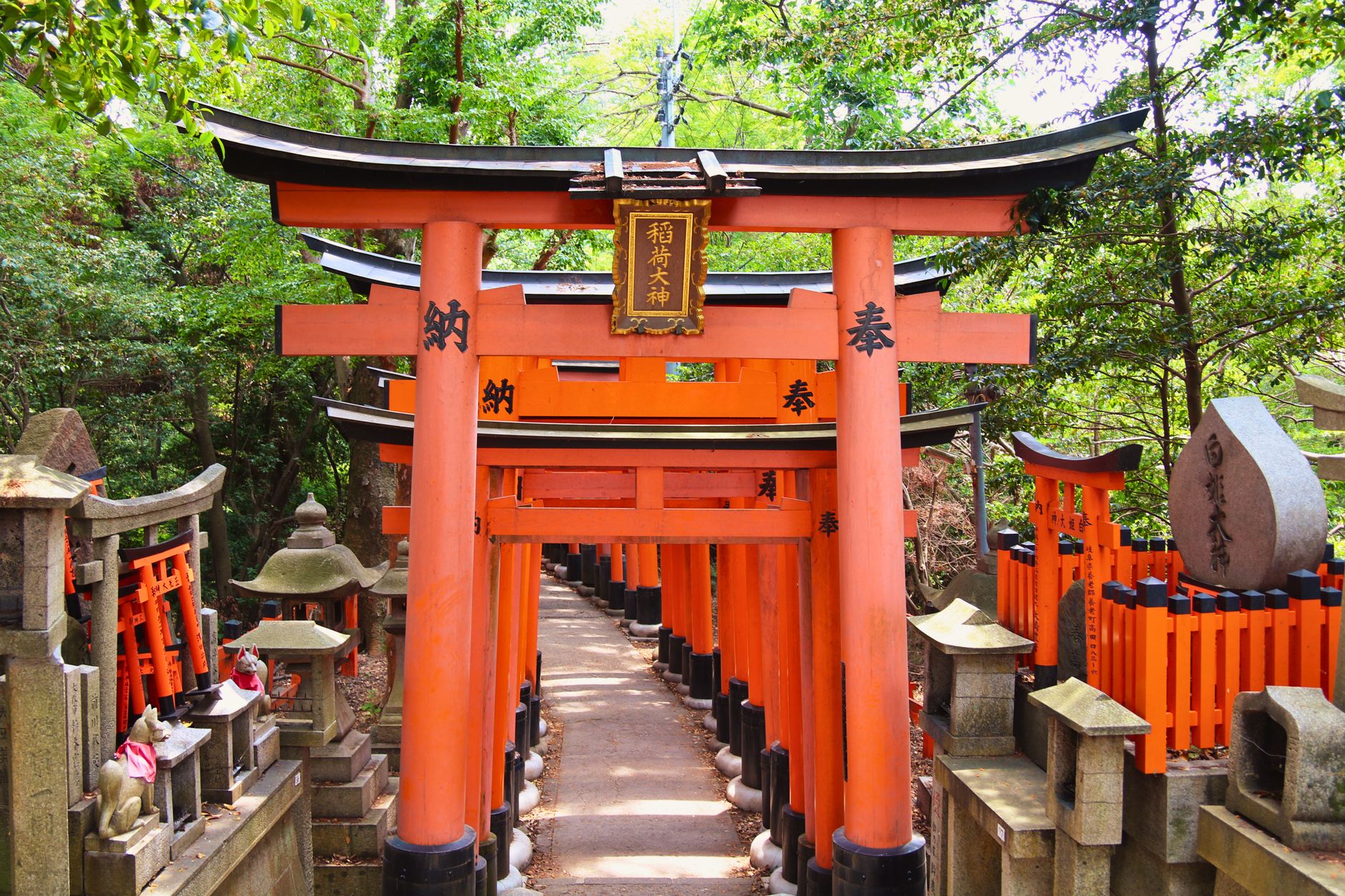
How Fushimi came to be
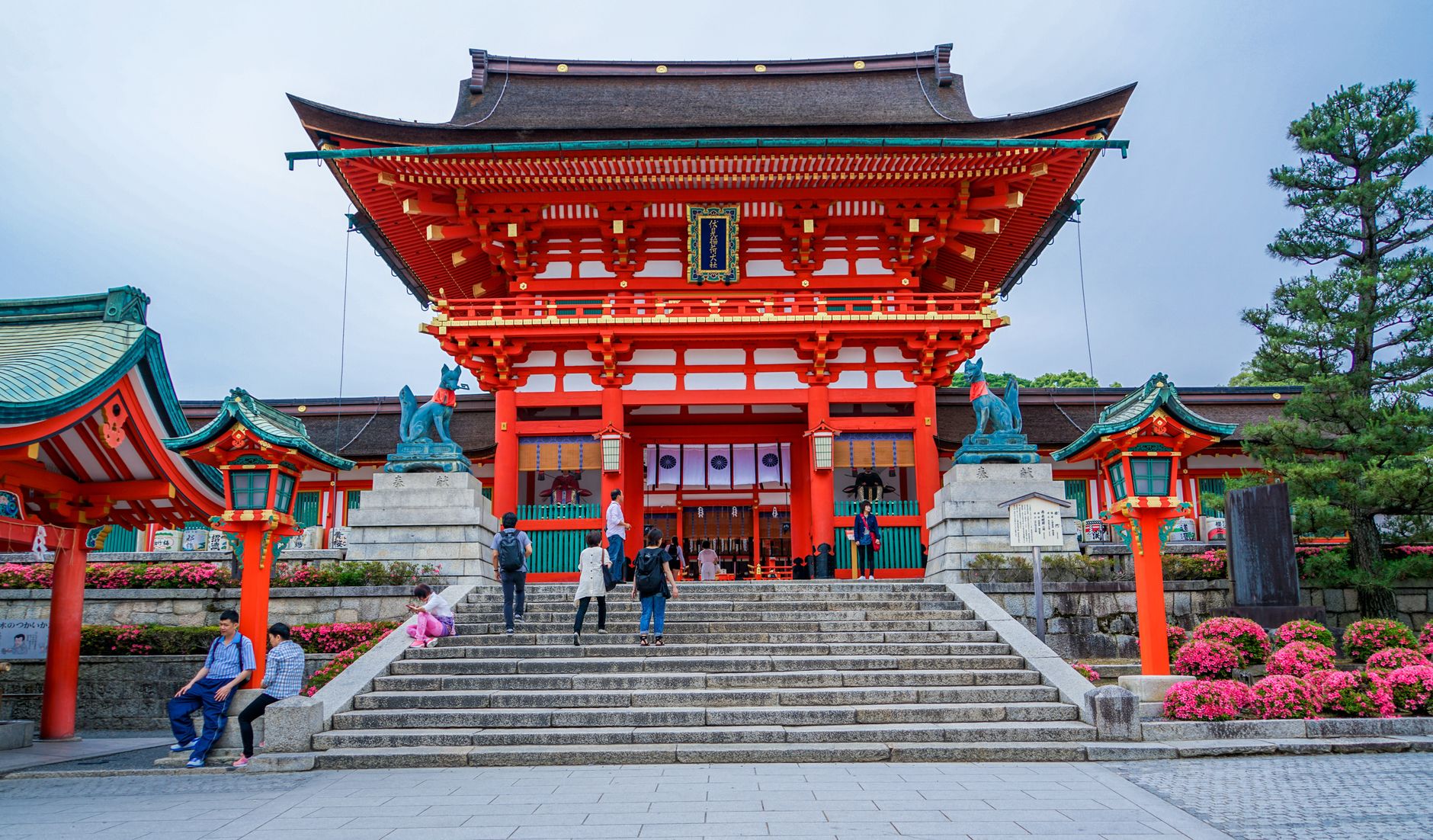
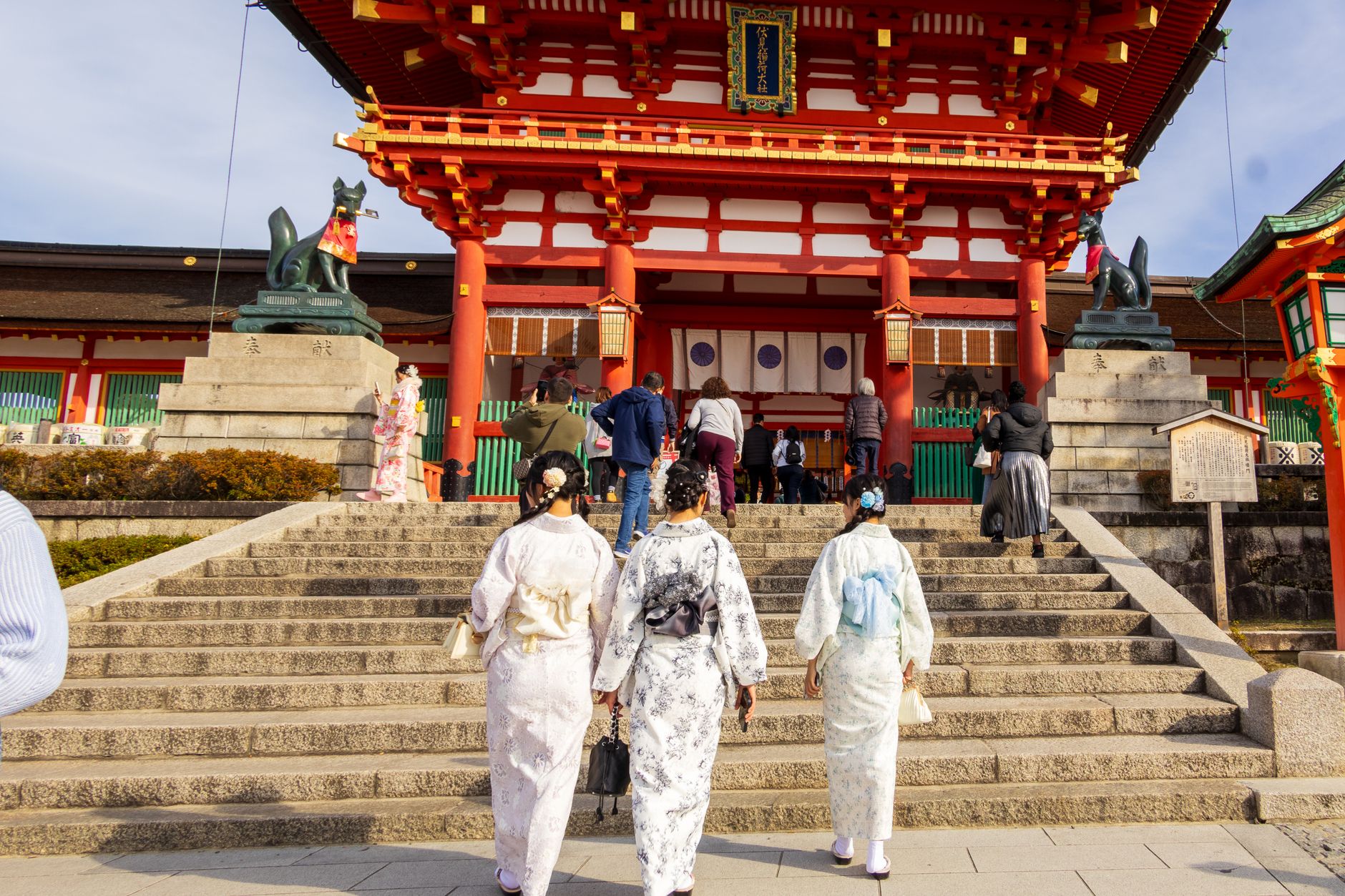
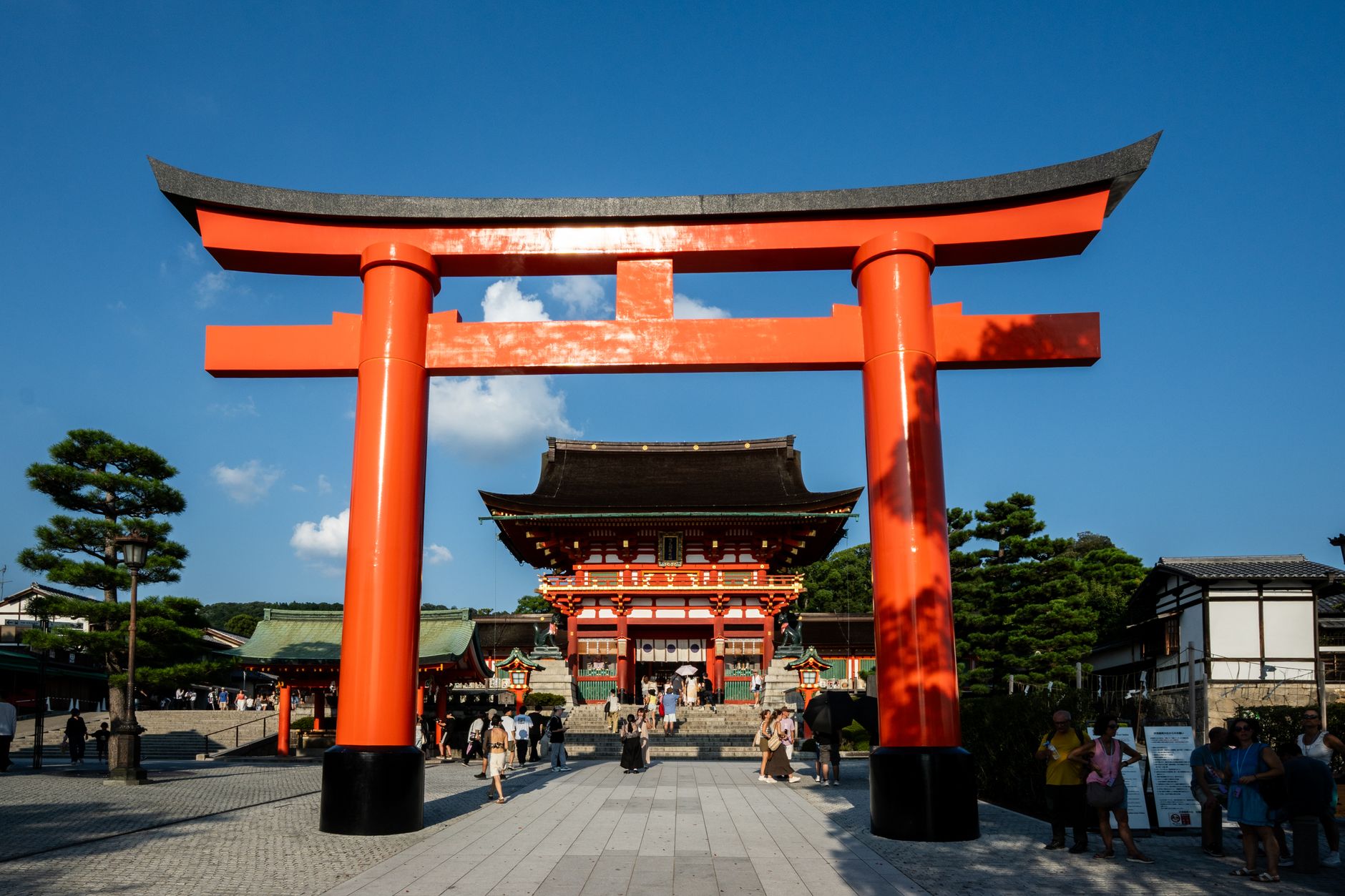
The Hata clan — an immigrant group from the Korean Peninsula — formally founded the shrine on Inariyama hill in 711 CE. A century later, in 816, the monk Kūkai requested that it be relocated; the main hall standing today dates to 1499. The Romon Gate was added in 1589 by Toyotomi Hideyoshi, the warlord who also built Fushimi Castle at the end of the 16th century, turning the wider district into a castle town.
The sake industry followed the water. Fushimi's soft springs made it ideal for brewing, and Gekkeikan established its brewery here in 1637. The shrine, meanwhile, grew into one of the most visited sites in western Japan — drawing 2.69 million worshippers in just three days over New Year 2006. Nintendo designer Shigeru Miyamoto has credited the shrine's fox imagery and gate tunnels as an inspiration for the Star Fox series; Nintendo's Kyoto campus is within walking distance.
Who and what shaped it
People who shaped it
Landmark buildings
See Fushimi in motion
Plan your visit
On the map
When to go
Spring and autumn are the easiest seasons — March through May brings mild temperatures rising to around 25°C, and September through November offers cooler air and turning foliage. Summer (July–August) regularly exceeds 30°C with high humidity; if you visit then, the early-morning window is not optional. Winter is chilly, occasionally snowy, and the gates look striking in frost — crowds are thinner too.
Right now
Background & history adapted from Wikipedia (CC BY-SA) · specs from Wikidata (CC0) · weather from Open-Meteo · map data © OpenStreetMap contributors · photos from Wikimedia Commons / Unsplash with per-image credit. No third-party reviews or social posts reproduced.