
Fujairah
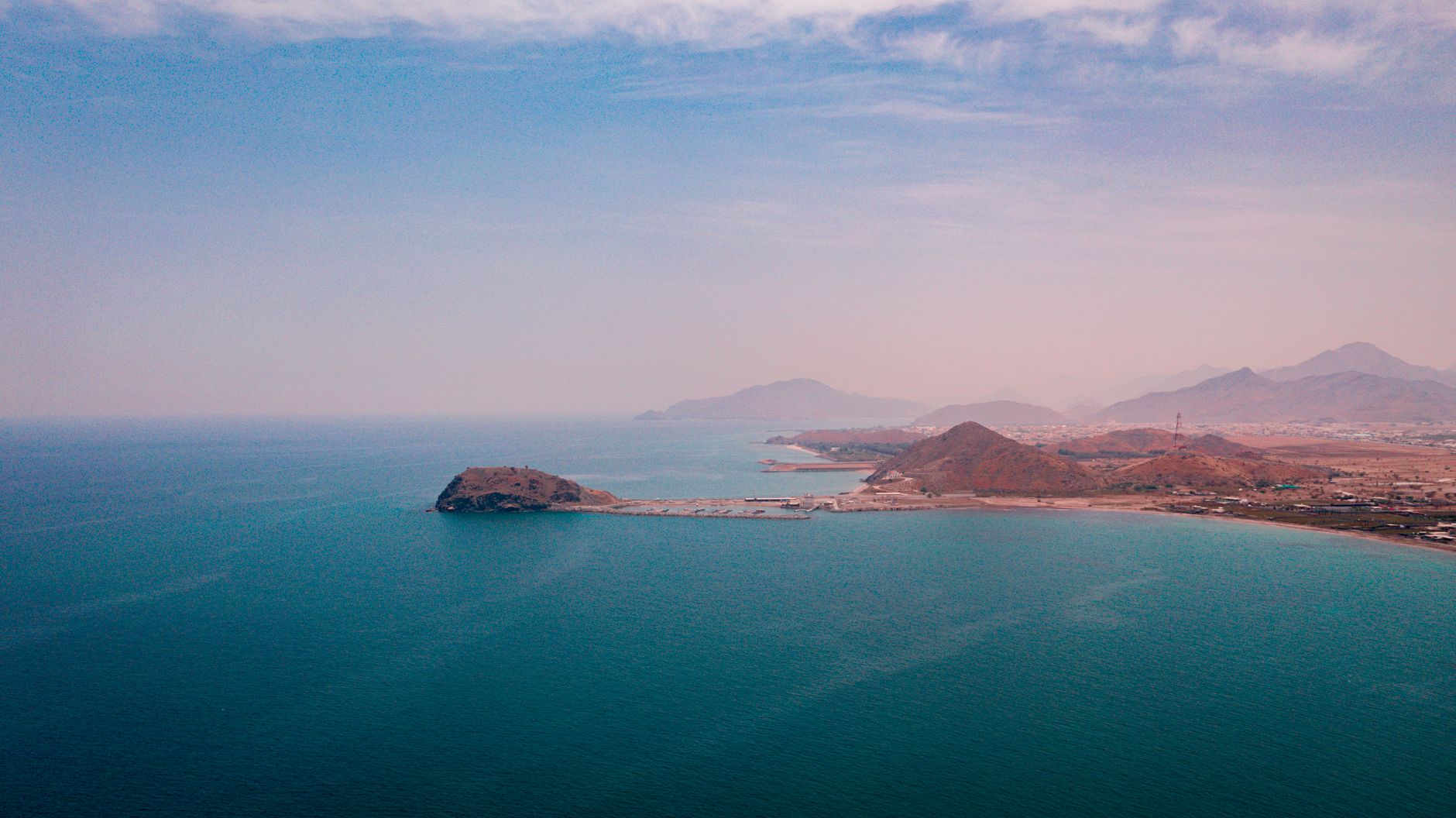
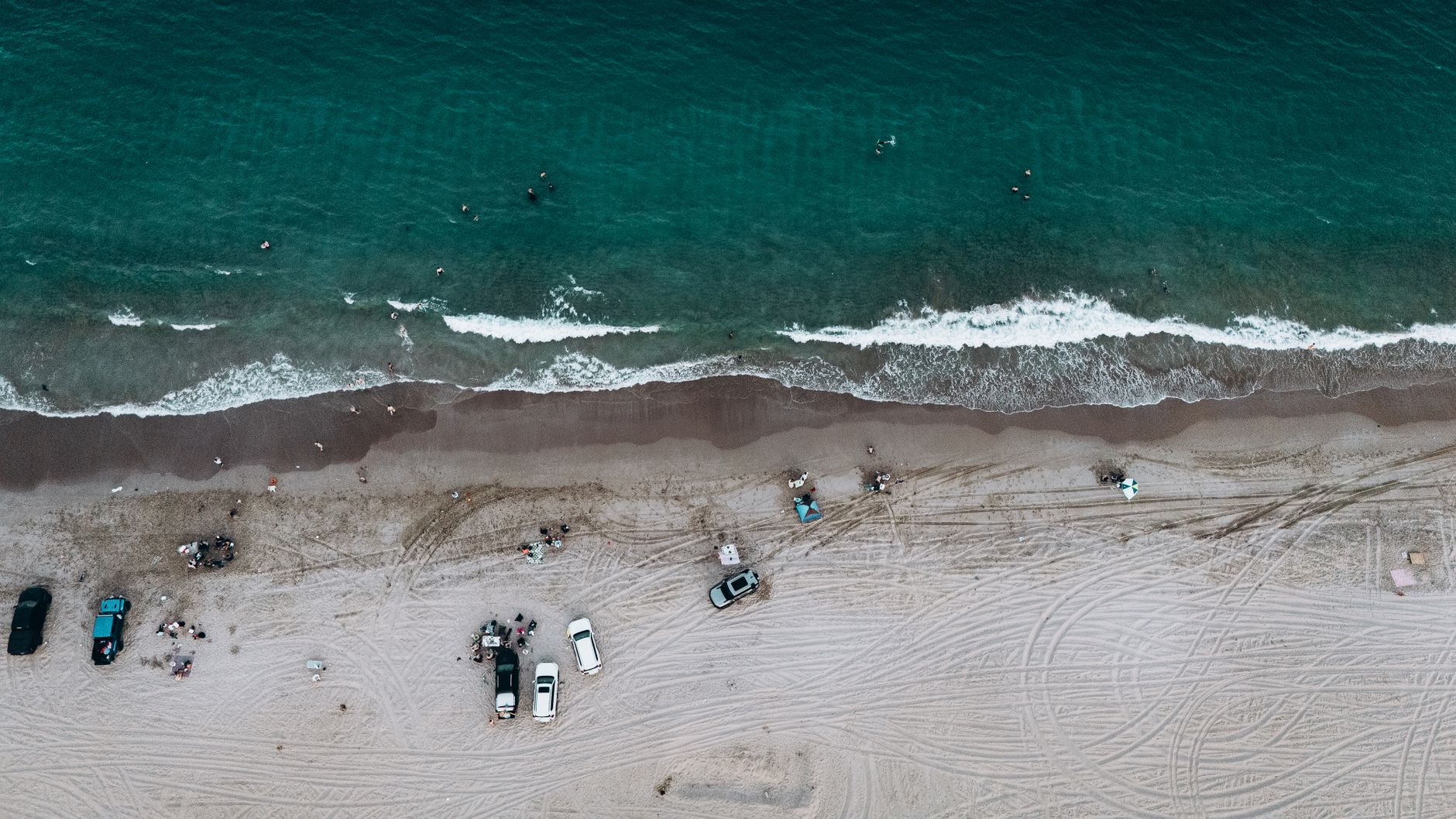
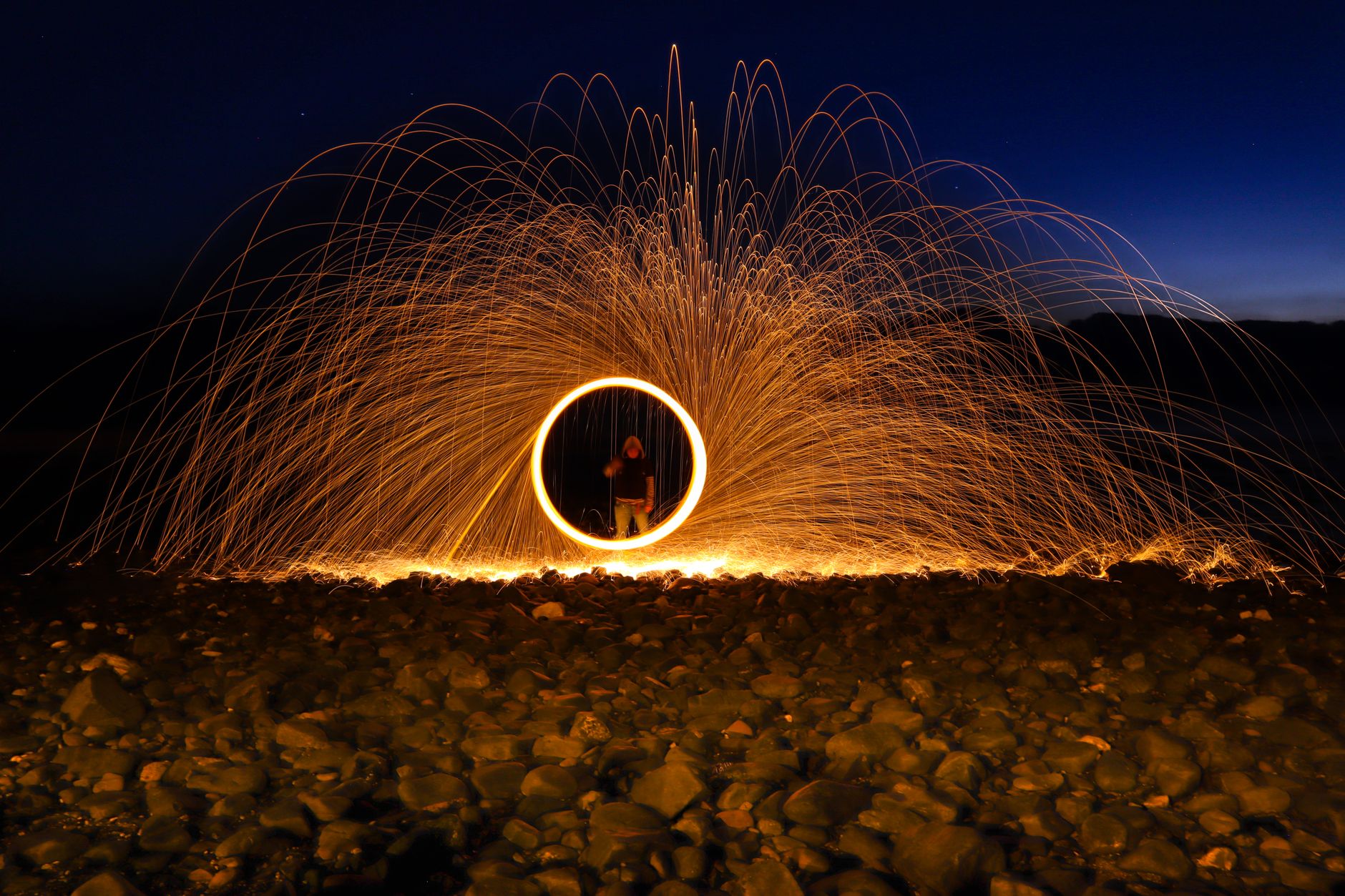
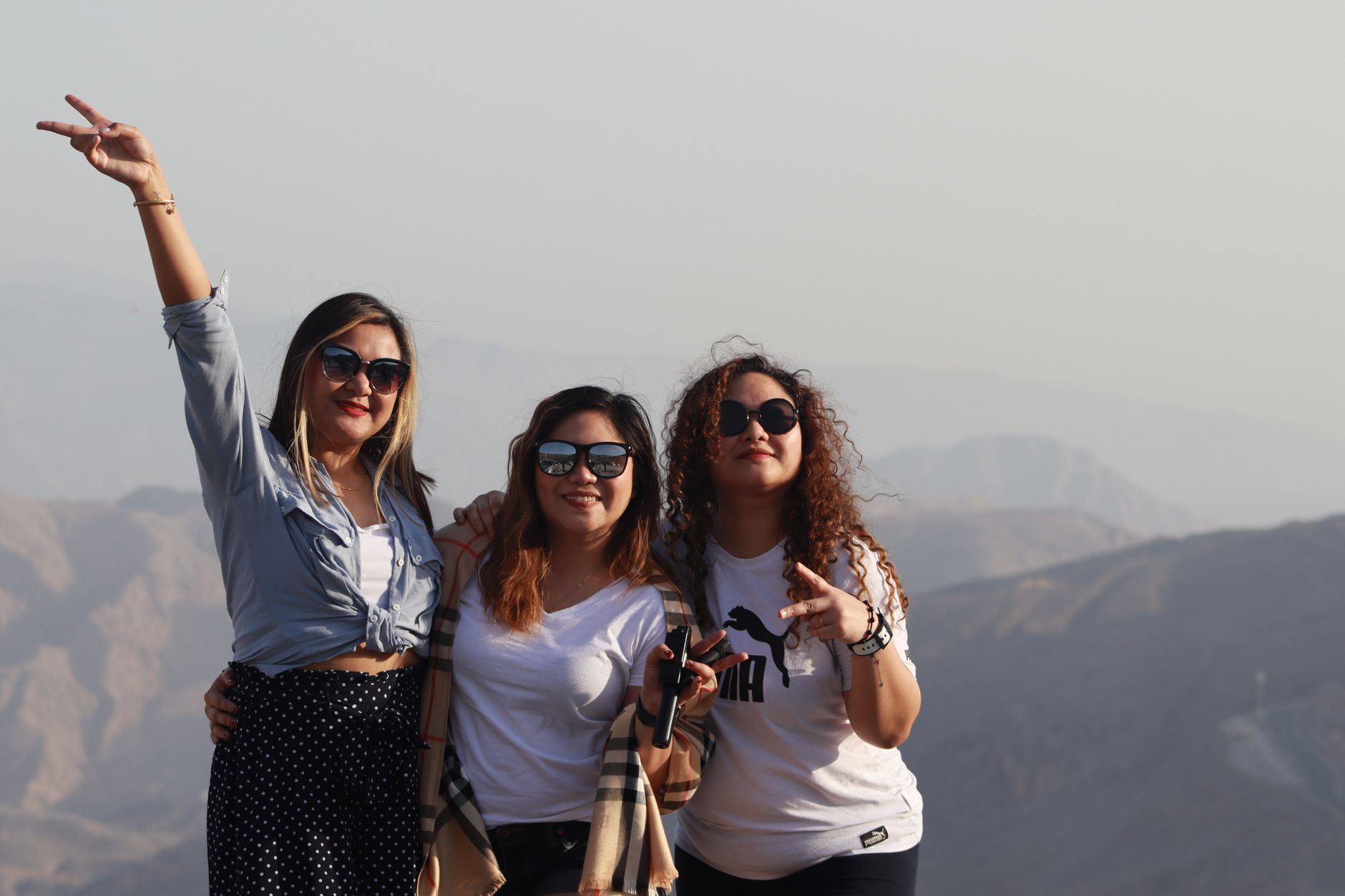
Fujairah is the only emirate in the UAE that sits entirely on the Gulf of Oman rather than the Arabian Gulf, and that simple geographic fact shapes everything about it. The Hajar Mountains press down almost to the shoreline here, leaving a narrow coastal strip where date palms, fishing boats and old stone forts occupy the same few kilometres.
What you find on this side of the mountains is a different pace from Dubai or Abu Dhabi — fewer towers, more textured coastline, and a history that reaches back to herders and fishermen around 3000 BC. The oldest mosque in the UAE still holds Friday prayers here, built in 1446 from mud and brick, its four low domes casting shadows on the same ground for nearly six centuries.
How Fujairah came to be
People have lived along this coast and in the wadis behind the Hajar Mountains for at least five thousand years. The modern political story begins in 1808, when Sheikh Mohammed bin Mattar of the Al Sharqi tribe established his castle and the settlement around it. His descendant Hamad bin Abdullah Al Sharqi, considered the emirate's founding father, declared independence from Sharjah in 1901 — a bold move for a small coastal territory. The British government formalised Fujairah's autonomous status in 1952, and the emirate joined the UAE at its formation in 1971.
Fujairah Fort, built around 1670, stood for centuries as the only stone structure on the entire coast — home and stronghold for the ruling family in one. The Port of Fujairah opened in 1983, gradually turning this quiet stretch of the Gulf of Oman into one of the world's busiest bunkering hubs.
Who and what shaped it
People who shaped it
Landmark buildings
See Fujairah in motion
Plan your visit
On the map
When to go
December through March is the window most visitors aim for — daytime temperatures sit between 20°C and 25°C, and the Hajar Mountains occasionally catch enough cloud to bring brief rain. From June to September, summer heat arrives in force and the coast becomes uncomfortable for extended outdoor time.
Right now
Background & history adapted from Wikipedia (CC BY-SA) · specs from Wikidata (CC0) · weather from Open-Meteo · map data © OpenStreetMap contributors · photos from Wikimedia Commons / Unsplash with per-image credit. No third-party reviews or social posts reproduced.