
Fuerteventura
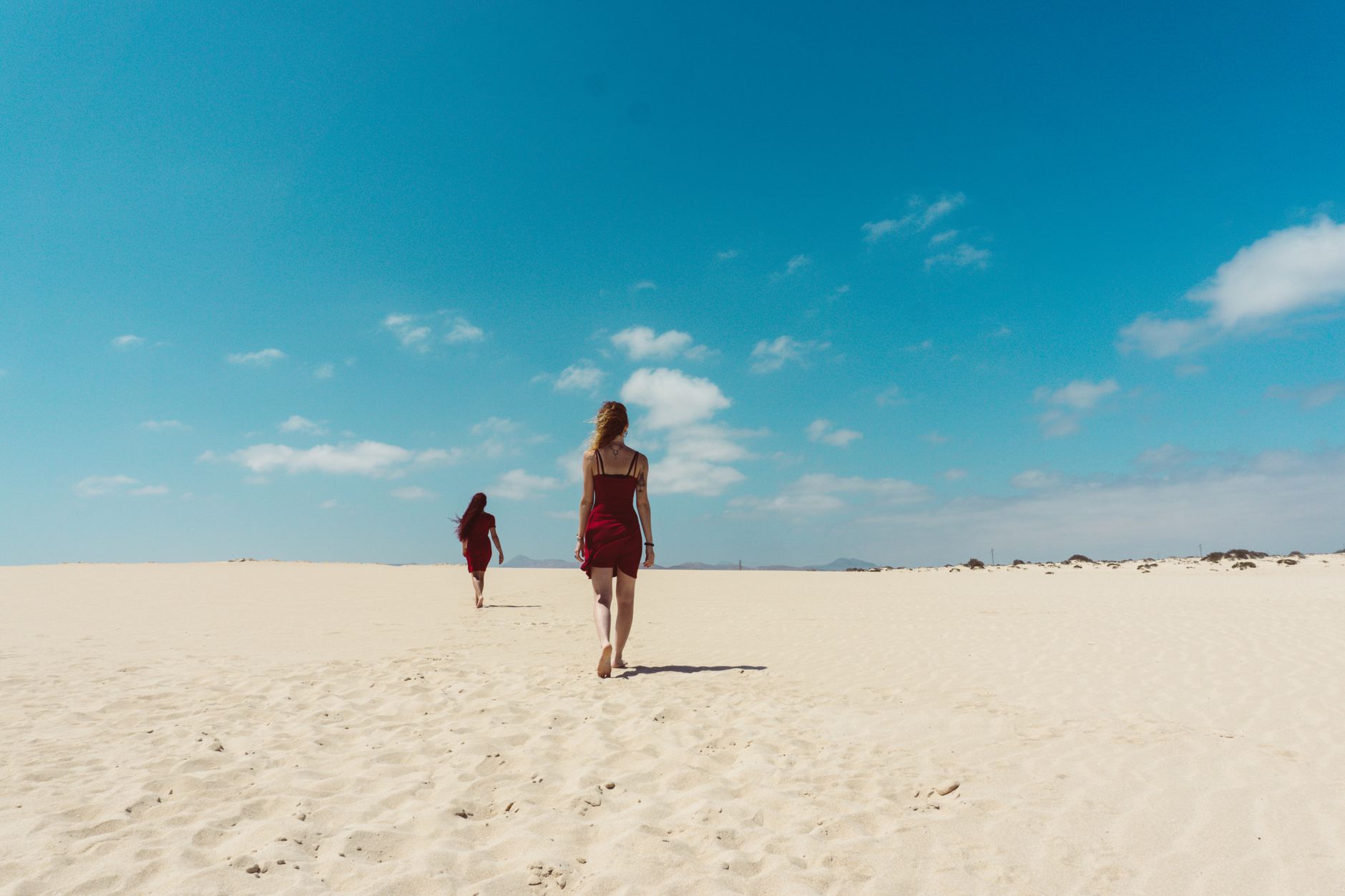
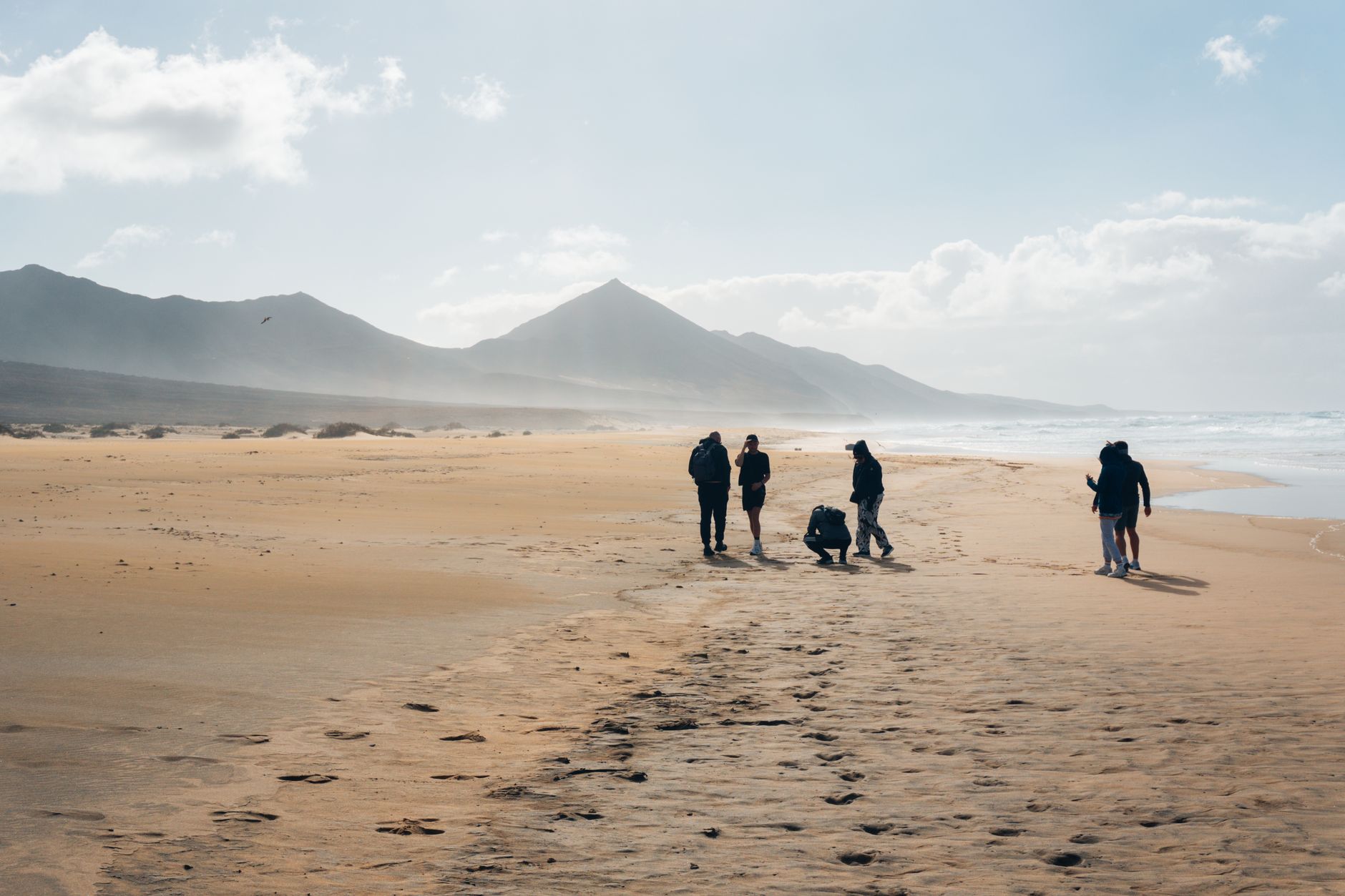
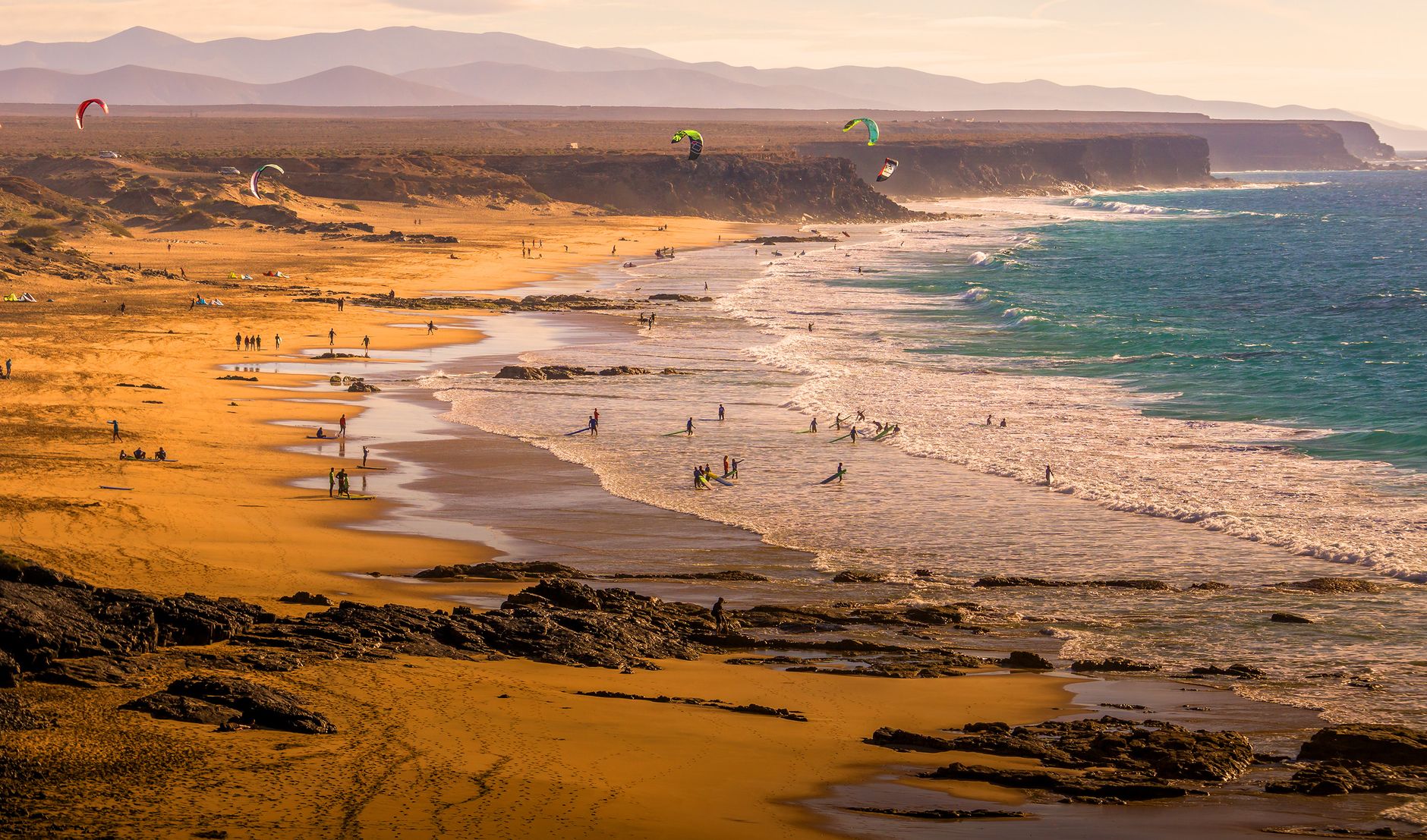
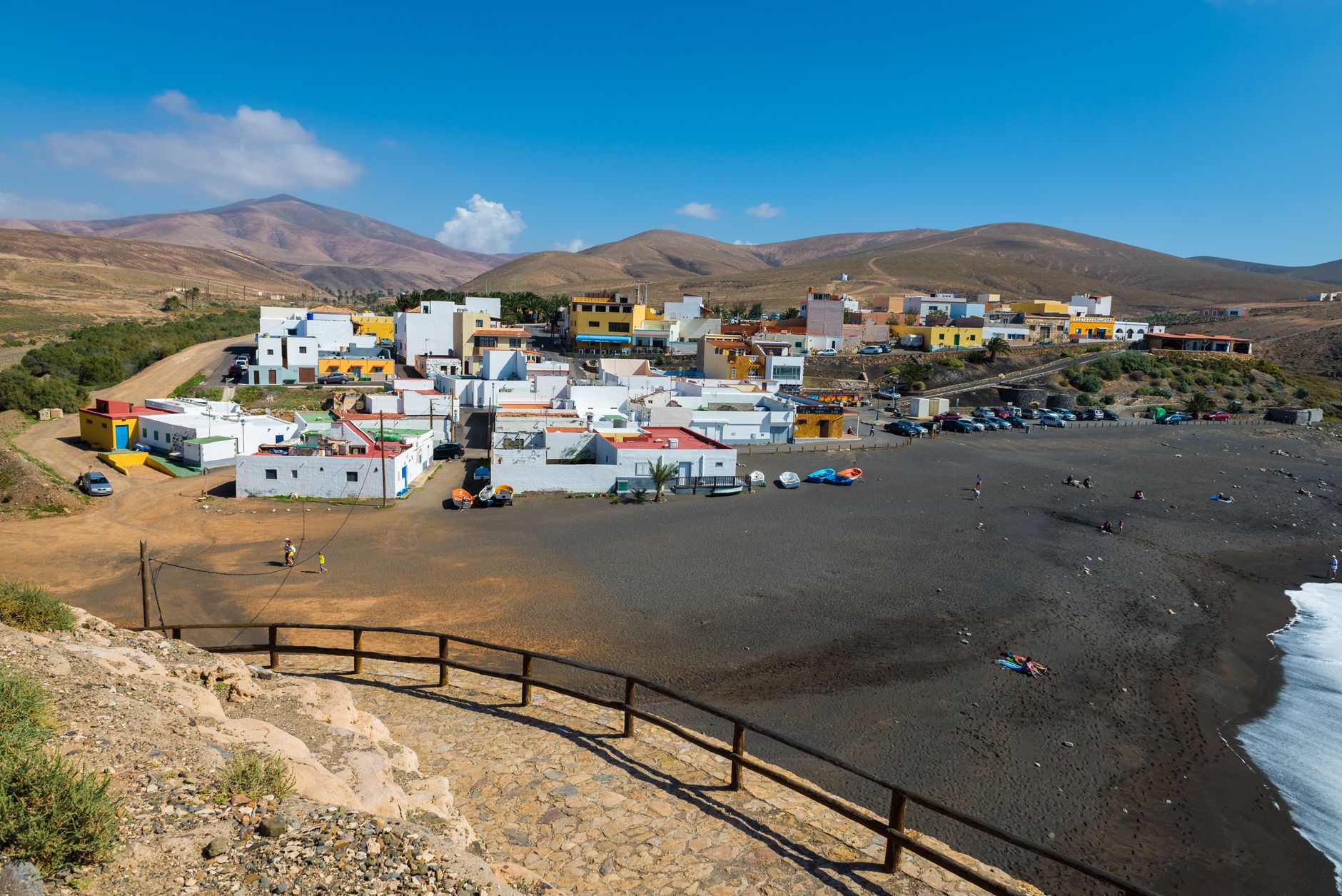
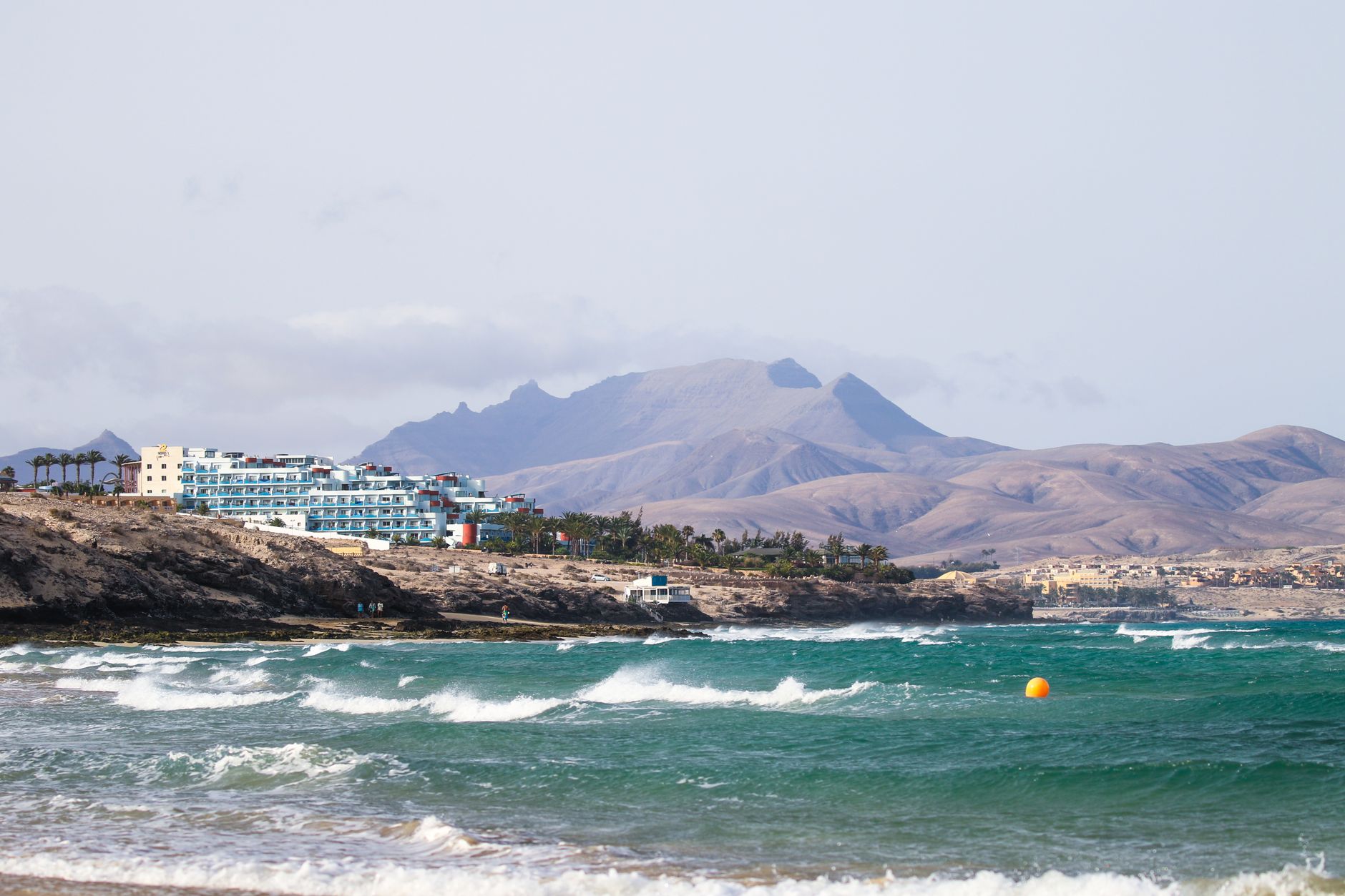
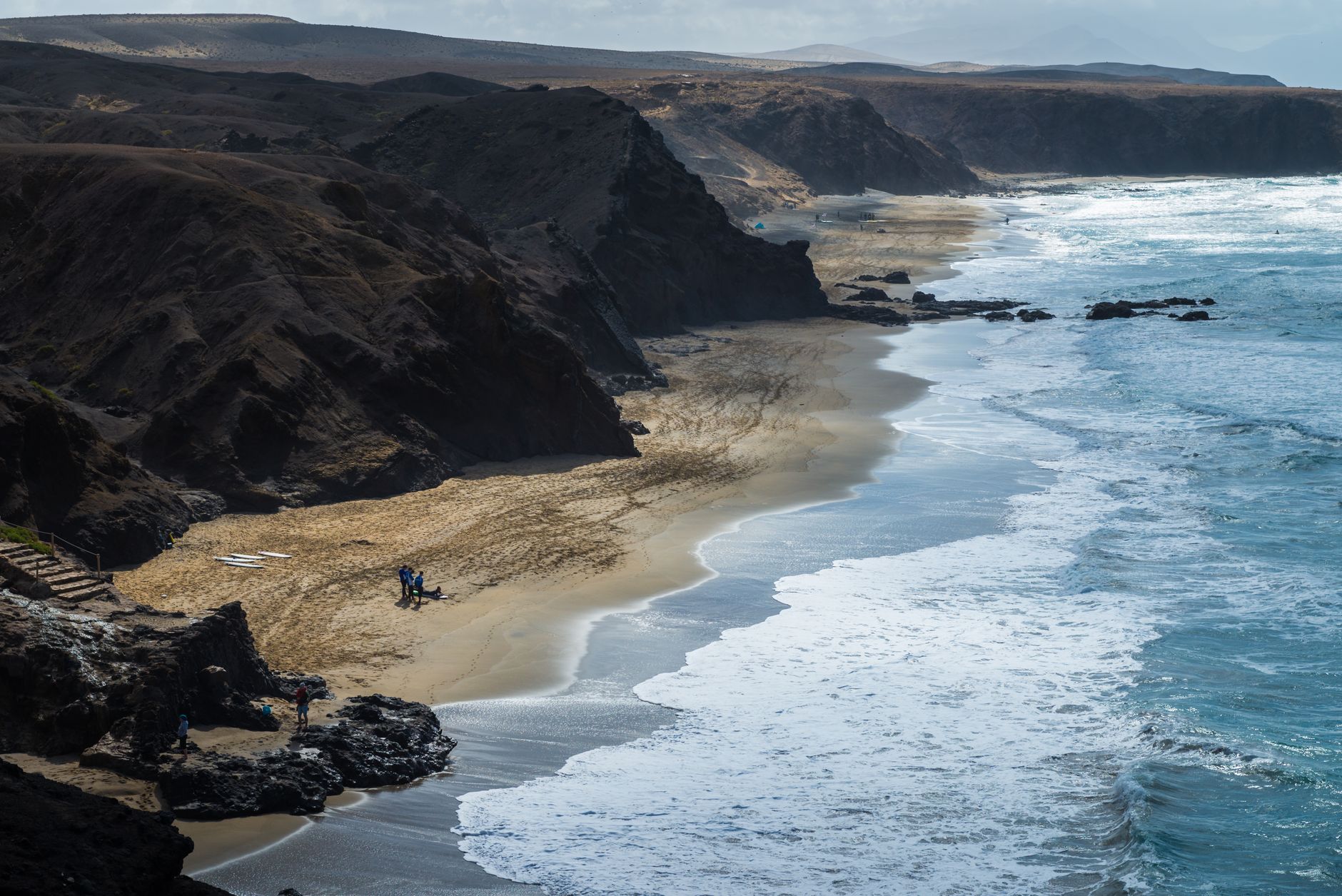
Fuerteventura is the oldest island in the Canary archipelago, and the land looks the part — a spare, sun-bleached plateau of ochre rock and dune that stretches toward Africa, just 100 kilometres away. The wind is constant and the beaches are long, pale and largely empty even in high season. This is not an island of lush gardens or dramatic cliffs. It is an island of light, space and a particular kind of quiet that takes a day or two to settle into.
The interior rewards the curious: the whitewashed capital of Betancuria, a former pirate target rebuilt in stone, sits in a dry valley that feels genuinely old. The coasts, meanwhile, draw surfers and kitesurfers who follow the trade winds north to Corralejo or south to Jandia. Both ends of the island feel like different countries.
How Fuerteventura came to be
The island's earliest settlers — the Mahos, a people of likely Berber origin — divided Fuerteventura into two kingdoms, Maxorata in the north and Jandia in the south, long before Europeans arrived. In 1403, the Norman entrepreneur Jean de Béthencourt landed with Gadifer de la Salle and spent two years completing the conquest. He founded Betancuria as the island's capital, tucked inland to protect it from coastal raids — a precaution that failed in 1593 when Arabic pirates under Xabán Arráez burned it to the ground. The town was rebuilt, and a diocese established here in 1424 was the first in all the Canaries.
For centuries Fuerteventura operated as a Señorío — a lordship paying duties to the Crown rather than governed directly by Castile, an unusual arrangement that shaped its isolated, self-sufficient character. Tourism arrived in 1965 with the construction of the first hotel and the airport at El Matorral, and the island's long coastline gradually became its defining export.
Who and what shaped it
People who shaped it
Landmark buildings
See Fuerteventura in motion
Plan your visit
On the map
When to go
The trade winds keep temperatures moderate year-round — rarely above 30°C in summer, rarely below 17°C in winter — but the wind itself is a constant presence, strongest in spring and summer, which is precisely why kitesurfers time their trips for those months. Winter brings calm spells and warm sun, with occasional Atlantic rain.
Right now
Background & history adapted from Wikipedia (CC BY-SA) · specs from Wikidata (CC0) · weather from Open-Meteo · map data © OpenStreetMap contributors · photos from Wikimedia Commons / Unsplash with per-image credit. No third-party reviews or social posts reproduced.