
Francistown

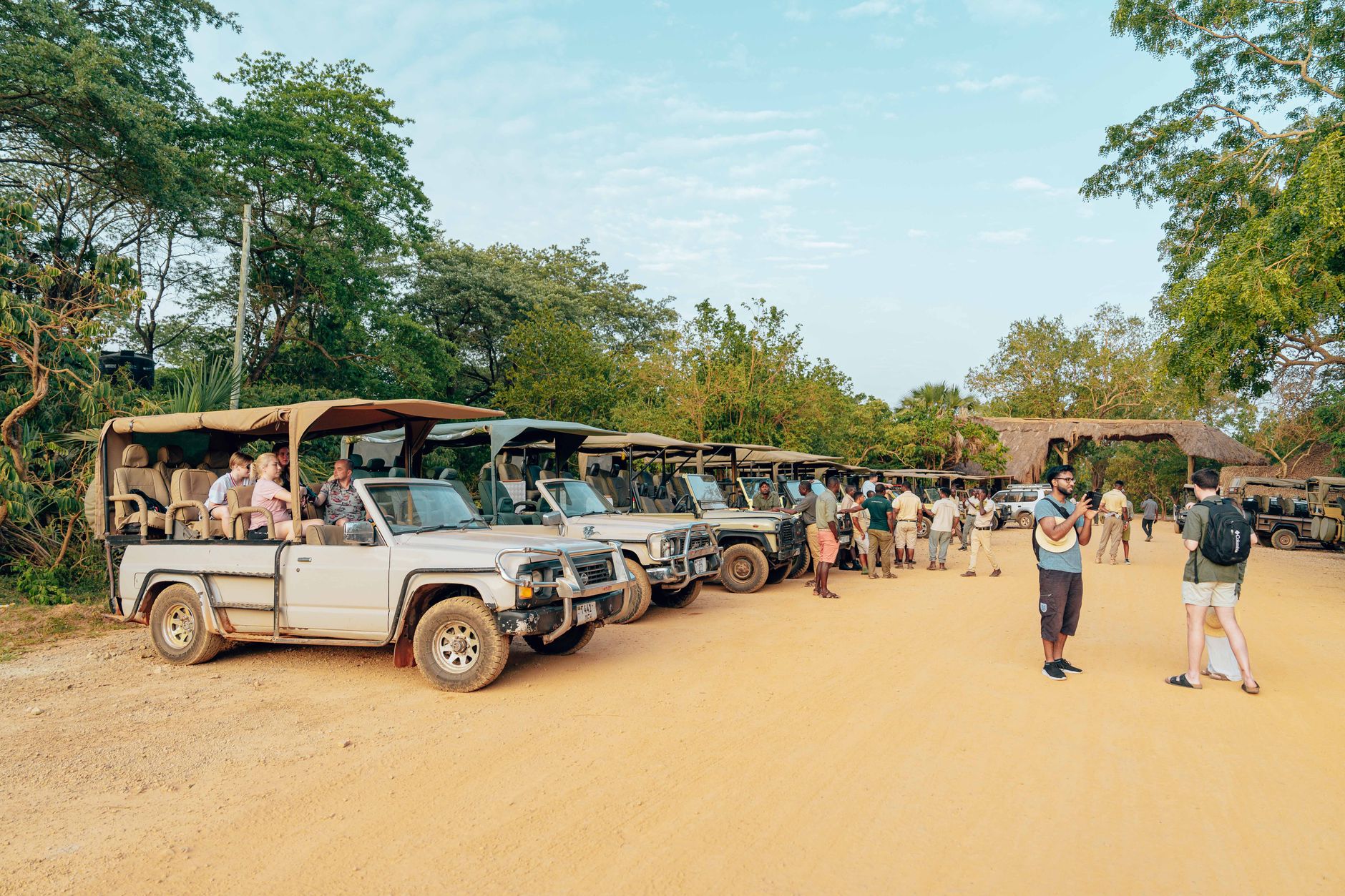
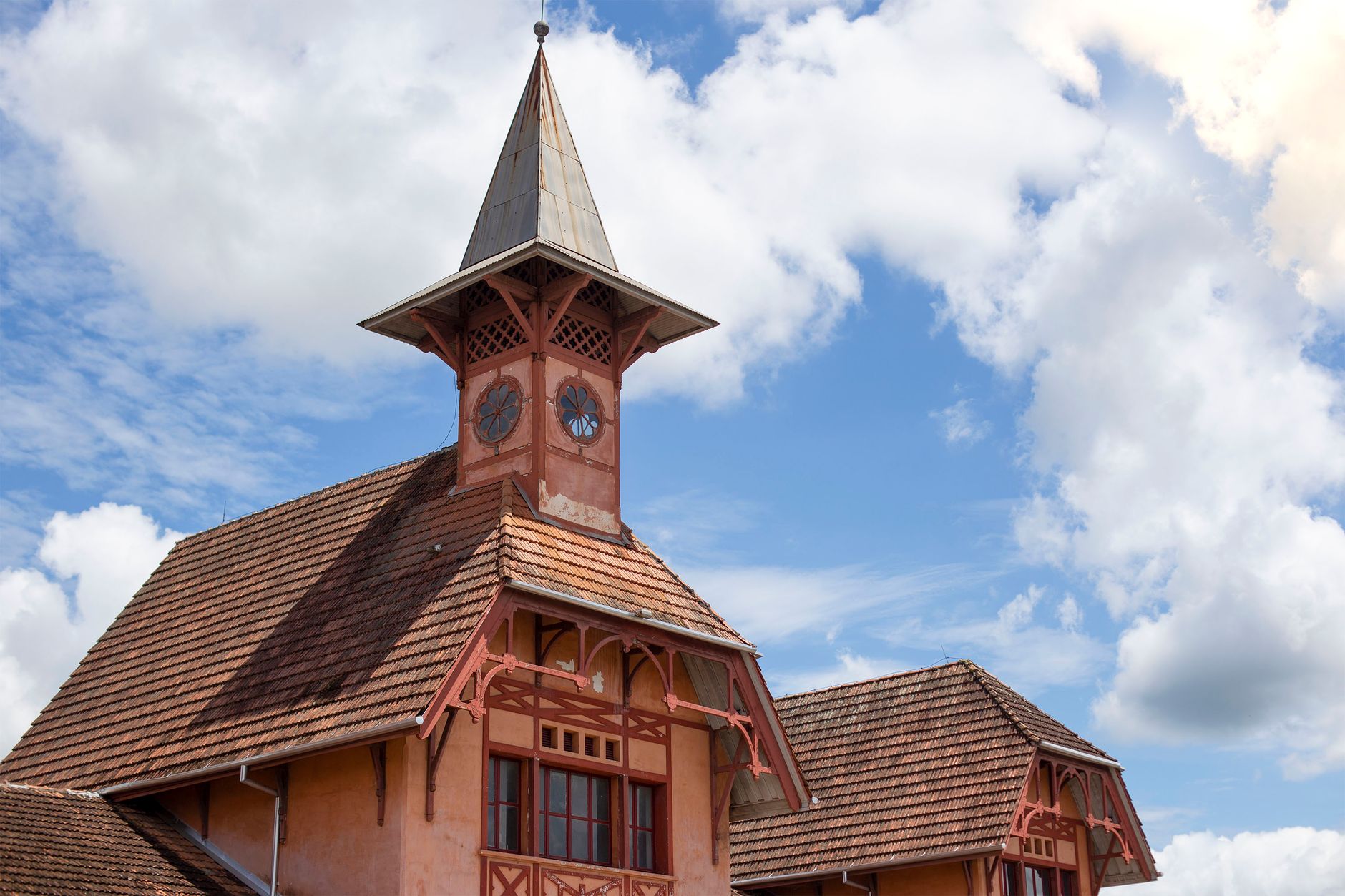
Francistown sits at the top of Botswana's railway spine, a city that grew out of a gold rush and never quite forgot it. Blue Jacket Street — named for a prospector, not a uniform — runs through the centre, and Haskins Street beneath your feet was the first tarred road in the entire country. The past here isn't framed behind glass; it's in the street names, the 1932 stonework of St Patrick's Church, and the old government camp that now houses the Supa Ngwao Museum.
Botswana's second city, it became one officially in 1997, a century after the Tati Concessions Company sold off 300 lots and the railway arrived at Monarch in the same calendar month. Today it functions as the practical gateway to northern Botswana — a place with its own texture, if you give it a day to show you.
💛 What travellers fall for
People who pass through more than once tend to go back to the Supa Ngwao Museum for the guided walking tour rather than just the collection inside. The route connects the gold-rush geography in a way that a map doesn't, and the staff know the street-name stories cold. Minibus taxis from the rank beside Galabgwe Mall are cheap and fast once you get the rhythm of them.
Deals in Francistown
Book directly at the provider
How Francistown came to be
The city's origin is a prospector's footnote that became a founding document. Karl Mauch found gold along the Tati River in 1867, triggering southern Africa's first gold rush. Two years later, an Englishman from Liverpool named Daniel Francis acquired prospecting licences over the same ground — and when a proper settlement was laid out in August 1897, with 300 lots sold by the Tati Concessions Company, his name went on it. The railway reached Monarch on 1 September 1897, the same month the town took shape.
Gold held the economy together through the late 1800s and into the 1930s, then faded. Botswana's independence in 1966 ended the city's formal segregation, and James George Haskins — who had co-founded the Chamber of Commerce and served in the country's first parliament — gave his name to the street that was already its most significant. City status came in 1997, with Motlatsi Molapisi becoming the first mayor of the new Francistown City Council.
Who and what shaped it
People who shaped it
Landmark buildings
See Francistown in motion
Plan your visit
On the map
When to go
Francistown is hot and dry for most of the year, with summer rains falling roughly November through March — brief and heavy rather than sustained. The cooler, drier months from May to August are the most comfortable for walking around and reaching the reserves.
Right now
Background & history adapted from Wikipedia (CC BY-SA) · specs from Wikidata (CC0) · weather from Open-Meteo · map data © OpenStreetMap contributors · photos from Wikimedia Commons / Unsplash with per-image credit. No third-party reviews or social posts reproduced.