
Fethiye
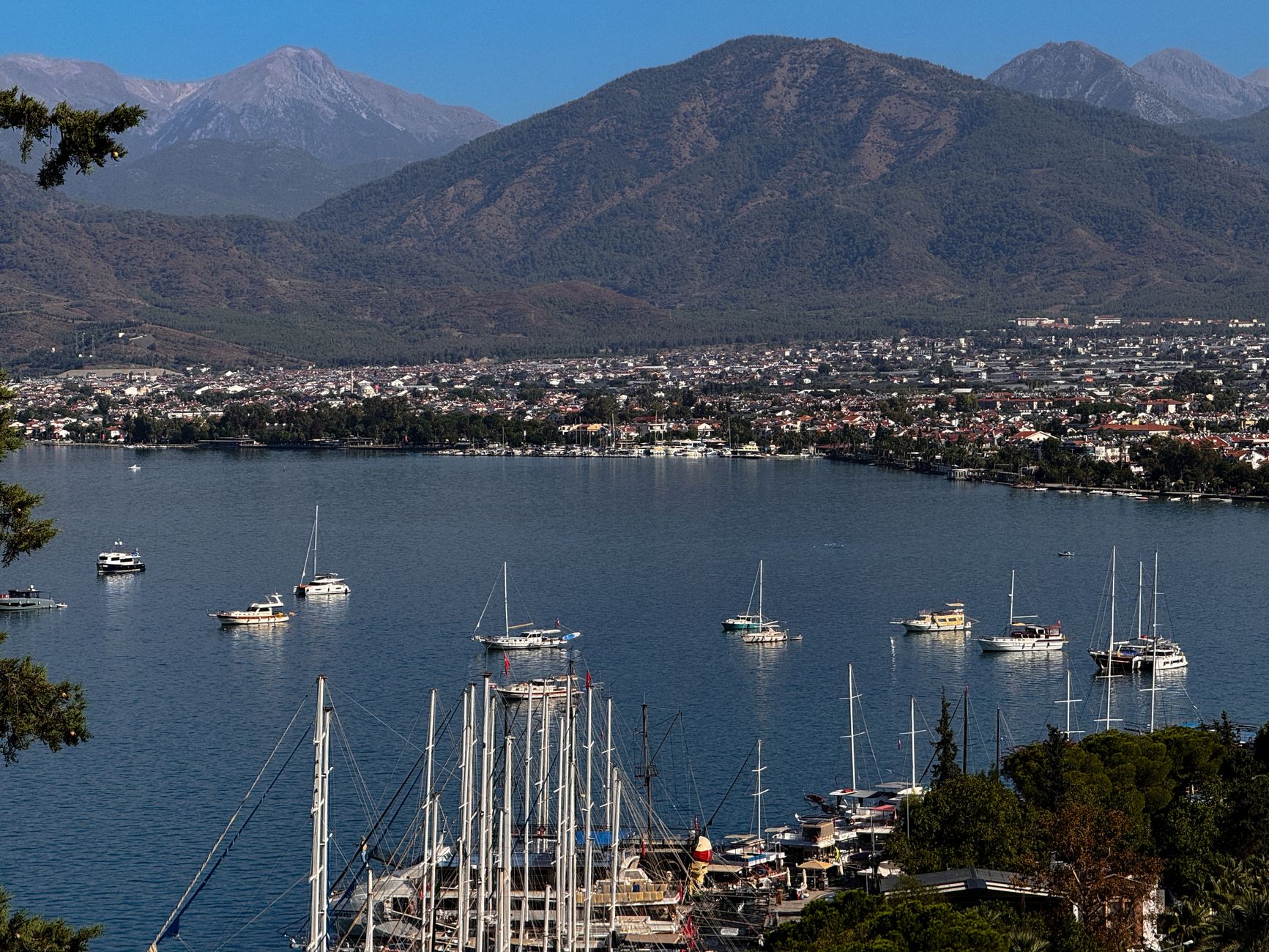
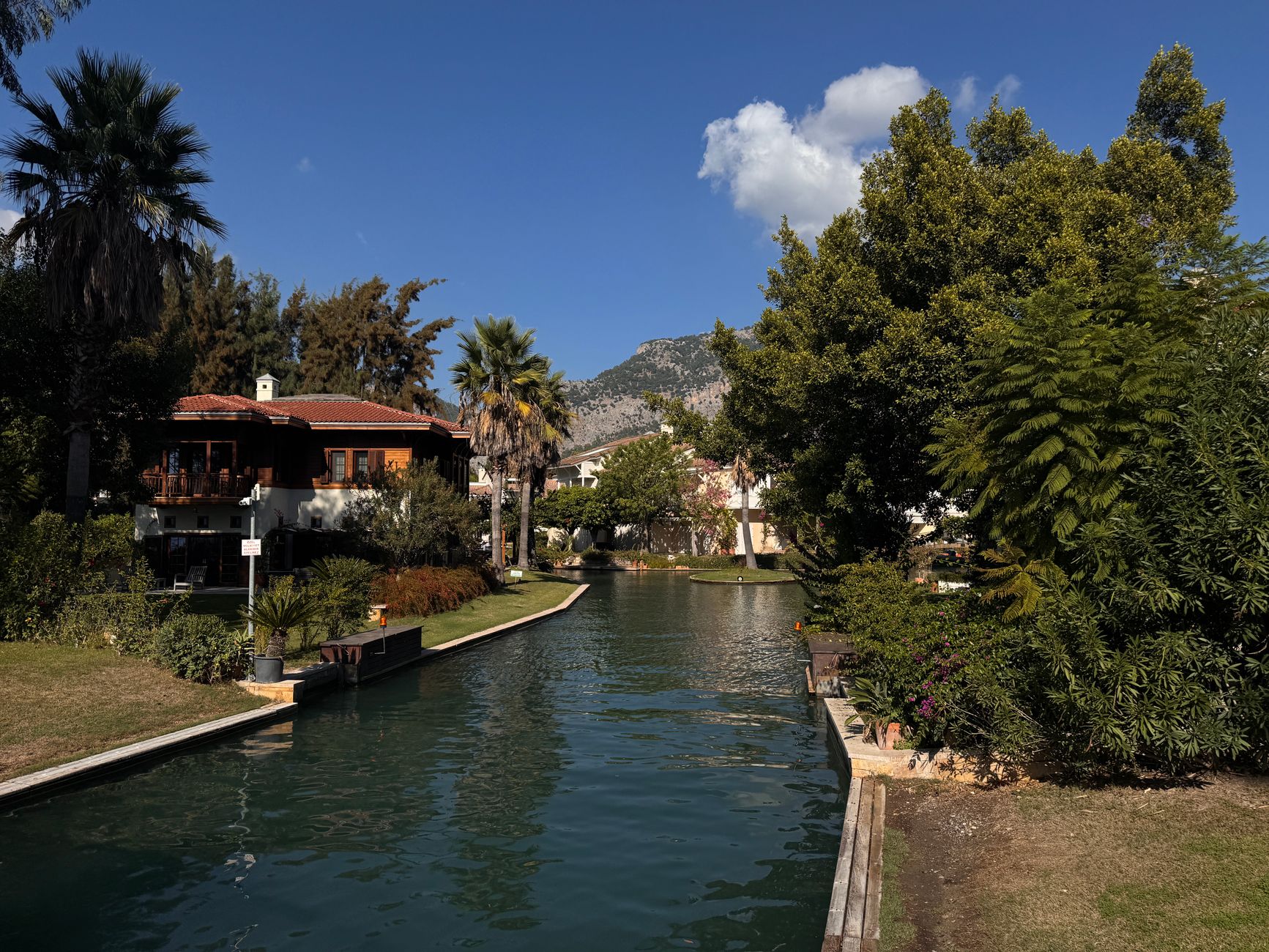
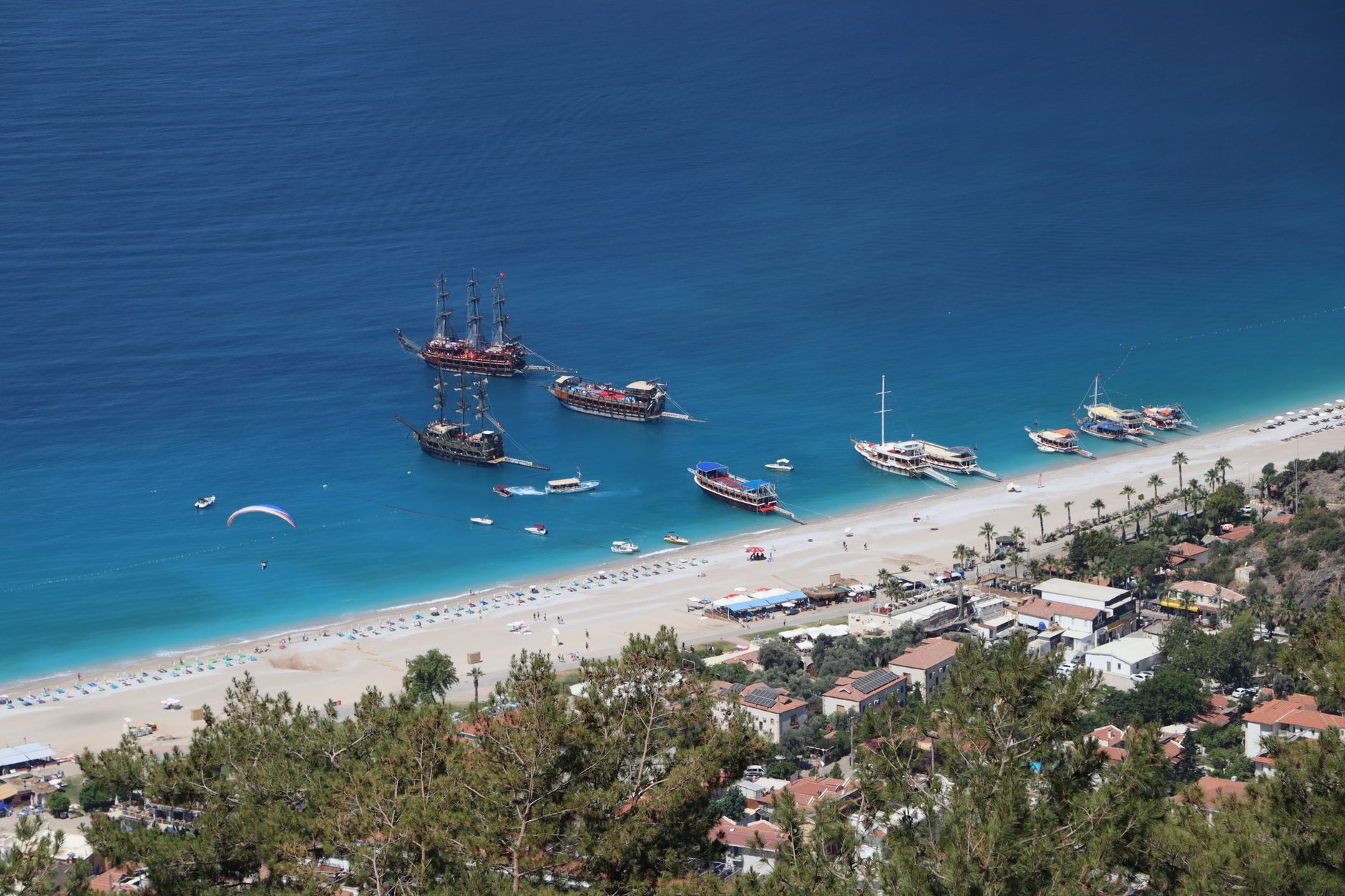
The Tomb of Amyntas tells you something important about Fethiye before you've even found your sea legs. Carved directly into the cliff face above the town in 350 BC, its Ionic columns look borrowed from a Greek temple — which is partly the point, since this was Lycian country, a civilization that absorbed influences the way the Aegean absorbs light. Below it, a working marina holds 460 yachts, ferries leave for Rhodes, and the old town's stone lanes smell of dried herbs and grilled fish.
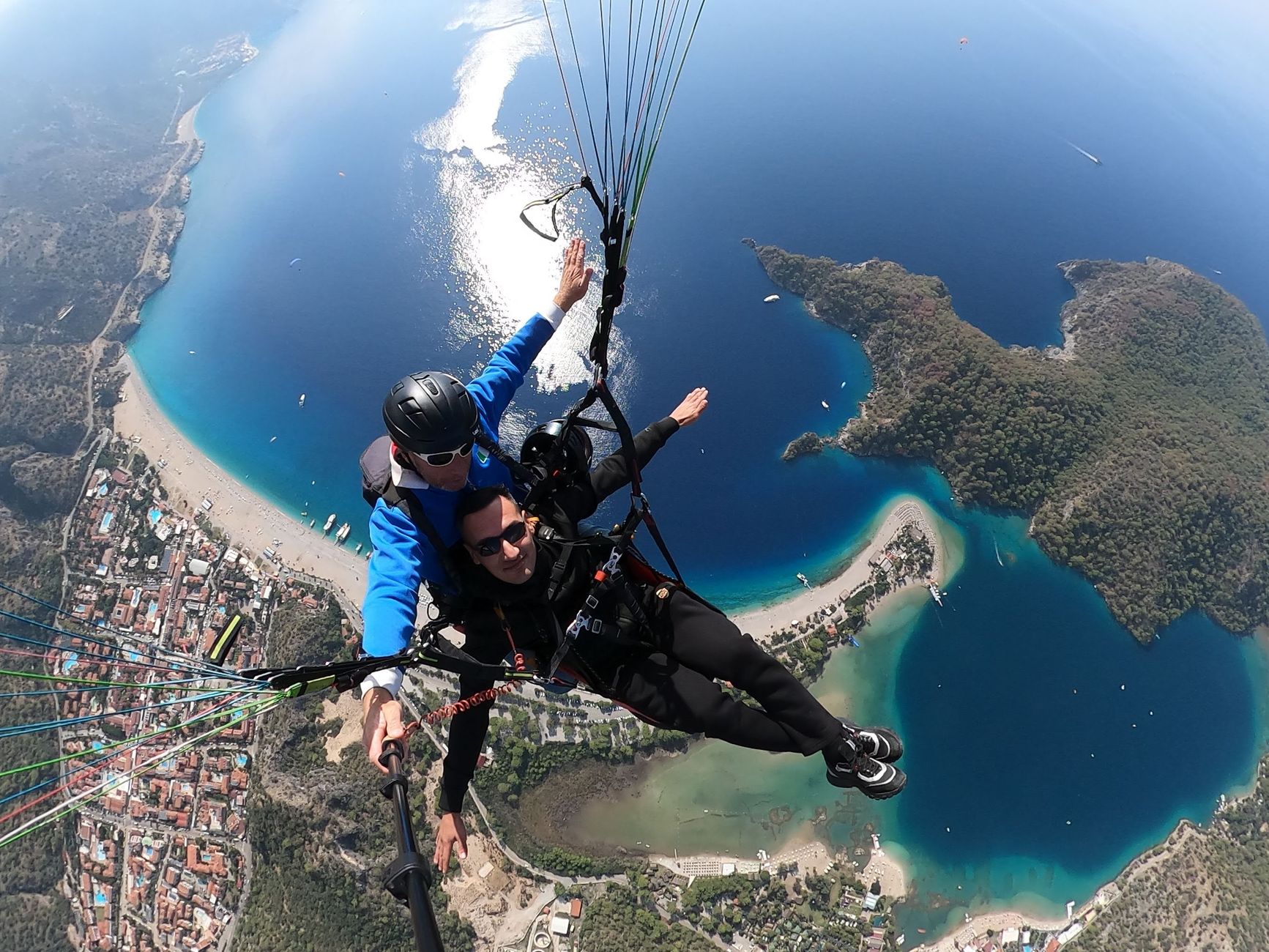
Fethiye is a region that rewards slowness. The coastline fractures into bays and peninsulas, the mountains press close to the water, and the layers of history — Lycian, Persian, Roman, Byzantine, Ottoman — surface everywhere if you look slightly past the obvious.
💛 What travellers fall for
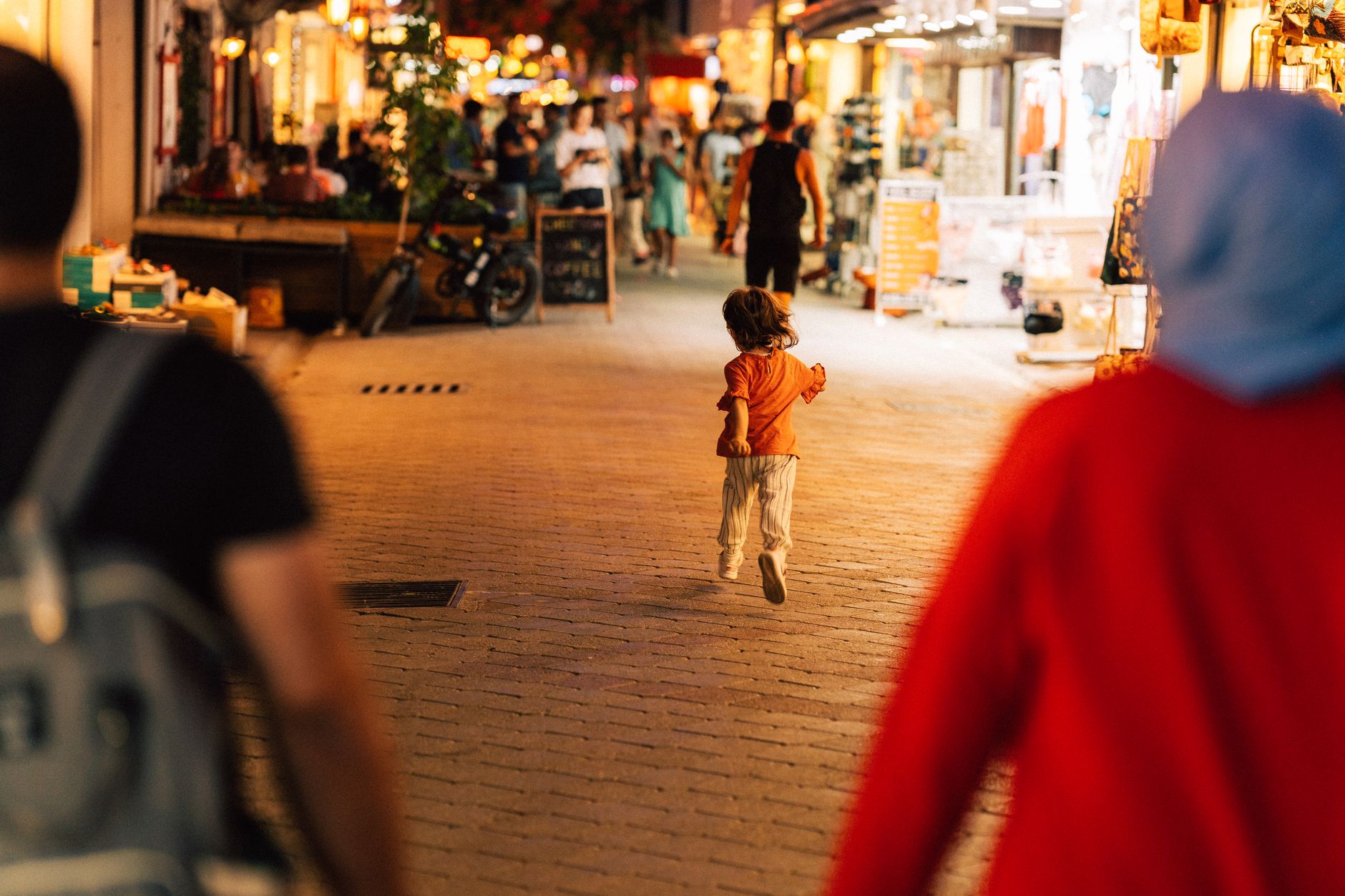
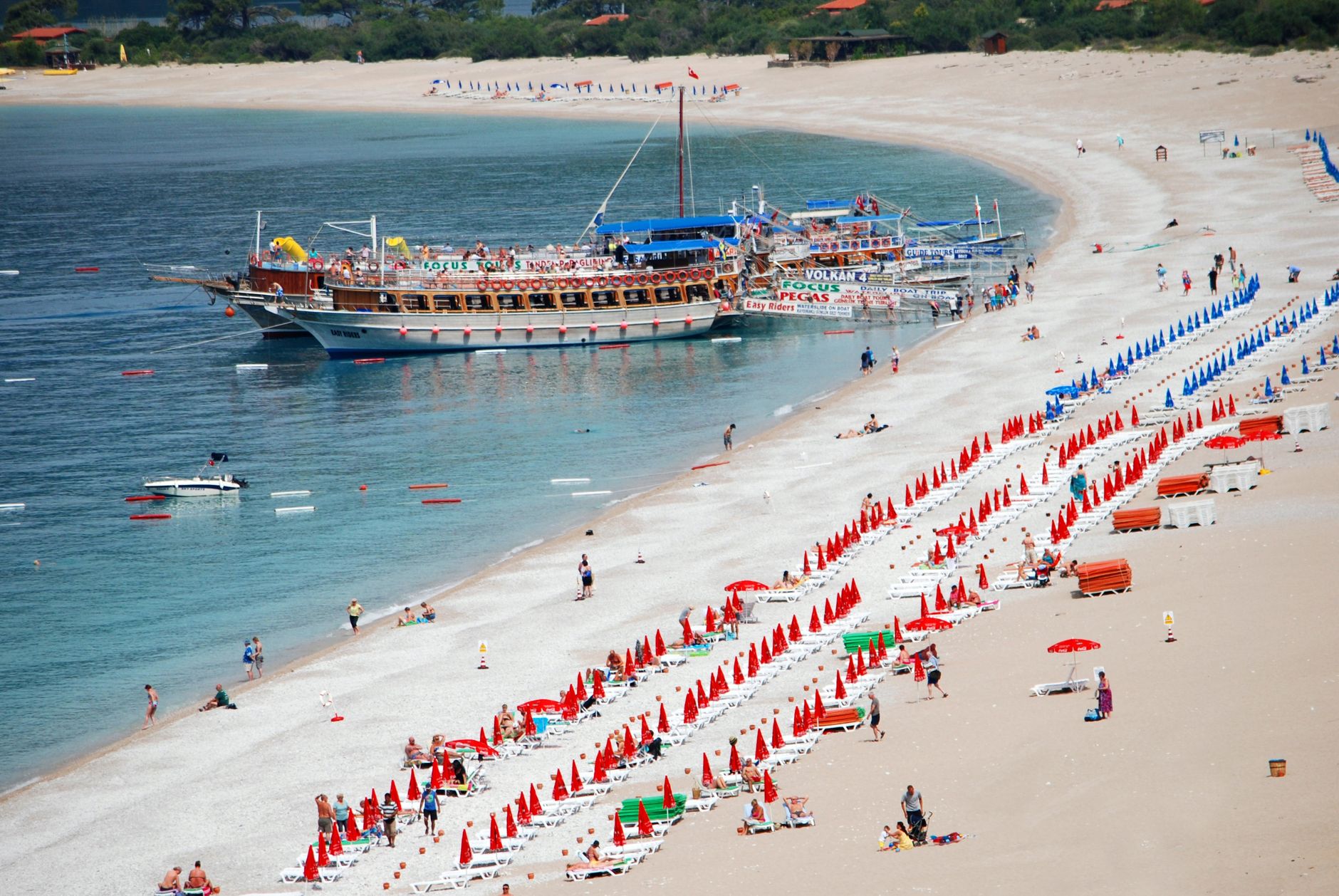
People who return tend to anchor on small rituals: coffee in Paspatur before the day heats up, a dolmuş out to Ölüdeniz in the afternoon, dinner somewhere along Fevzi Çakmak Street with the masts visible from the table. The ferry to Rhodes is worth knowing about — a day trip that few first-timers think to take.
How Fethiye came to be
The settlement here goes back to at least the 5th century BC, when it was called Telmessos — a Lycian city that passed through Persian hands in 547 BC before Alexander the Great took it in 334 BC. Rome followed, then Byzantium, which renamed it Anastasiopolis and later Makri. The Ottomans absorbed it in 1424.
By the 19th century Makri had a substantial Greek population. After the 1923 Greco-Turkish population exchange, those residents were relocated to Greece, where they founded a town called Nea Makri. The city was renamed Fethiye in 1934 to honor Captain Fethi Bey, an Ottoman Air Force pilot who died in a 1914 crash while attempting the first flight from Istanbul to Cairo. A 1958 earthquake levelled much of the old fabric, which is why most of what you walk through today is relatively recent — though the cliffs, the theatre foundations, and the Crusader fortress built by the Knights of St. John in the 15th century remain.
Who and what shaped it
People who shaped it
Landmark buildings
See Fethiye in motion
Plan your visit
On the map
When to go
June through September is dry and hot — July peaks around 33°C, sometimes climbing higher — with almost no rain; spring (March to May) sits in the 20–30°C range and is generally the most comfortable time to visit. Winters are mild at around 14°C but January brings the bulk of the annual rainfall.
Right now
Background & history adapted from Wikipedia (CC BY-SA) · specs from Wikidata (CC0) · weather from Open-Meteo · map data © OpenStreetMap contributors · photos from Wikimedia Commons / Unsplash with per-image credit. No third-party reviews or social posts reproduced.