
Famagusta
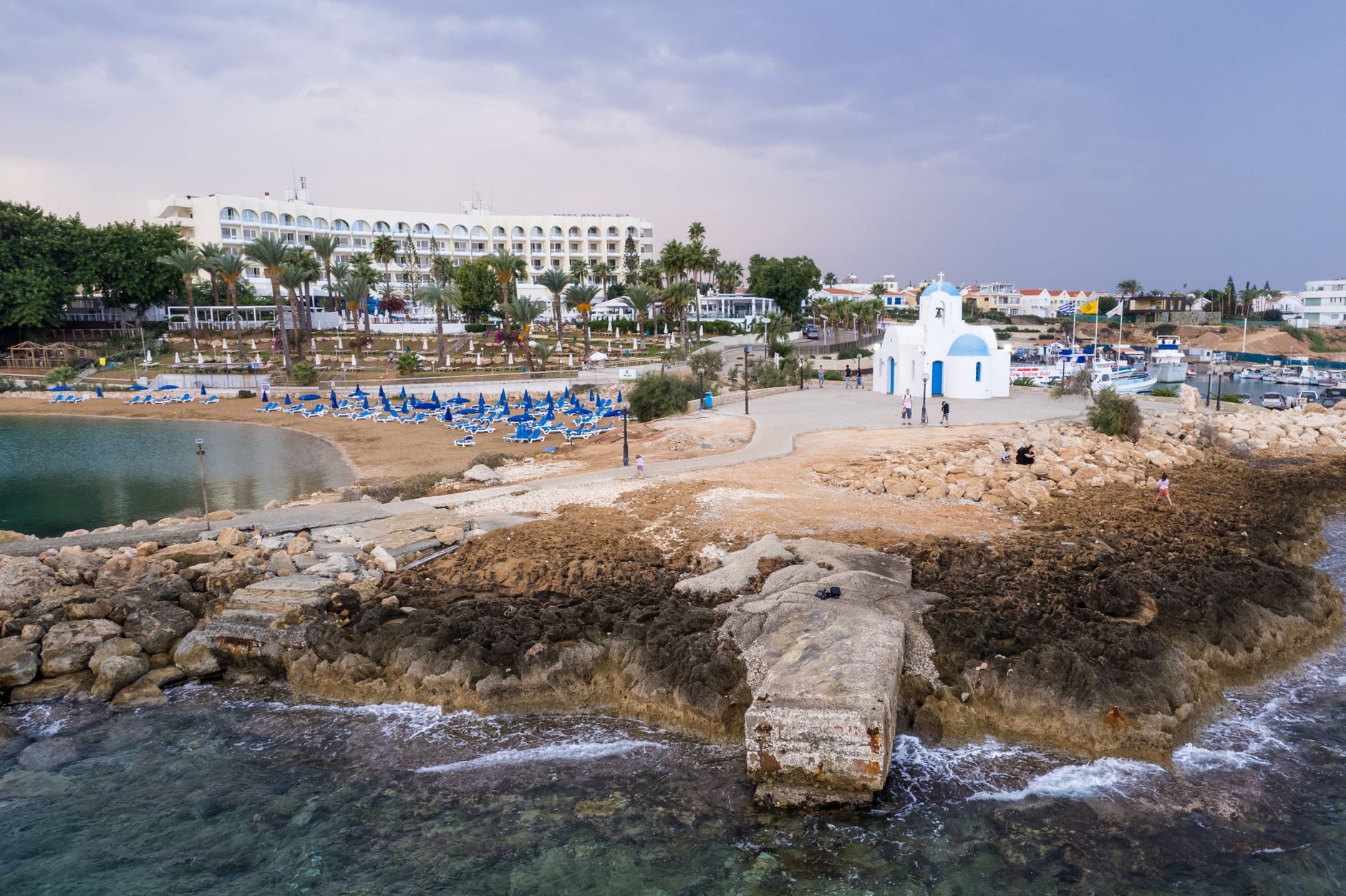
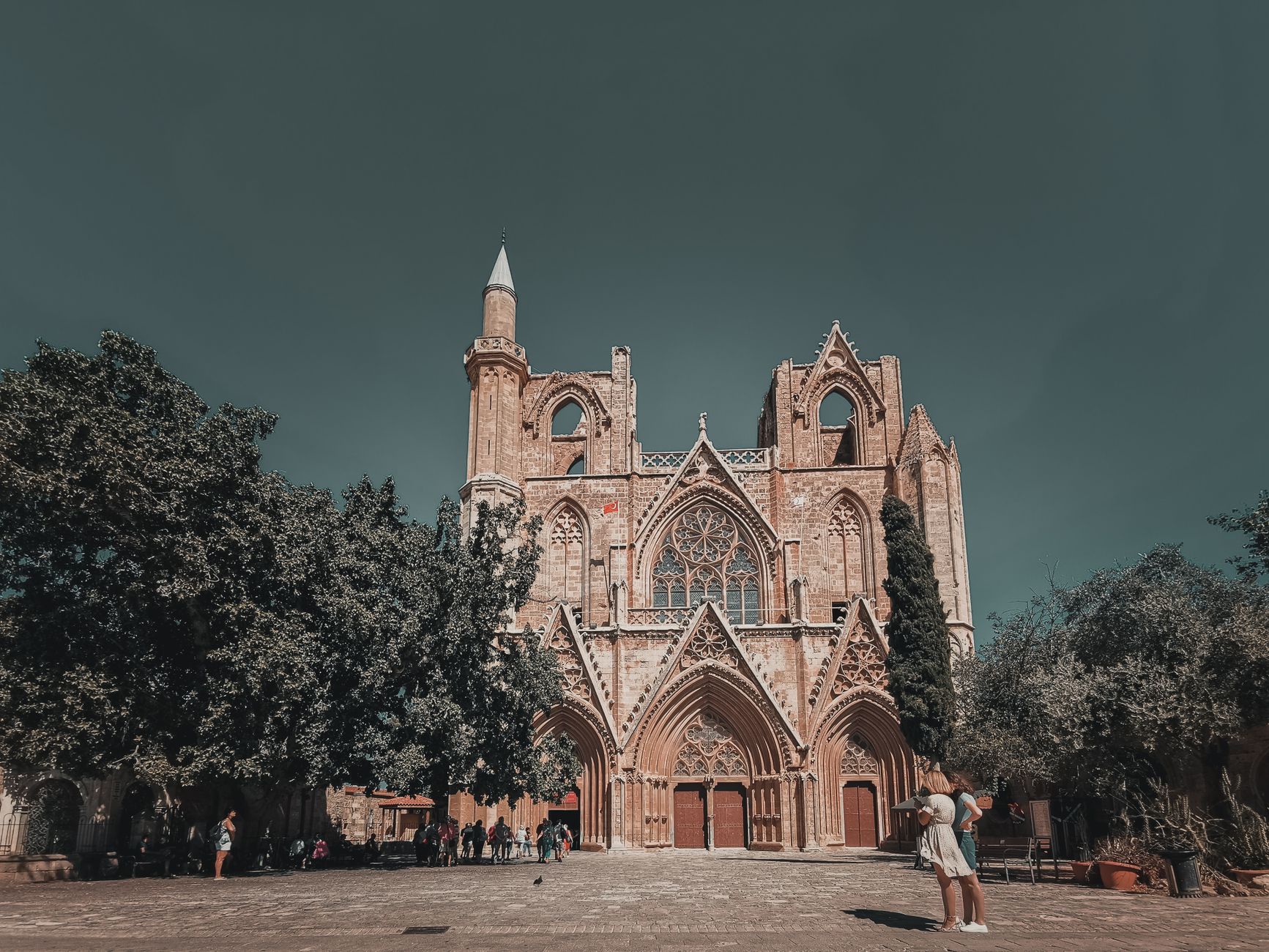
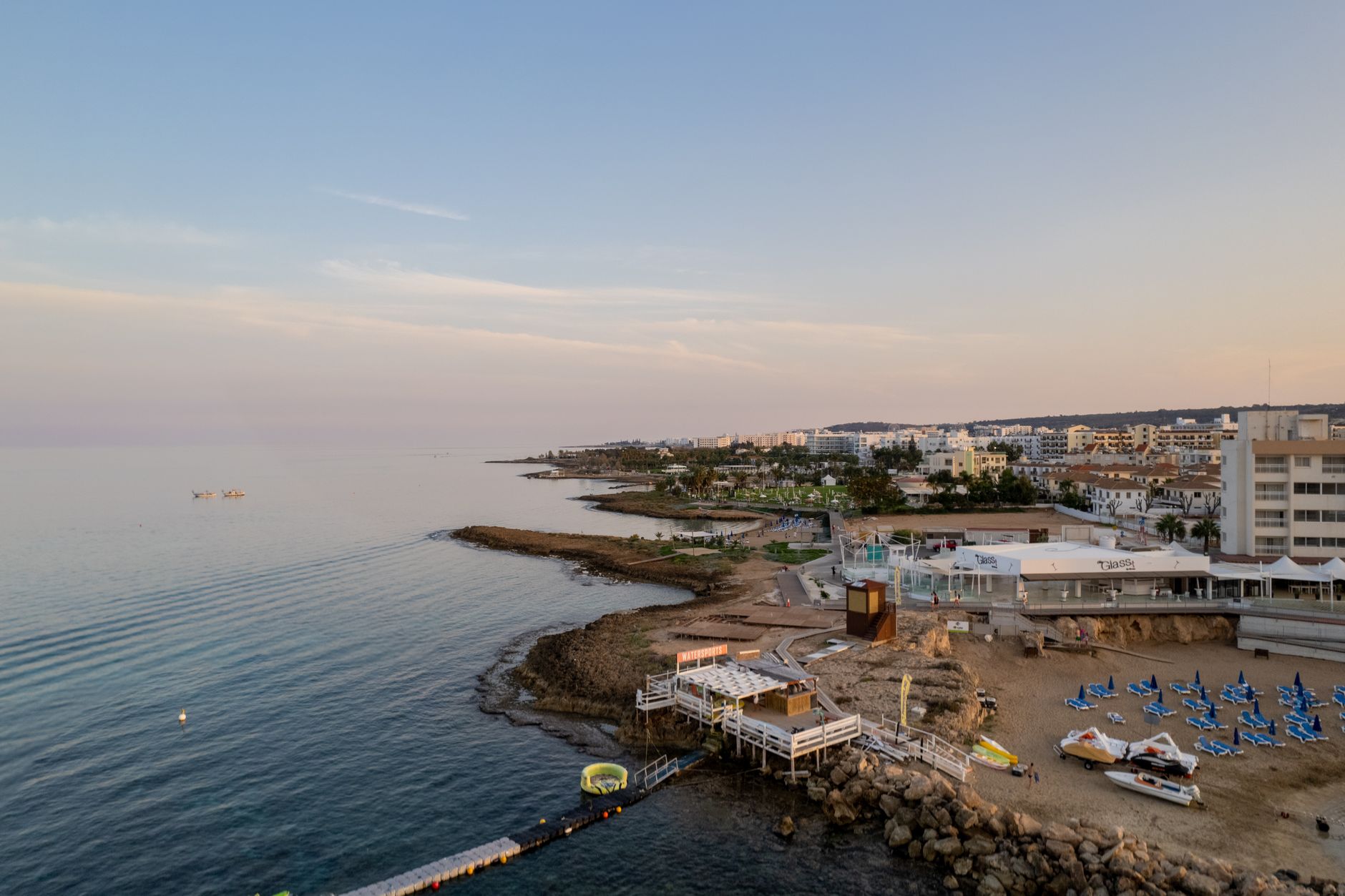
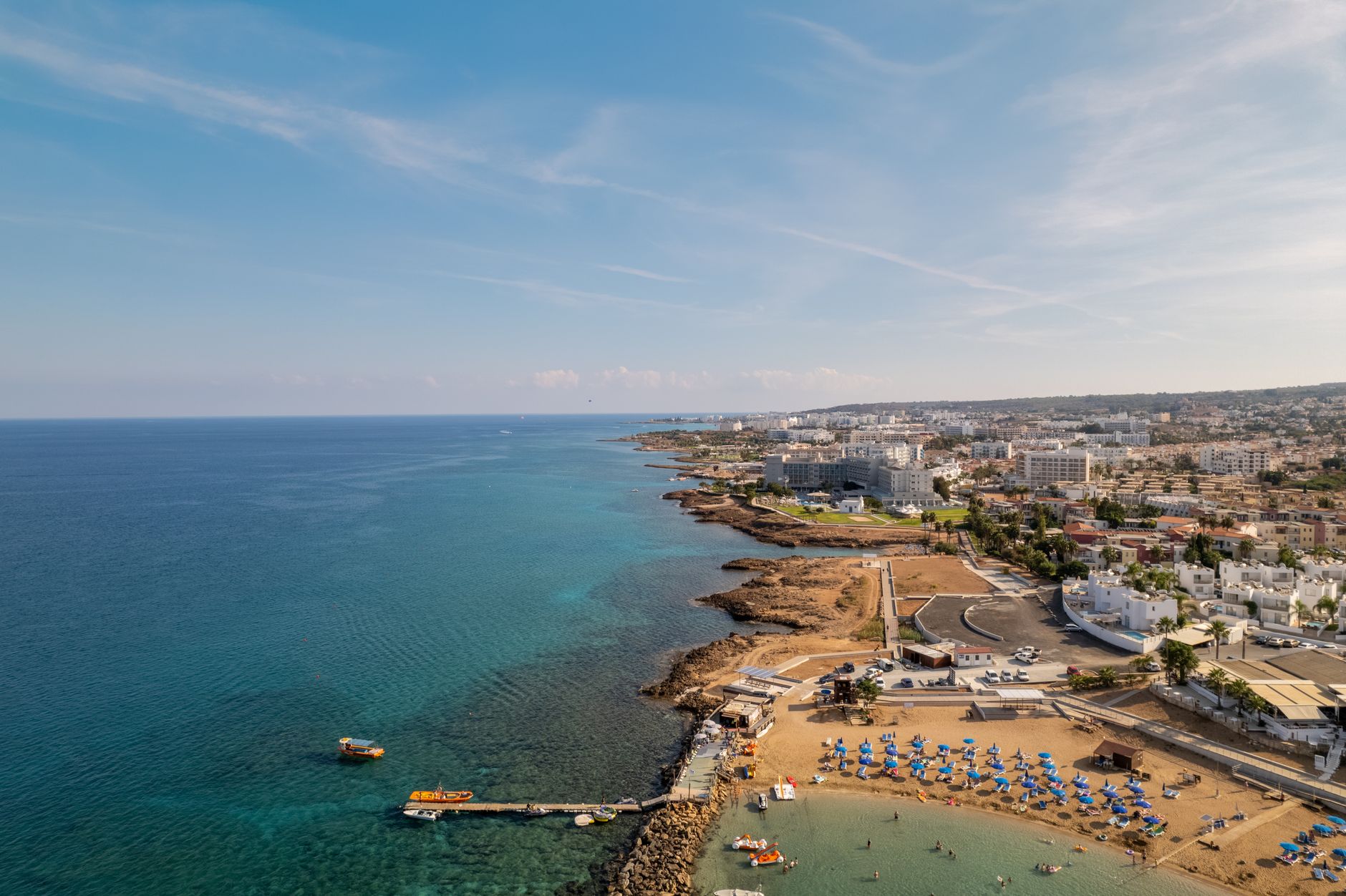
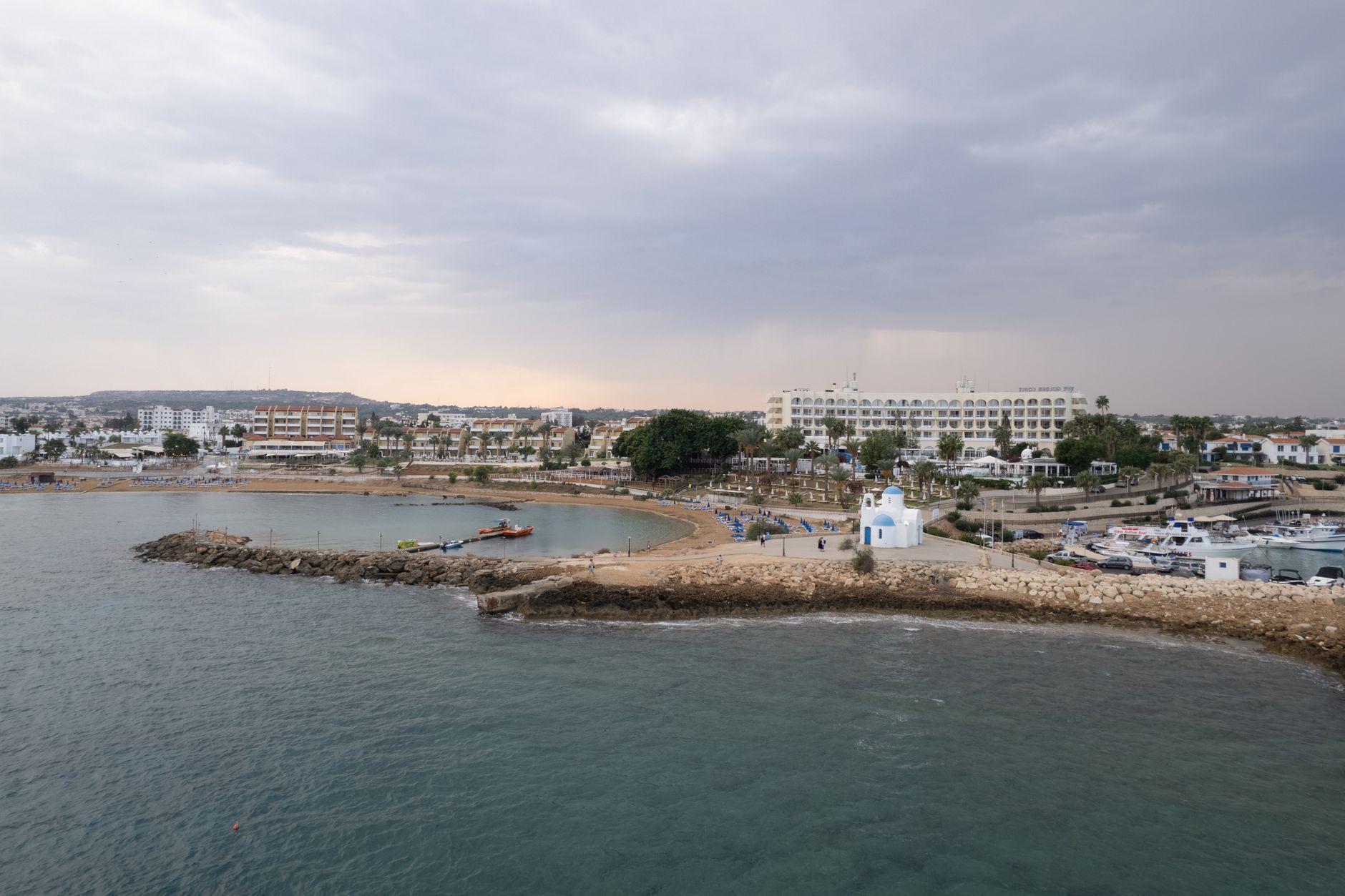
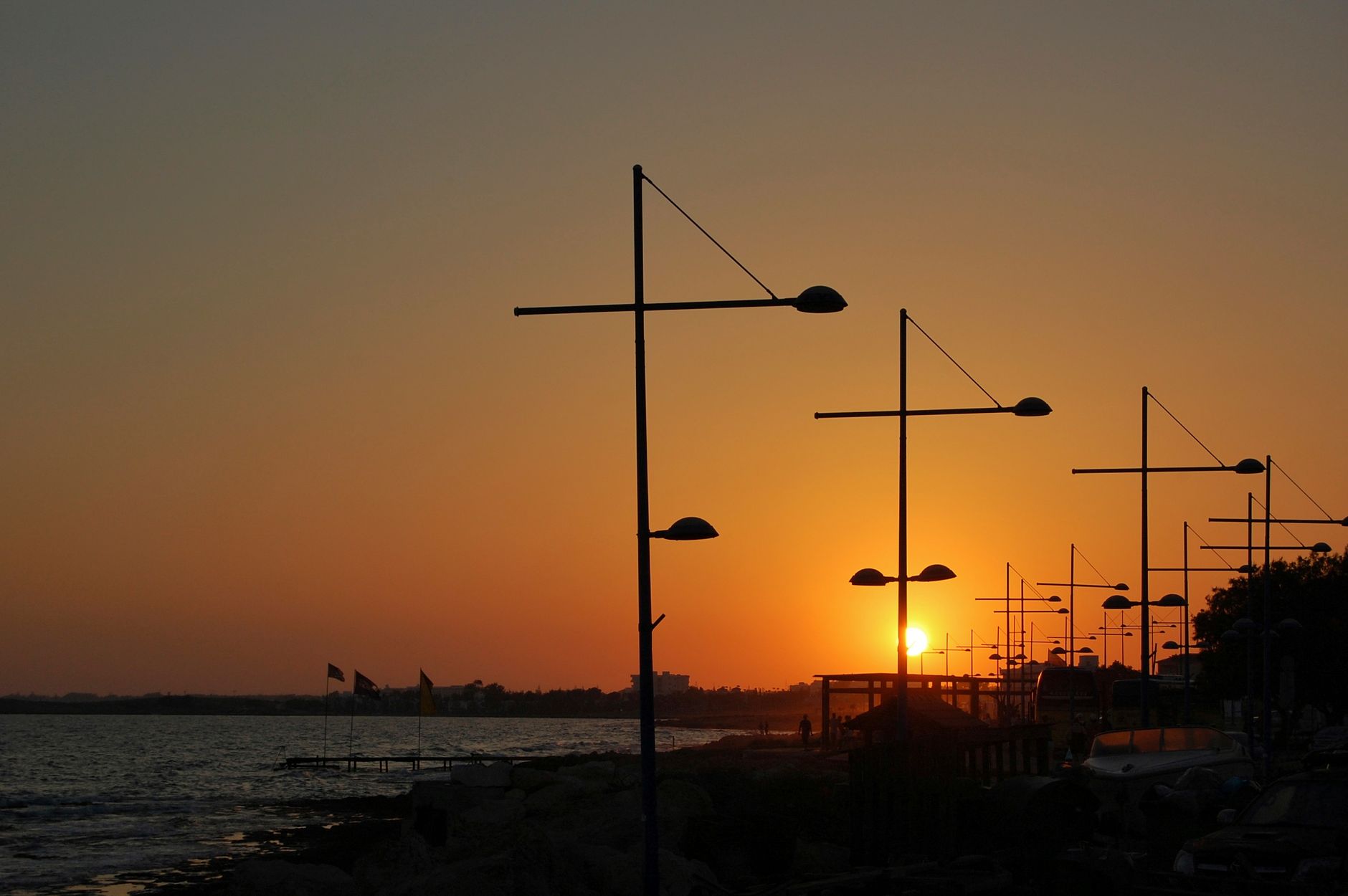
Famagusta is a city where the medieval and the modern share the same narrow streets, and where a Gothic cathedral — built between 1286 and 1312 — now calls the faithful to prayer as a mosque. The walls the Venetians raised in the 15th and 16th centuries still stand fifteen metres high, enclosing a walled city that was, briefly, one of the wealthiest ports in Christendom.
This is a place shaped by arrivals and departures: Ptolemaic founders, Crusader refugees, Genoese merchants, Venetian governors, Ottoman commanders. Each left something behind — a bastion, a carved lintel, a ruined palace facade. South of the old walls, the sealed resort suburb of Varosha stands frozen since 1974, a quieter, stranger presence at the city's edge.
How Famagusta came to be
Famagusta was founded around 274 BC by Ptolemy II Philadelphus, resettling inhabitants from earthquake-damaged Salamis nearby. For most of antiquity it remained a modest fishing town. Its transformation came in 1291, when Christian refugees fleeing the fall of Acre flooded in, turning a village into a wealthy trading city almost overnight. Lusignan, Genoese, and then Venetian rulers followed — Venice made it the capital of Cyprus and rebuilt the fortifications that still define the old city today.
In 1570–71, Ottoman forces under Mustafa Pasha besieged Famagusta for thirteen months before the garrison finally surrendered. The cathedral became a mosque. British administration from 1878 brought harbour expansion and a development act aimed at reconstruction; the port became a naval base in World War II. The modern suburb of Varosha, built as a tourist resort during the British period, was sealed off after the Turkish intervention of 1974 and has remained so since.
Who and what shaped it
People who shaped it
Landmark buildings
See Famagusta in motion
Plan your visit
On the map
When to go
Summers are long and dry, with July and August temperatures regularly above 35°C — the walls offer little shade. Spring (March to May) and autumn (September to November) bring mild days ideal for exploring on foot; winters are short and rarely cold, though some rain falls between December and February.
Right now
Background & history adapted from Wikipedia (CC BY-SA) · specs from Wikidata (CC0) · weather from Open-Meteo · map data © OpenStreetMap contributors · photos from Wikimedia Commons / Unsplash with per-image credit. No third-party reviews or social posts reproduced.