
Estelí
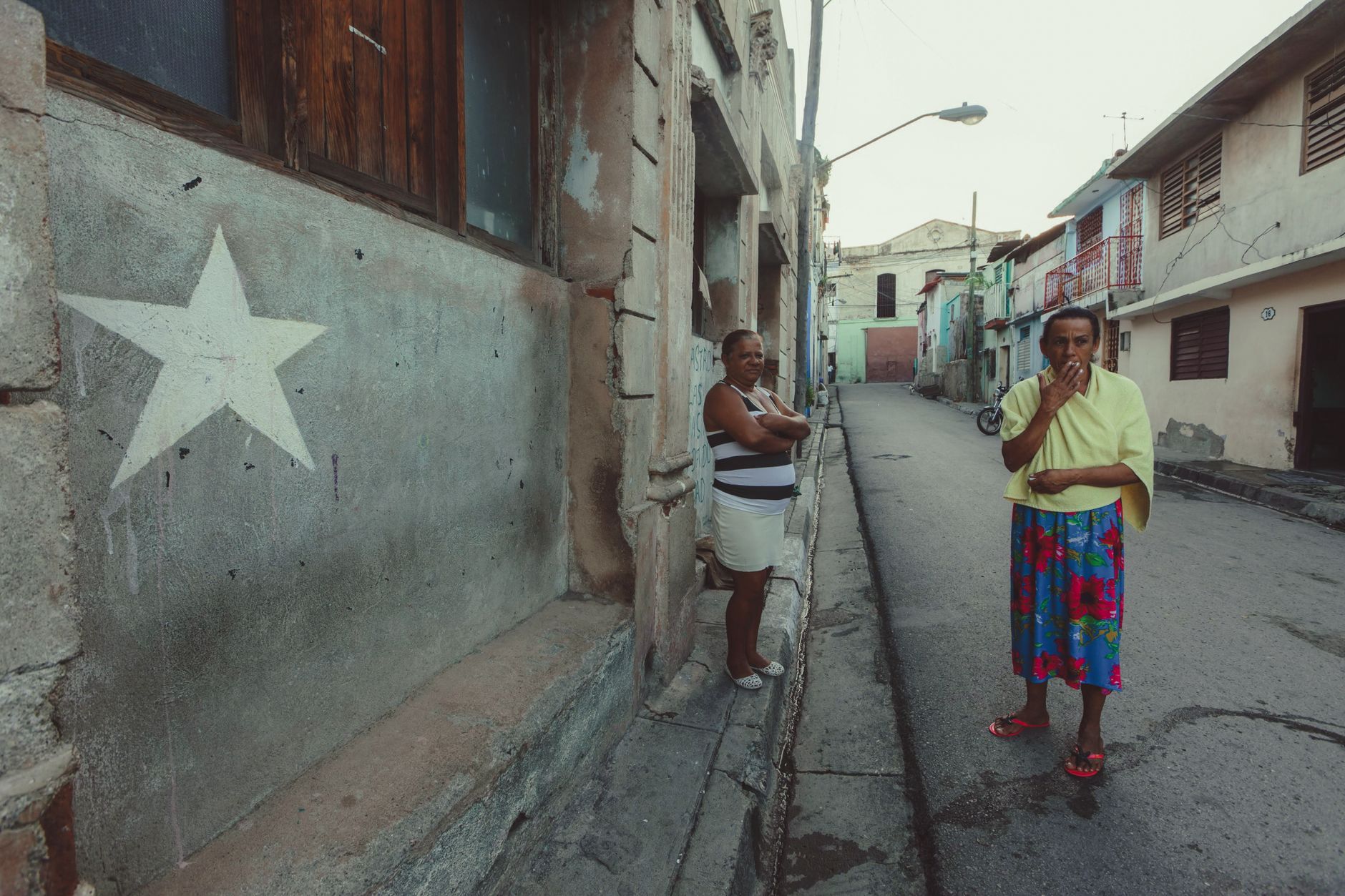


Estelí sits at 844 metres in Nicaragua's northern highlands, and the altitude does something useful: it keeps the air cool enough for tobacco to cure slowly and properly. That patience shows up in the city's character, too. Walk the streets and you pass more than a hundred murals — some the size of building facades — that document three insurrections, the Sandinista Revolution, and the faces of people who didn't survive them. On Avenida 1a Norte Este, bootmakers still measure your feet by hand and return custom leather cowboy boots in under a week.
This is one of the world's significant cigar cities — thirteen of the twenty-five best-ranked cigars on earth are made here — and the surrounding reserves hold 300 species of orchid and pine forests climbing to 1,445 metres.
💛 What travellers fall for
People who come back tend to mention two things: the boots and the murals. The boots because you genuinely can't get them made faster or cheaper elsewhere; the murals because you keep finding ones you missed. Ask at Hospedaje Luna if you want a factory visit — they know which producers are actually open to strangers.
How Estelí came to be
The city's founding was an act of retreat. In 1685, Spanish settlers fleeing pirate raids on Nueva Segovia established Villa Vieja nearby. By 1823 the community had moved to the valley then called Michiguiste, and Estelí became a city in name in 1891. After the Cuban Revolution of 1959, Cuban cigar makers arrived and found the climate suited their trade; the tobacco industry that defines the city today grew from that migration.
The scars of 1978–79 are still visible. During the uprising against Somoza, the National Guard bombed Estelí from the air while FSLN guerrillas burned sections of the city; roughly 15,000 people died. The Teatro Montenegro and the Government Palace were rebuilt but not entirely — bullet holes remain in the walls, and the murals that cover the city were painted in the years after as a form of collective memory.
Who and what shaped it
People who shaped it
Landmark buildings
See Estelí in motion
Plan your visit
On the map
When to go
Estelí's elevation keeps daytime temperatures between 29°C and 33°C year-round, but nights can drop to 18°C in January — cooler than most of Nicaragua, and noticeably cold in winter mornings. The heaviest rain falls in May, June, September, and October; the dry months from November through April are the most comfortable for walking the city and the reserves.
Right now
Background & history adapted from Wikipedia (CC BY-SA) · specs from Wikidata (CC0) · weather from Open-Meteo · map data © OpenStreetMap contributors · photos from Wikimedia Commons / Unsplash with per-image credit. No third-party reviews or social posts reproduced.