
Es Molinar
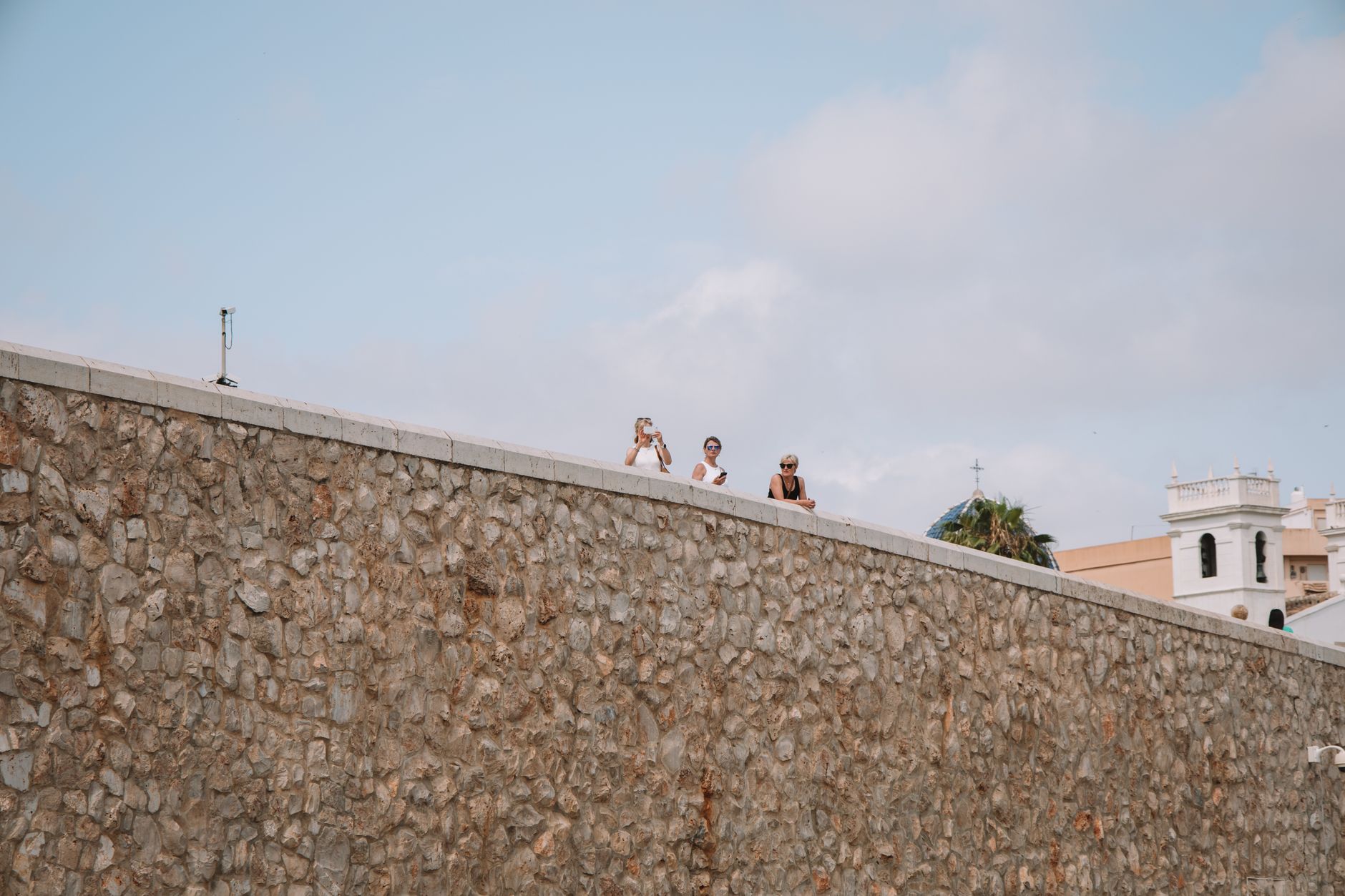
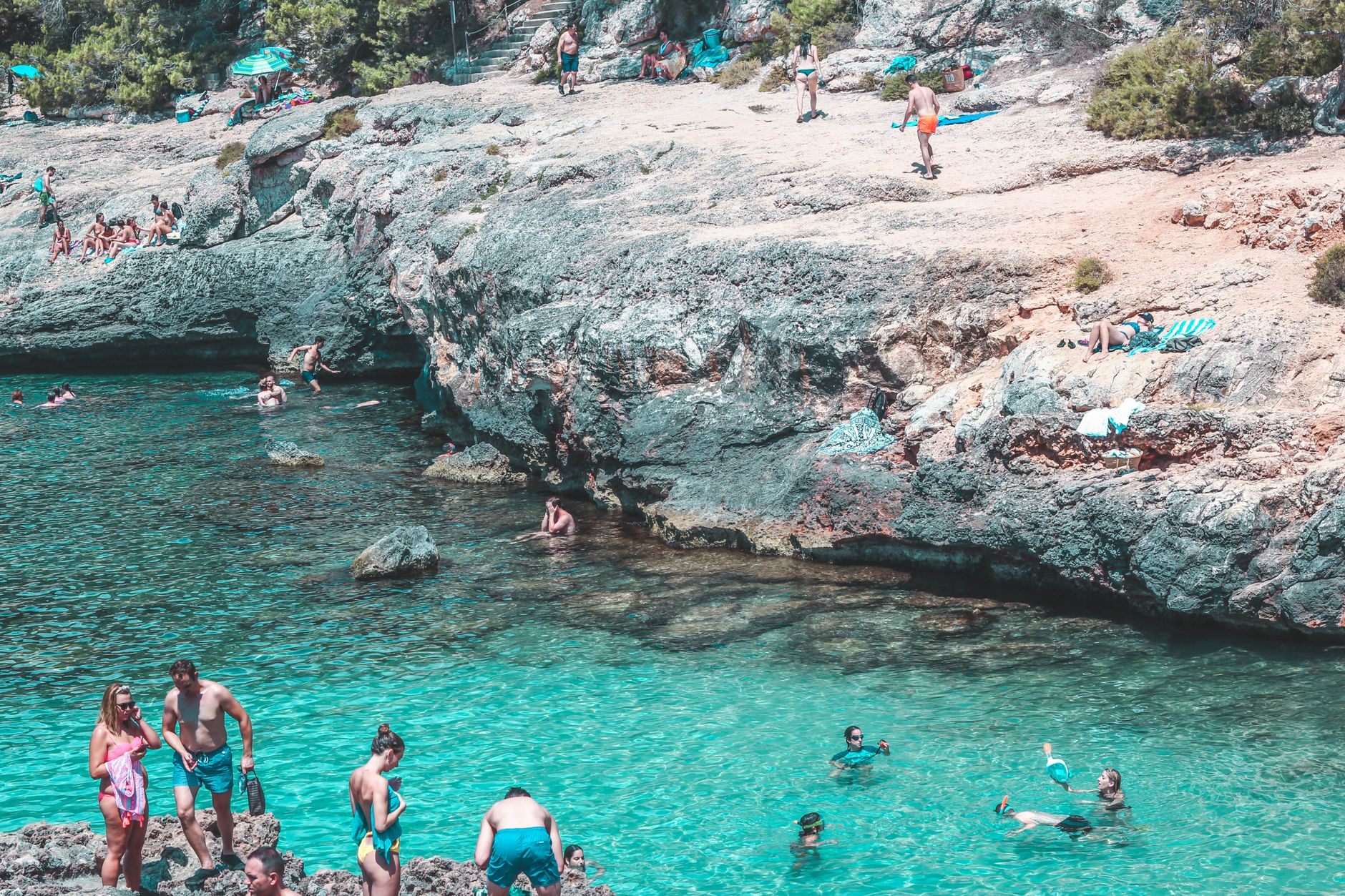
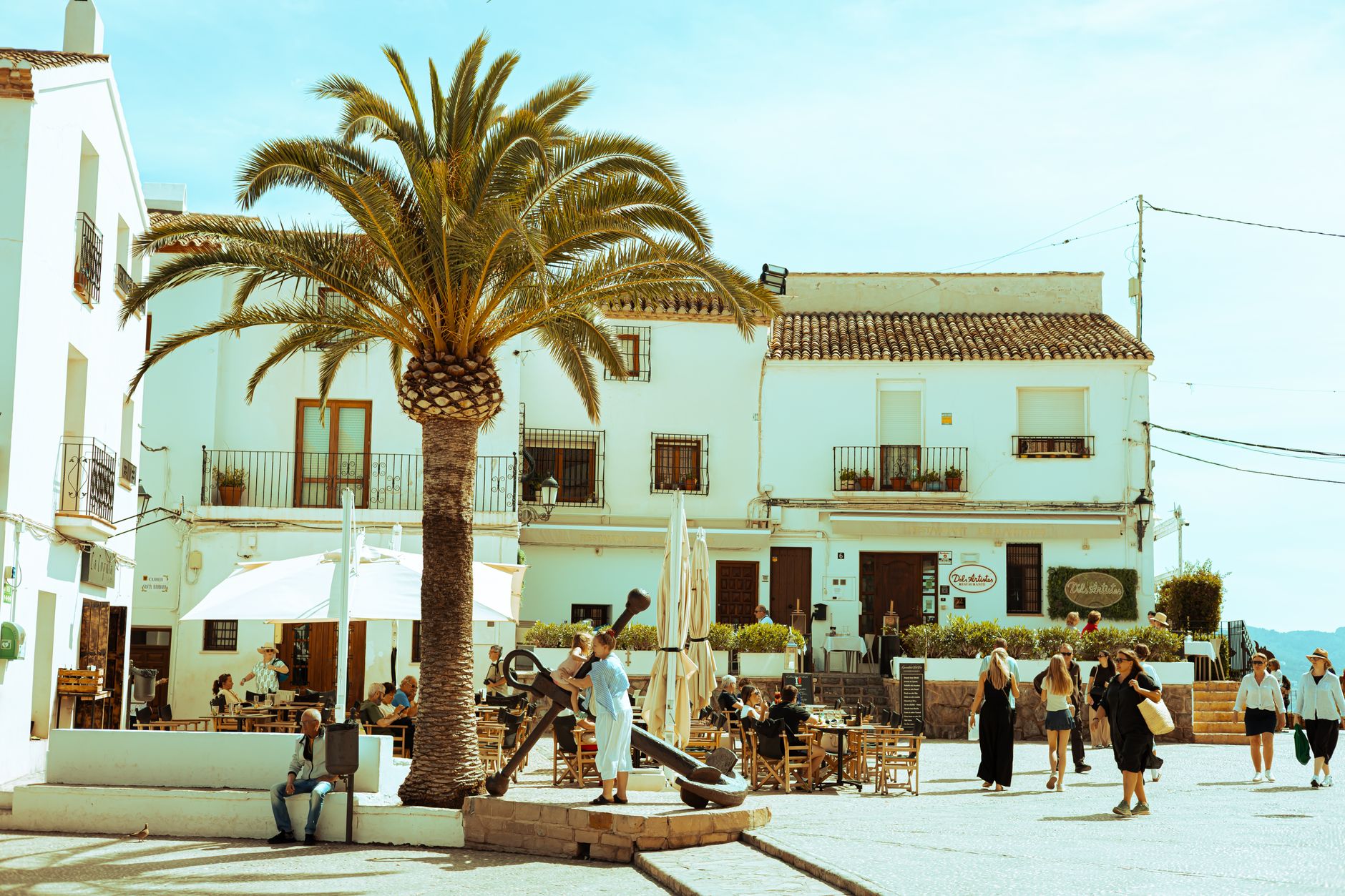
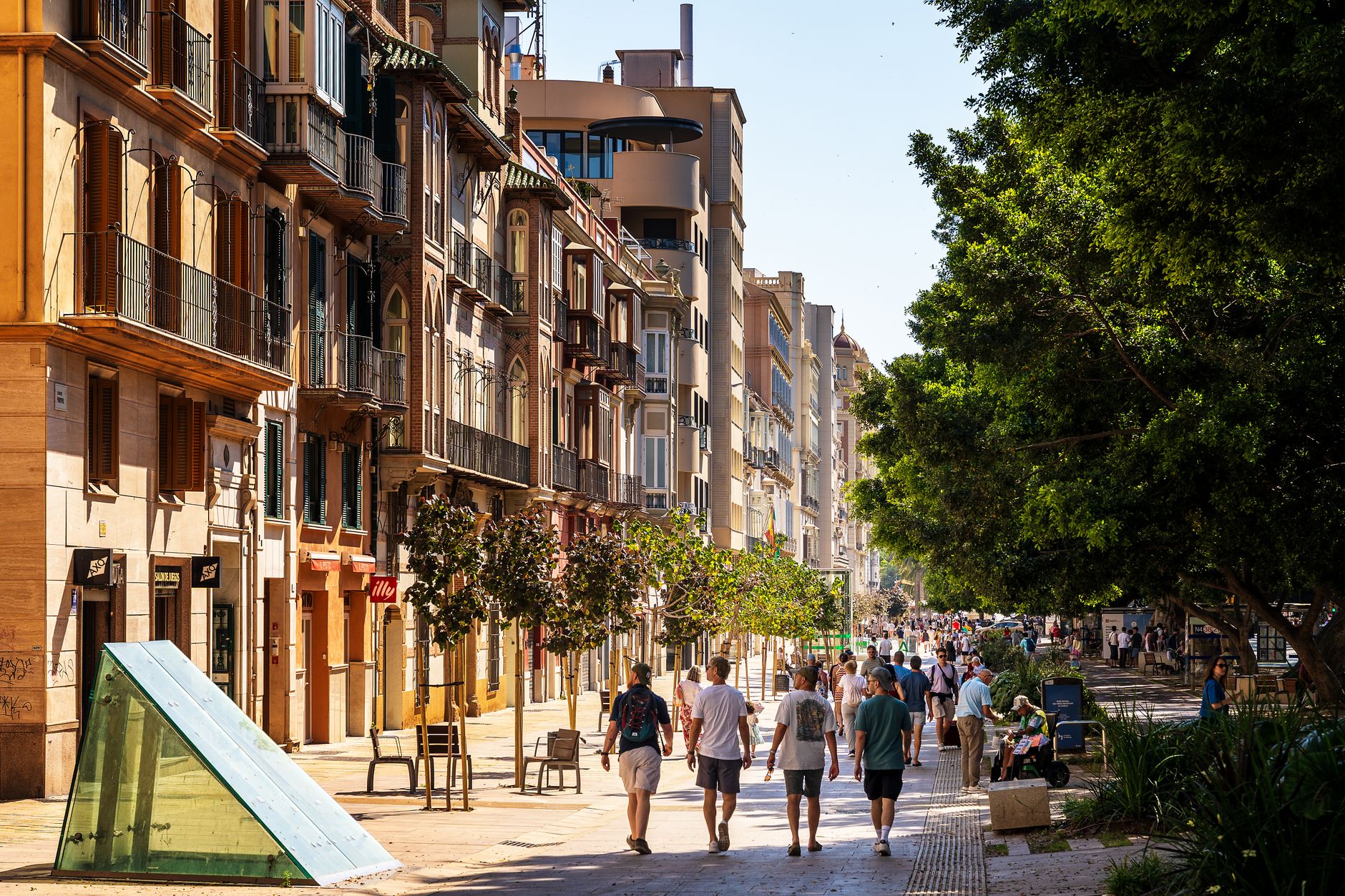
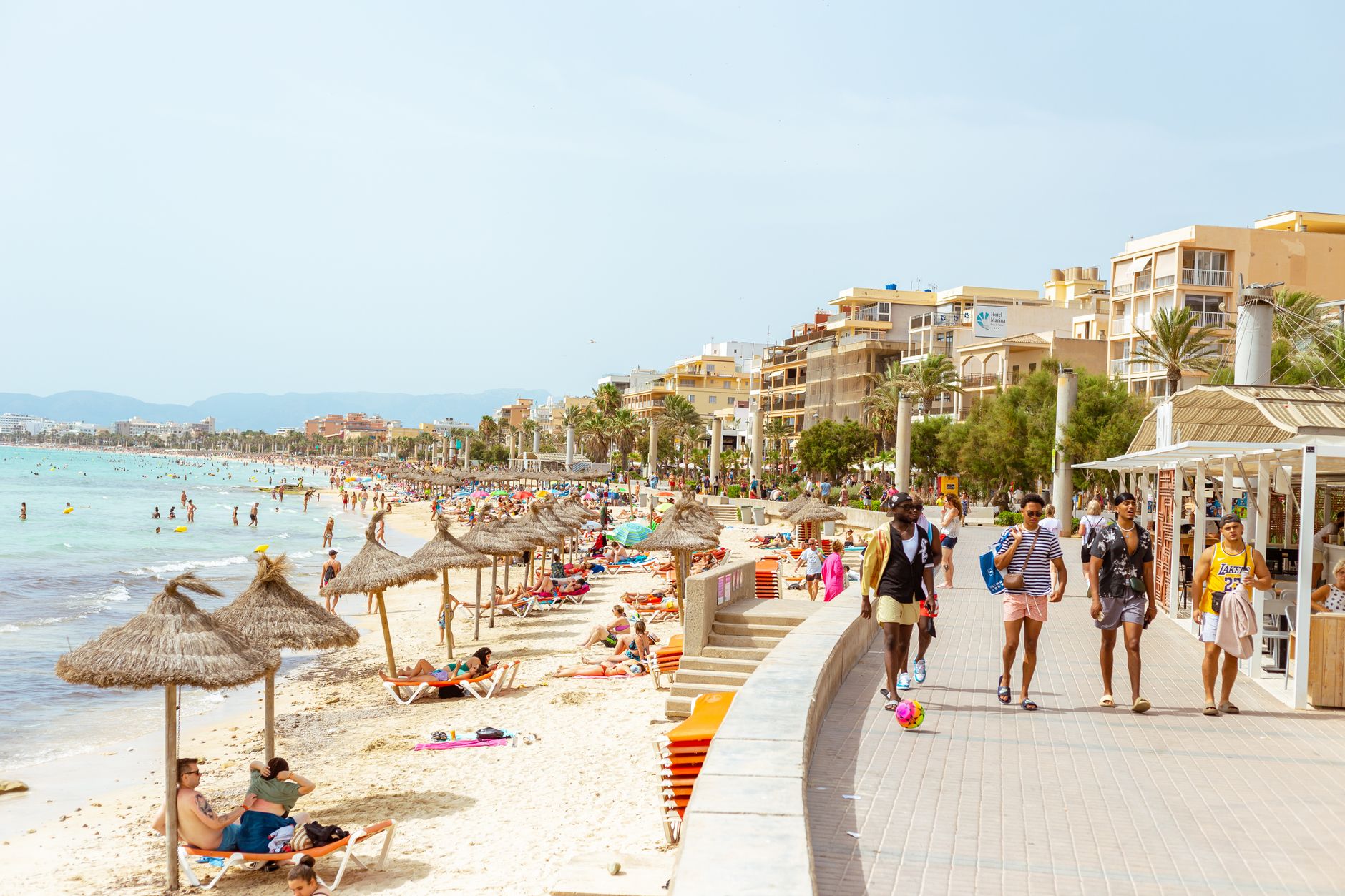
Es Molinar begins where Palma's promenade starts to quiet down — the coloured low-rise houses get a little more faded, the boats in the small marina are working vessels as much as pleasure craft, and the smell of grilled fish drifts from restaurants that have been feeding locals long before tourists thought to look this far east. It sits about five kilometres from the cathedral, connected to the city by a boardwalk that runners, cyclists, and skateboarders share with unhurried ease.
This is still a fishing quarter in the way that counts: the streets are narrow, the squares are small, and on summer evenings families spread out along the seafront for dinner rather than heading anywhere else. The coastline mixes gravel, pebbles, and sand, and in winter, when the swell picks up, surfers appear.
💛 What travellers fall for
People who come back tend to mention Can Punta by name — the Mediterranean-Asian menu there surprises in a neighbourhood better known for straightforward rice and fresh catch. The 16-kilometre promenade is also worth timing: early morning, before the cyclists arrive in numbers, it belongs almost entirely to you.
Deals in Es Molinar
Book directly at the provider

How Es Molinar came to be
The name traces back to the windmills — los molinos — that were established around the 17th century to mill flour, a few of which still stand. The first permanent settlements came in the mid-19th century, clustering around those mills and a small chapel. In 1850 the Capella del Remei was built; it was replaced in 1928 by the current Nostra Senyora del Remei parish church. The Can Pere Antoni area, just adjacent, saw Mallorca's first gas factory open on 4 February 1859.
By the early 20th century the neighbourhood had acquired the infrastructure of a proper maritime district. Club Marítimo del Molinar de Levante was founded in 1917, Club Nautic Portixol in 1928, and on 14 August 1920 a tramway began connecting Es Molinar to central Palma — a line that made the fishing quarter, for the first time, genuinely part of the city.
Who and what shaped it
Landmark buildings
See Es Molinar in motion
Plan your visit
On the map
When to go
Summers run hot and long — 30°C by August with eleven hours of daily sun — while winters are mild rather than cold, rarely dropping below 8°C overnight and often reaching 16°C in the afternoon. Spring and autumn are the most comfortable seasons for walking the promenade, with September still warm enough to swim.
Right now
Background & history adapted from Wikipedia (CC BY-SA) · specs from Wikidata (CC0) · weather from Open-Meteo · map data © OpenStreetMap contributors · photos from Wikimedia Commons / Unsplash with per-image credit. No third-party reviews or social posts reproduced.