
Ephesus
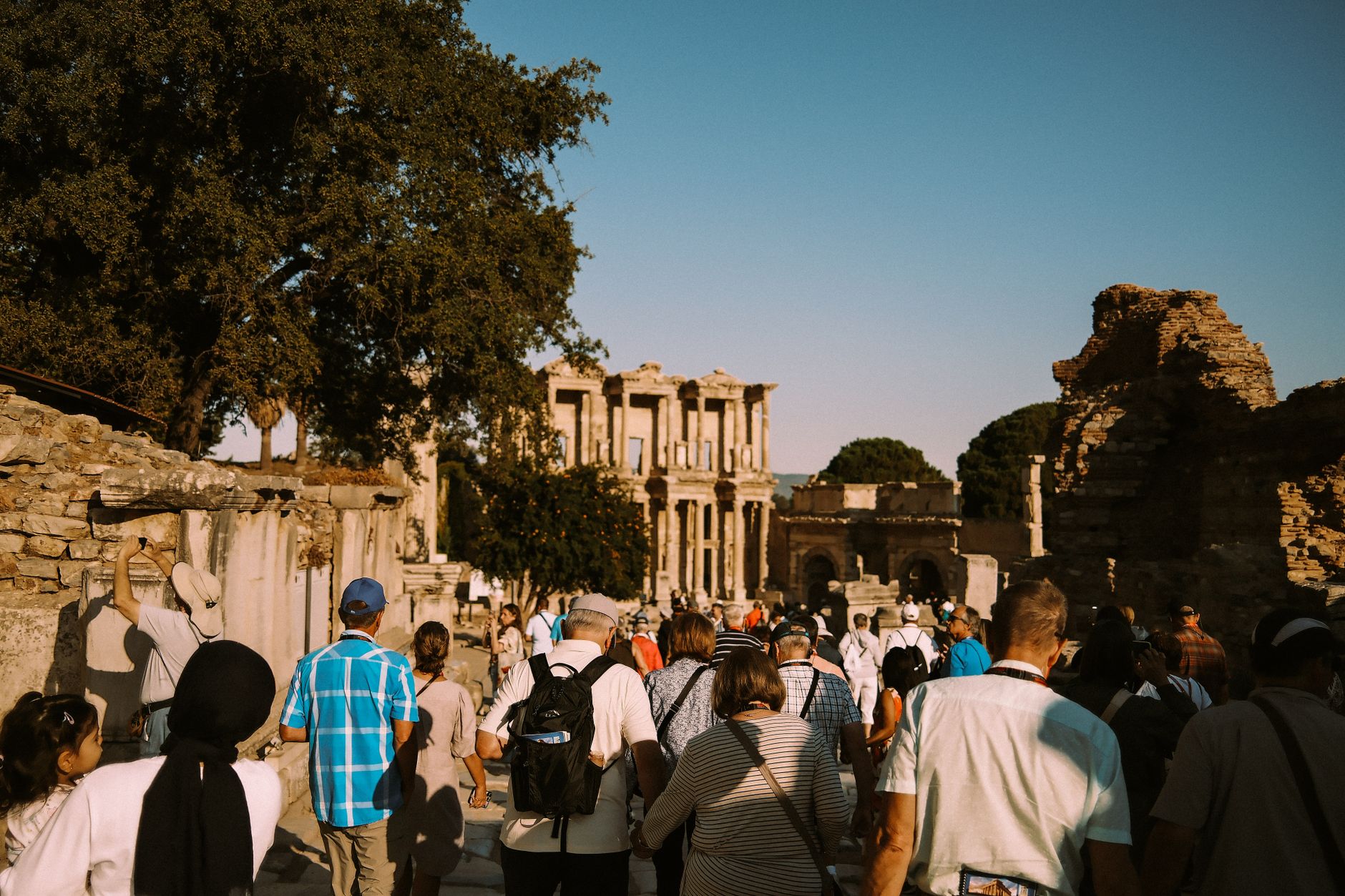
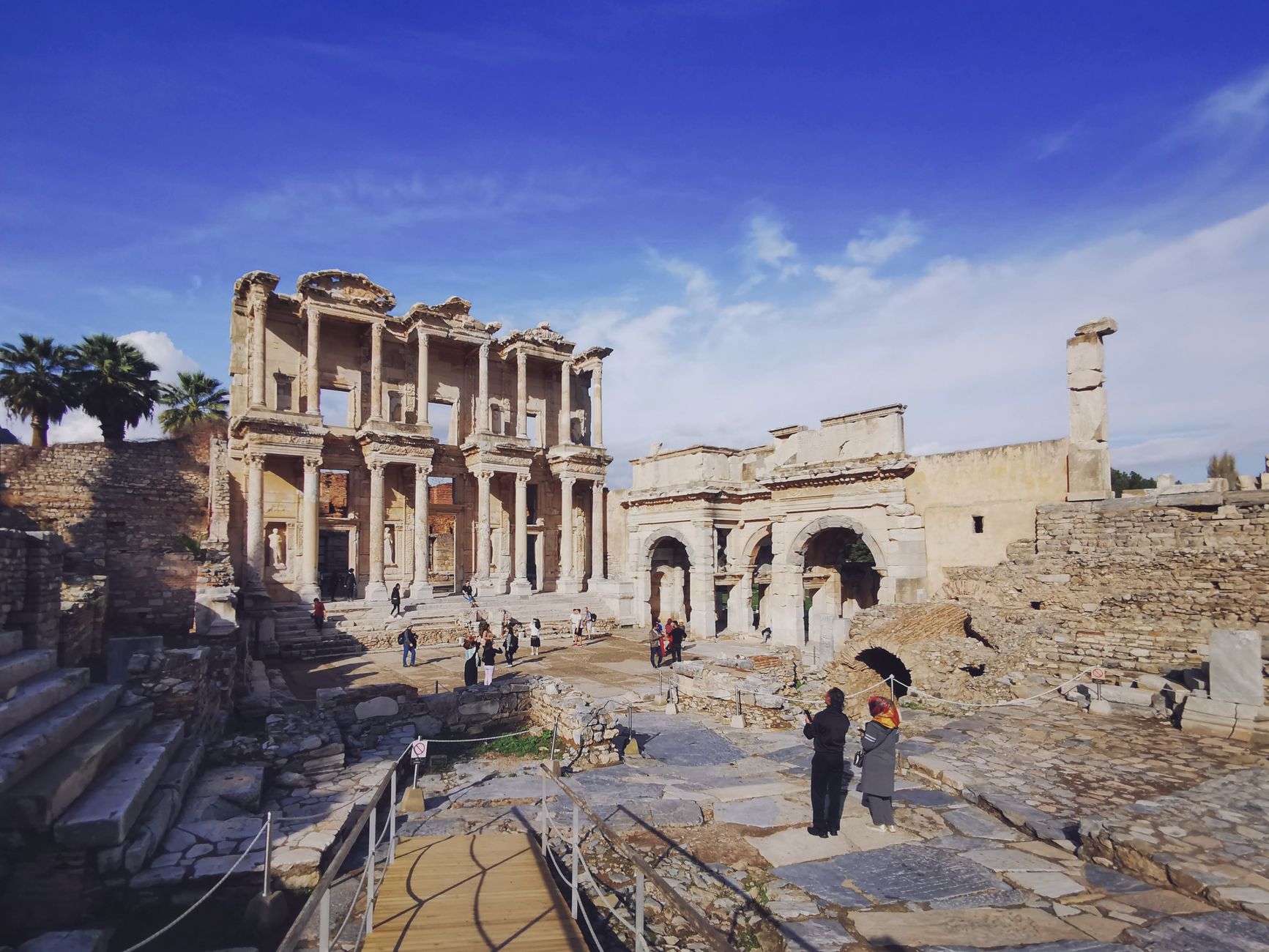
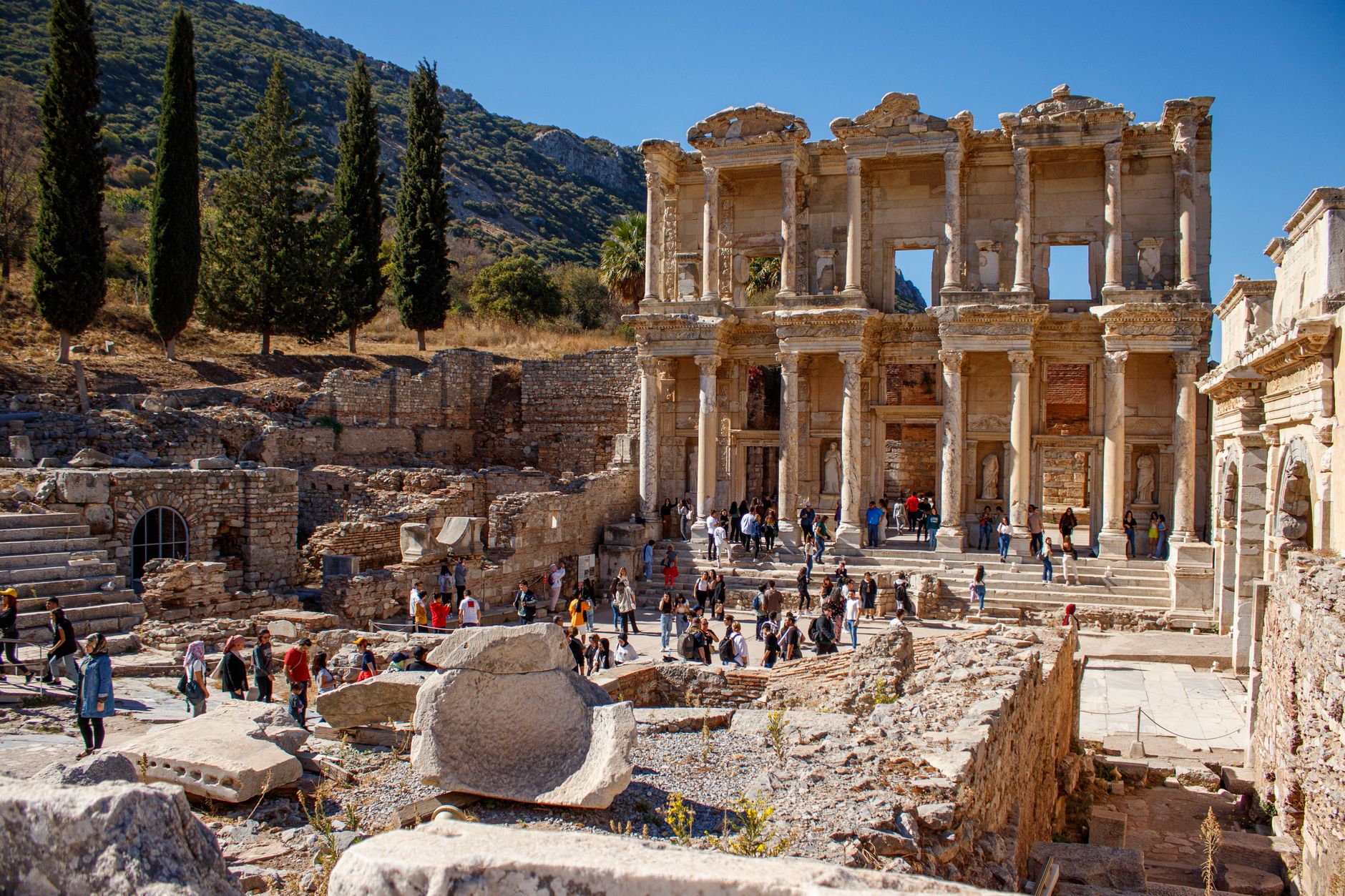
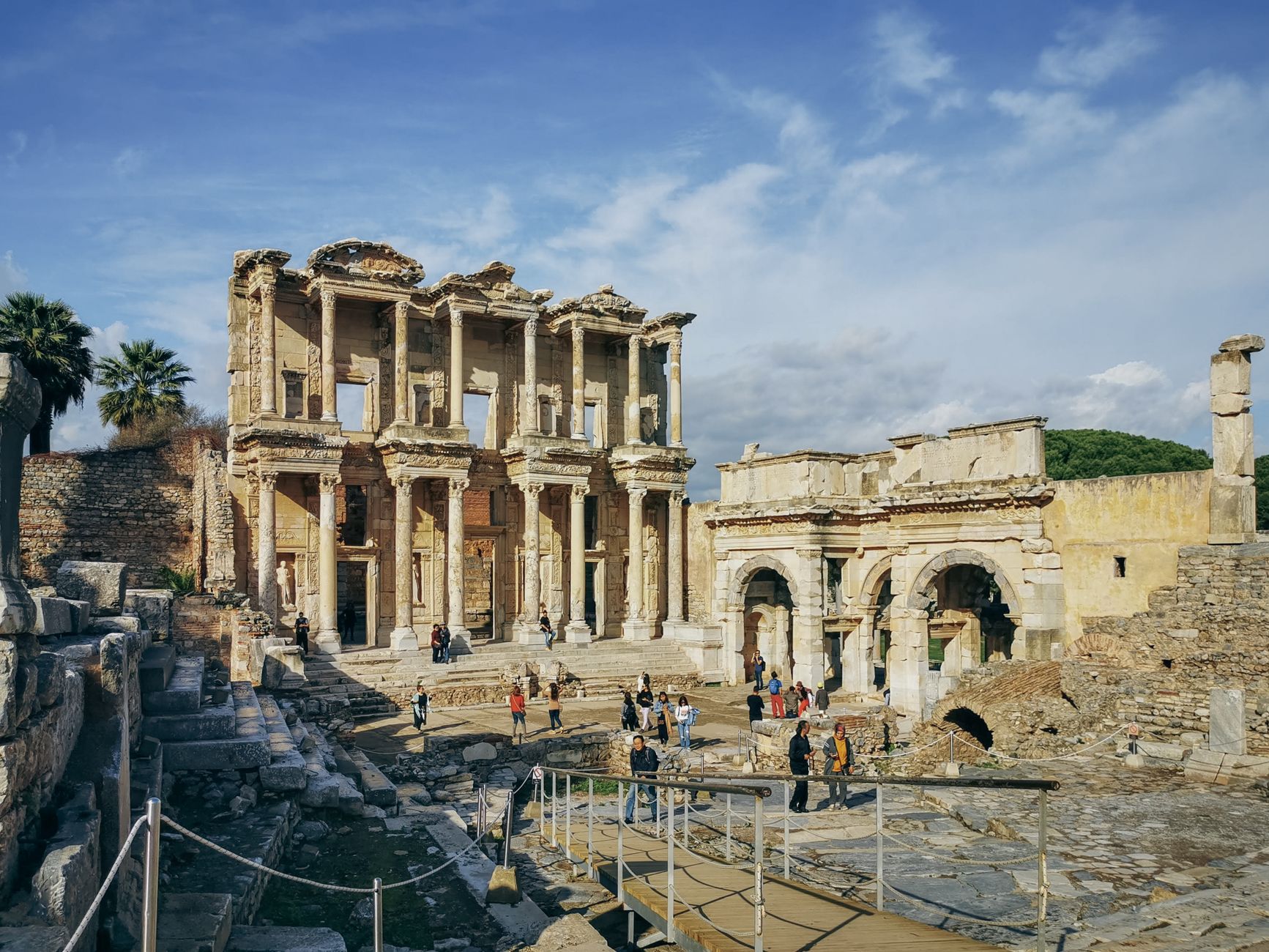
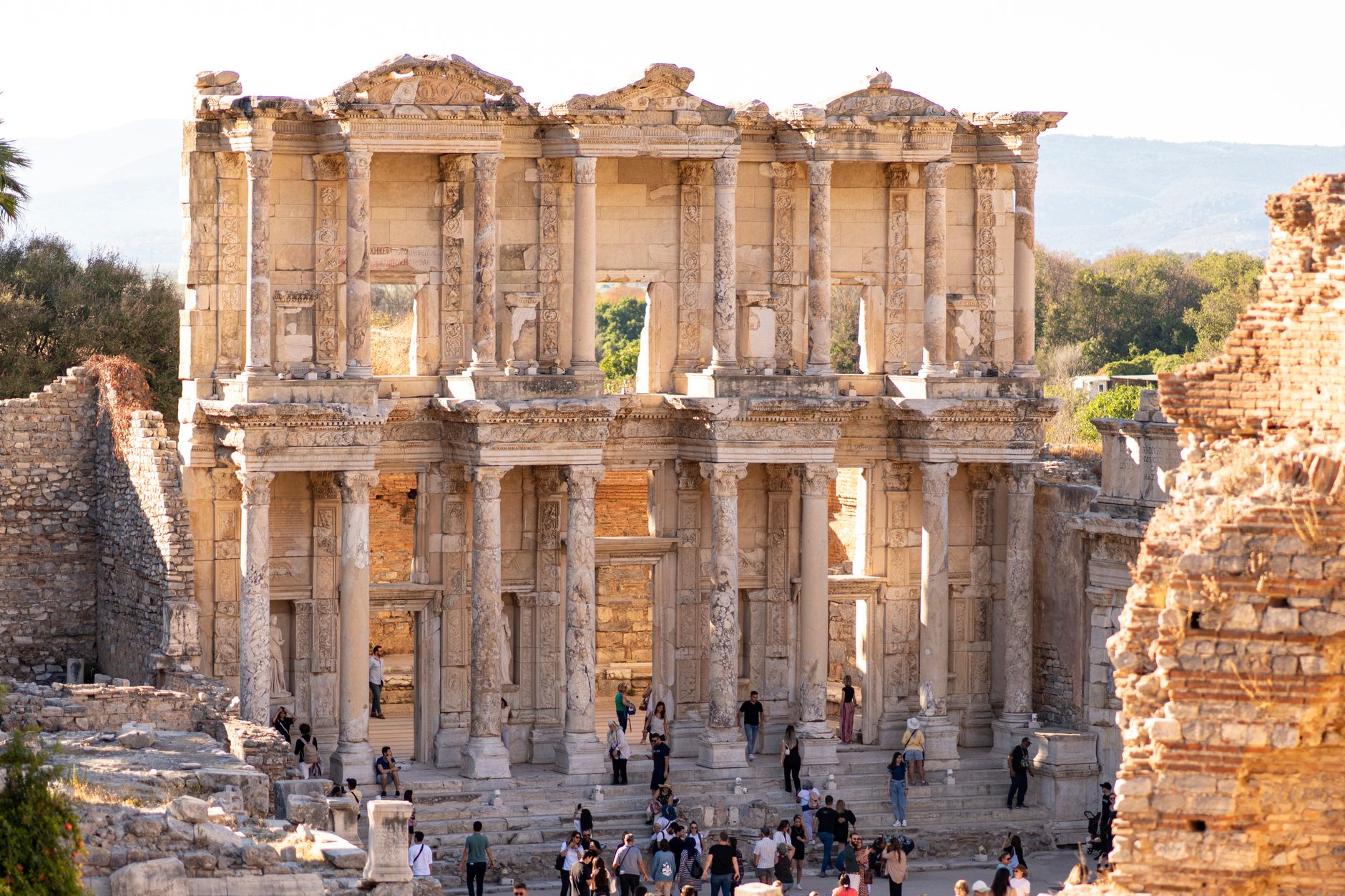
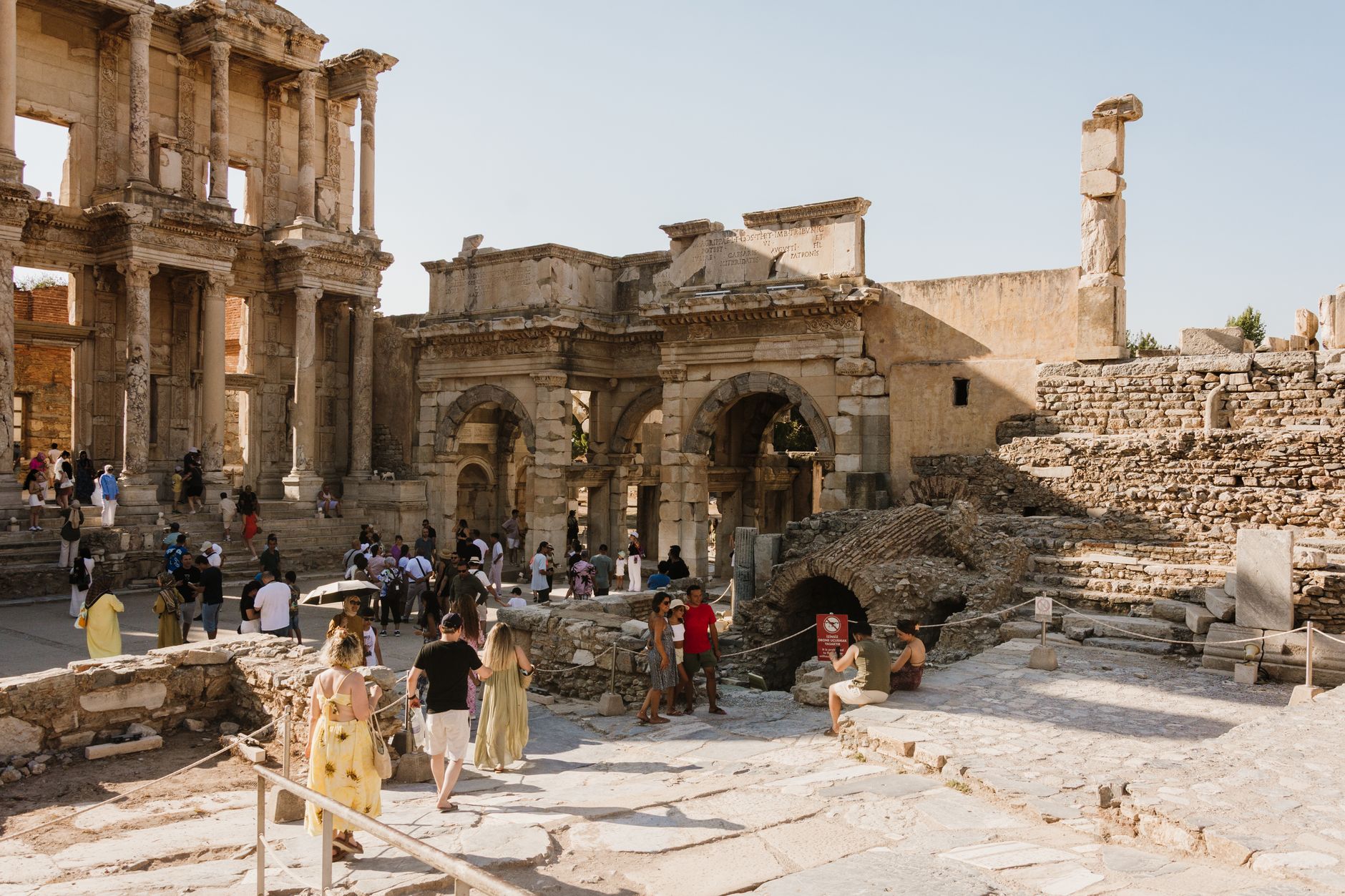
The single reconstructed column of the Temple of Artemis — once four times the footprint of the Parthenon — stands in a weedy field on the edge of Selçuk, unremarkable enough that you might walk past it. That gap between what was and what remains is the key to Ephesus: a city that was, for a stretch of Roman history, the largest in Asia Minor, now a vast open-air site where the Library of Celsus facade rises from the scrub and the Great Theatre seats nobody.
Ephesus draws serious history travelers, archaeology regulars, and anyone who wants to walk a marble-paved Roman street and feel the scale of a civilization that has genuinely left the building.
How Ephesus came to be
An Attic-Ionian colony founded around the 10th century BC, according to tradition by Androklos, an Athenian prince, Ephesus grew into one of the great cities of the ancient Mediterranean. The Temple of Artemis, funded by King Croesus of Lydia and built over roughly 120 years from around 550 BCE, was among the Seven Wonders of the ancient world — burned by a man named Herostratus in 356 BCE, rebuilt, and eventually reduced to the single column visible today.
By 29 BCE, Ephesus had become the Roman capital of the province of Asia. The Library of Celsus was completed in 117 CE as a funerary monument and may have held 12,000 scrolls before a Gothic invasion destroyed it by fire in 262 CE. The city contracted steadily thereafter, disrupted further by conflict in the early 7th century, and was largely abandoned by the 14th century.
Who and what shaped it
People who shaped it
Landmark buildings
See Ephesus in motion
Plan your visit
On the map
When to go
Summers are hot and dry — temperatures regularly exceed 35°C by July and August, and shade on the site is sparse. Spring (April–May) and autumn (September–October) offer the most comfortable walking weather, with mild temperatures and fewer crowds.
Right now
Background & history adapted from Wikipedia (CC BY-SA) · specs from Wikidata (CC0) · weather from Open-Meteo · map data © OpenStreetMap contributors · photos from Wikimedia Commons / Unsplash with per-image credit. No third-party reviews or social posts reproduced.