
El Terreno
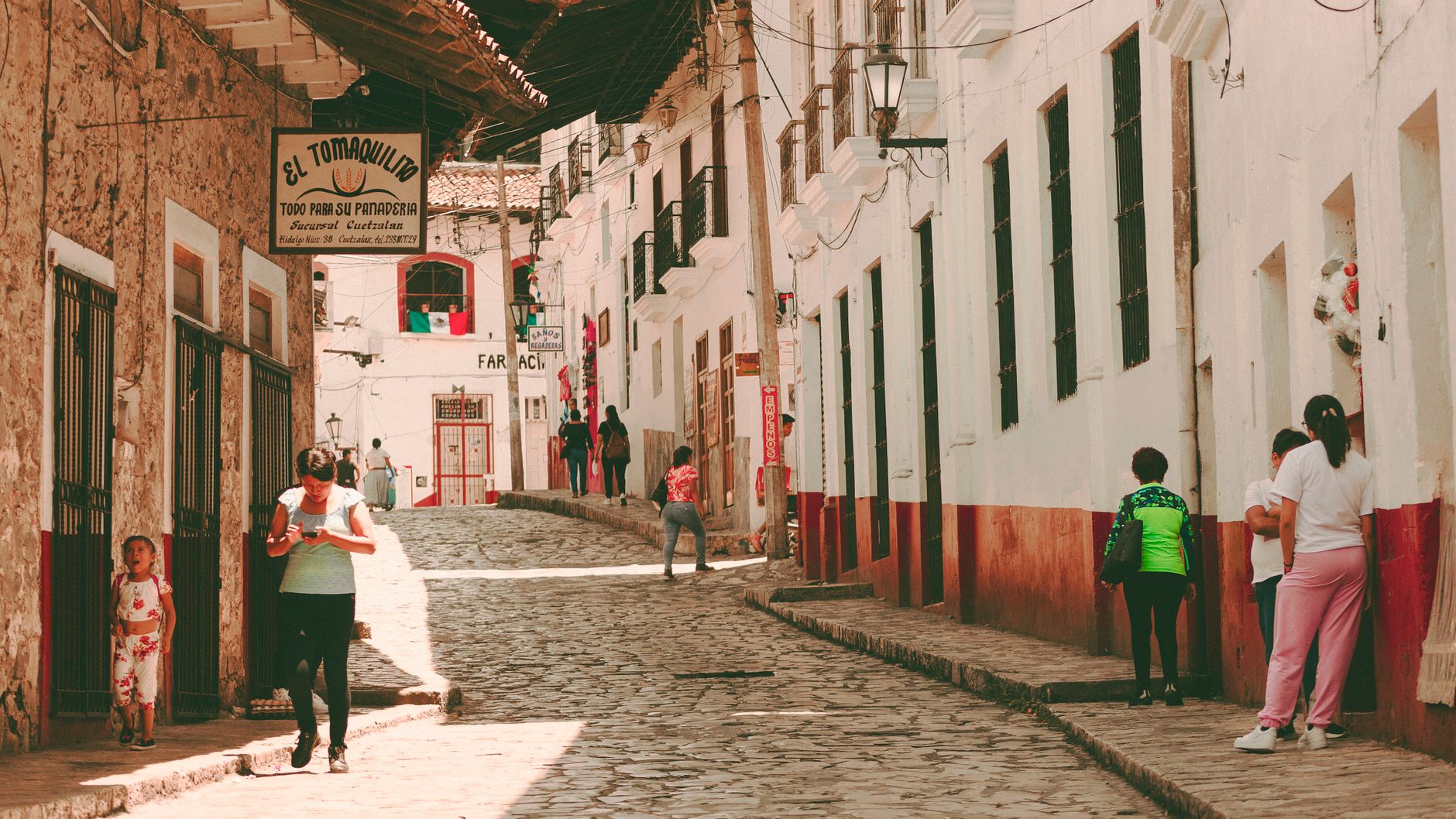
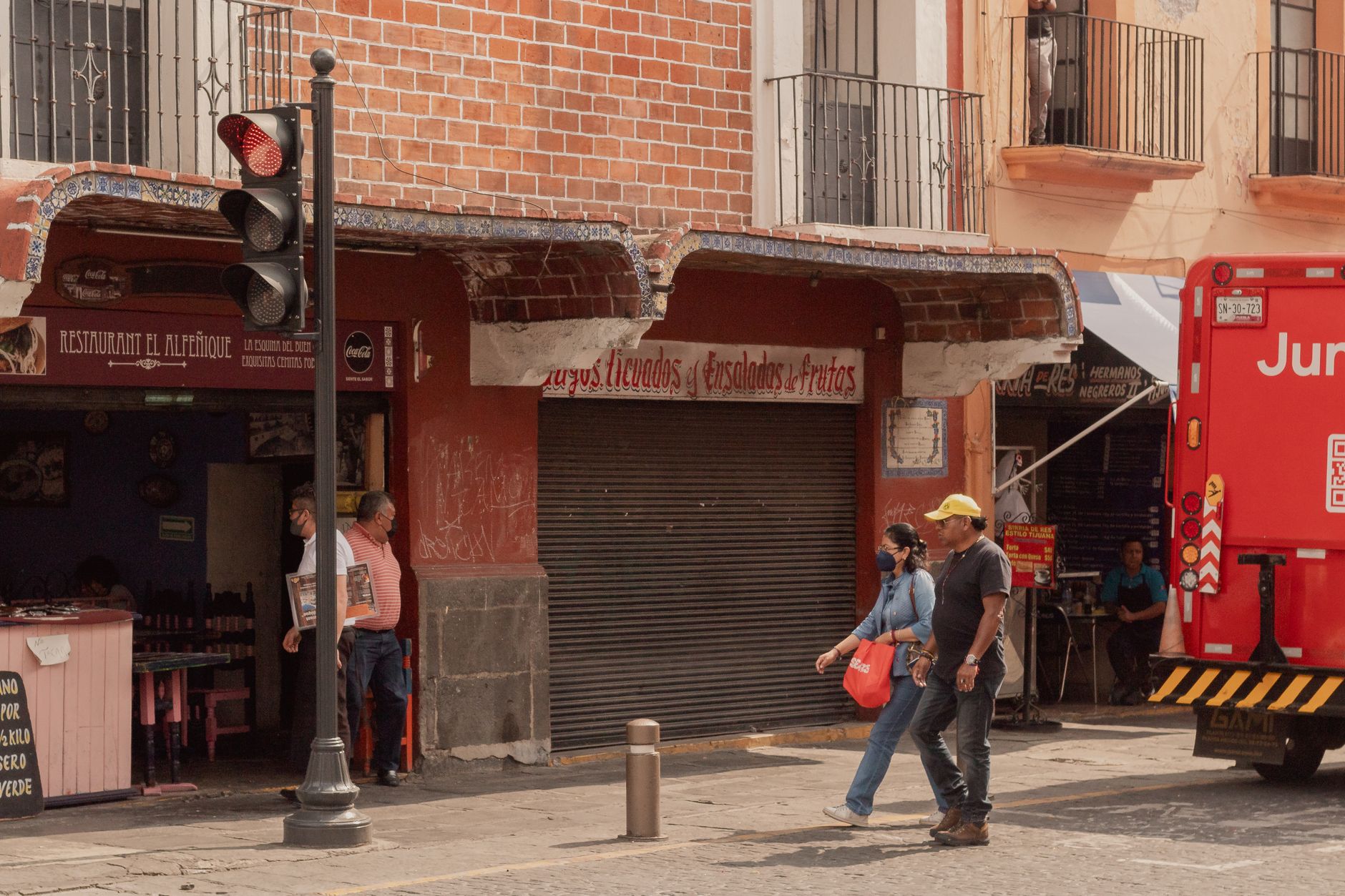
The first thing you notice on Joan Miró, El Terreno's main artery, is the slope — streets here tilt and narrow in ways that feel more Italian hill town than Mediterranean island. This is the district that sits just west of Palma's old centre, close enough to the port to catch sea light, far enough to have always done things its own way.
For most of the twentieth century El Terreno was where Palma came to let its hair down: hotel terraces, jazz from open doors, the particular electricity of a neighbourhood that attracted painters, poets and nightclub owners in roughly equal measure. The plaza at its heart still carries that history in its bones.
💛 What travellers fall for
People who keep coming back tend to walk up to Castell de Bellver in the late afternoon, when the forest around it smells of pine and the city spreads out below in the low sun. They eat somewhere along Joan Miró rather than near the port, and they end the night at Tito's — the last survivor of the old Gomila clubs — more out of loyalty than obligation.
Deals in El Terreno
Book directly at the provider


How El Terreno came to be
El Terreno's story begins with a painter. In 1777 Cristóbal Vilella — draftsman and naturalist to the Spanish Royal House — became the district's first recorded resident. It remained quietly outside Palma until the late nineteenth century, when the bourgeoisie began building summer houses on its slopes. An 1835 attempt at formal urbanisation by the Sociedad Económica Mallorquina de Amigos del País was blocked by military authorities; the neighbourhood grew anyway, on its own terms.
The Gomila family, who had returned from the Antilles with money and generosity, built a house and donated the forecourt to the town, creating what became Plaza Gomila. The Hotel Reina Victoria opened in 1910, the Mediterráneo in 1923, and the neighbourhood's cultural life gathered around the Sociedad Instructiva Bellver — until the Civil War dissolved it in 1936. By the 1960s Plaza Gomila had reinvented itself as Palma's nightlife centre, drawing Ray Charles, Wilson Pickett and Jimi Hendrix to its stages, and Ava Gardner, Marlene Dietrich and Aristotle Onassis to its tables. The clubs thinned out in the 1990s; only Tito's remains.
Who and what shaped it
People who shaped it
Landmark buildings
See El Terreno in motion
Plan your visit
On the map
When to go
El Terreno sits on Mallorca's western edge, so summers are hot and dry — the hillside streets trap heat in July and August, and the walk up to Bellver is best saved for morning. Spring and autumn bring mild days and genuine quiet; winter is short, often sunny, and the neighbourhood feels entirely local.
Right now
Background & history adapted from Wikipedia (CC BY-SA) · specs from Wikidata (CC0) · weather from Open-Meteo · map data © OpenStreetMap contributors · photos from Wikimedia Commons / Unsplash with per-image credit. No third-party reviews or social posts reproduced.