
El Puerto de Santa María
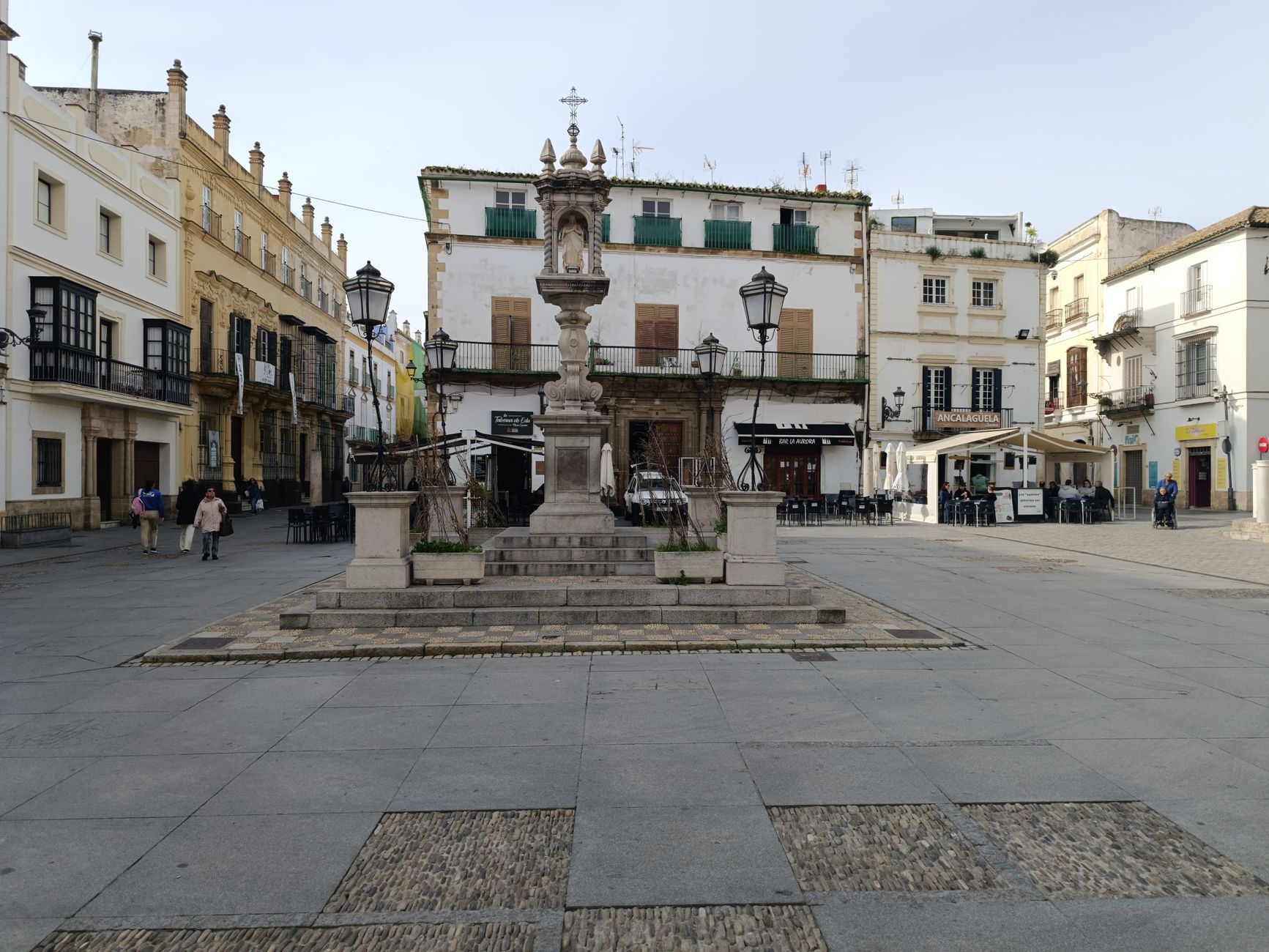

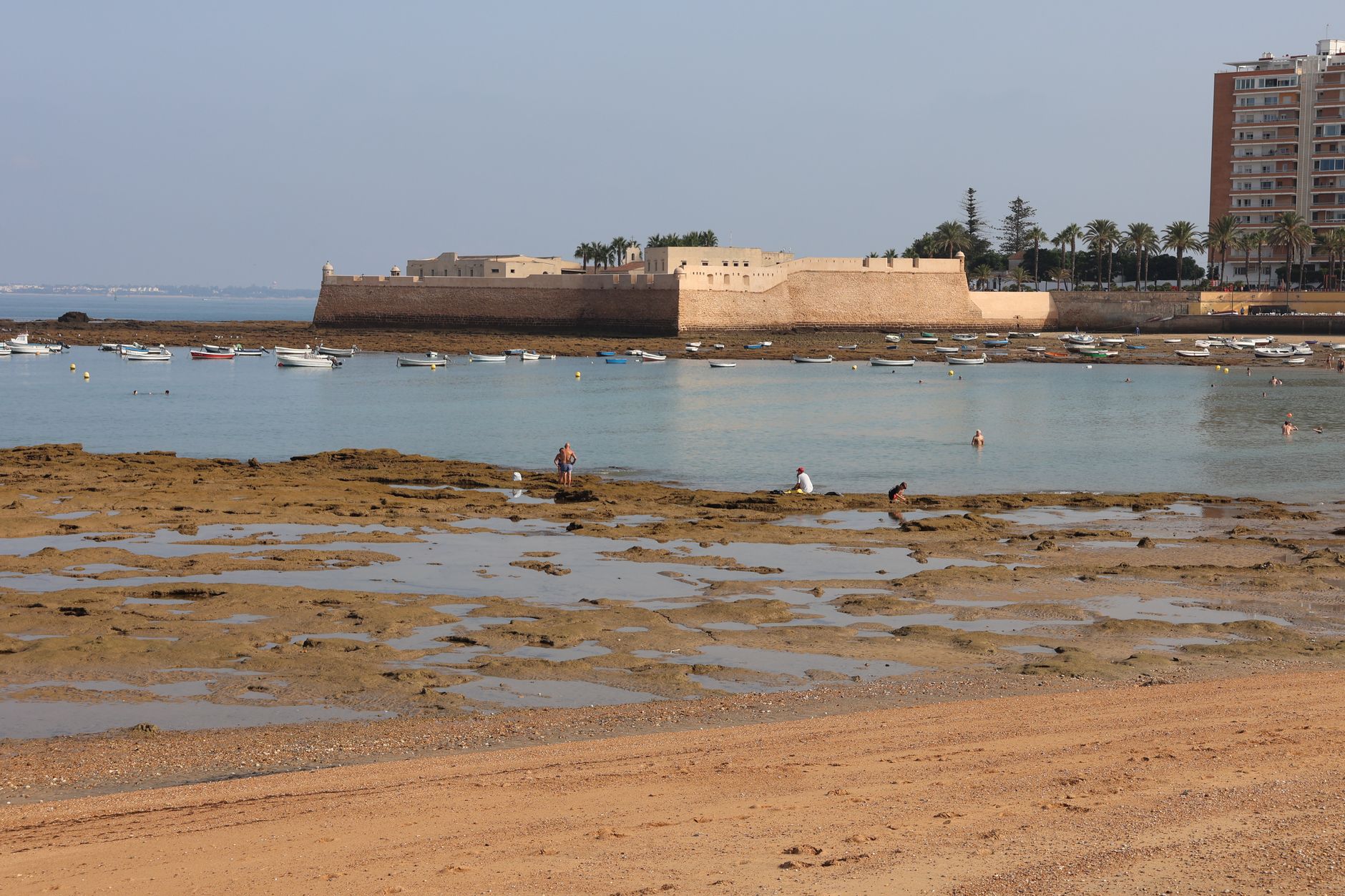
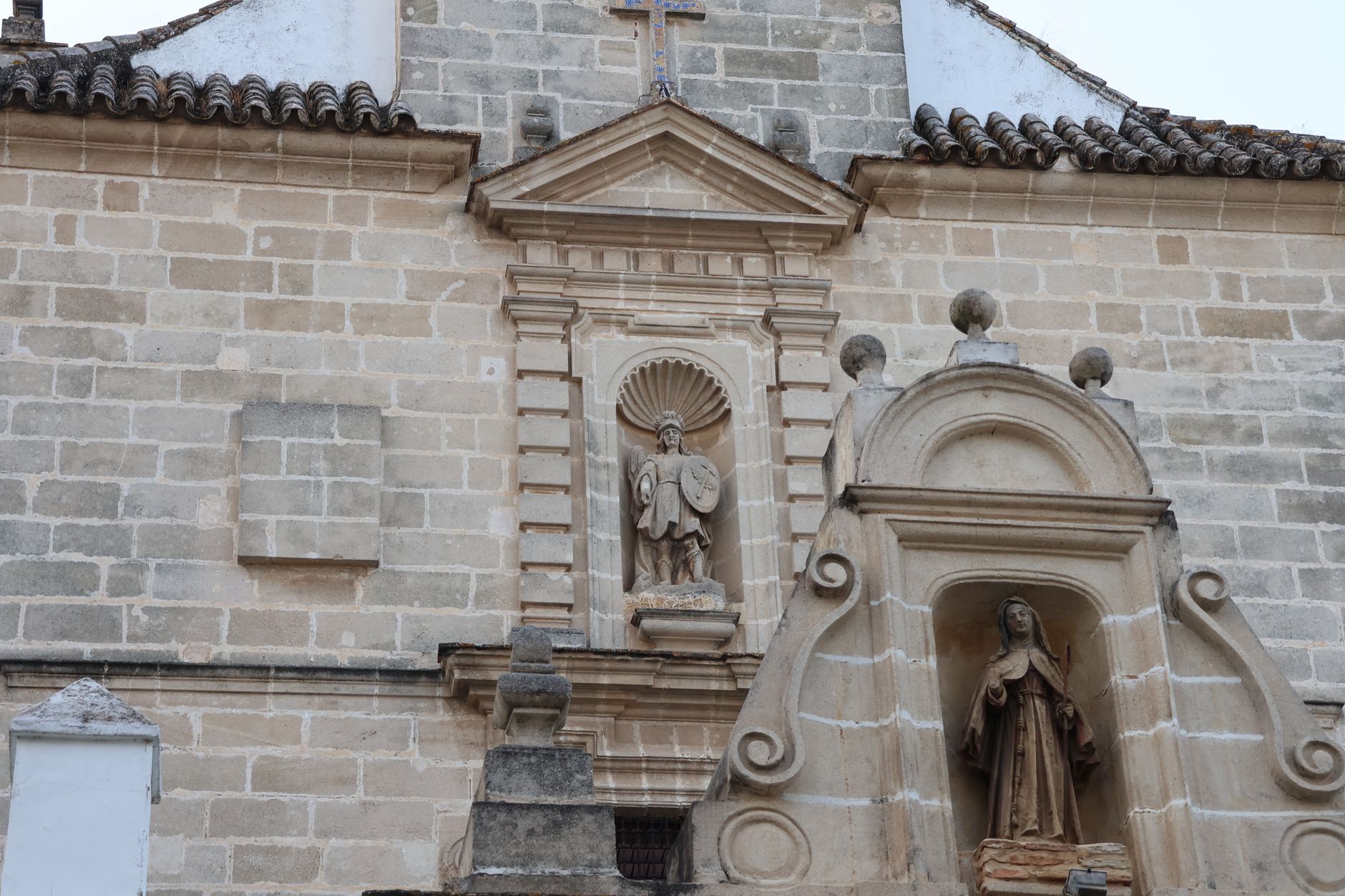
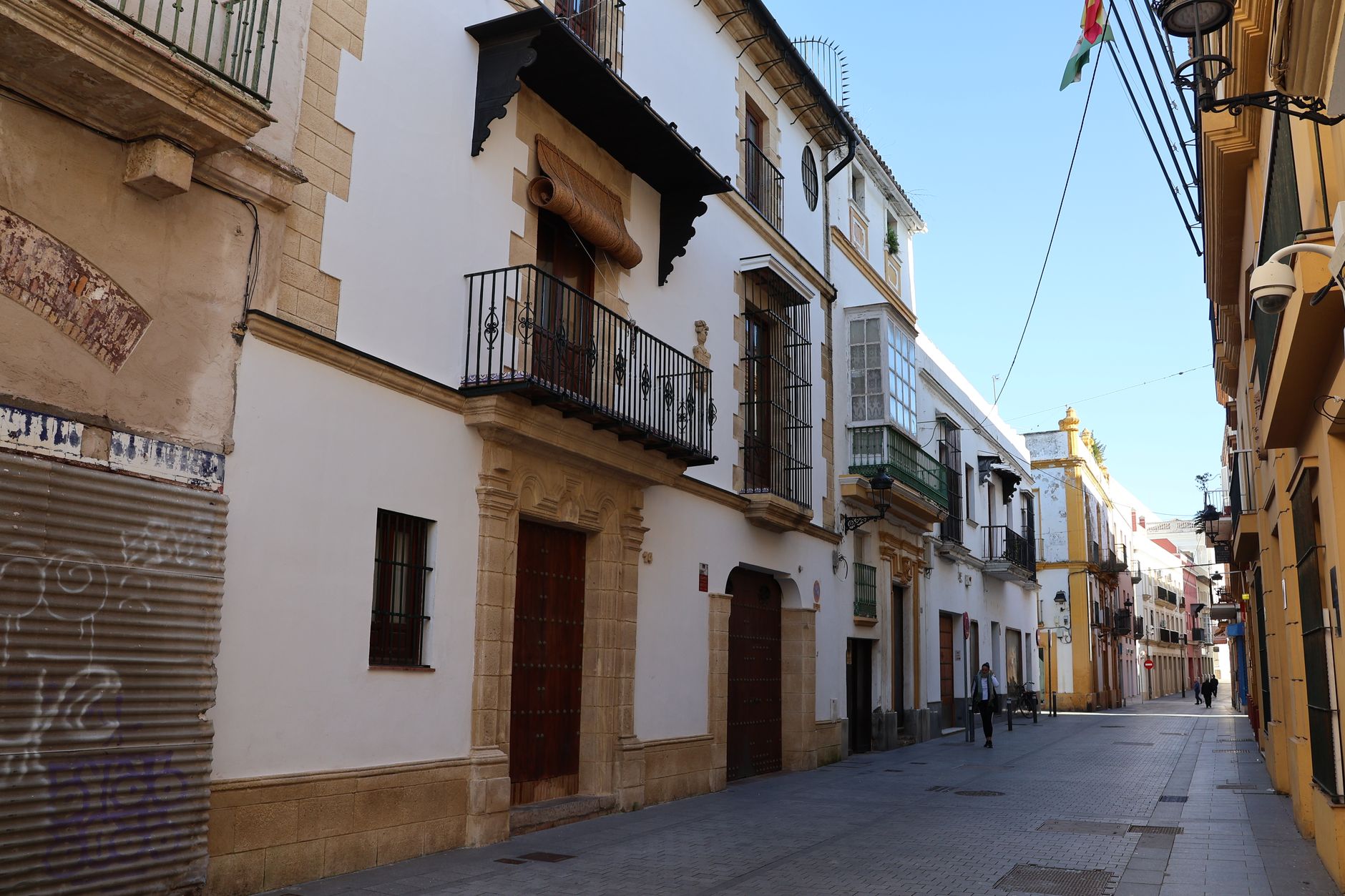
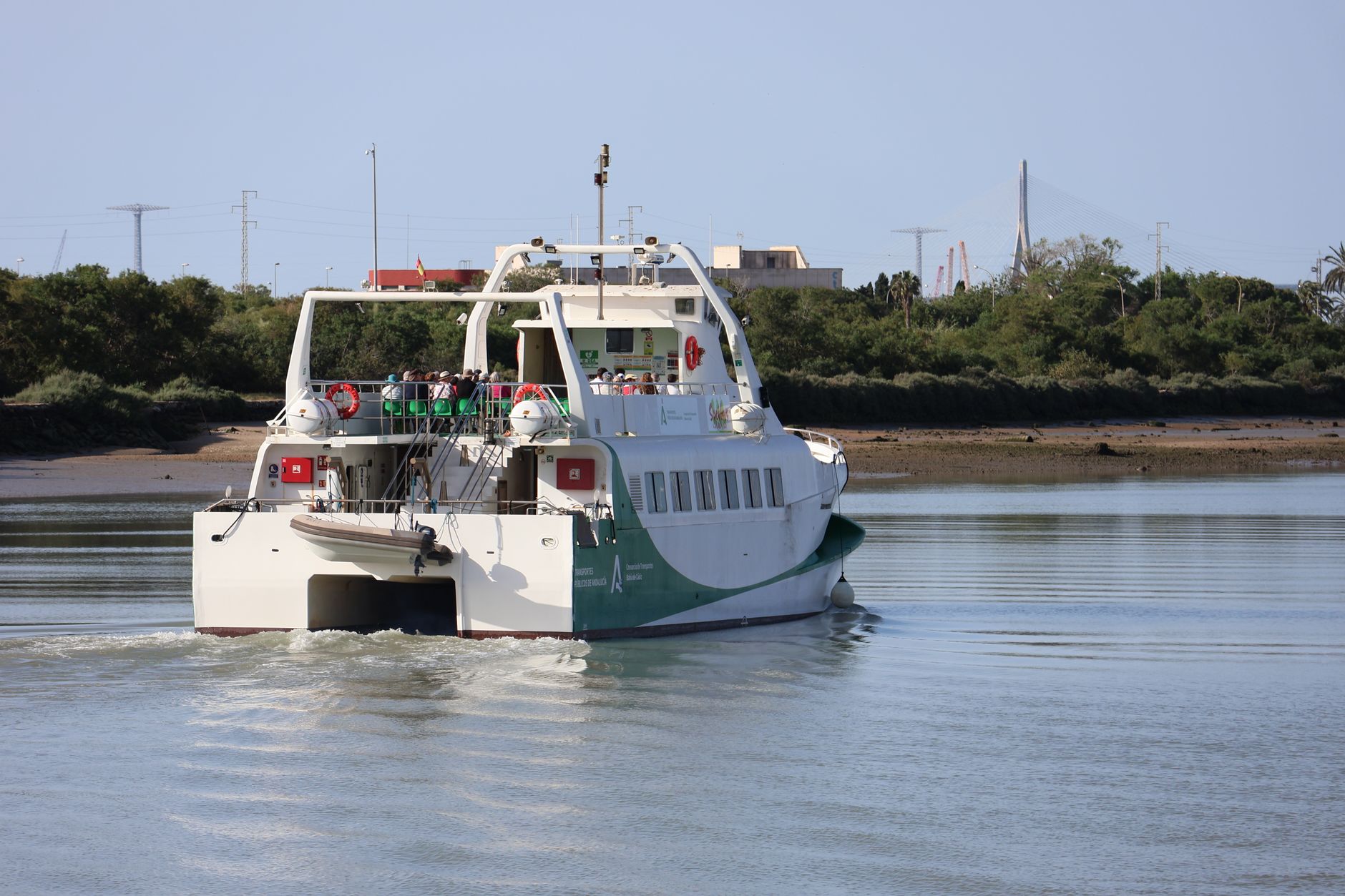
El Puerto de Santa María sits at the mouth of the Guadalete River where it opens into the Bay of Cádiz, and the water is never far from anything here — not from the long seafood restaurants along Calle Ribera del Marisco, not from the ferry crossing to Cádiz, not from the city's own sense of itself. This is a place that has watched ships leave for places that didn't yet have names on any map.
Columbus came through in 1480. Juan de la Cosa drew the first map to show the New World coastline here in 1500. Rafael Alberti, born in these streets, spent a lifetime writing his way back to the sea he grew up beside. The sherry bodegas, the Roman foundations, the mosque-turned-castle — El Puerto carries its layers without making a fuss about them.
💛 What travellers fall for
People who return tend to mention the ferry to Cádiz unprompted — not as transport, but as the point. Take it in the late afternoon when the light hits the bay at an angle. Then walk back along Ribera del Marisco slowly, stopping wherever the smell of grilled prawns makes the decision for you.
Deals in El Puerto de Santa María
Book directly at the provider

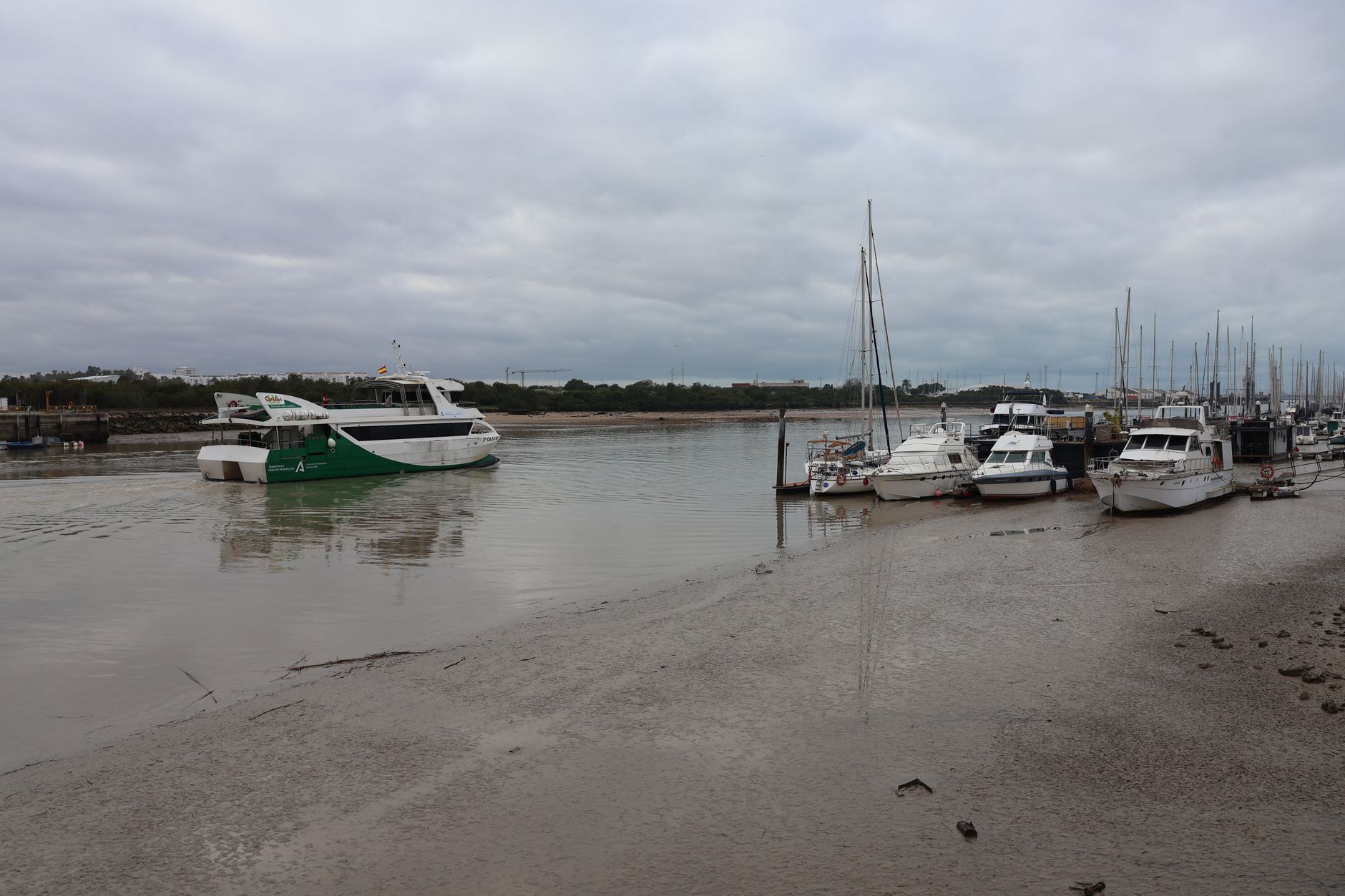
How El Puerto de Santa María came to be
Phoenicians traded through this harbour before Rome arrived to do the same. Arab rule from 711 gave the city its name Al-Kanatir — Port of the Salt Pans — before Alfonso X recaptured it in 1260 during the Reconquista, rechartered it as royal demesne in 1281, and set its Christian identity in stone, quite literally, by building the Castillo de San Marcos over the foundations of an existing mosque.
The city's most consequential decade came at the turn of the 16th century, when it served as a staging point for the voyages that mapped the Americas. Columbus visited in 1480 and met Juan de la Cosa here; the first expedition to the New World departed from El Puerto in 1492. De la Cosa returned to draw his landmark world map in 1500. Three centuries later, during the Peninsular War, the city served as French Army headquarters under Joseph Bonaparte — a quieter chapter, but one that left its mark on the urban fabric.
Who and what shaped it
People who shaped it
Landmark buildings
See El Puerto de Santa María in motion
Plan your visit
On the map
When to go
Summers run hot and almost entirely dry — August averages 31°C in the day with barely a drop of rain all month. Spring and autumn are the sweet spot, with daytime temperatures between 20°C and 25°C and enough overcast days to make the sunny ones feel earned. January is mild by most standards, rarely dropping below 9°C at night, though December brings the year's heaviest rainfall.
Right now
Background & history adapted from Wikipedia (CC BY-SA) · specs from Wikidata (CC0) · weather from Open-Meteo · map data © OpenStreetMap contributors · photos from Wikimedia Commons / Unsplash with per-image credit. No third-party reviews or social posts reproduced.