
El Centro Histórico
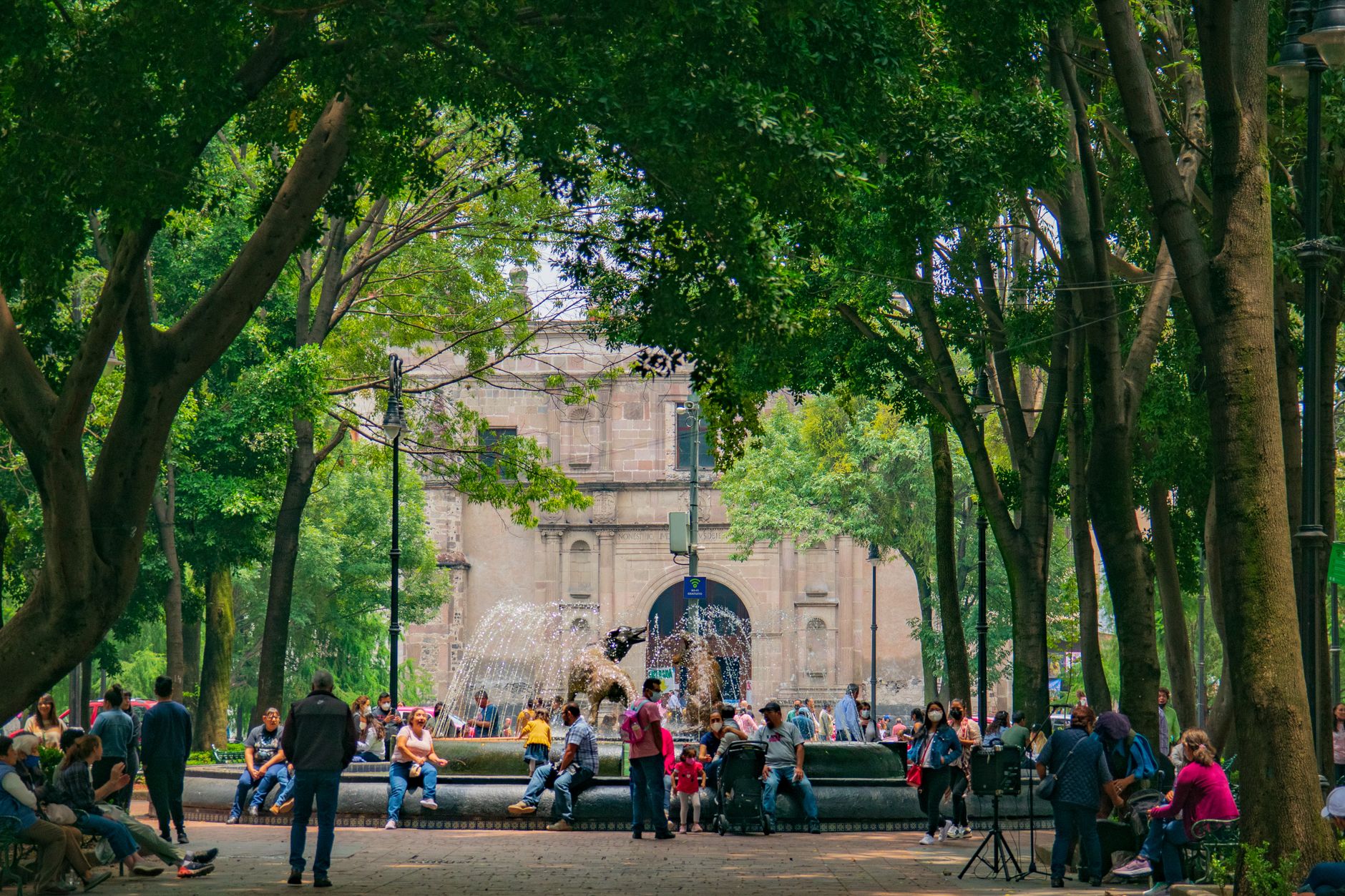
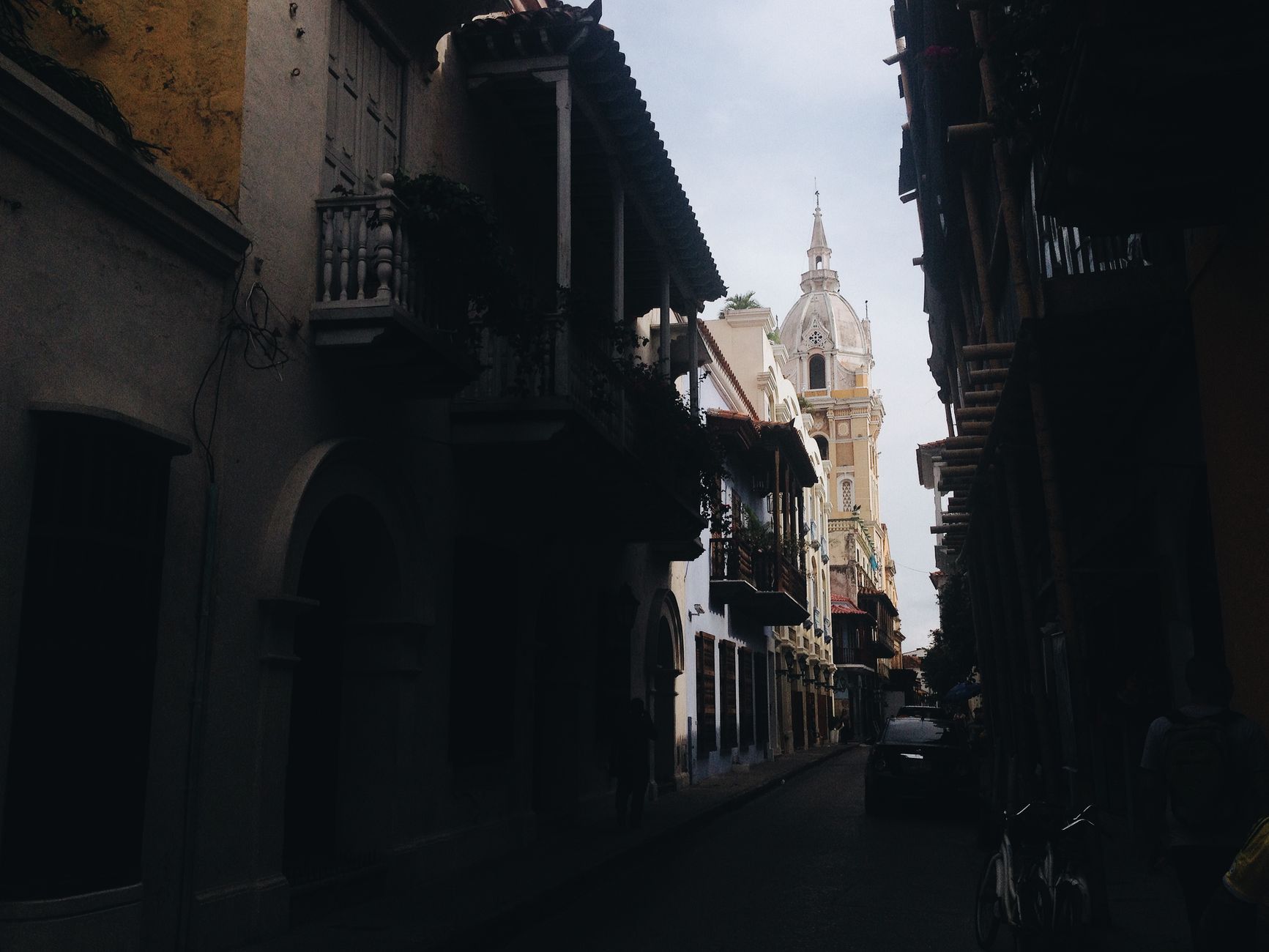
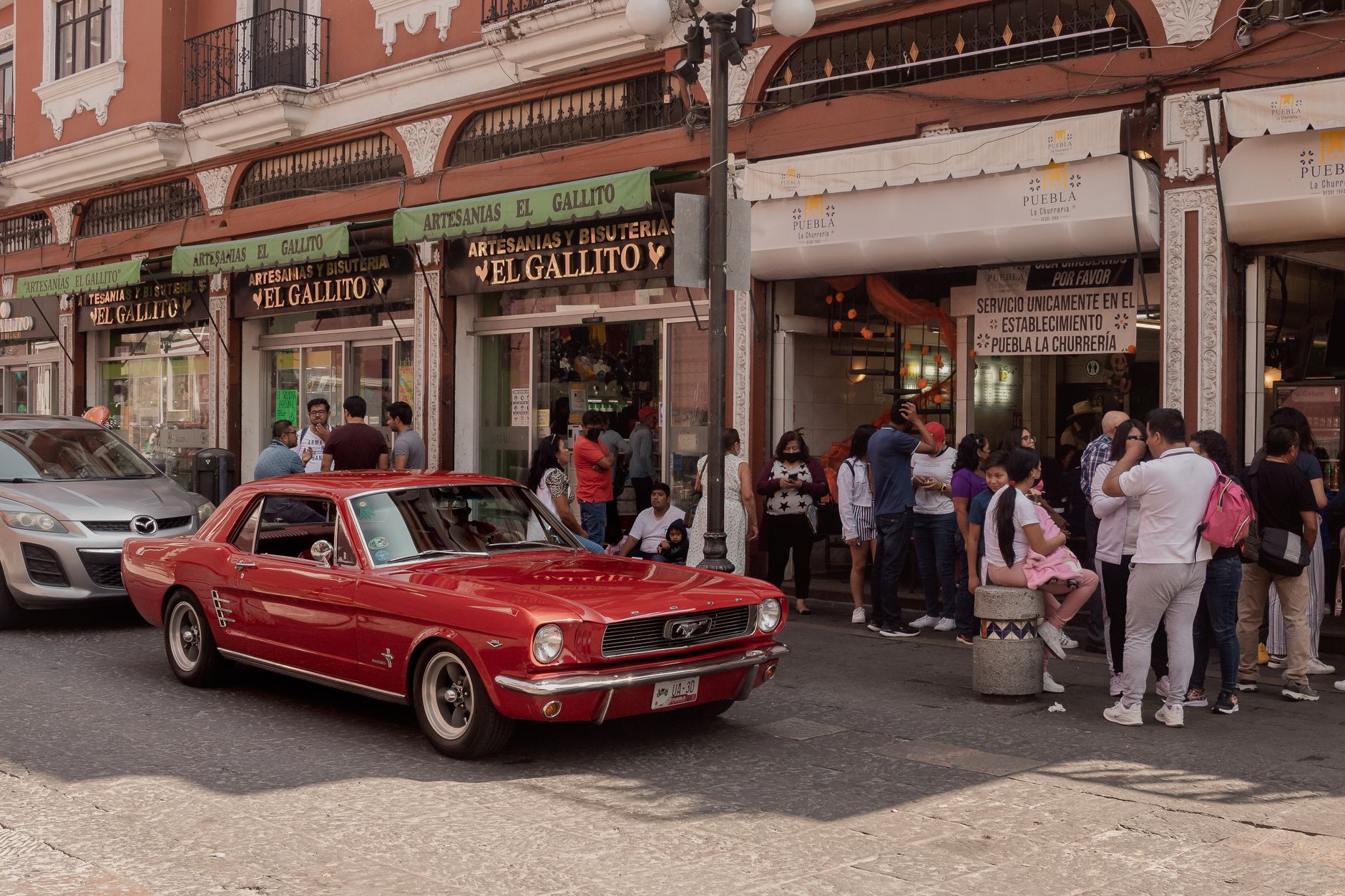
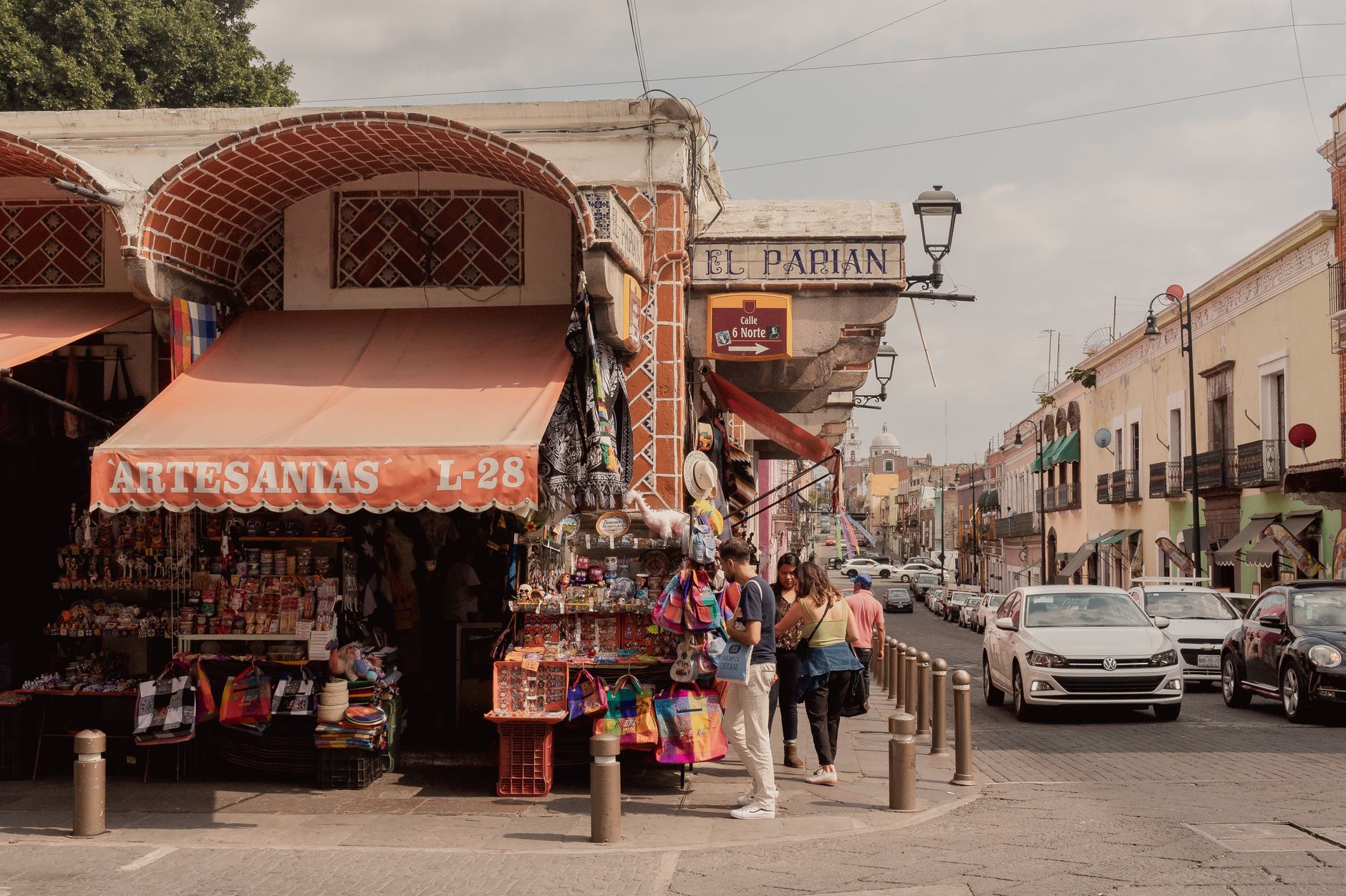
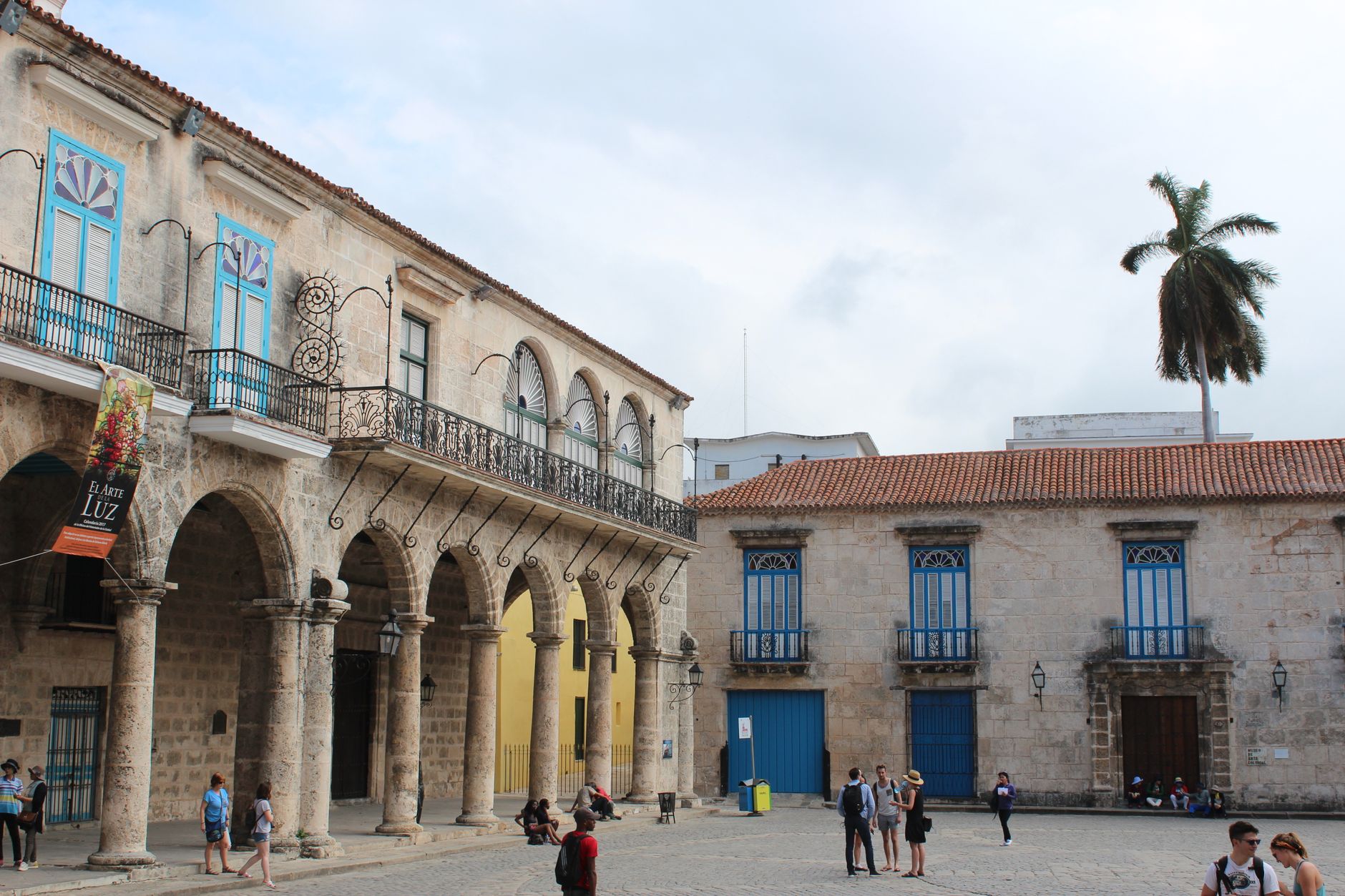
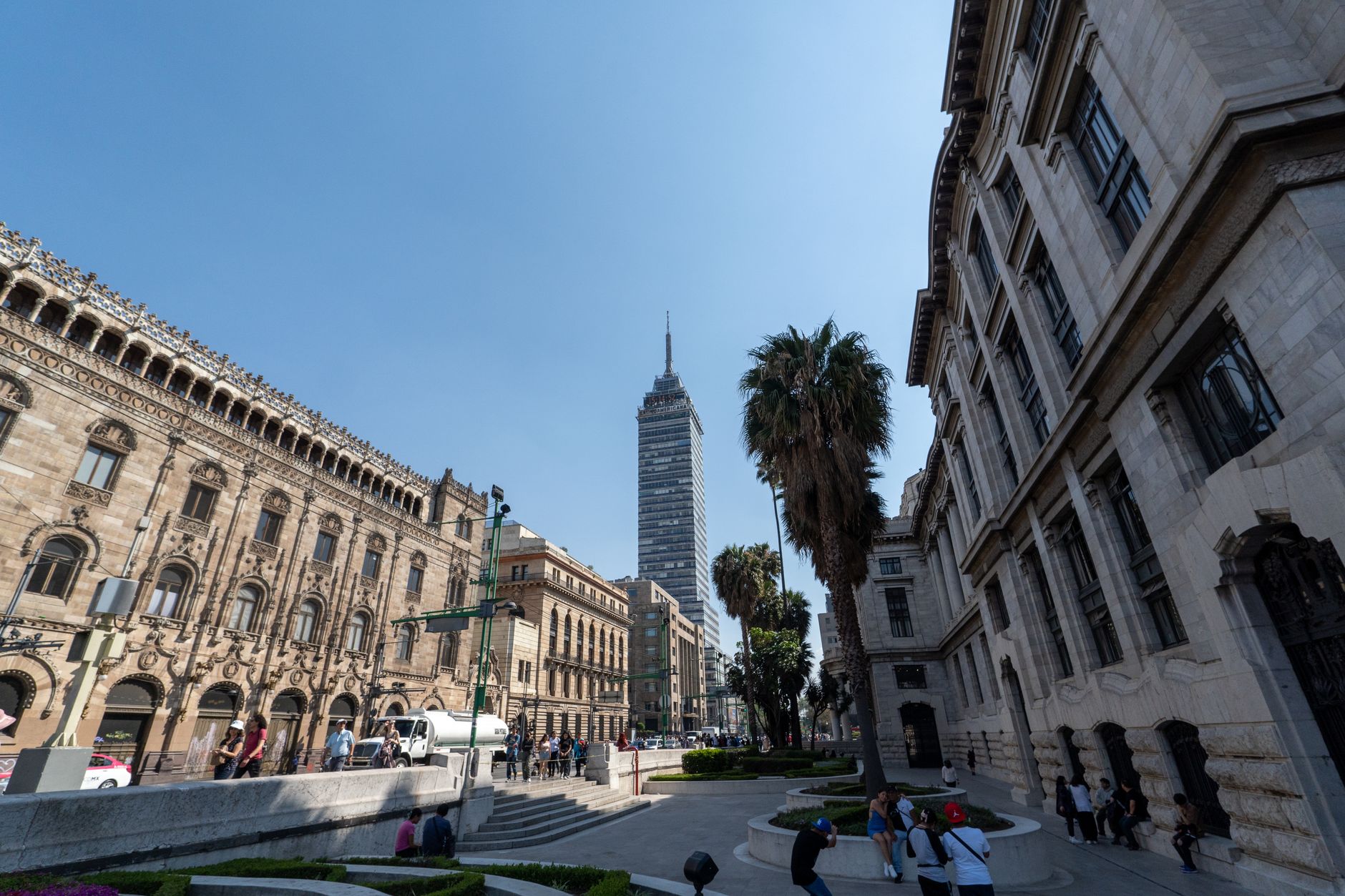
The door knockers tell you where you stand before you've knocked. An iguana means aristocrats lived here; a lion, military officers; a fish, merchants or sailors. Walk the cobblestone streets of El Centro Histórico long enough and this kind of encoded detail keeps surfacing — in the weathered stone of an 18th-century wall, in the fruit balanced on a Palenquera's head, in a cathedral whose facade still bears the damage of Francis Drake's cannons.
This is Cartagena de Indias's walled historic center, founded in 1533 on an indigenous settlement called Calamarí, fortified over centuries into the most extensive colonial defenses in South America, and now a UNESCO World Heritage Site where the past is genuinely present rather than merely displayed.
💛 What travellers fall for
People who come back tend to say the same things: go to the walls at dusk, not midday. The Museo del Oro Zenú gets overlooked in favor of the Castillo, but 538 Zenú gold pieces in a quiet room will stop you cold. And the Cathedral — free to enter, construction started 1575 — rewards a long, unhurried sit.
Deals in El Centro Histórico
Book directly at the provider

How El Centro Histórico came to be
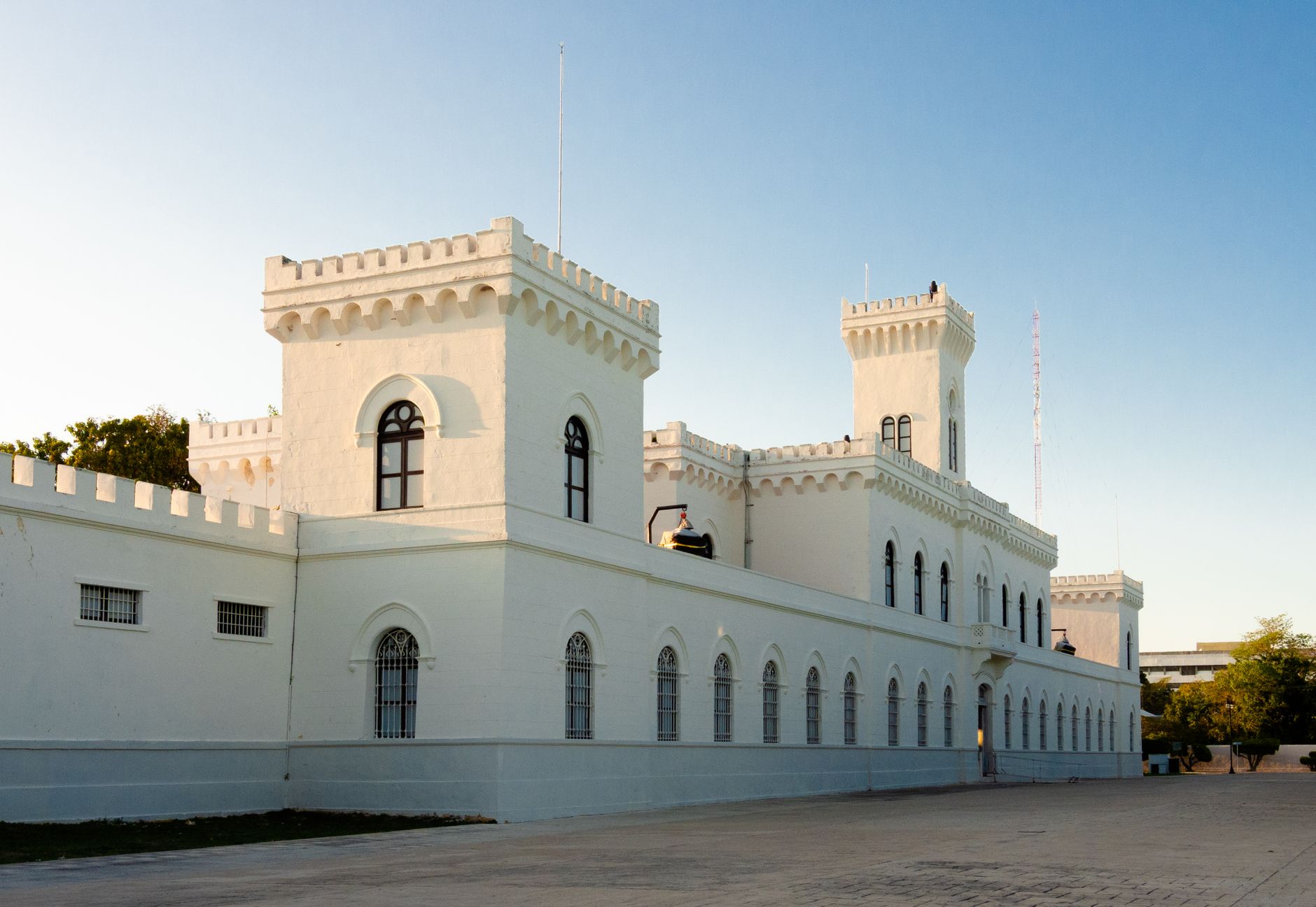
Pedro de Heredia founded Cartagena on 1 June 1533, building over the abandoned indigenous settlement of Calamarí. The city's strategic Caribbean position made it a prize worth defending and attacking in equal measure — Francis Drake's fleet shelled the cathedral in the 16th century, and Baron de Pointis destroyed part of the Torre del Reloj in 1697. The response was stone: military engineer Juan Bautista Antonelli began the great fortification works, and Antonio de Arévalo later oversaw the Castillo de San Felipe de Barajas, completing a ring of walls that took from 1586 to 1796 to finish.
The city was also a site of suffering. The Spanish Inquisition operated here from the Palacio de la Inquisición, built 1770–1776. San Pedro Claver, a Jesuit monk who ministered to enslaved Africans arriving through Cartagena's port, lived and died in the convent that now bears his name. Colombia declared the center National Heritage in 1959; UNESCO followed in 1984.
Who and what shaped it
People who shaped it
Landmark buildings
See El Centro Histórico in motion
Plan your visit
On the map
When to go
December through March is dry and sunny — January averages nine hours of sunlight a day and temperatures around 30°C, making it the most comfortable window to walk the walls and plazas. The wet season peaks in October, when humidity hits 83% and rainfall can reach 270 mm in a month; afternoons bring heavy downpours that clear quickly but make the cobblestones slick.
Right now
Background & history adapted from Wikipedia (CC BY-SA) · specs from Wikidata (CC0) · weather from Open-Meteo · map data © OpenStreetMap contributors · photos from Wikimedia Commons / Unsplash with per-image credit. No third-party reviews or social posts reproduced.