
Duong To
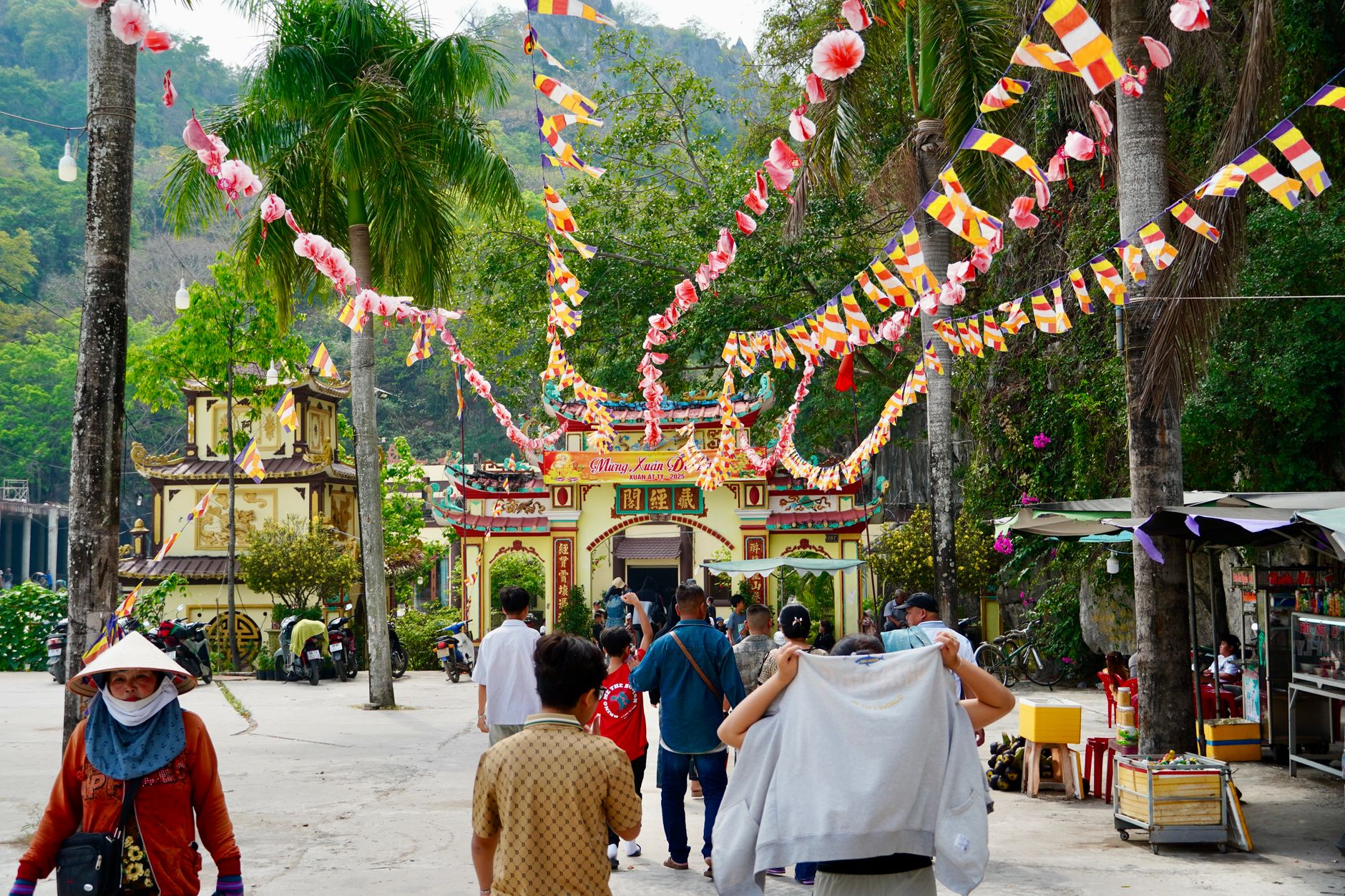
At the mouth of the Duong Dong River, a small temple sits on a rocky outcrop that juts into the Gulf of Thailand like a punctuation mark at the end of a long sentence of sea. That is Dinh Cau, built in 1937, and it tells you most of what you need to know about Duong To: this is a place that has always looked outward to the water, asking it for safe passage and a decent catch.
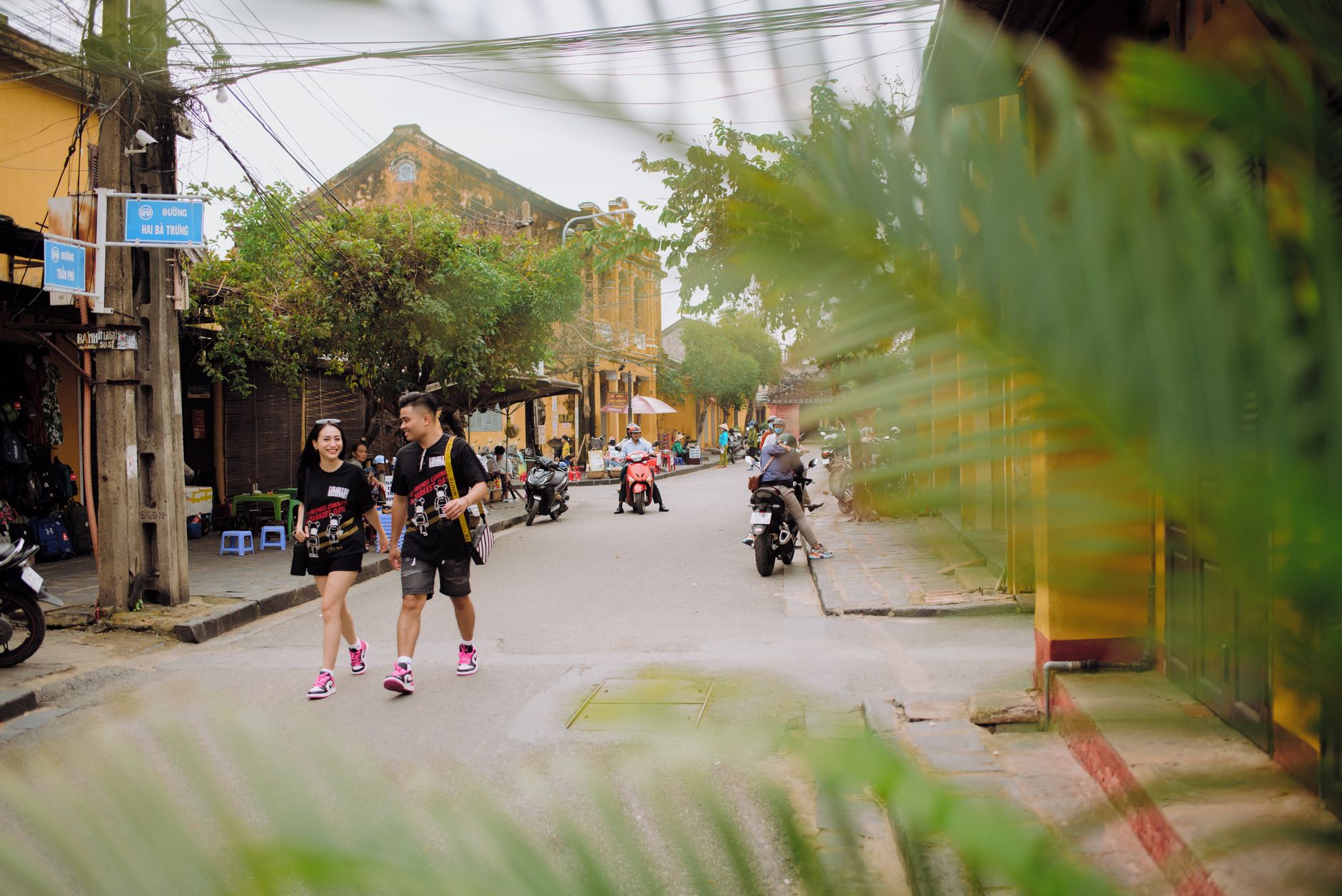
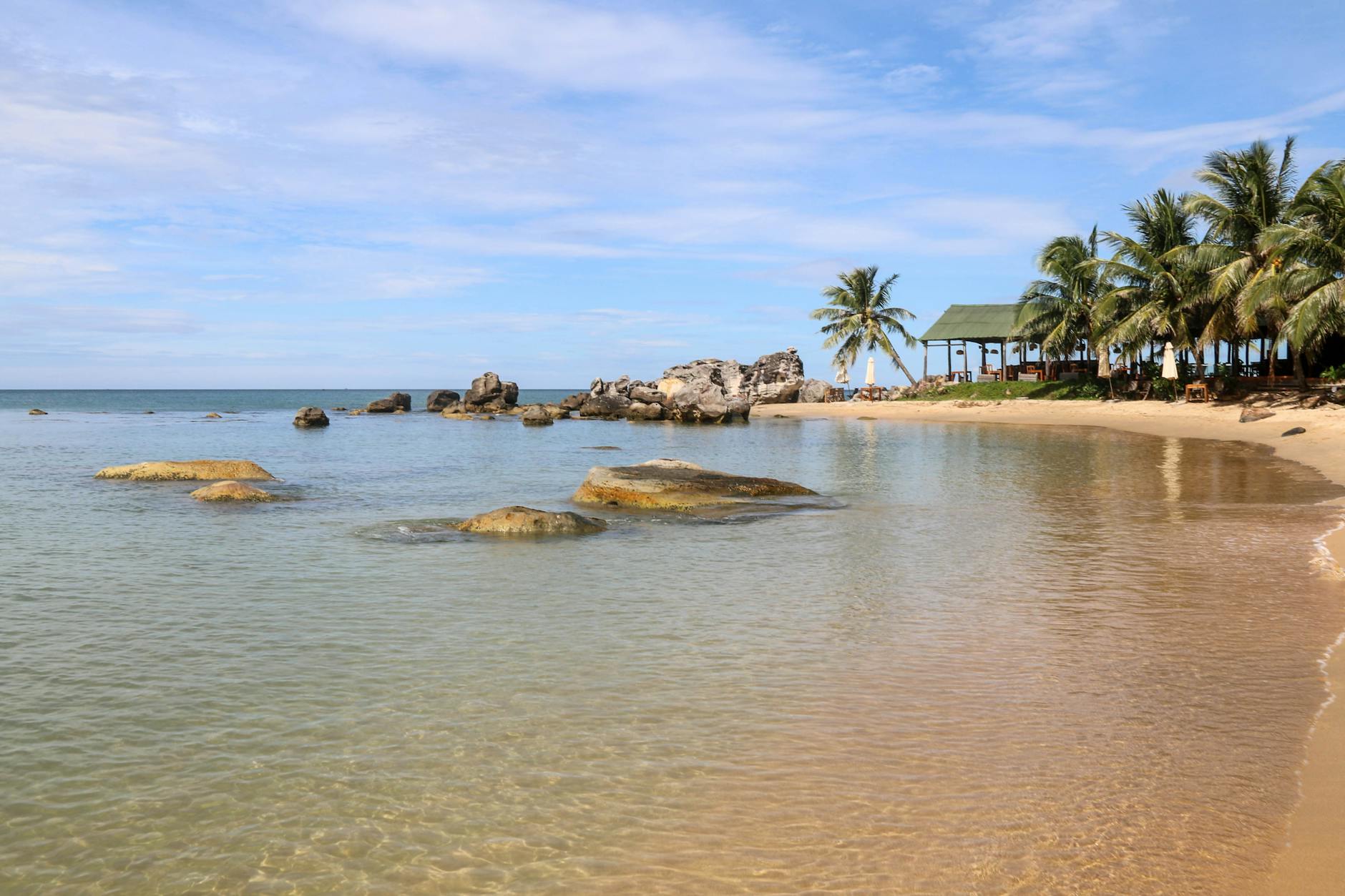
Duong To is the main town on Phu Quoc Island, and it works as a town first, tourist destination second. The night market on Võ Thị Sáu Street fills with smoke from grilling seafood after dark. The Cao Dai Temple on Nguyen Trai Street opens its doors at dawn. Sao Beach waits at the southern end of the island. The rhythm is unhurried and, in the dry months, genuinely easy to fall into.
💛 What travellers fall for
People who come back tend to mention the same two things: arriving at Dinh Cau at dusk when the fishing boats are returning, and eating at the night market early — before the stalls get crowded — when you can actually talk to the vendors and point at whatever looks freshest. Both are free and neither requires planning.
Deals in Duong To
Book directly at the provider

How Duong To came to be
Dinh Cau temple, raised in 1937 on its natural rock shelf at the river mouth, was built for Thuy Long Thanh Mau and the local sea guardians — the deities fishermen here have long depended on before heading out into the Gulf of Thailand. The temple is not a relic; families still come to pray before journeys, and the rock it stands on has been worn smooth by decades of that quiet traffic.
The Cao Dai Temple on Nguyen Trai Street is newer, operating since 2008, and represents the syncretic religious tradition that blends Buddhist, Taoist, Confucian and other influences — a faith that arrived on the island as the town grew into its current shape.
Who and what shaped it
Landmark buildings
See Duong To in motion
Plan your visit
On the map
When to go
October through April is the reliable window: temperatures hover around 27–28°C with manageable humidity, and December in particular brings the calmest seas and the best conditions at Sao Beach. Between May and September the rain comes in earnest — September averages over 400mm — and July seas can be rough enough to close the beach entirely.
Right now
Background & history adapted from Wikipedia (CC BY-SA) · specs from Wikidata (CC0) · weather from Open-Meteo · map data © OpenStreetMap contributors · photos from Wikimedia Commons / Unsplash with per-image credit. No third-party reviews or social posts reproduced.