
Duong Dong
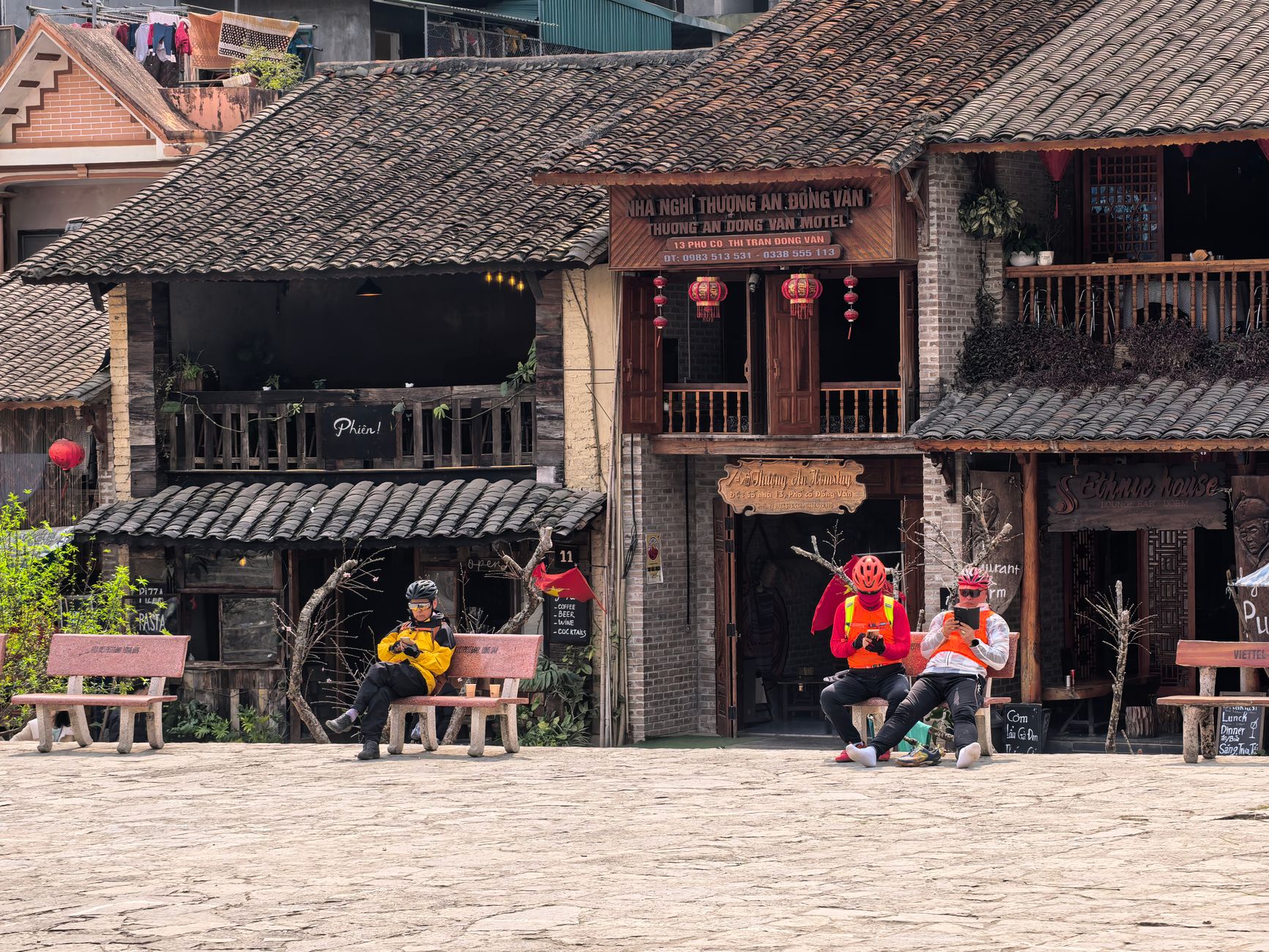
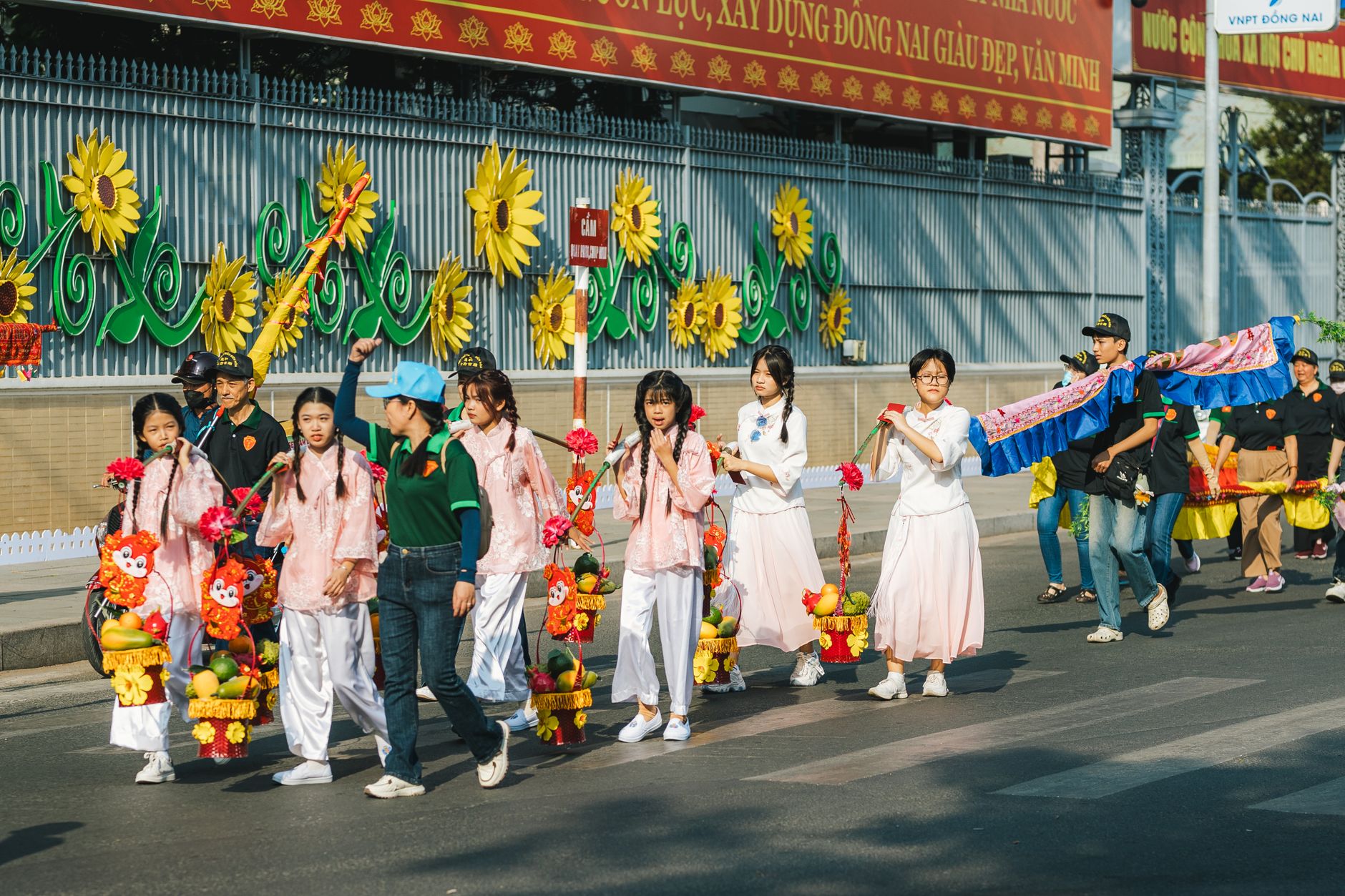
At the mouth of the Duong Dong River, where fishing boats come in low in the water before dawn and the day market is already loud with ice and argument, you find the working heart of Phu Quoc island. This is the administrative centre and largest town on the island's west coast — not a resort strip, but a place where people actually live, pray at the 1937 rock-perched Dinh Cau Temple, and sit on plastic stools in the evening drinking sugar cane juice while the light goes off the water.
The streets are compact enough to cover on foot in a morning. Tran Hung Dao runs through the middle of it all, past the Sung Hung pagoda and the Coi Nguon Museum, down toward the river and the night market that opens at five and runs until the last tables empty.
💛 What travellers fall for
People who come back tend to say the same two things: go to the day market before seven, when the fishing boats are still unloading, and spend at least one evening on 30 Thang 4 Street working through a bowl of Bun Bo Hue before wandering down to Bach Dang for grilled seafood. The Dinh Cau Temple at dusk, when the incense smoke drifts out over the river mouth, is worth the short walk from anywhere in town.
Deals in Duong Dong
Book directly at the provider

How Duong Dong came to be
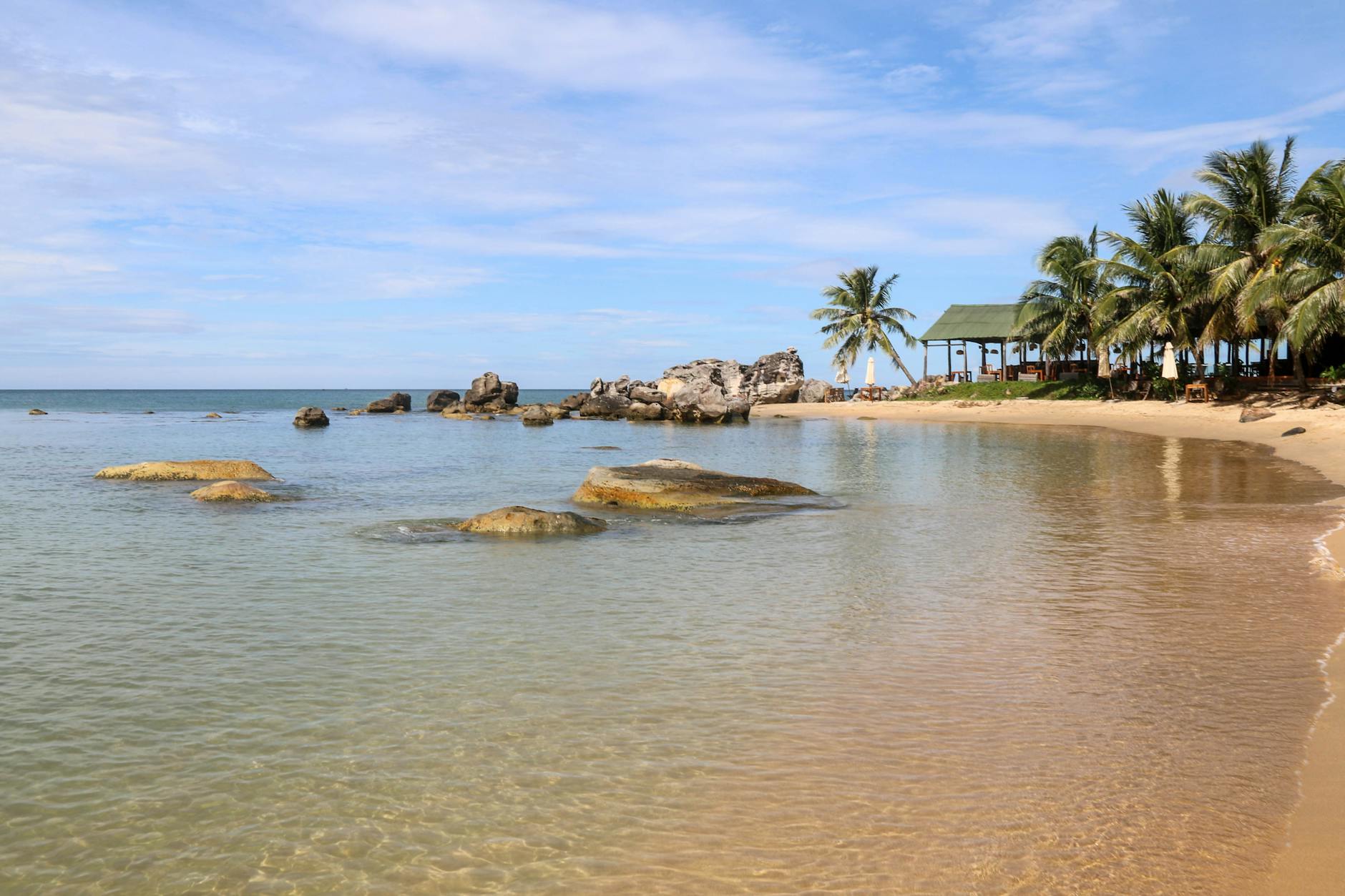
Fishermen from central and southern Vietnam began settling the west coast of Phu Quoc in the 17th and 18th centuries, clearing land and establishing the villages that would grow into Duong Dong. Its position on a natural harbour made it a logical trading stop for merchant boats moving through the Gulf of Thailand, and the town's character — practical, maritime, organised around the rhythms of the catch — was set early.
The Dinh Cau Temple, built in 1937 on a rocky outcrop at the river mouth, is the clearest marker of that history: a place where generations of fishing families have come to ask for safe passage at sea. In June 2025, Phu Quoc was reorganised as one of Vietnam's special administrative zones, a shift that places Duong Dong at the centre of a new administrative structure.
Who and what shaped it
Landmark buildings
See Duong Dong in motion
Plan your visit
On the map
When to go
Duong Dong sits in a tropical monsoon belt with temperatures that rarely drop below 24°C at night or climb much past 32°C by day. The dry season runs November through April — February is the driest month of all — while the wet season brings over 2,700 mm of annual rainfall concentrated between May and October, often in heavy afternoon downpours.
Right now
Background & history adapted from Wikipedia (CC BY-SA) · specs from Wikidata (CC0) · weather from Open-Meteo · map data © OpenStreetMap contributors · photos from Wikimedia Commons / Unsplash with per-image credit. No third-party reviews or social posts reproduced.