
Dubai Creek
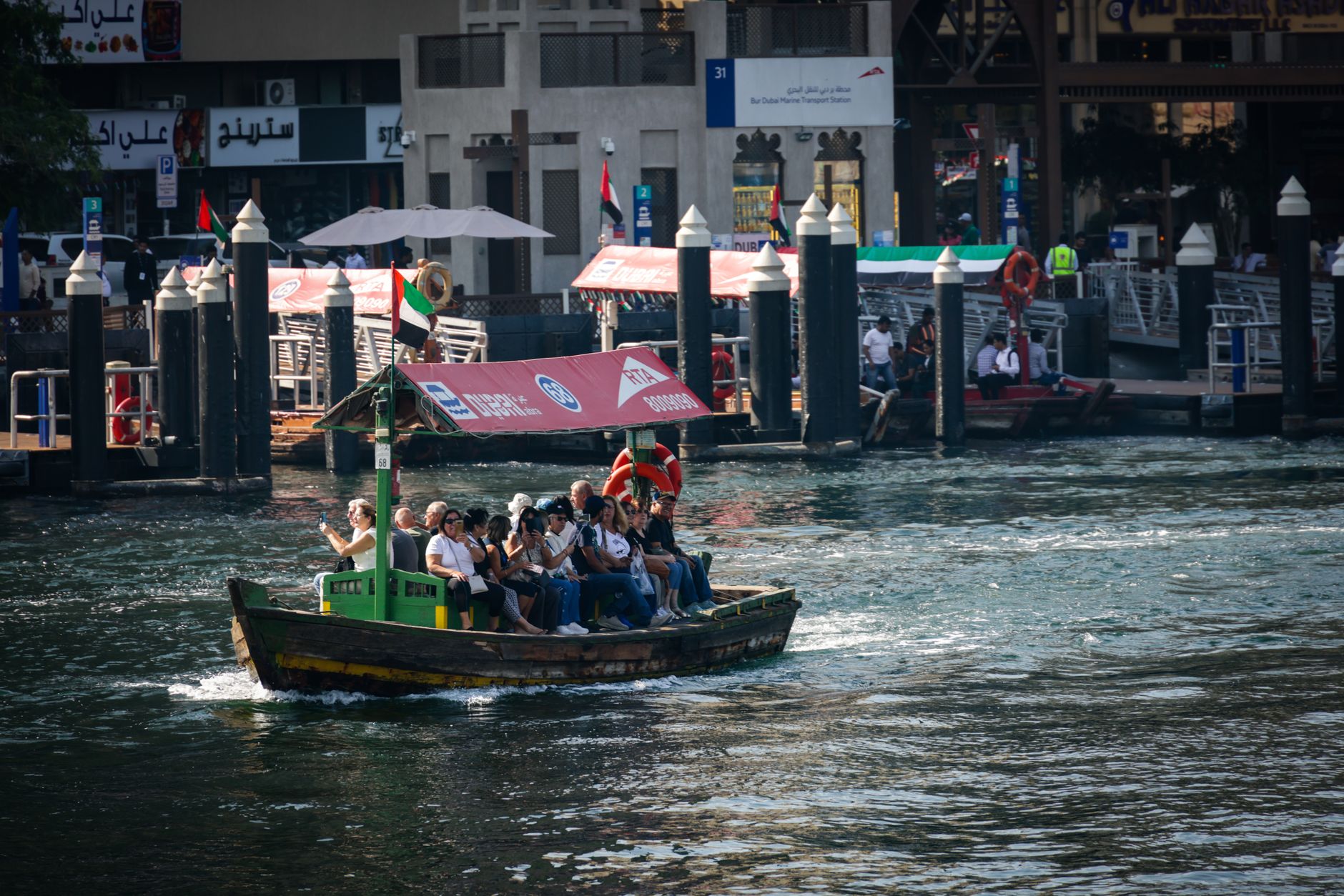
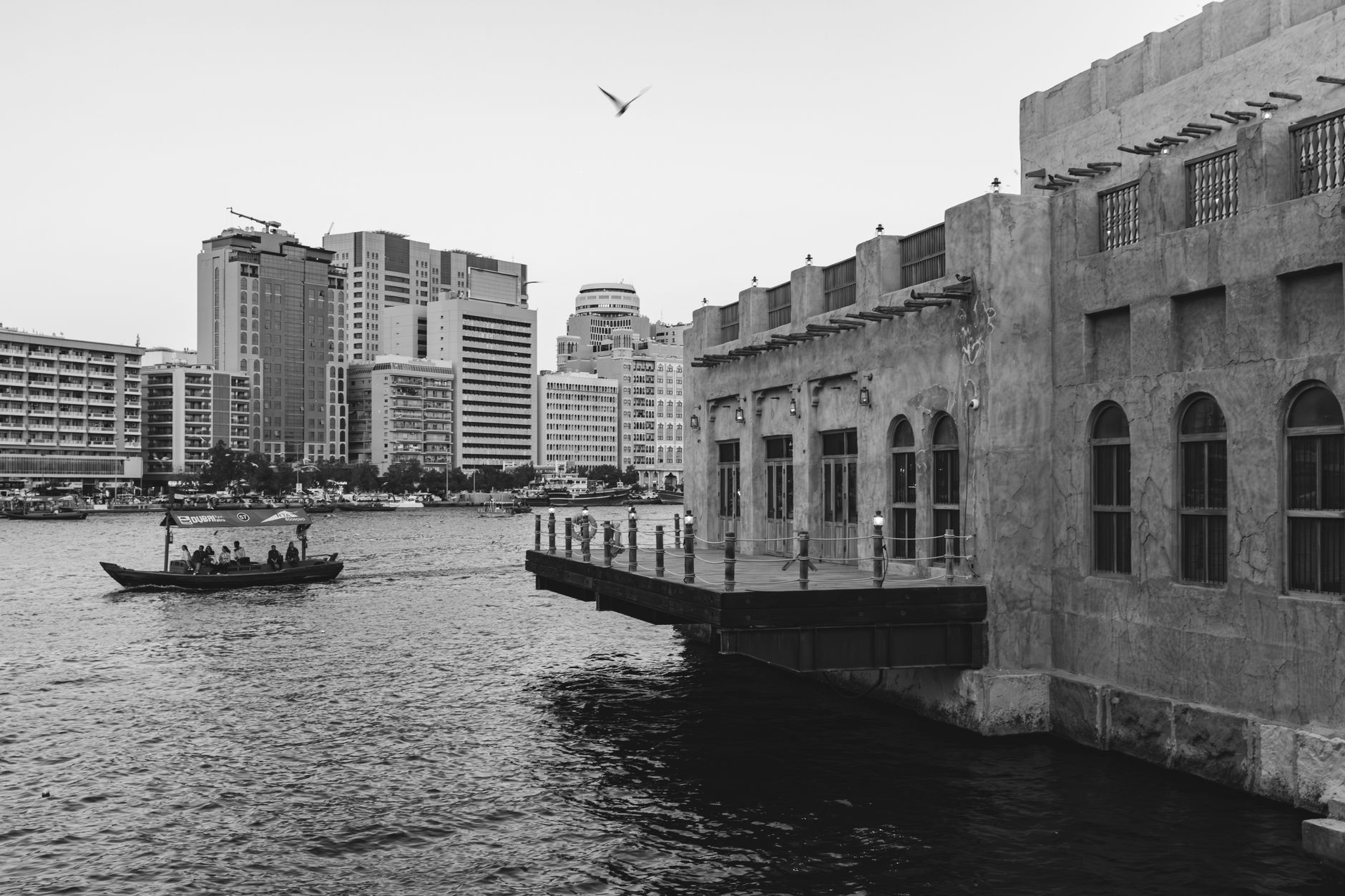
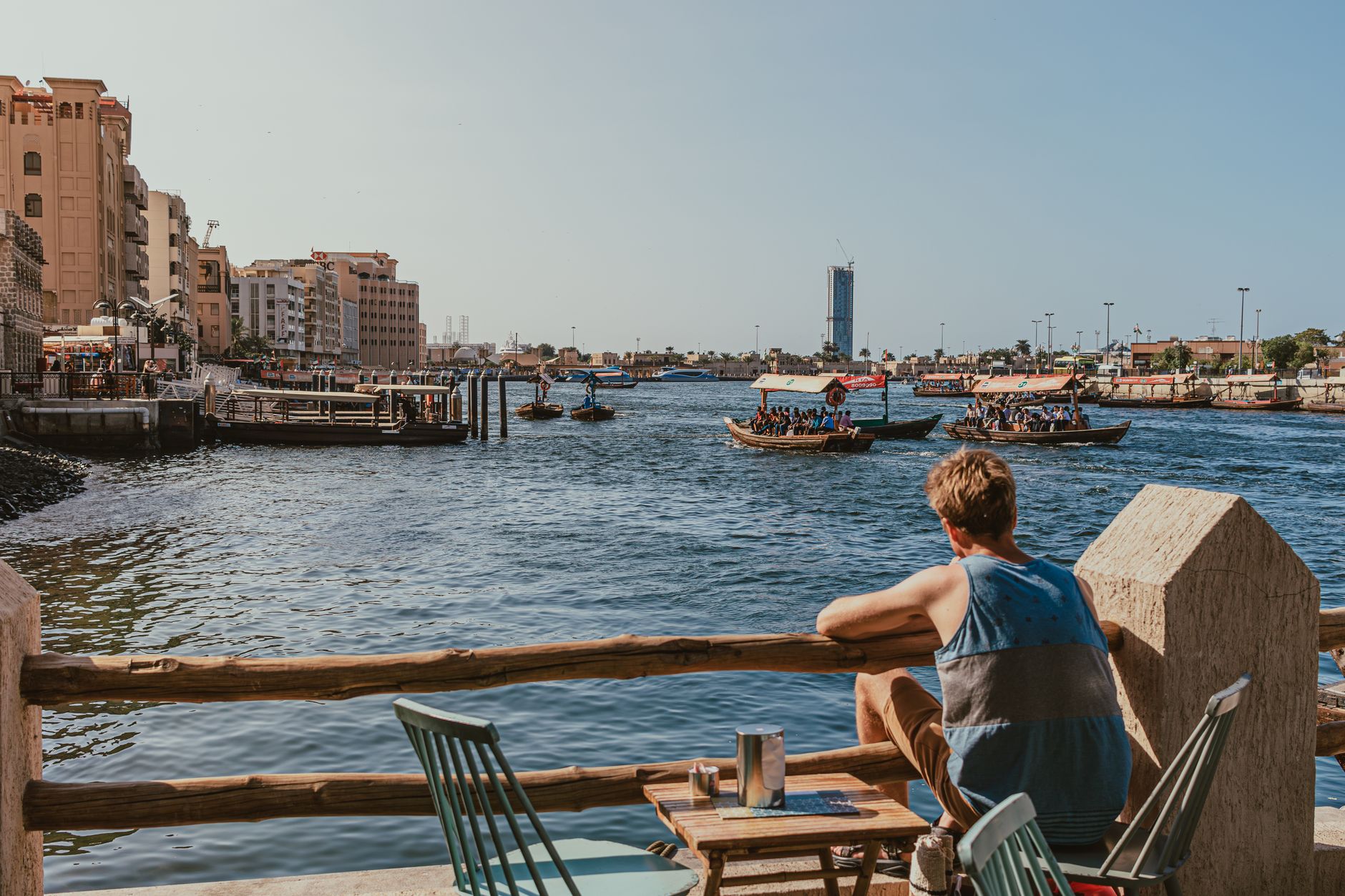
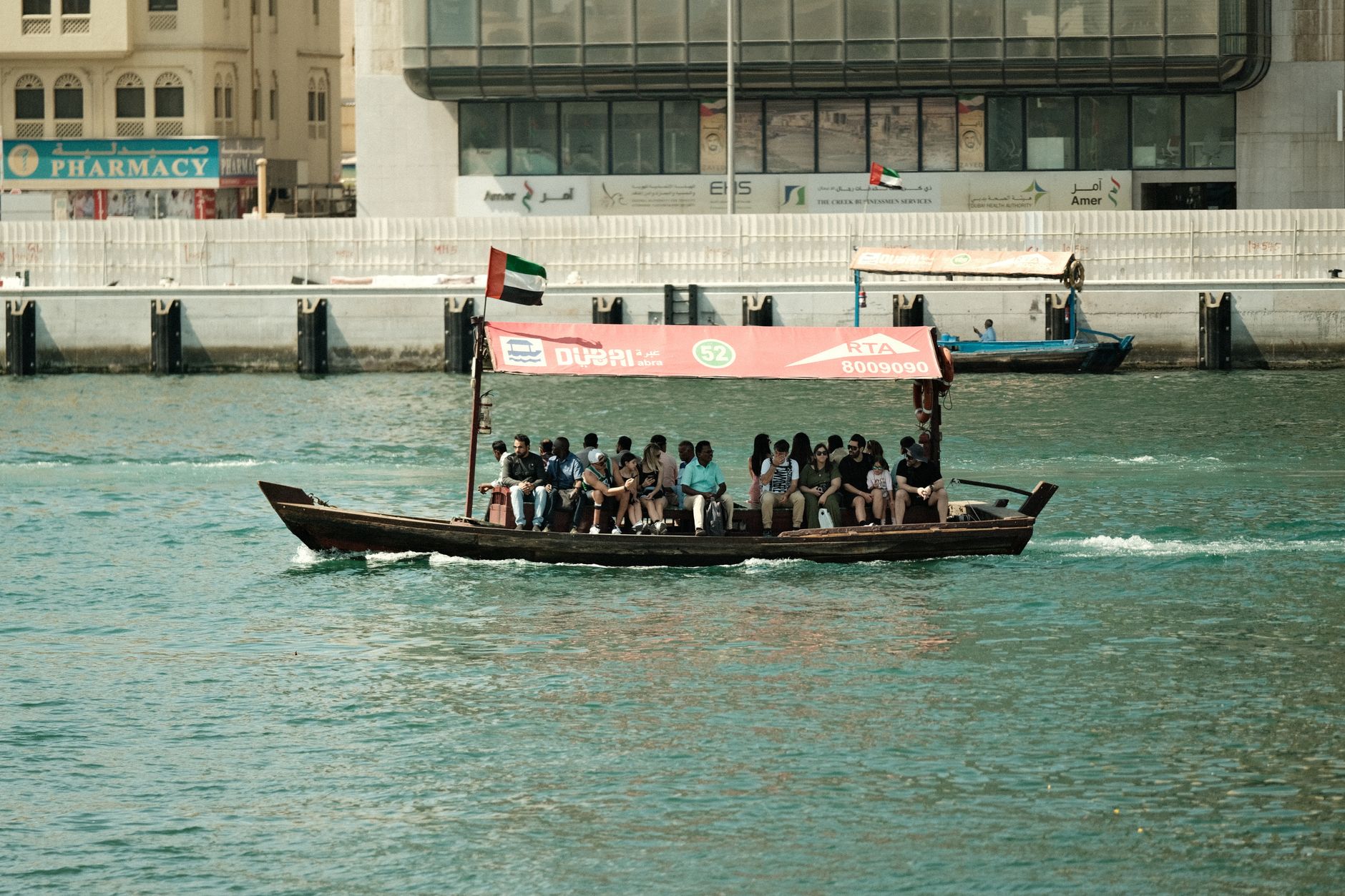
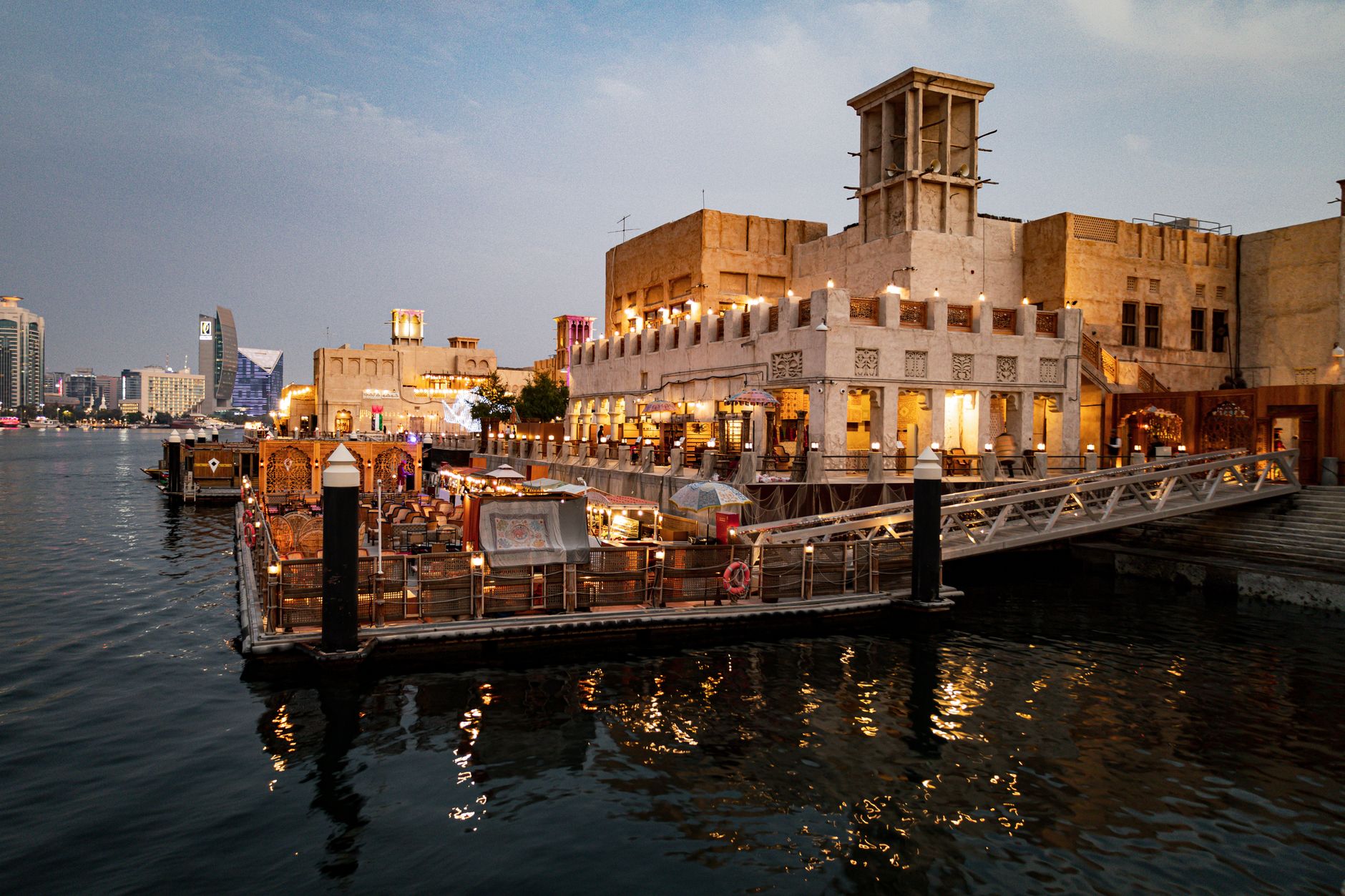
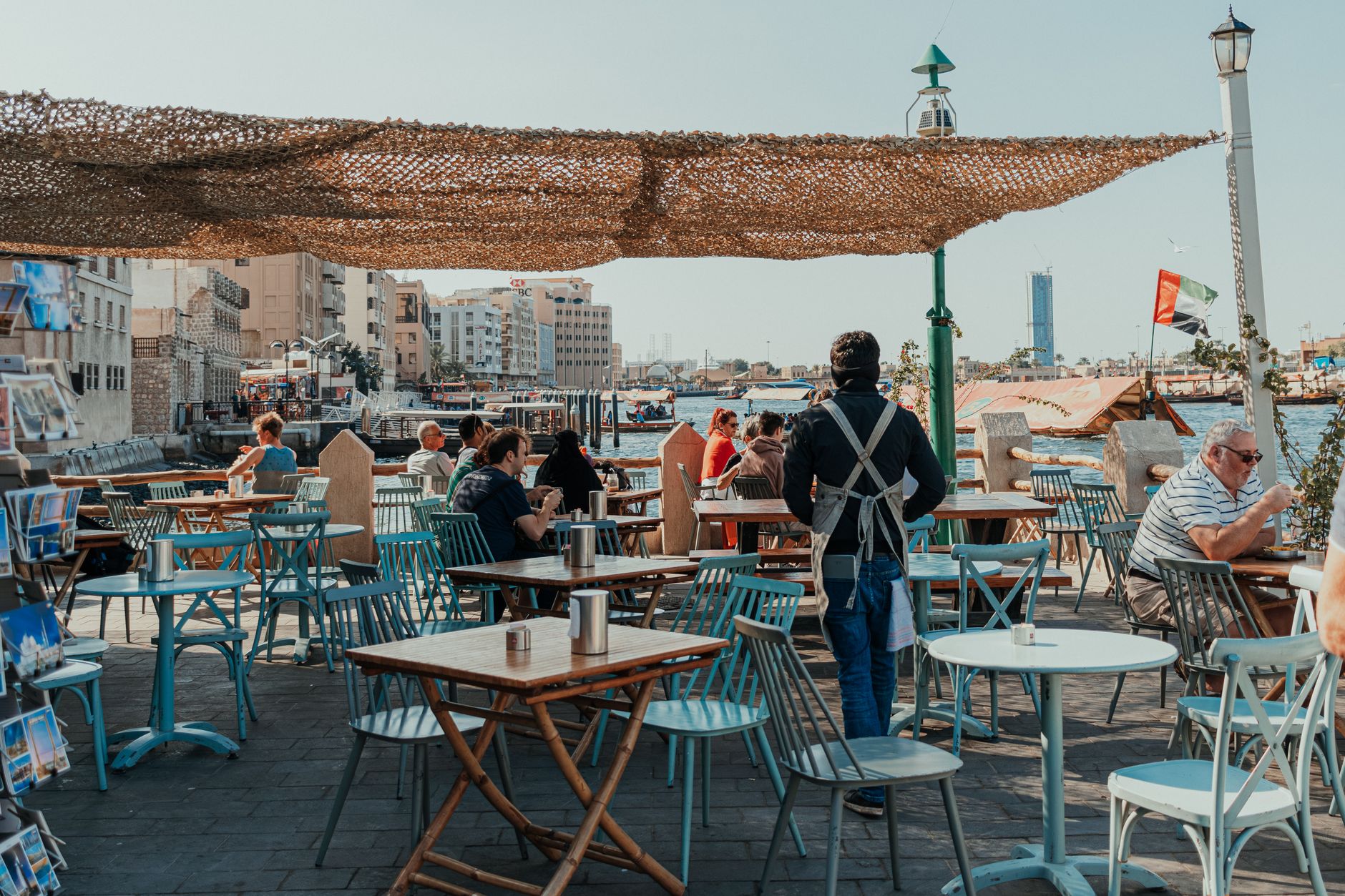
Dubai Creek is the waterway that made Dubai possible — a tidal inlet running inland from the Arabian Gulf, splitting the city into Deira on the north bank and Bur Dubai on the south. Long before the towers appeared on the horizon, dhows loaded with pearls and Indian cloth moved through here, and the same wooden abras that ferried traders across still cross today for one dirham a ride.
The creek anchors two different Dubais at once: the 1787 Al Fahidi Fort and the wind-tower lanes of Al Bastakiya on one bank, and the glass towers of a Calatrava-designed harbour district rising on the other. Walking between them, you get a cleaner read of this city's arc than almost anywhere else.
💛 What travellers fall for
People who keep coming back tend to take the abra at dusk rather than midday — the light drops gold across the water and the heat softens just enough. The dhow wharfage on the Deira side, where cargo boats still unload by hand, is worth lingering at before it changes further. Al Fahidi Fort opens early; go before the tour groups.
How Dubai Creek came to be
A British naval surveyor noted Dubai Creek in 1822, but the settlement had already taken shape around it — the Bani Yas tribe had arrived in the 19th century, establishing the Al Maktoum dynasty that still governs. The creek was the city's only port, and its economy ran on pearling expeditions until the cultured pearl collapsed that trade in the 1930s.
The modern creek is largely the work of Sheikh Rashid bin Saeed Al Maktoum, who launched a major dredging project between 1959 and 1961 to allow larger vessels through. Al Maktoum Bridge, the first to connect Bur Dubai and Deira, followed in 1963. The decision in 1902 to abolish import duties had already set the tone — the creek became a free-trade hub decades before the word 'Dubai' meant anything to the outside world.
Who and what shaped it
People who shaped it
Landmark buildings
See Dubai Creek in motion
Plan your visit
On the map
When to go
December through February brings daytime temperatures around 24–26°C and cooler evenings — the only season when walking the creek banks for hours is genuinely pleasant. From May through October, heat and humidity make outdoor exploration difficult; if you visit in summer, plan around early mornings and keep afternoons inside.
Right now
Background & history adapted from Wikipedia (CC BY-SA) · specs from Wikidata (CC0) · weather from Open-Meteo · map data © OpenStreetMap contributors · photos from Wikimedia Commons / Unsplash with per-image credit. No third-party reviews or social posts reproduced.