
Dubai
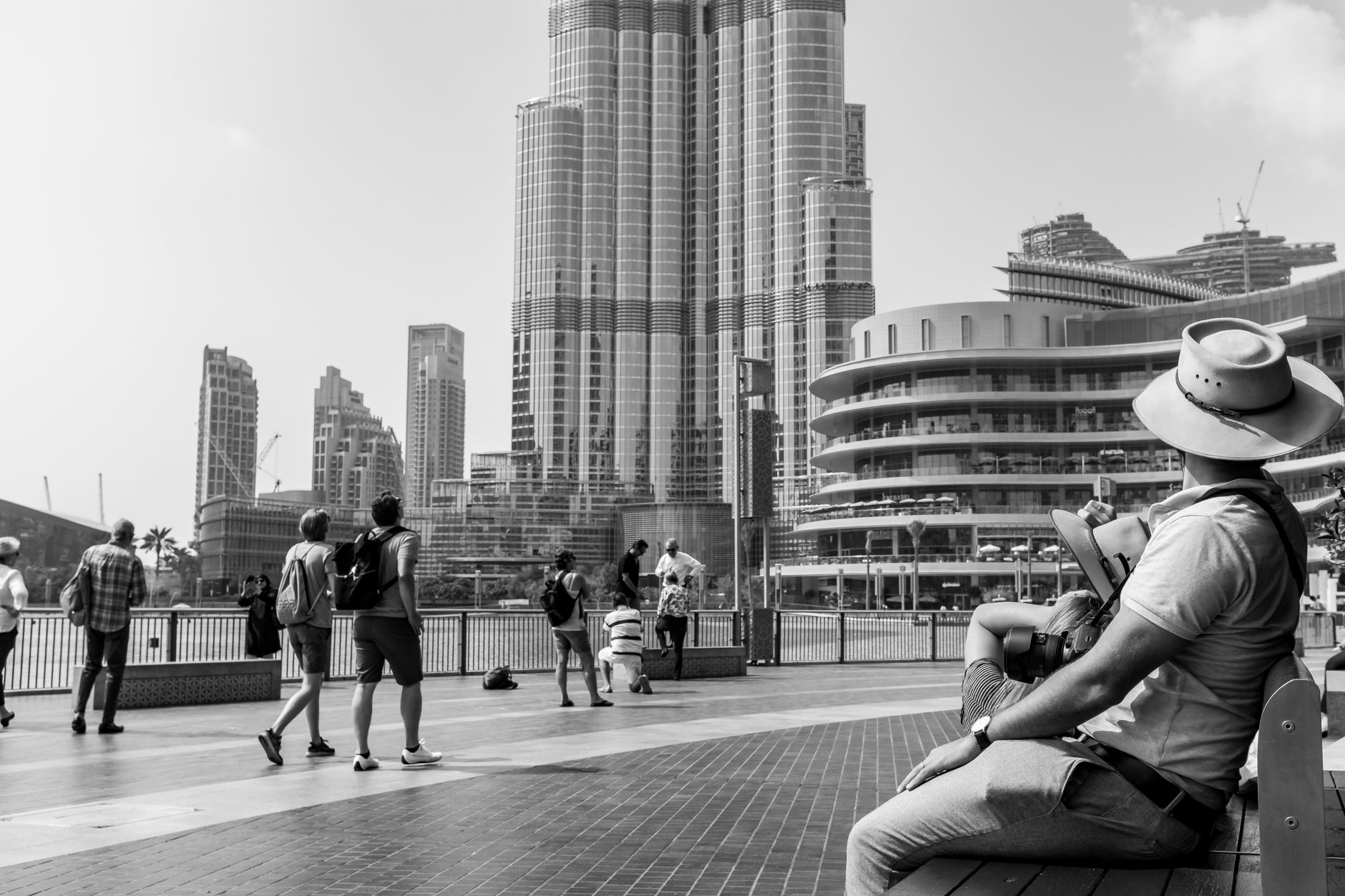
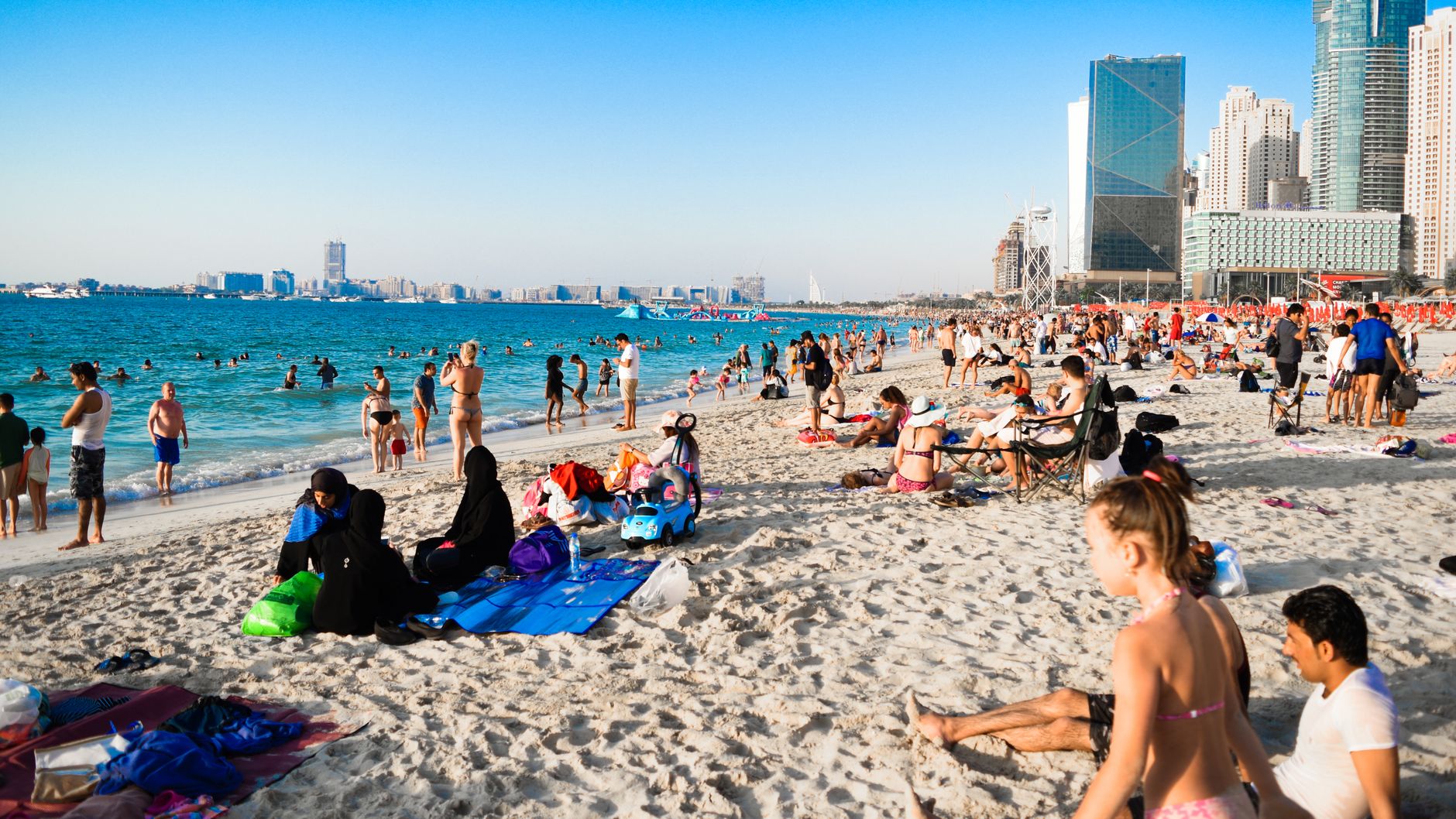
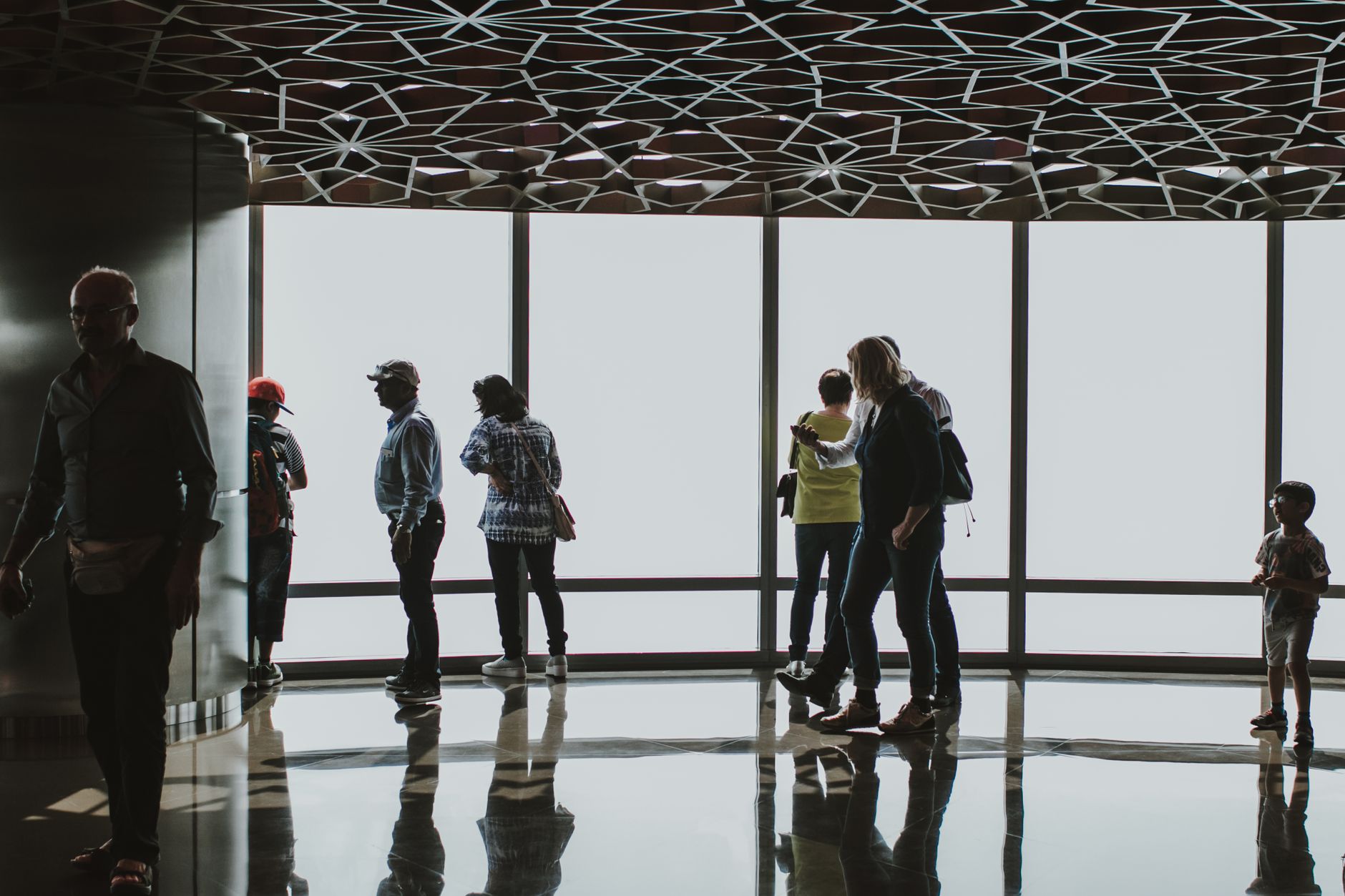
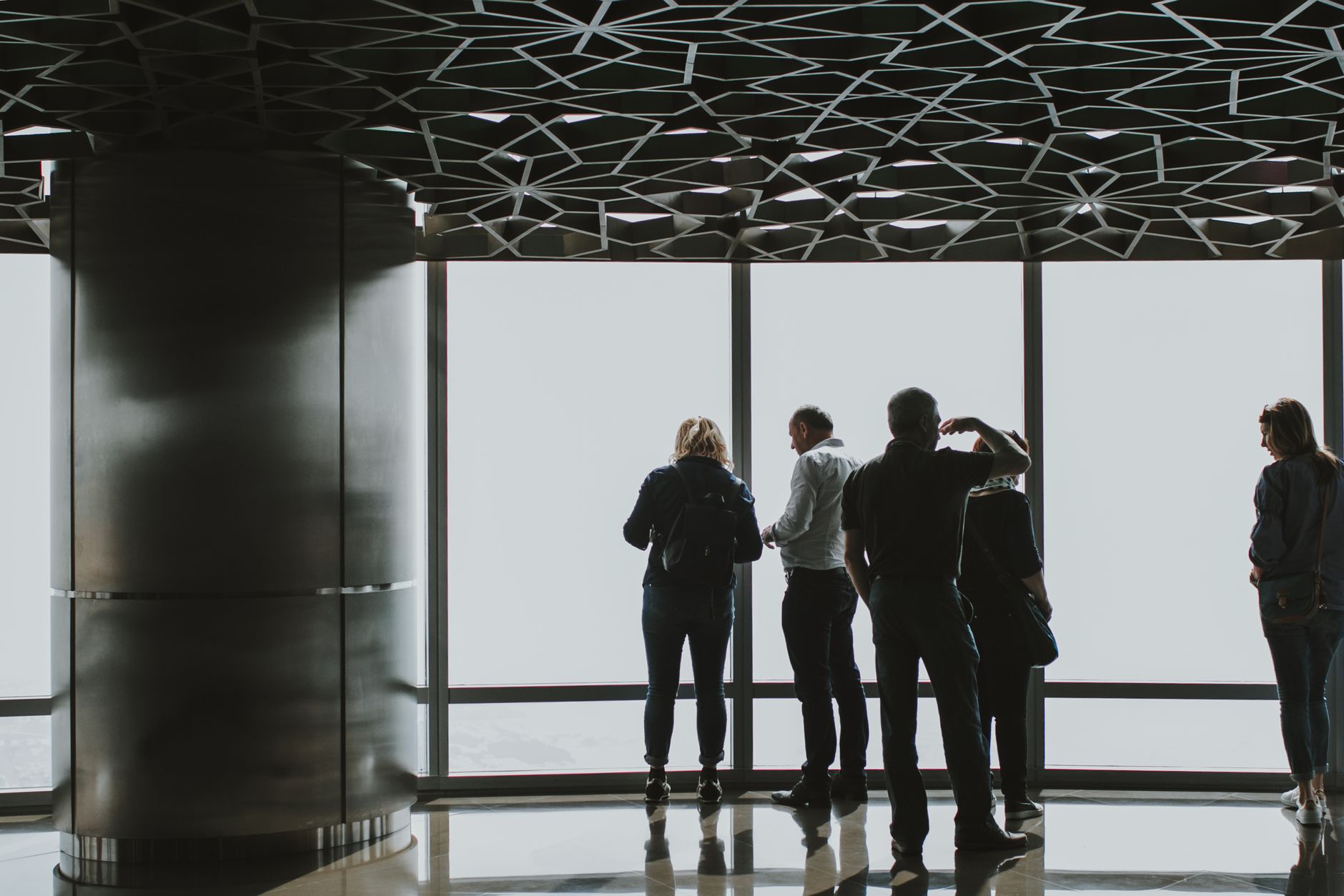
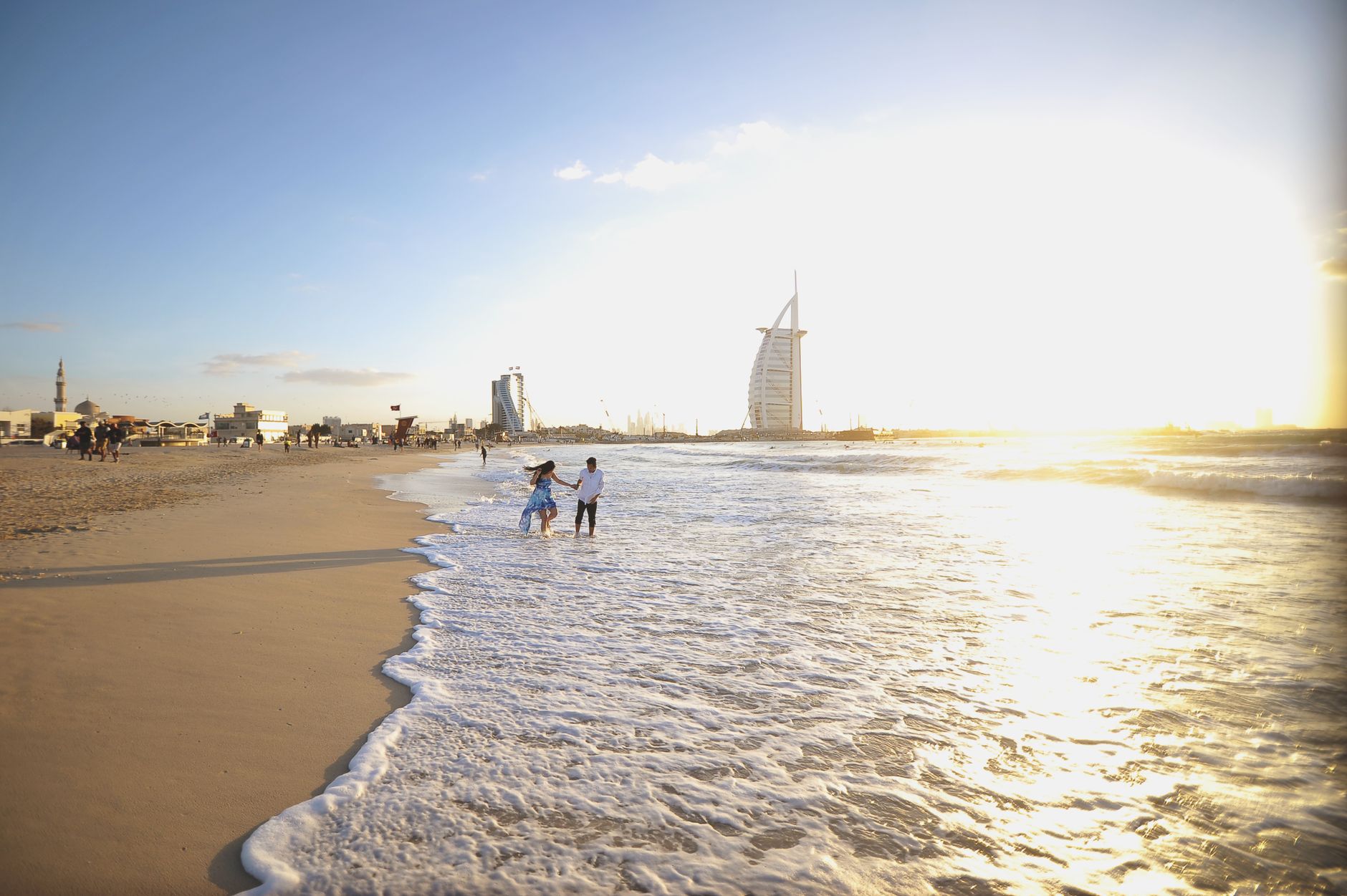
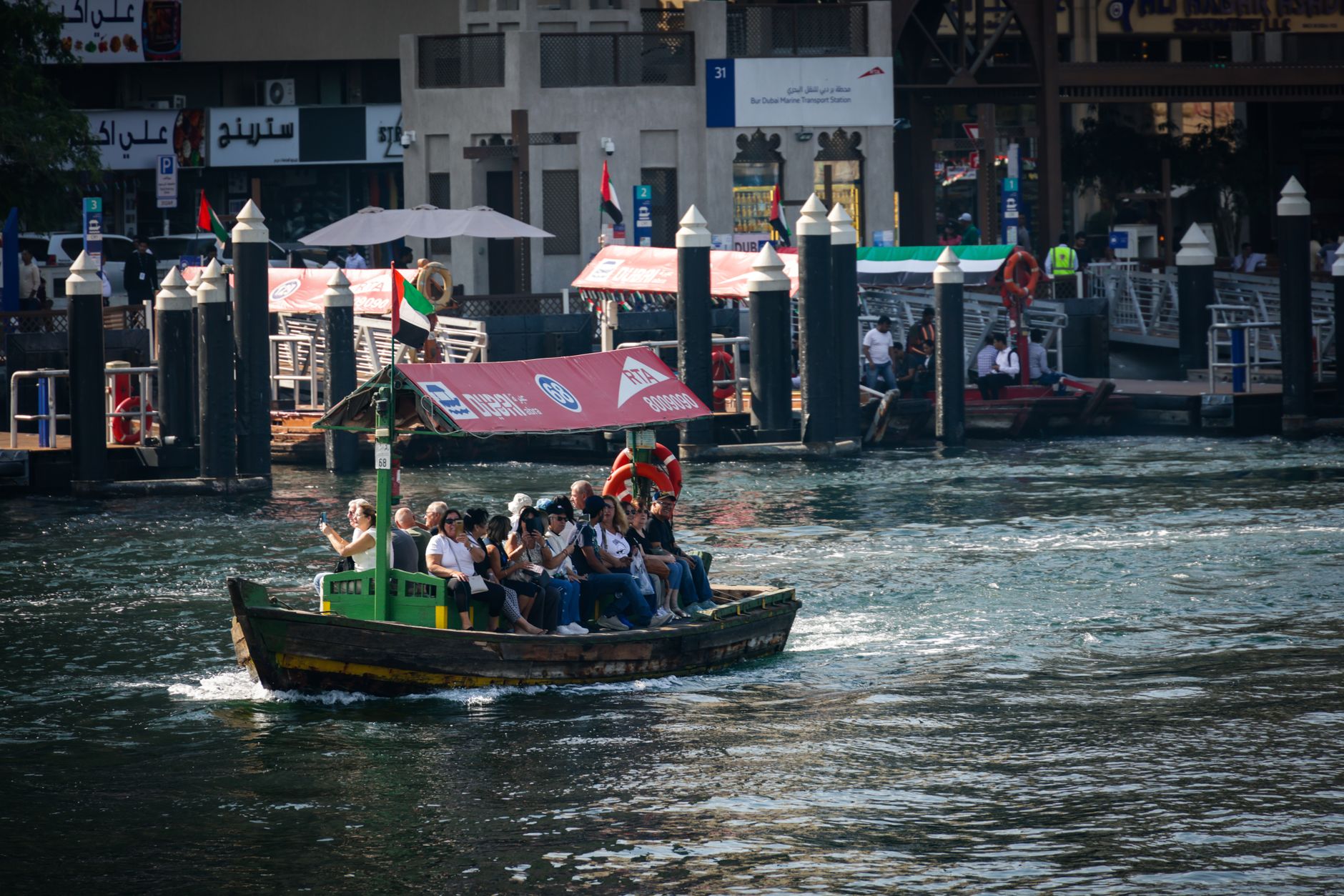
Dubai is a city that rewards the second look. The first is hard to avoid — the Burj Khalifa at 828 metres, the sail-shaped silhouette of the Burj Al Arab rising from its own artificial island, a fountain system at its feet that choreographs water to music every half hour after dark. But what holds people here is the texture underneath: the wind-tower houses of Al Fahidi, the dhow traffic still moving through the Creek, the way the desert light shifts everything gold around four in the afternoon.
This is a place that built itself in living memory, and the ambition has never really stopped. Dubai is one of seven emirates, and it is the one that accelerated fastest — from fishing village to global transit point in a single century.
💛 What travellers fall for
Return visitors tend to anchor themselves to a neighbourhood rather than a hotel. Al Fahidi and the Bur Dubai waterfront repay slow mornings on foot. The Dubai Frame, often dismissed as a novelty, genuinely reframes the city — old Dubai to the north through one pane of glass, the Sheikh Zayed Road towers to the south through the other.
How Dubai came to be
A small Bani Yas settlement occupied the Creek mouth for generations before 1833, when Maktoum bin Butti led his people south from Abu Dhabi, claimed the area and declared it independent. The Al Maktoum family has governed ever since. Dubai declared itself a free port in 1901, dredged the Creek deeper in 1961 to handle larger vessels, and was already a regional trading hub by the time oil was discovered offshore in 1966.
The revenues that followed funded the infrastructure Sheikh Rashid bin Saeed Al Maktoum used to modernise the emirate through his leadership from 1958 to 1990. The UAE was formally founded on 2 December 1971. By 2018, oil accounted for less than one percent of Dubai's GDP — a deliberate pivot toward trade, tourism and finance that reshaped the skyline in real time.
Who and what shaped it
People who shaped it
Landmark buildings
See Dubai in motion
Plan your visit
On the map
When to go
October to April brings warm, mostly dry days and cool evenings — the months when the city opens up to the outdoors. From June through September, temperatures regularly exceed 40°C with high humidity; the city functions, but almost entirely inside air conditioning.
Right now
Background & history adapted from Wikipedia (CC BY-SA) · specs from Wikidata (CC0) · weather from Open-Meteo · map data © OpenStreetMap contributors · photos from Wikimedia Commons / Unsplash with per-image credit. No third-party reviews or social posts reproduced.