
Downtown Orlando
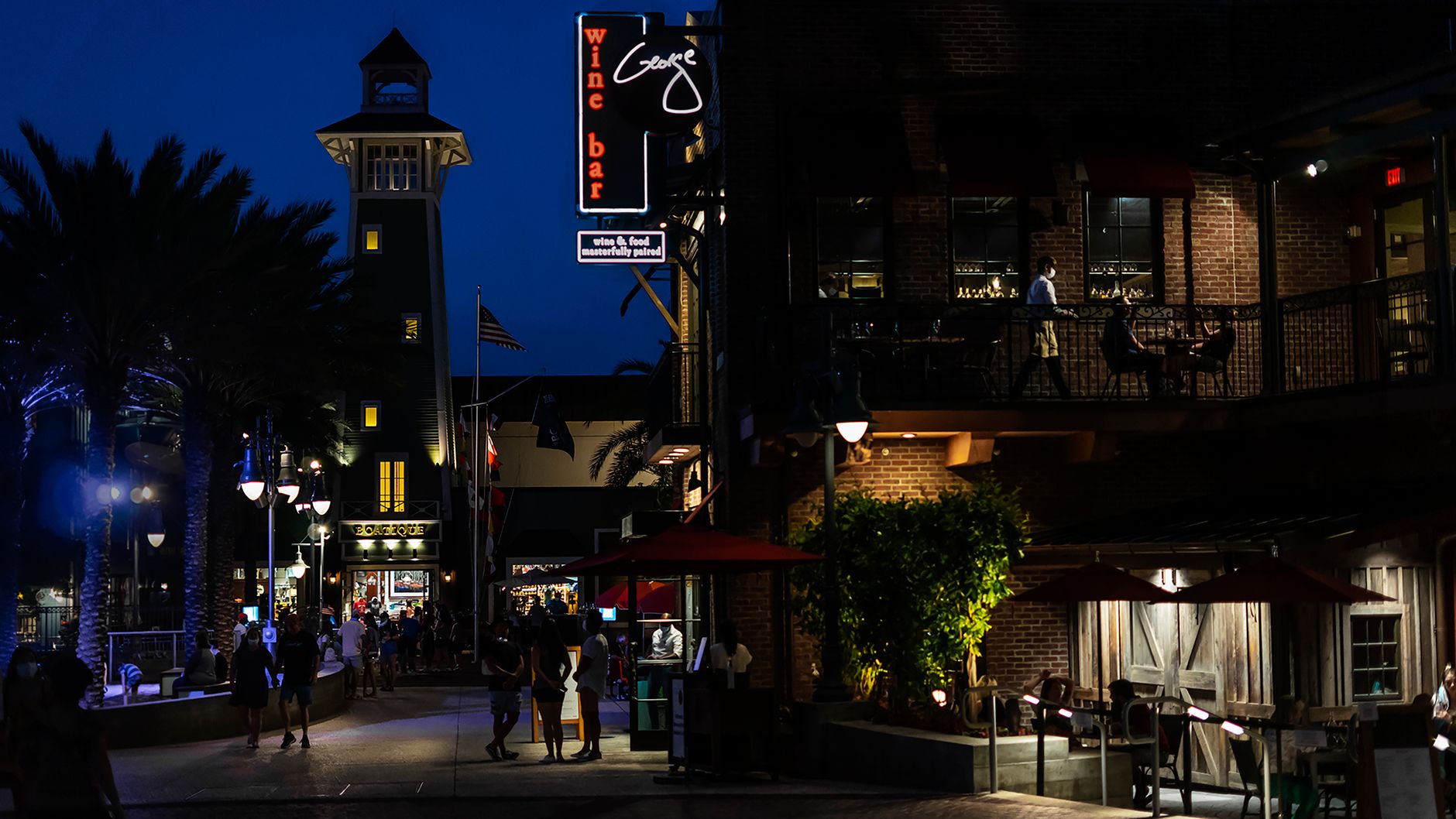
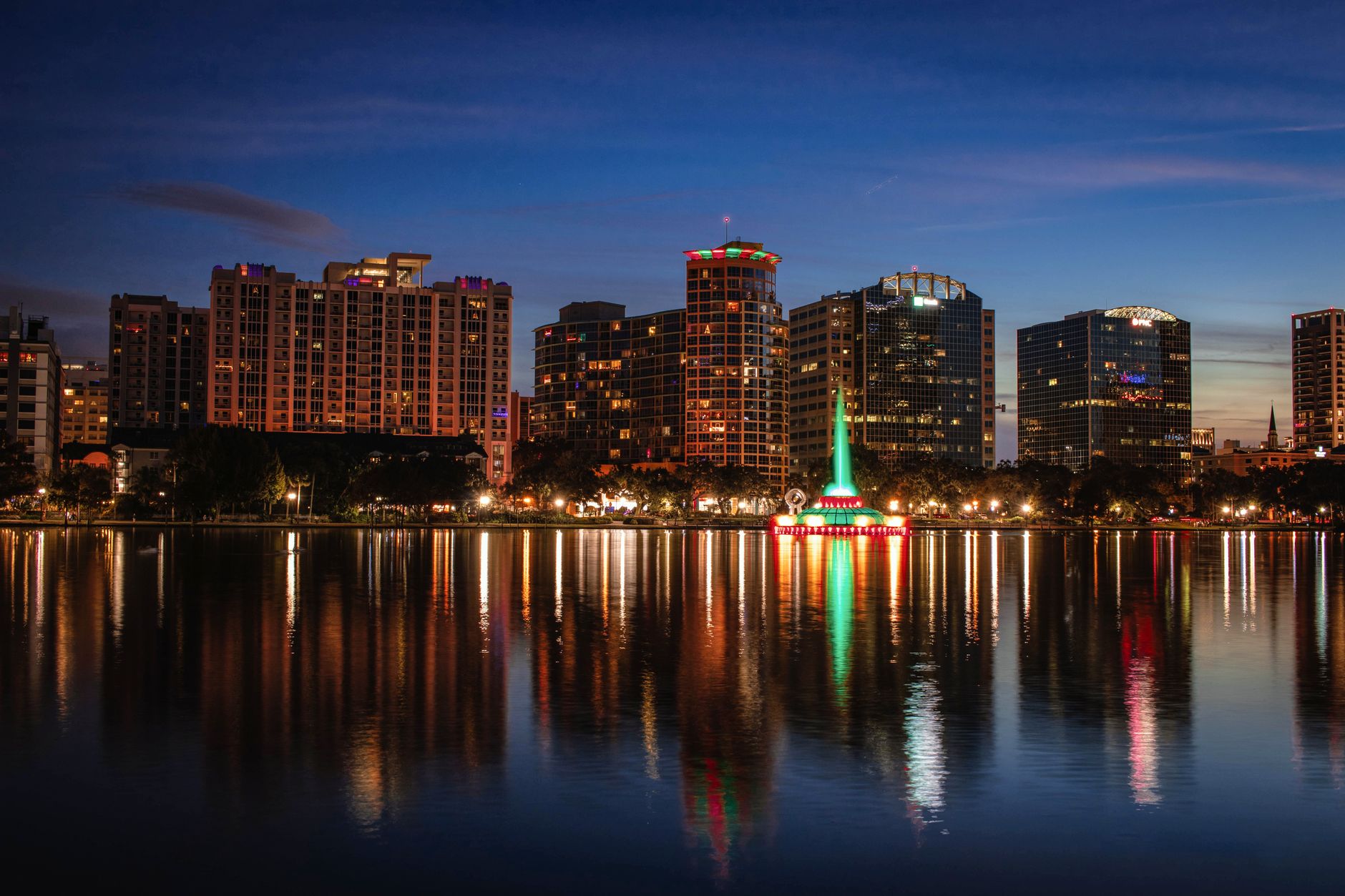
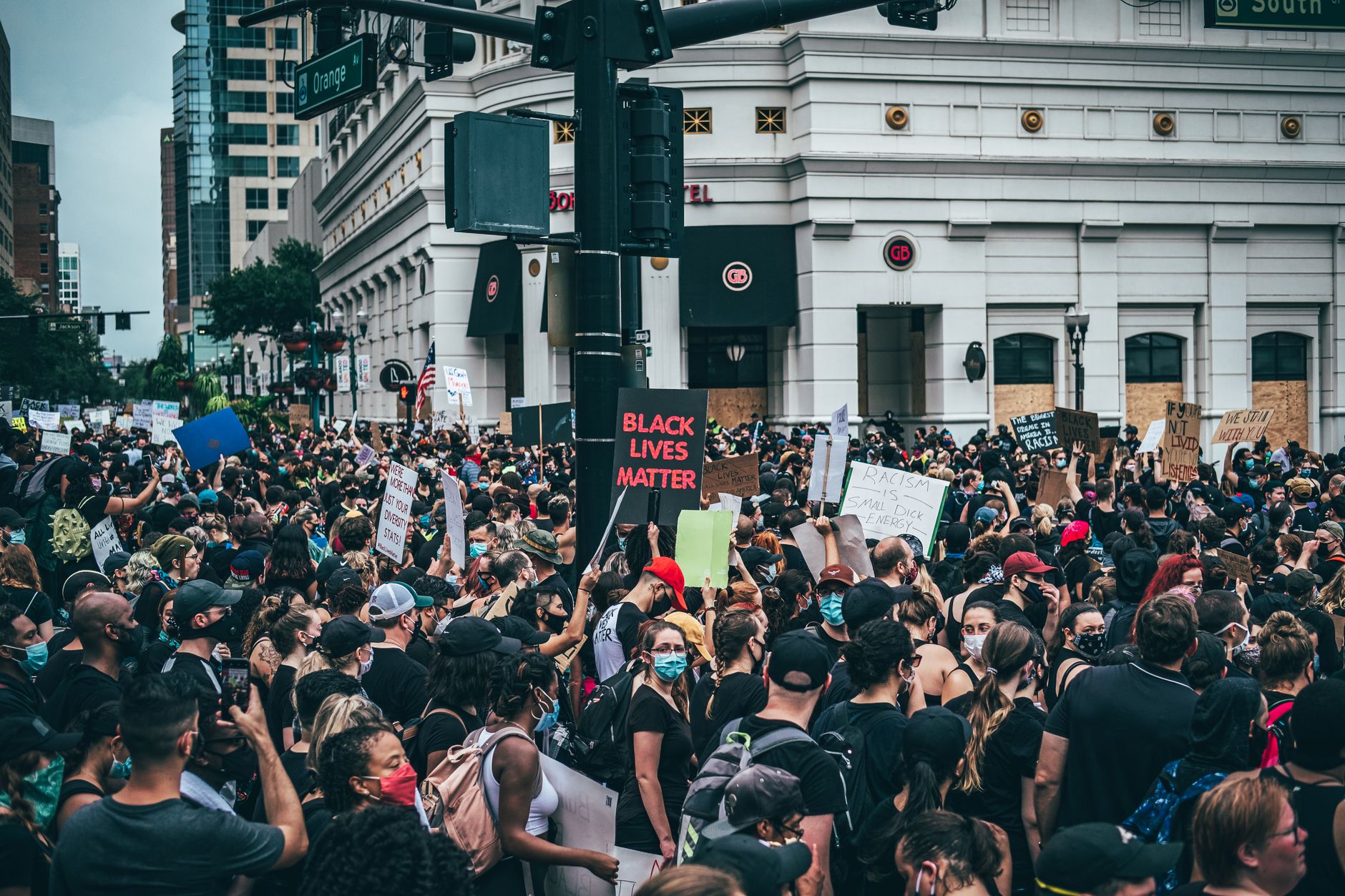
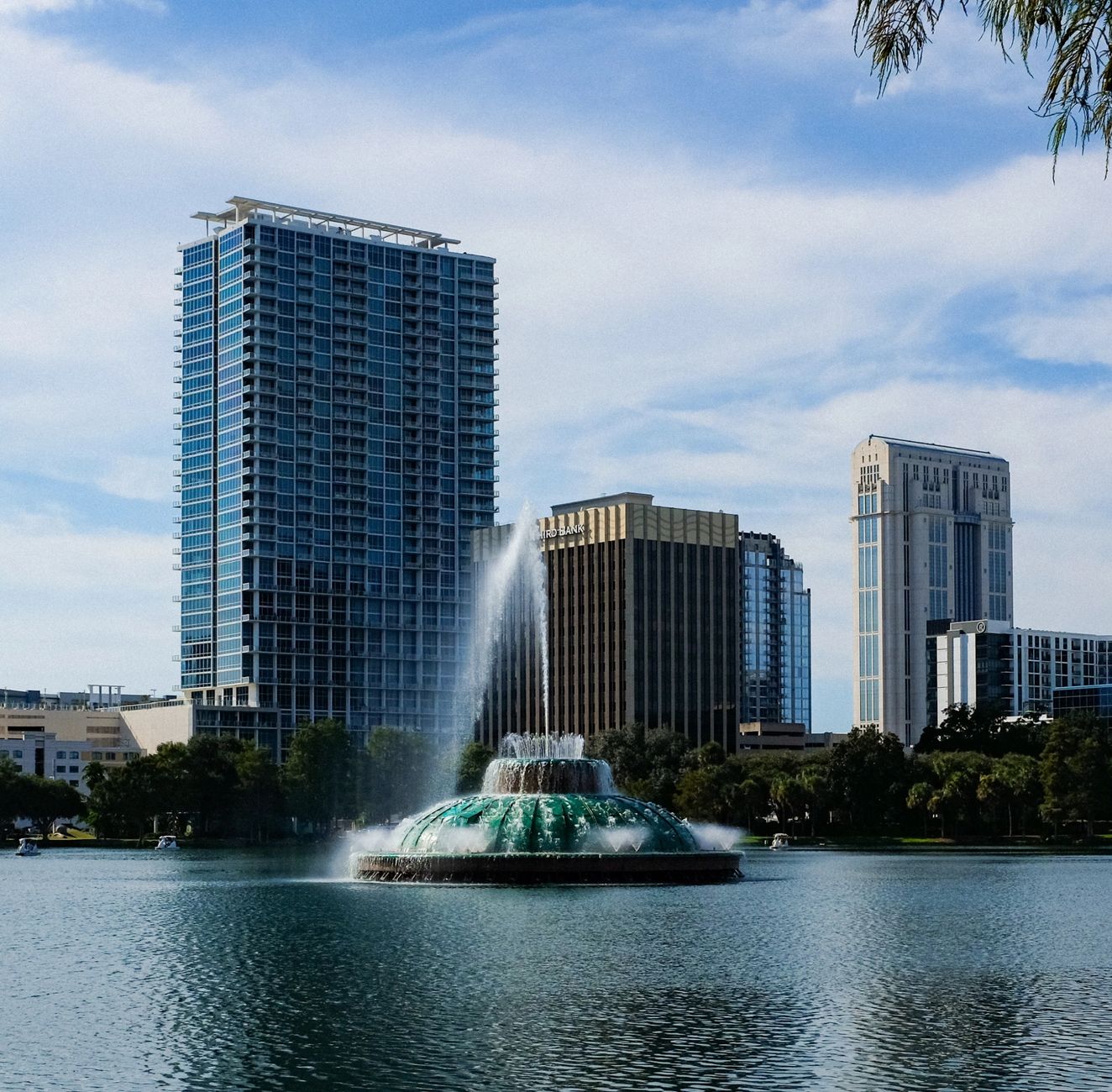
Downtown Orlando is easy to underestimate. Most people pass through on their way to the theme parks, and the city lets them. But stay a little longer and you find Lake Eola's mile-long waterfront loop, a red Chinese pavilion that was built in Shanghai, shipped across the Pacific, and reassembled here in 1987 — and an eight-block historic district where Queen Anne facades stand next to Art Deco storefronts, all of it dating from the 1880s to the 1940s.
The streets here work at a human pace. LYMMO, a free rapid-transit bus that claims to be the oldest BRT system in the country, threads the core without asking for a fare. Church Street's old railroad depot — Henry Plant's 1889 Victorian station — is now restaurants and retail. The Orange County Regional History Center, a neoclassical courthouse from 1927, holds the long, tangled story of how this place got its name and kept changing it.
💛 What travellers fall for
Regulars tend to arrive at Lake Eola early, before the Florida heat builds, and walk the full loop before coffee. The Chinese Ting pavilion reads differently at different hours — morning mist, afternoon glare, evening reflection. Third Thursdays at the History Center are free from 5 p.m., and locals treat it as a standing appointment.
Deals in Downtown Orlando
Book directly at the provider
How Downtown Orlando came to be
Before there was an Orlando, there was Jernigan. Aaron Jernigan built a post office here in 1850, north of Fort Gatlin, and the settlement took his name. Six years later, Jernigan was relieved of his command for what records call 'notorious acts,' and the town was quietly renamed Orlando — after whom or what remains genuinely contested. A judge named Speer may have chosen it, honoring either a man who worked for him or a character from Shakespeare's 'As You Like It.' No one has settled the question.
The Town of Orlando was incorporated in 1875, still a backwater. It was the arrival of Henry Plant's railroad — his Victorian depot dedicated in 1889 — that opened the place to the wider world. The Downtown Development Board followed nearly a century later, in 1971, and the Historic District was formally designated in 1980.
Who and what shaped it
People who shaped it
Landmark buildings
See Downtown Orlando in motion
Plan your visit
On the map
When to go
Winters are genuinely mild — January averages around 16°C (61°F) — and the light is clear and easy. Summers bring real heat and near-daily afternoon thunderstorms that move through fast but drench everything; plan outdoor time for mornings.
Right now
Background & history adapted from Wikipedia (CC BY-SA) · specs from Wikidata (CC0) · weather from Open-Meteo · map data © OpenStreetMap contributors · photos from Wikimedia Commons / Unsplash with per-image credit. No third-party reviews or social posts reproduced.