
Dong Da District
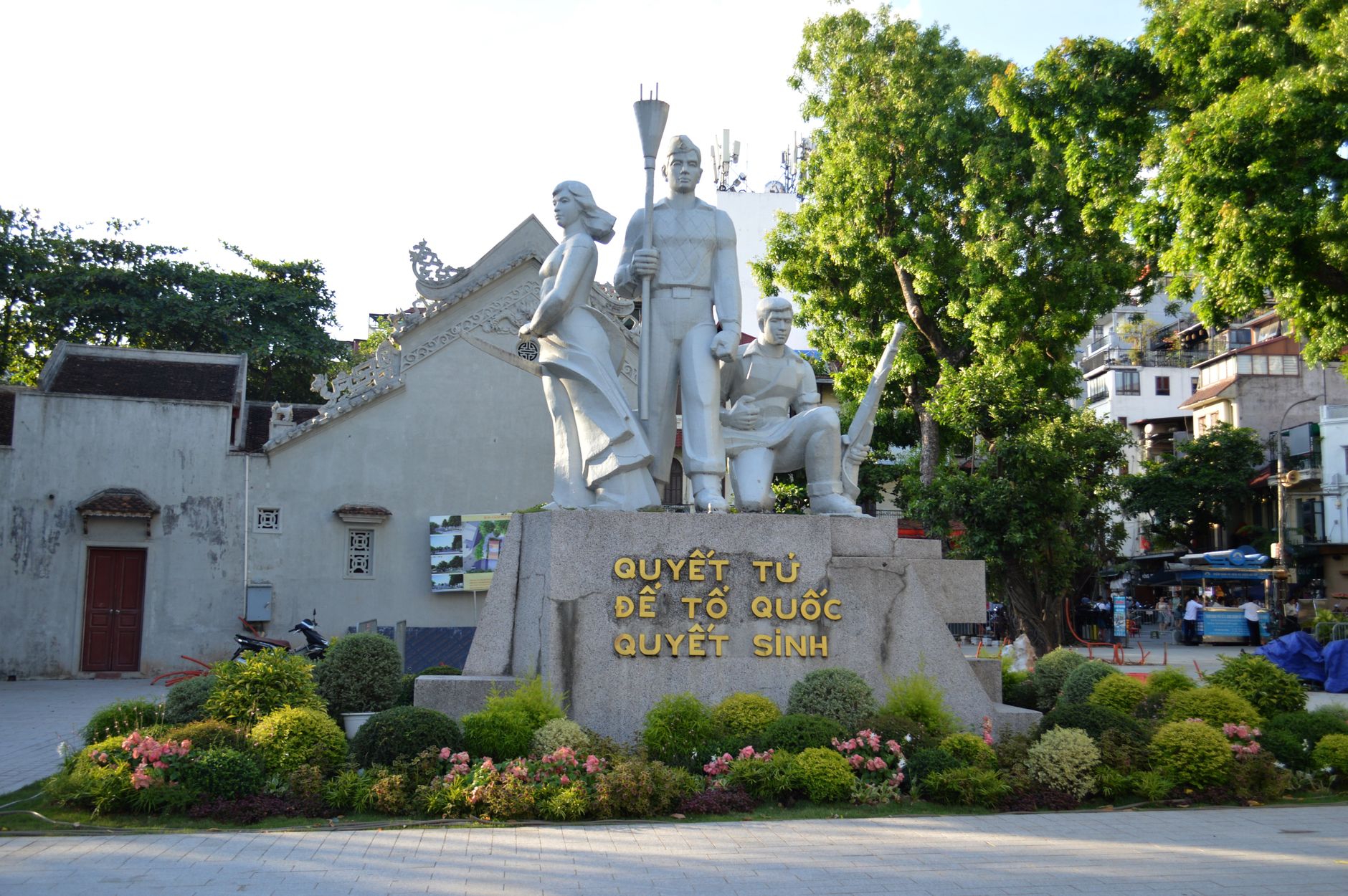
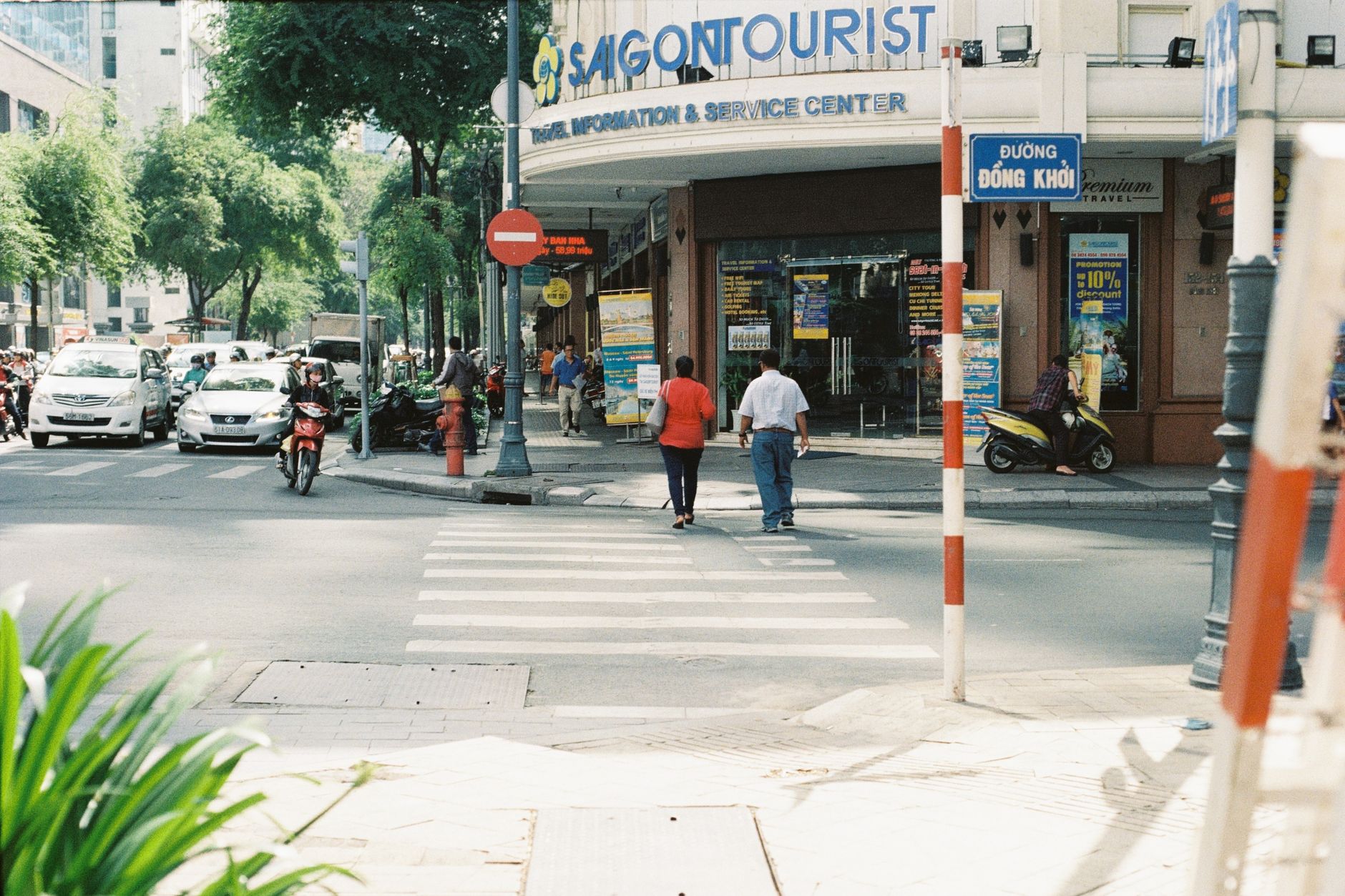
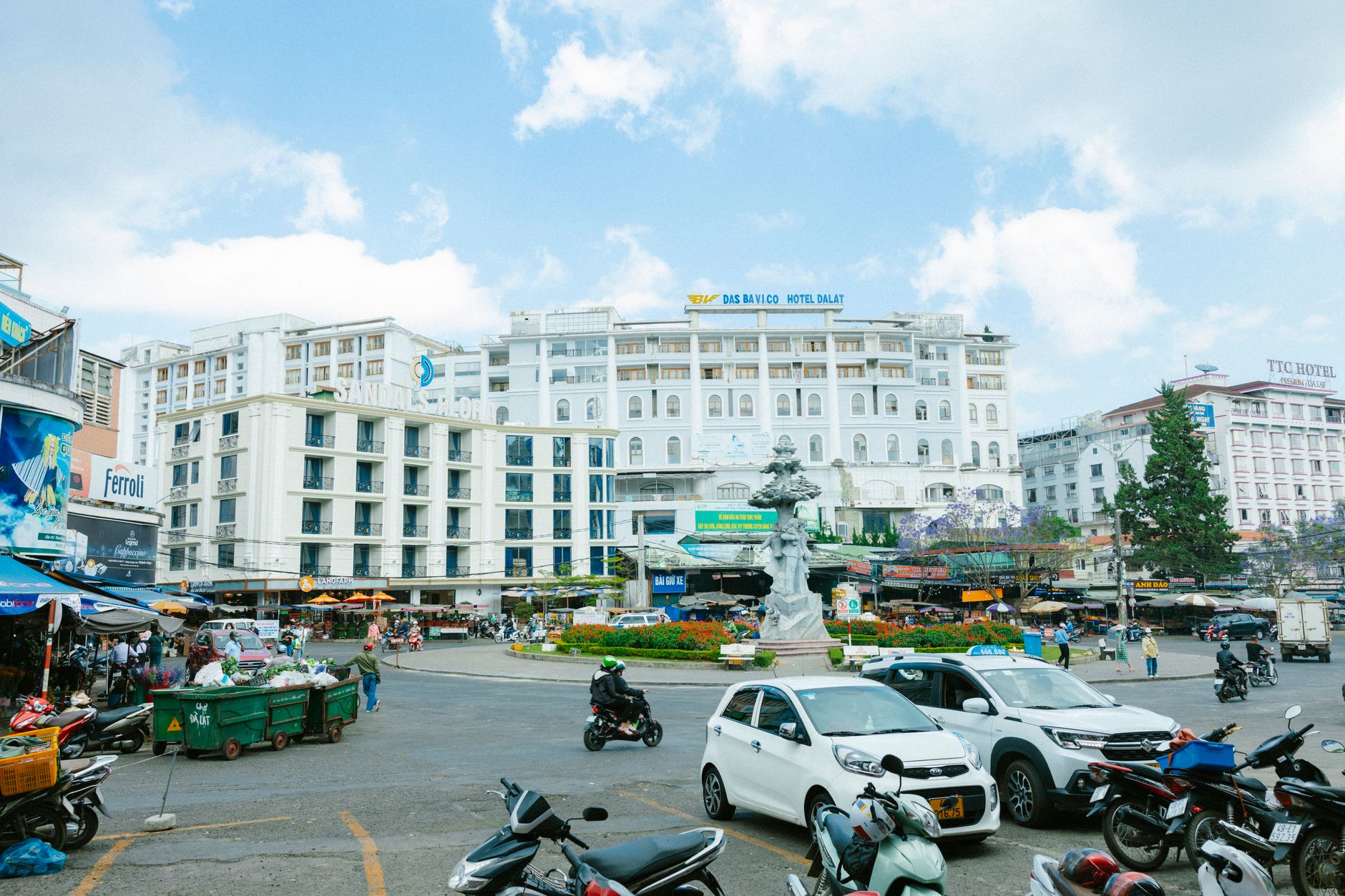
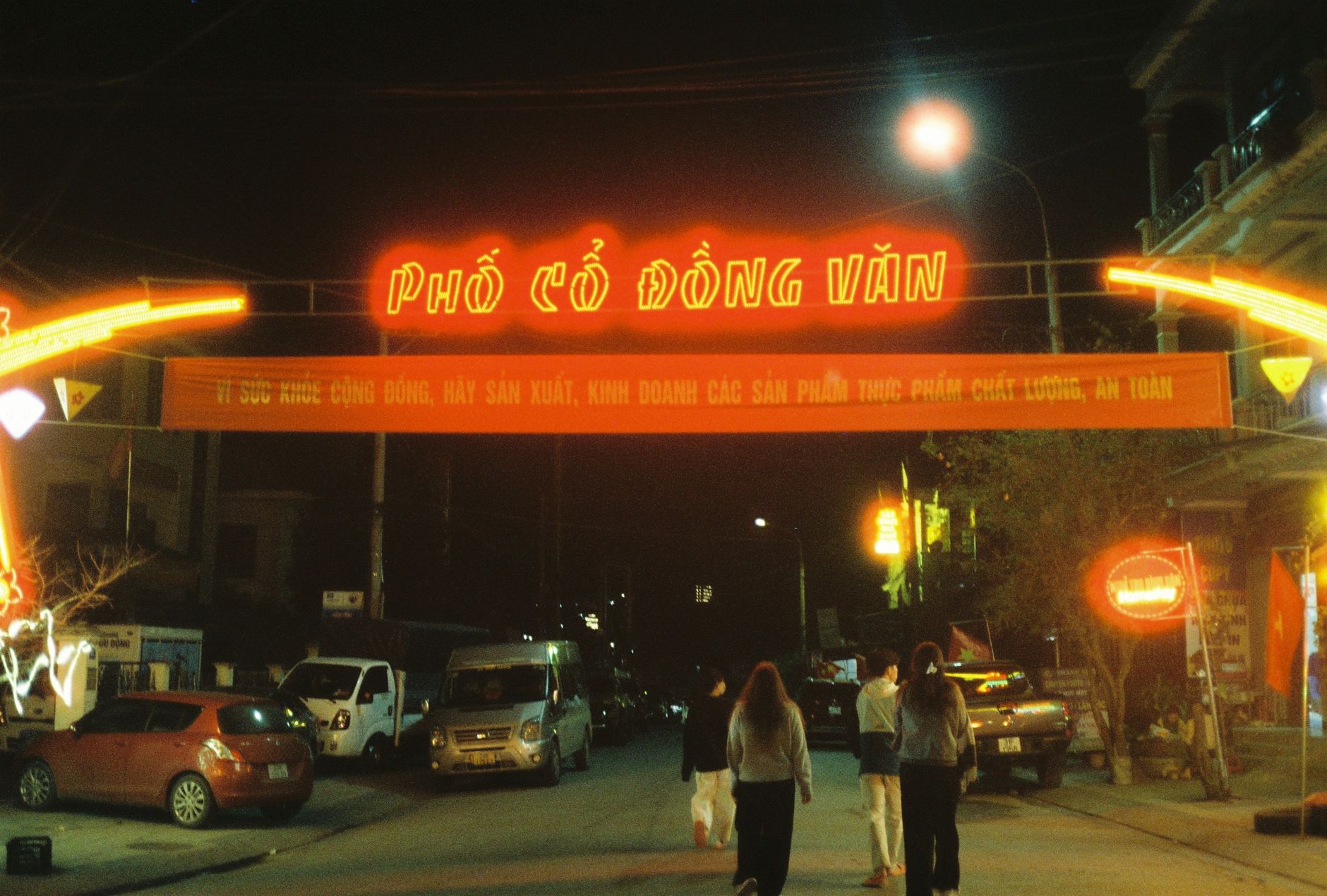
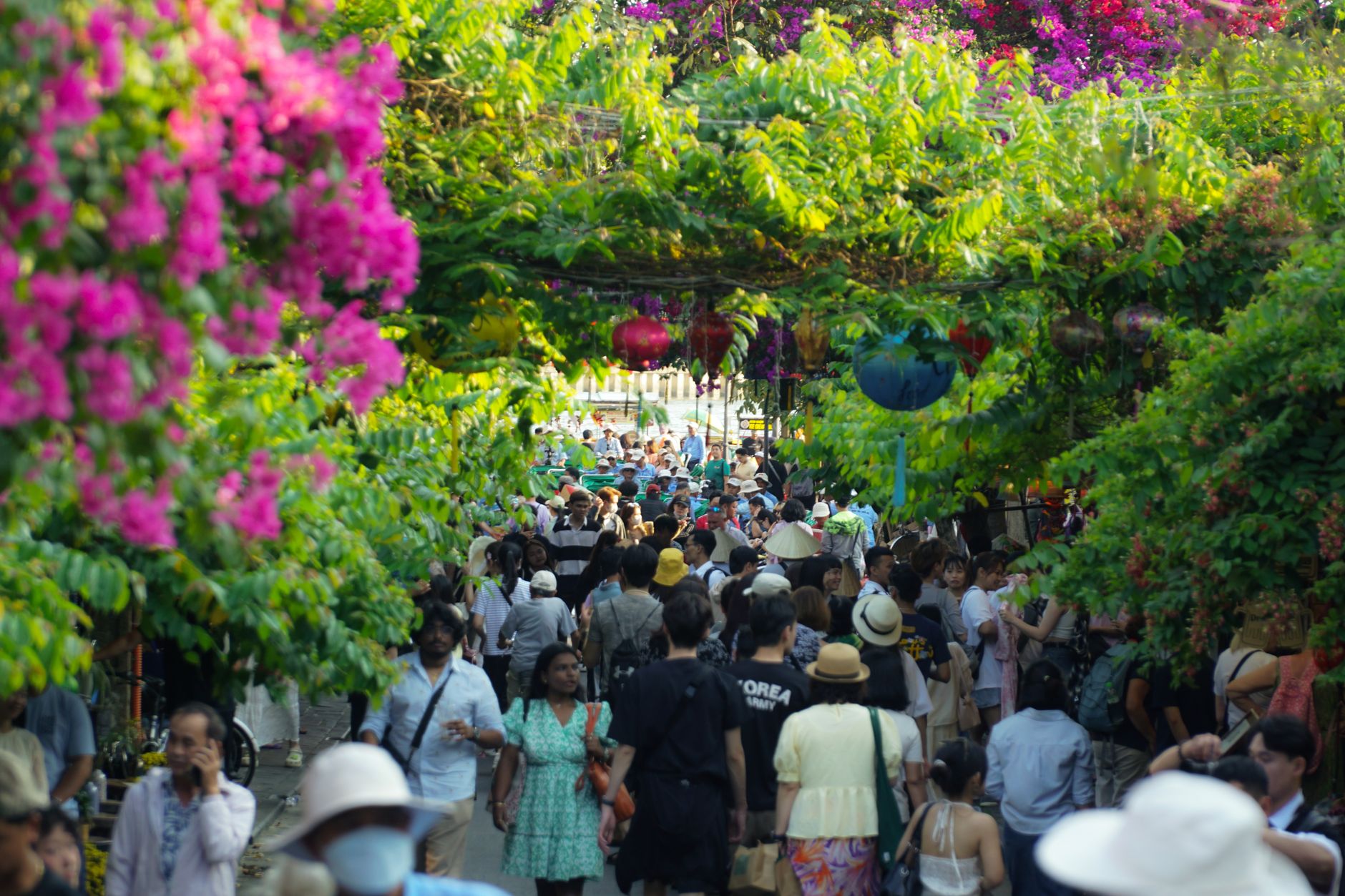
Dong Da is the kind of district that rewards attention paid at street level. It is the most densely populated patch of Hanoi — over 42,000 people per square kilometre — yet its lakes break the density open: Ba Mau, Kim Lien, Dong Da, Van Chuong, Xa Dan, each one a pause in the city's rhythm.
The district carries its history in its name. The Dong Da Mound, where Quang Trung's Tay Son forces routed a Qing army in the spring of 1789, sits inside a cultural park covering more than 22,000 square metres. From there, the streets run west past the university corridors of Chua Lang and Chua Boc — all coffee shops, second-hand bookstalls and students — and south toward the Temple of Literature, founded in 1070.
💛 What travellers fall for
People who come back tend to get off at Thai Ha metro station rather than Cát Linh. The streets around there are quieter, lined with small pagodas and food lanes that see almost no tourist traffic. The two university streets — Chua Lang and Chua Boc — are where you eat cheaply and well, surrounded by people who actually live here.
Deals in Dong Da District
Book directly at the provider

How Dong Da District came to be
Dong Da is one of Hanoi's four original urban districts, and it takes its name from a battle rather than a place. In the spring of 1789, Emperor Quang Trung led the Tay Son army in a decisive offensive against Qing Chinese forces occupying the capital, winning at Ngoc Hoi and Dong Da in what became one of Vietnam's defining military moments. The mound where soldiers fell was later preserved, and in 1989 — exactly two hundred years after the battle — a cultural park was established around it. The 14.65-metre reinforced concrete statue of Quang Trung was added to the site, which was formally designated a national relic in 2018.
The French colonial period left its own marks: the Hanoi Railway Station in its colonial-era architecture, and a grid of public institutions that shaped the district's layout. Through the 1960s and 1970s the district expanded southwest, filling with universities, hospitals and residential quarters that still define daily life here.
Who and what shaped it
Landmark buildings
See Dong Da District in motion
Plan your visit
On the map
When to go
Spring (February to April) brings mild temperatures between 15°C and 20°C with frequent drizzle — pack a light layer and expect grey skies as often as sun. Summer runs humid, September being the rainiest month; winter stays mild around 18°C with little rain, making it the most reliably comfortable season to walk the district.
Right now
Background & history adapted from Wikipedia (CC BY-SA) · specs from Wikidata (CC0) · weather from Open-Meteo · map data © OpenStreetMap contributors · photos from Wikimedia Commons / Unsplash with per-image credit. No third-party reviews or social posts reproduced.