
Dong Anh District

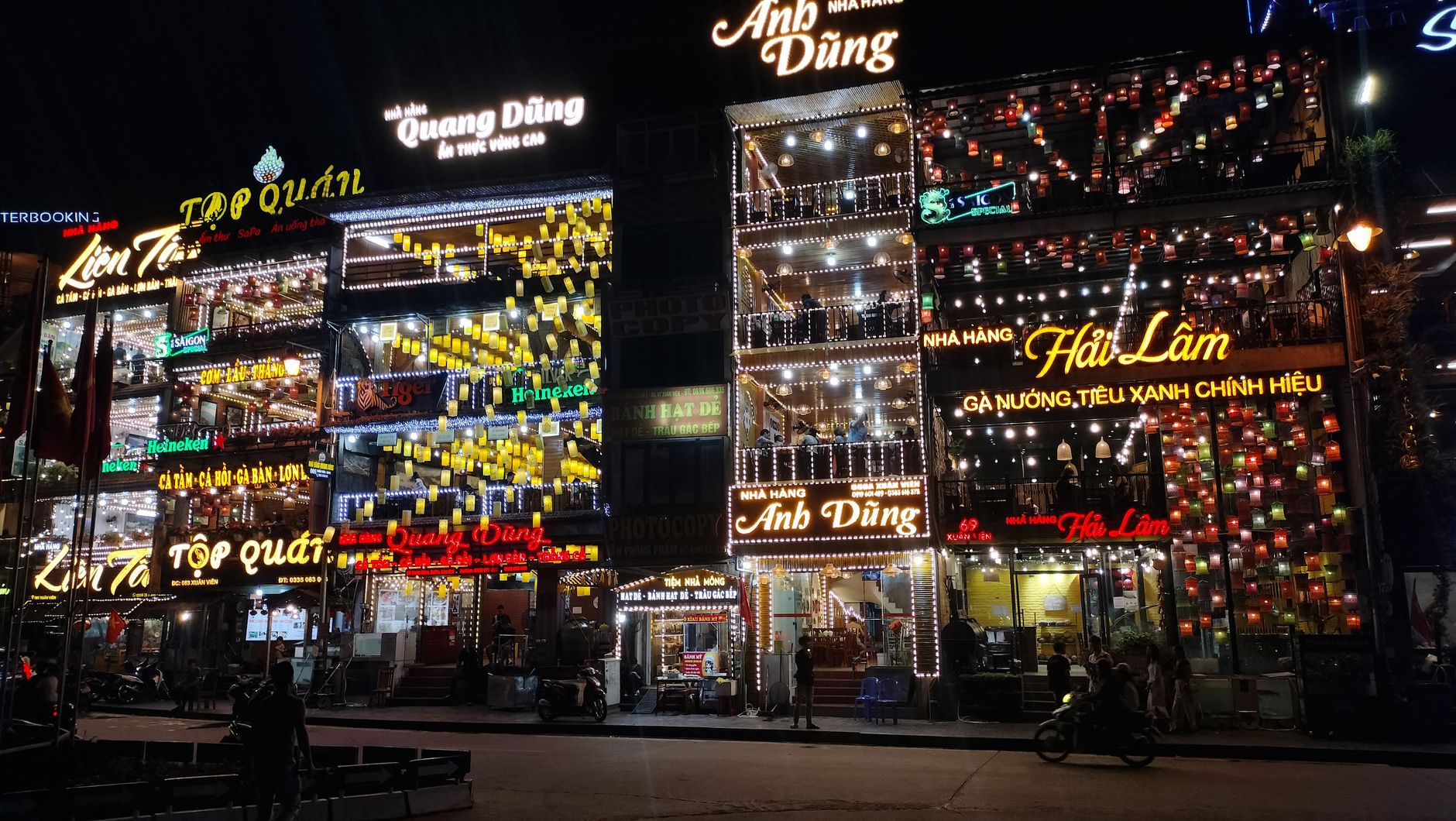
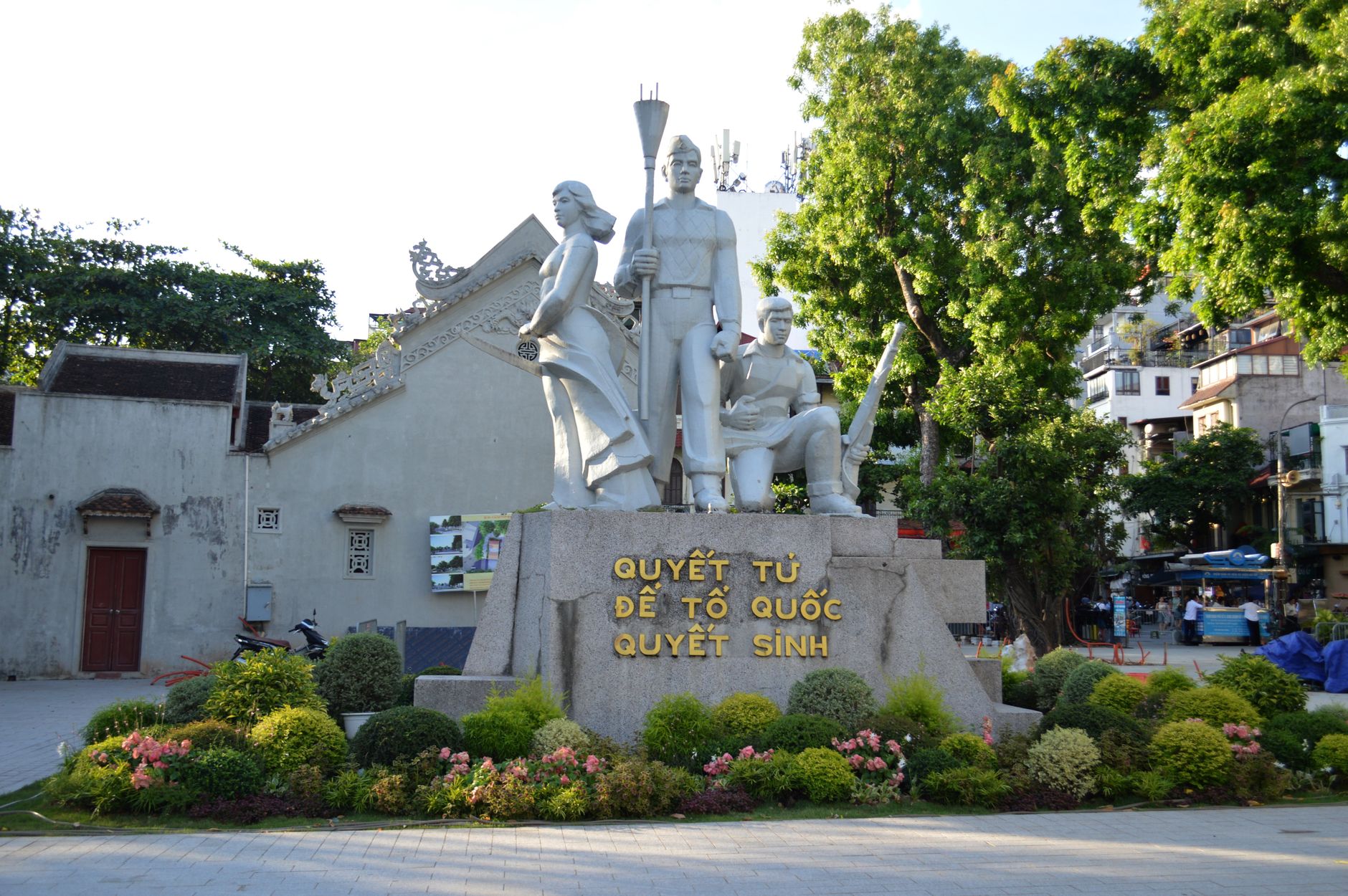
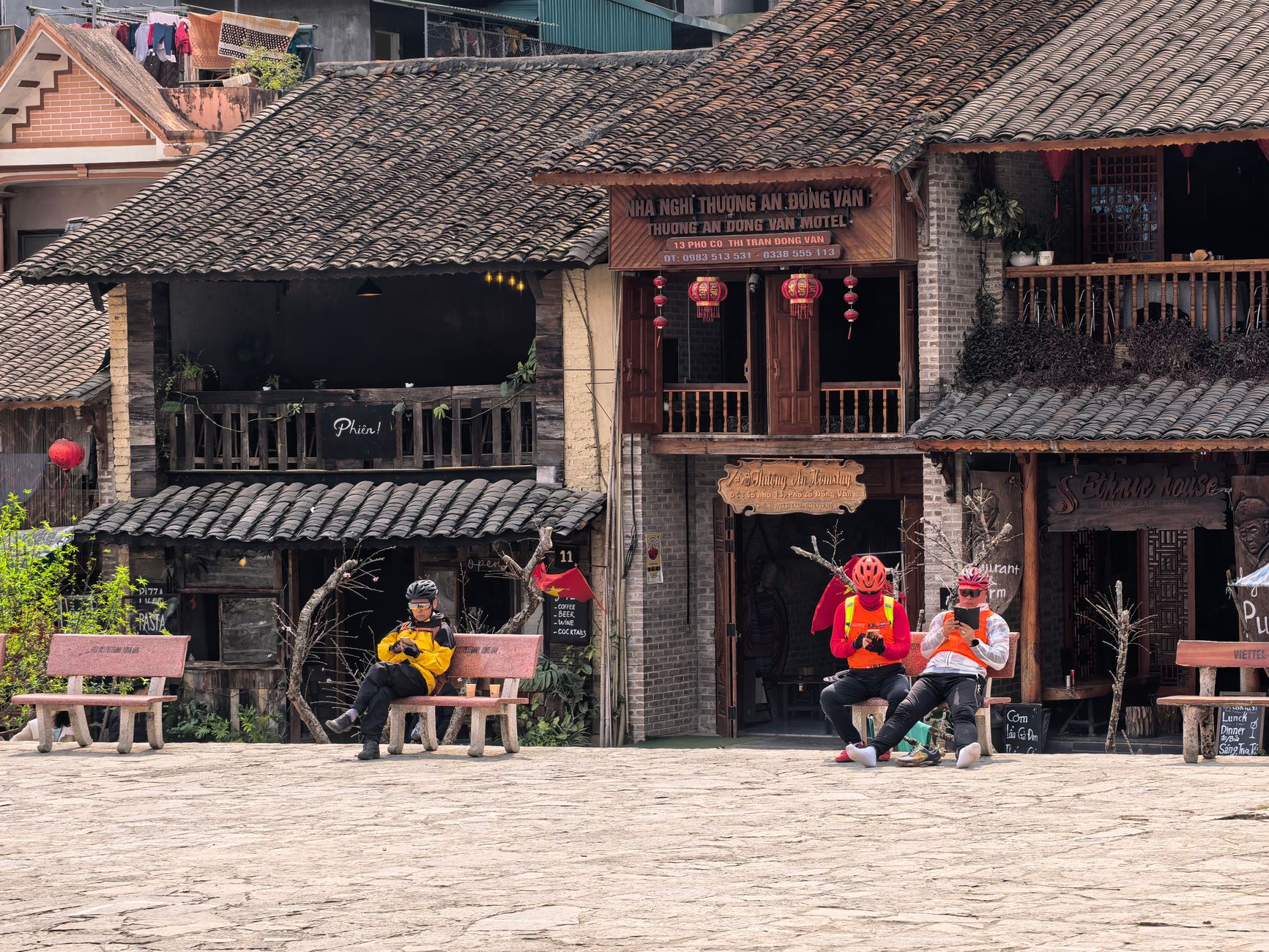
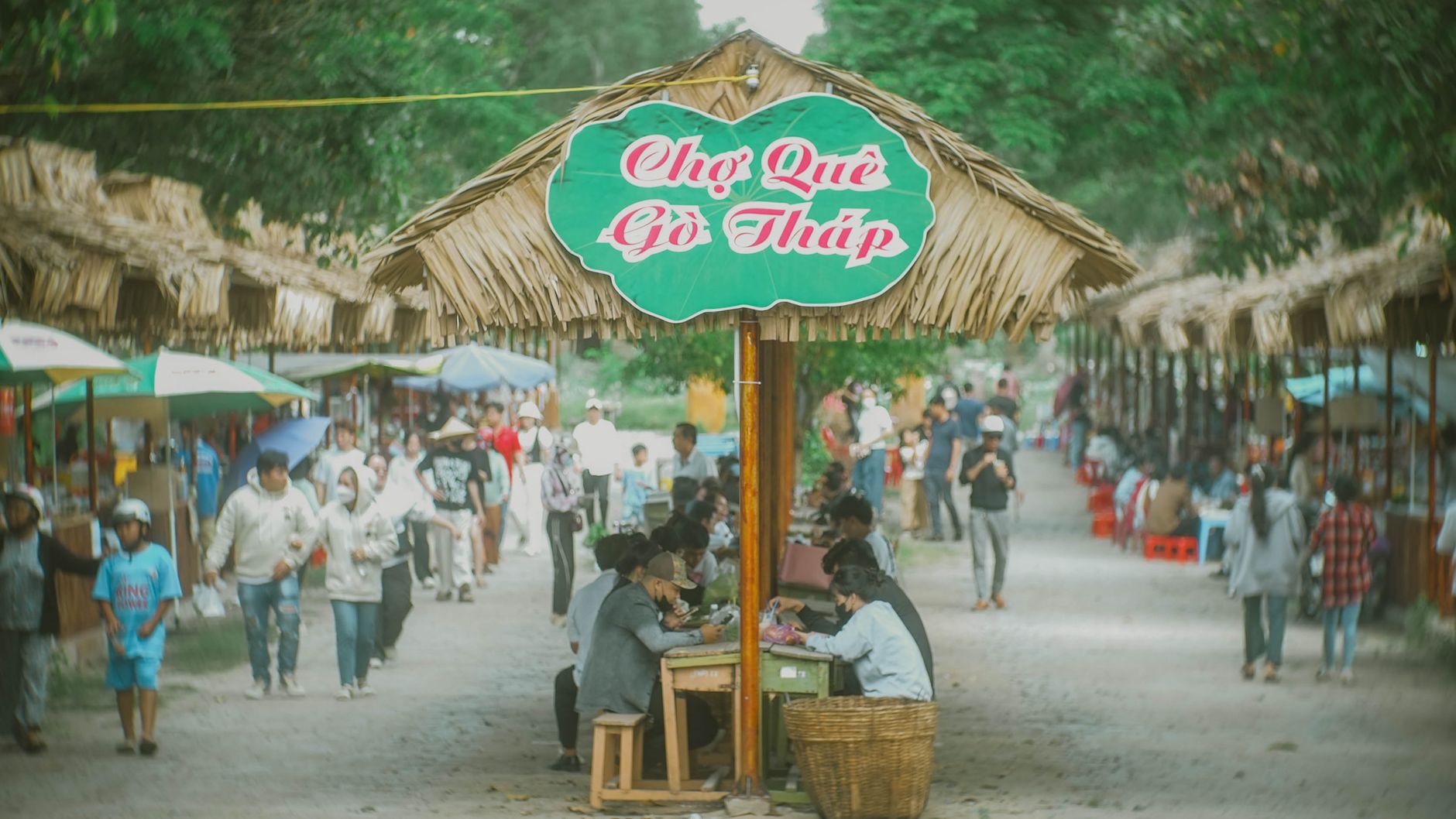

Cross the Nhat Tan Bridge heading north and the city loosens its grip almost immediately. Dong Anh is a rural district of Hanoi — 182 square kilometres of communes, rice-civilisation craft villages, and a 2,300-year-old spiral citadel that most visitors to the capital never find. The local handicraft economy still runs on wooden furniture from Van Ha, vermicelli noodles from Mach Trang, and kumquats from Tam Xa, sold in markets that have nothing to do with the Old Quarter.
What draws people here, ultimately, is Cổ Loa — the snail-shaped capital of King An Dương Vương, whose earthen walls once coiled across more than five square kilometres. Three of those coils still stand, some stretching fifteen metres wide.
💛 What travellers fall for
People who come back tend to arrive early at Cổ Loa before tour groups from the city show up, then walk the outer wall slowly enough to notice how the earth holds its shape after two millennia. The temples to An Dương Vương and Princess Mỵ Châu inside the complex are small and genuinely used — incense burning, offerings fresh.
Deals in Dong Anh District
Book directly at the provider


How Dong Anh District came to be
The ground here was significant long before the district had its modern name. In 257 BCE, King Thục Phán — known as An Dương Vương — founded the Âu Lạc Kingdom and built Cổ Loa Citadel as its capital, a fortified complex whose nine spiral walls were an architectural strategy as much as a statement of power. In 938, Ngô Quyền defeated the Southern Han army and briefly restored Cổ Loa to its role as the seat of an independent Vietnamese state.
The modern administrative district was formalised in October 1876 under the Nguyễn Dynasty, stitched together from portions of three older provinces. It was briefly renamed Đông Khê in 1889, reverted to Đông Anh by 1903, and eventually absorbed into Hanoi in 1961 after passing through Phúc Yên Province following the 1945 August Revolution.
Who and what shaped it
People who shaped it
Landmark buildings
See Dong Anh District in motion
Plan your visit
On the map
When to go
The most agreeable time to visit is October through November — temperatures settle between 20°C and 25°C and the sky clears after the wet season. Spring (February to April) is mild but persistently drizzly, and the height of summer pushes above 33°C with heavy humidity that makes walking the citadel walls a different kind of commitment.
Right now
Background & history adapted from Wikipedia (CC BY-SA) · specs from Wikidata (CC0) · weather from Open-Meteo · map data © OpenStreetMap contributors · photos from Wikimedia Commons / Unsplash with per-image credit. No third-party reviews or social posts reproduced.