
Diriyah
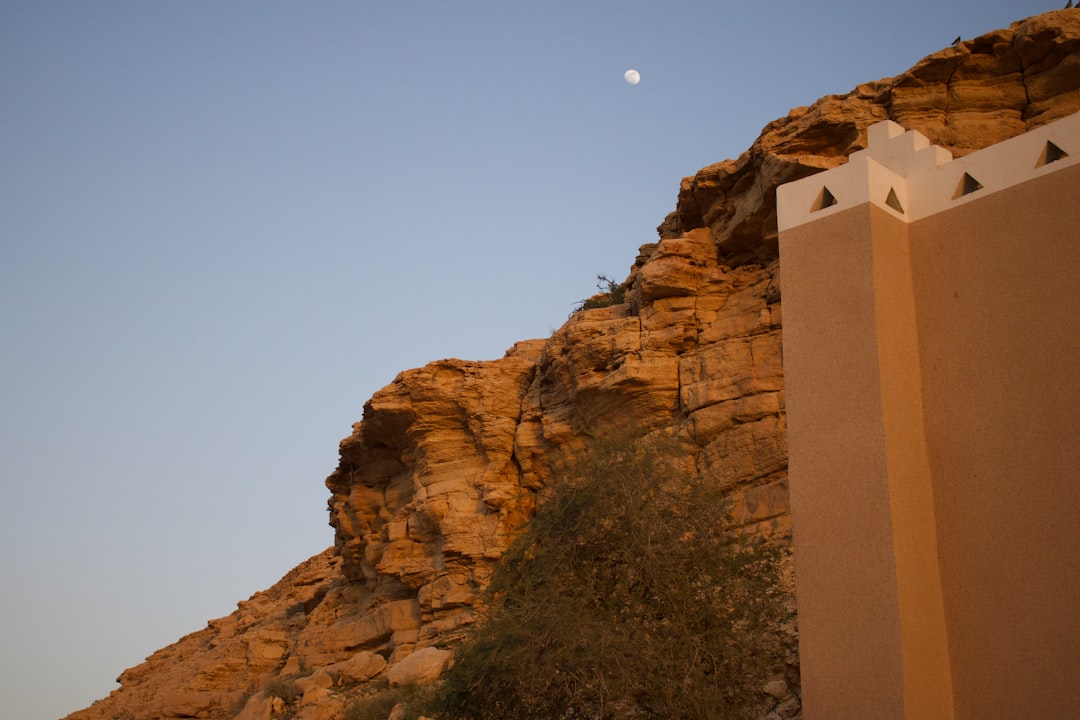
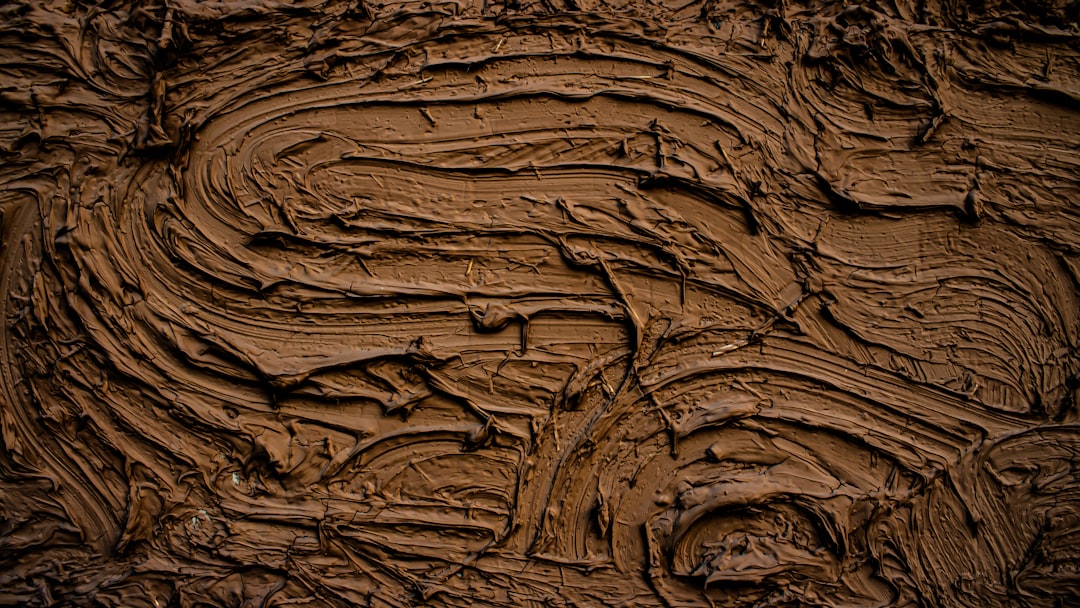
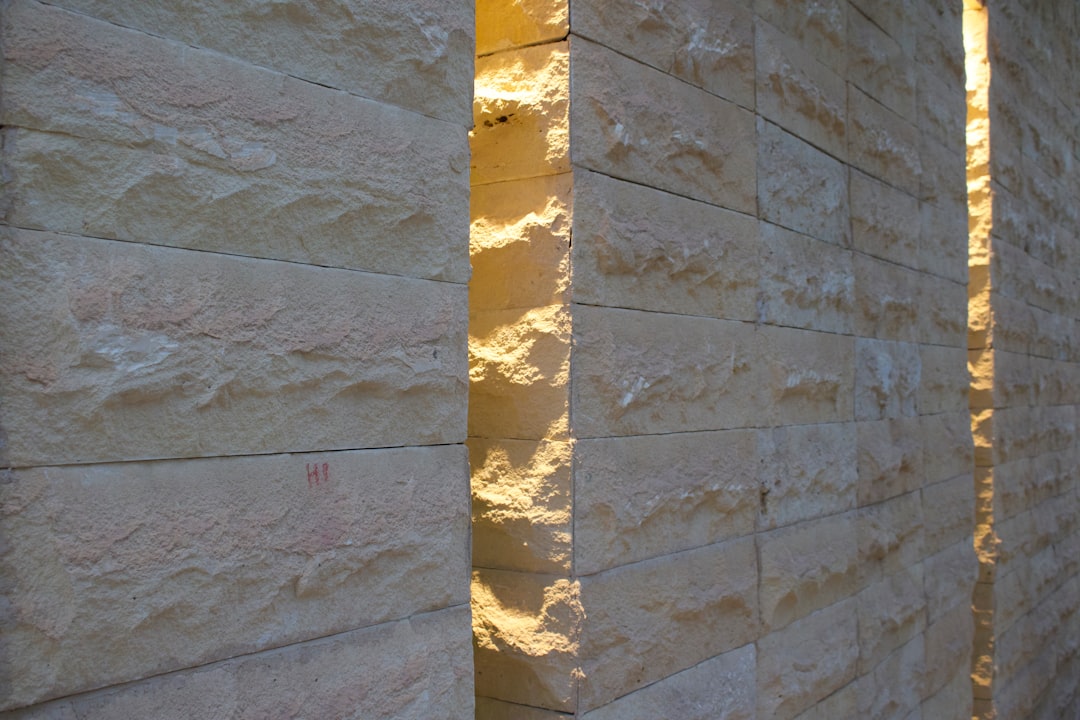
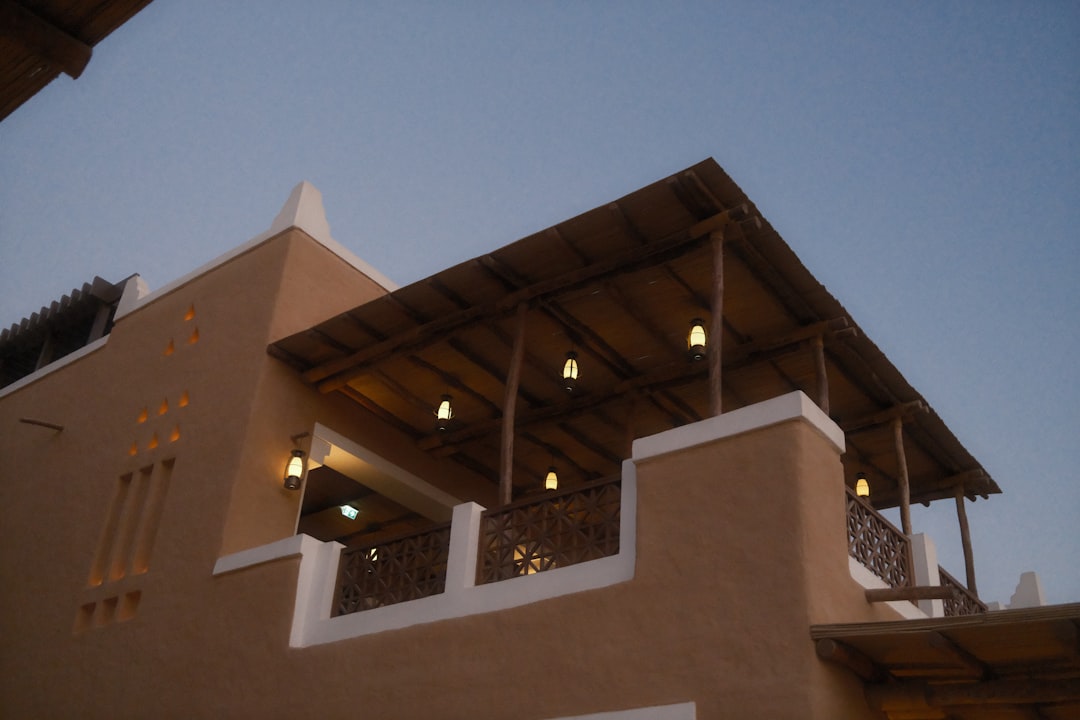
About 20 kilometres northwest of Riyadh, where Wadi Hanifah cuts a shallow valley through the plateau, the mud-brick walls of At-Turaif rise the same pale ochre as the earth they were shaped from. This is where the Saudi state began — not as metaphor, but as physical fact: the alliance struck here in 1744 between a local emir and a religious scholar set in motion a political project that still governs the region today.
Directly across the wadi, Al-Bujairi's palm groves and the restaurants of Bujairi Terrace offer a gentler counterpoint. Diriyah holds both registers at once — serious history and an easy evening out — and rewards the few hours it asks of you.
How Diriyah came to be
Diriyah was founded in 1446–47 by Mani' Al-Muraydi, whose clan settled the wadi after moving from Al-Qatif at the invitation of a local ruler. For nearly three centuries it remained a modest settlement. The turn came in 1744 when Emir Muhammad ibn Saud offered shelter to Muhammad ibn Abd al-Wahhab, a scholar expelled from the nearby town of Al-Uyaynah. The two men formed a pact — political authority in exchange for religious legitimacy — and Diriyah became the capital of the First Saudi State.
The state expanded under Ibn Saud's son Abdulaziz and then his grandson Saud, but Ottoman forces, alarmed by its reach, laid siege in 1818. After months of resistance, the town surrendered and its population dispersed, most heading to Riyadh. The ruins were declared a UNESCO World Heritage Site in 2010, and a new city grew around them from the late 1970s onward.
Who and what shaped it
People who shaped it
Landmark buildings
See Diriyah in motion
Plan your visit
On the map
When to go
Diriyah has a true desert climate — almost no rain and intense summer heat, with July temperatures that make outdoor exploration punishing. October through March is the window when the air is cool enough to walk the citadel comfortably; April and October are the most popular months for a reason.
Right now
Background & history adapted from Wikipedia (CC BY-SA) · specs from Wikidata (CC0) · weather from Open-Meteo · map data © OpenStreetMap contributors · photos from Wikimedia Commons / Unsplash with per-image credit. No third-party reviews or social posts reproduced.