
Dangriga
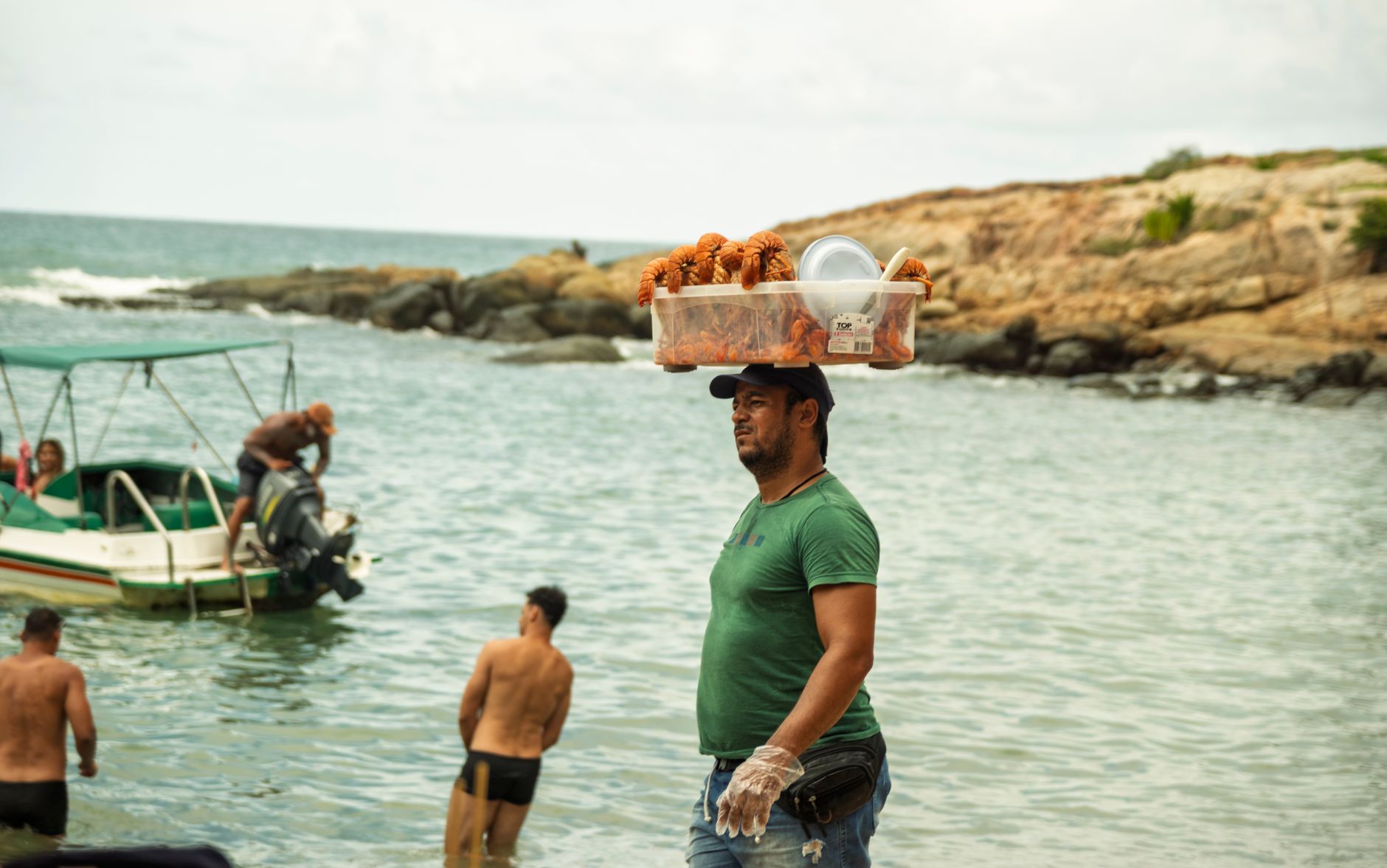


Dangriga sits on Belize's central-southern coast where the North Stann Creek River splits the town in two before meeting the Caribbean. Walk St Vincent Street toward the bridge and you'll find pelicans working the water, women in bright floral dresses, and men playing dominoes in the shade outside the PUP party house. It is unhurried and unapologetically itself.
This is the cultural capital of the Garifuna people — descendants of Carib Indians and Africans who arrived here by boat in 1823 and built something lasting. The drums you hear are not a performance for tourists. They belong here.
Experiences you don't want to miss



How Dangriga came to be
On November 19, 1823, a group of Garifuna refugees arrived by boat at Stann Creek, having fled Honduras. They were the descendants of Black Caribs exiled from the eastern Caribbean by the British in the 18th century. The settlement that grew from that landing was shaped in its early decades by the leadership of Alejo Beni, and later by Thomas Vincent Ramos, an educator and activist who secured the recognition of Garifuna Settlement Day — still observed across Belize every November 19.
In the late 19th and early 20th centuries, banana and citrus exports turned the town into a regional economic hub, served by a railway connecting inland plantations to the port. The name Dangriga — a Garifuna word meaning 'standing waters' — came into wider use around 1975, officially replacing the colonial Stann Creek Town.
Who and what shaped it
People who shaped it
Landmark buildings
See Dangriga in motion
Plan your visit
On the map
When to go
Temperatures hold between 27°C and 31°C year-round, with high humidity throughout. December to April is the dry season and the most comfortable time to visit; October is the wettest month. Come in November if you want to be in town for Garifuna Settlement Day on the 19th.
Right now
Background & history adapted from Wikipedia (CC BY-SA) · specs from Wikidata (CC0) · weather from Open-Meteo · map data © OpenStreetMap contributors · photos from Wikimedia Commons / Unsplash with per-image credit. No third-party reviews or social posts reproduced.