
Crane




The coordinates place you somewhere in the southern Caribbean, near Barbados — and there is indeed a Crane on that island: a small settlement on the southeast coast of St Philip parish, known above all for the Crane Beach, one of the oldest resort areas in the Caribbean. The pink-tinged coral sand here meets Atlantic surf that rolls in with more force than the island's calmer west coast, and the clifftop position means the breeze rarely drops.
This is not a town with a centre you can walk around. It is a place you come to for a particular stretch of coast — dramatic, exposed, and genuinely unlike the leeward beaches that most visitors default to.
💛 What travellers fall for
People who return tend to time their arrival for early morning, before the resort guests come down to the beach. The steps cut into the cliff are steep enough that the sand below stays quieter longer. Bring something to read and stay through the wind shift around noon — the light on the water changes completely.
Deals in Crane
Book directly at the provider


How Crane came to be
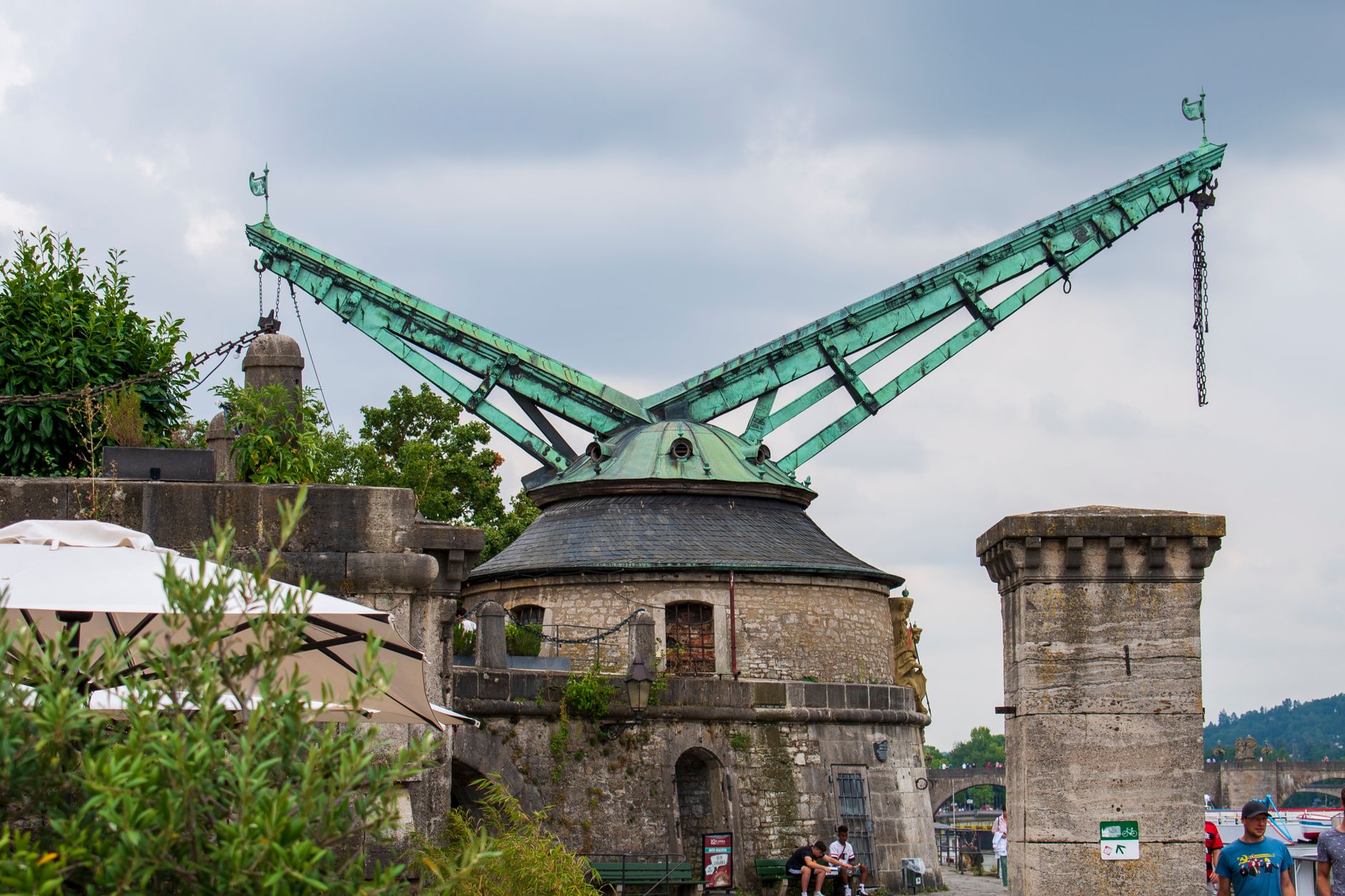
The Crane takes its name from a cargo crane that once operated on the cliffs here, loading and unloading ships that called along Barbados's windward coast before the island's main harbour at Bridgetown consolidated that trade. The Crane Beach Hotel, established in 1887, is widely cited as one of the oldest continuously operating hotels in the Caribbean — built at a time when the east coast's elevation and breeze made it the preferred retreat for Barbadian planters escaping the lowland heat.
The area remained relatively undeveloped through most of the twentieth century, its Atlantic exposure making it less commercially attractive than the sheltered west. That same exposure is now its draw.
Who and what shaped it
Landmark buildings
See Crane in motion
Plan your visit
On the map
When to go
Barbados sits outside the main hurricane belt and the southeast coast catches the trade winds year-round, keeping temperatures in the low-to-mid 80s°F (around 28–30°C) with reliable cooling breezes. The Atlantic swell is strongest from November through February, which makes for dramatic scenery but rougher swimming; the calmer months run roughly June through October.
Right now
Background & history adapted from Wikipedia (CC BY-SA) · specs from Wikidata (CC0) · weather from Open-Meteo · map data © OpenStreetMap contributors · photos from Wikimedia Commons / Unsplash with per-image credit. No third-party reviews or social posts reproduced.