
Coyoacán
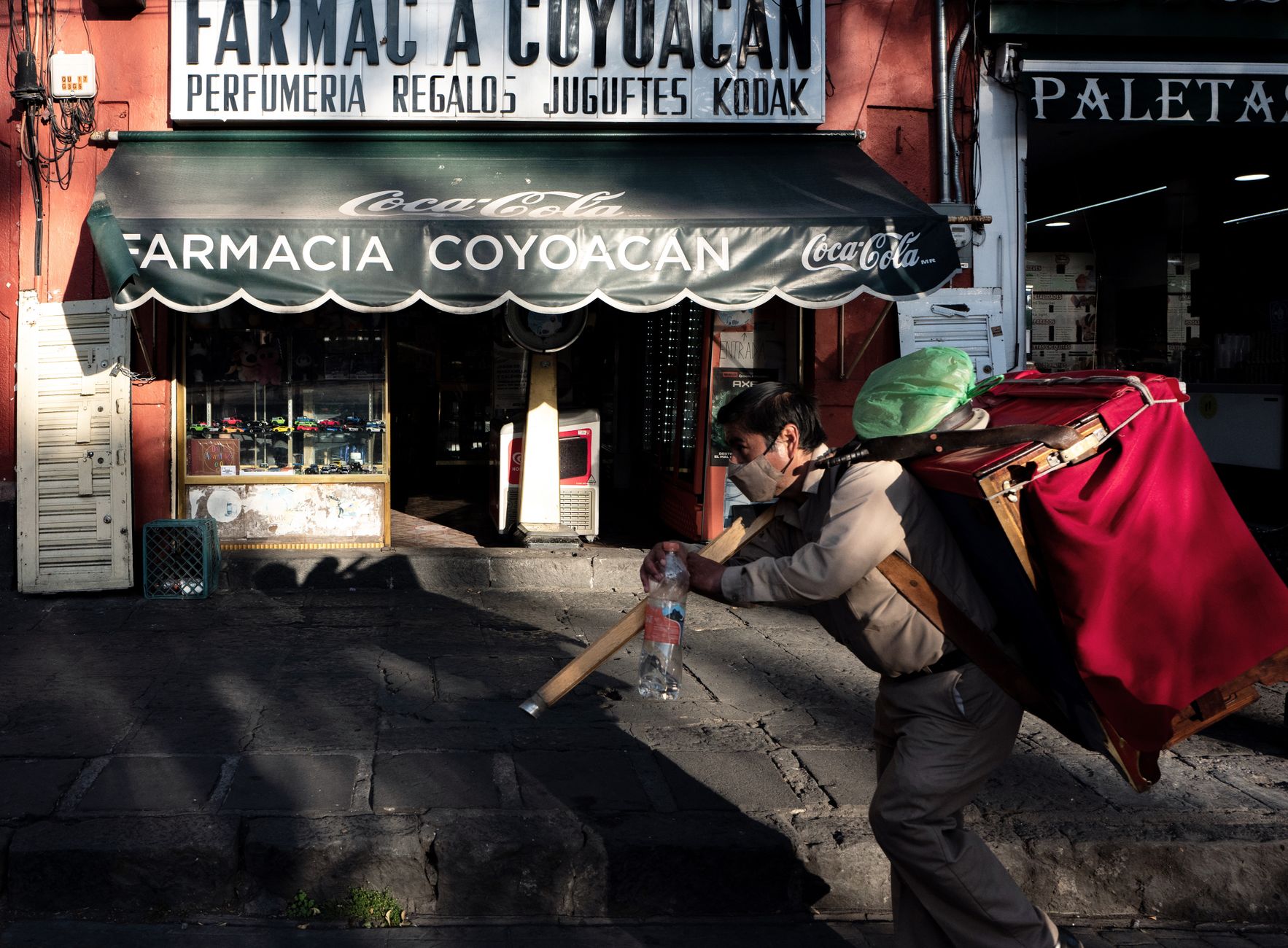
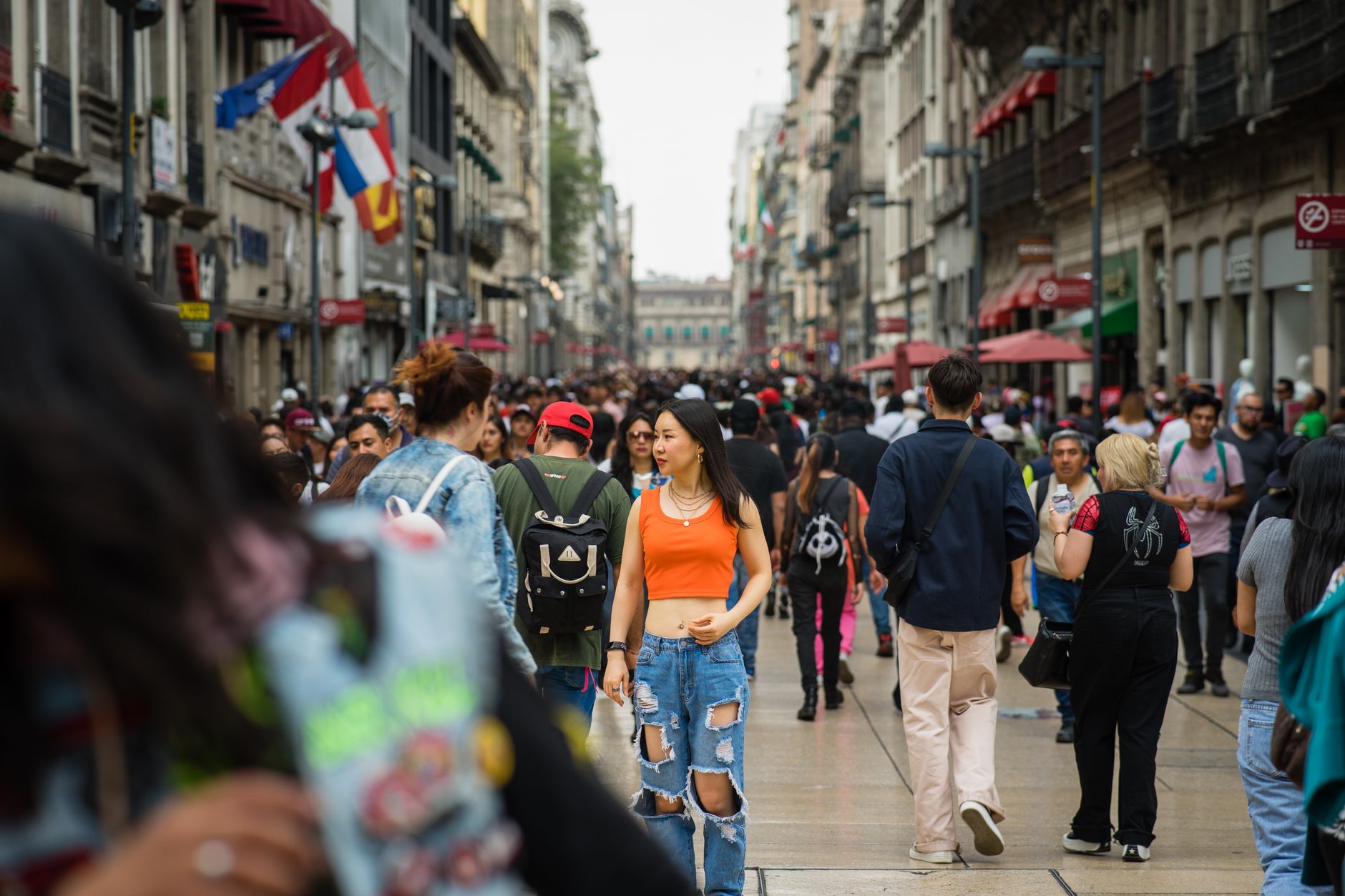
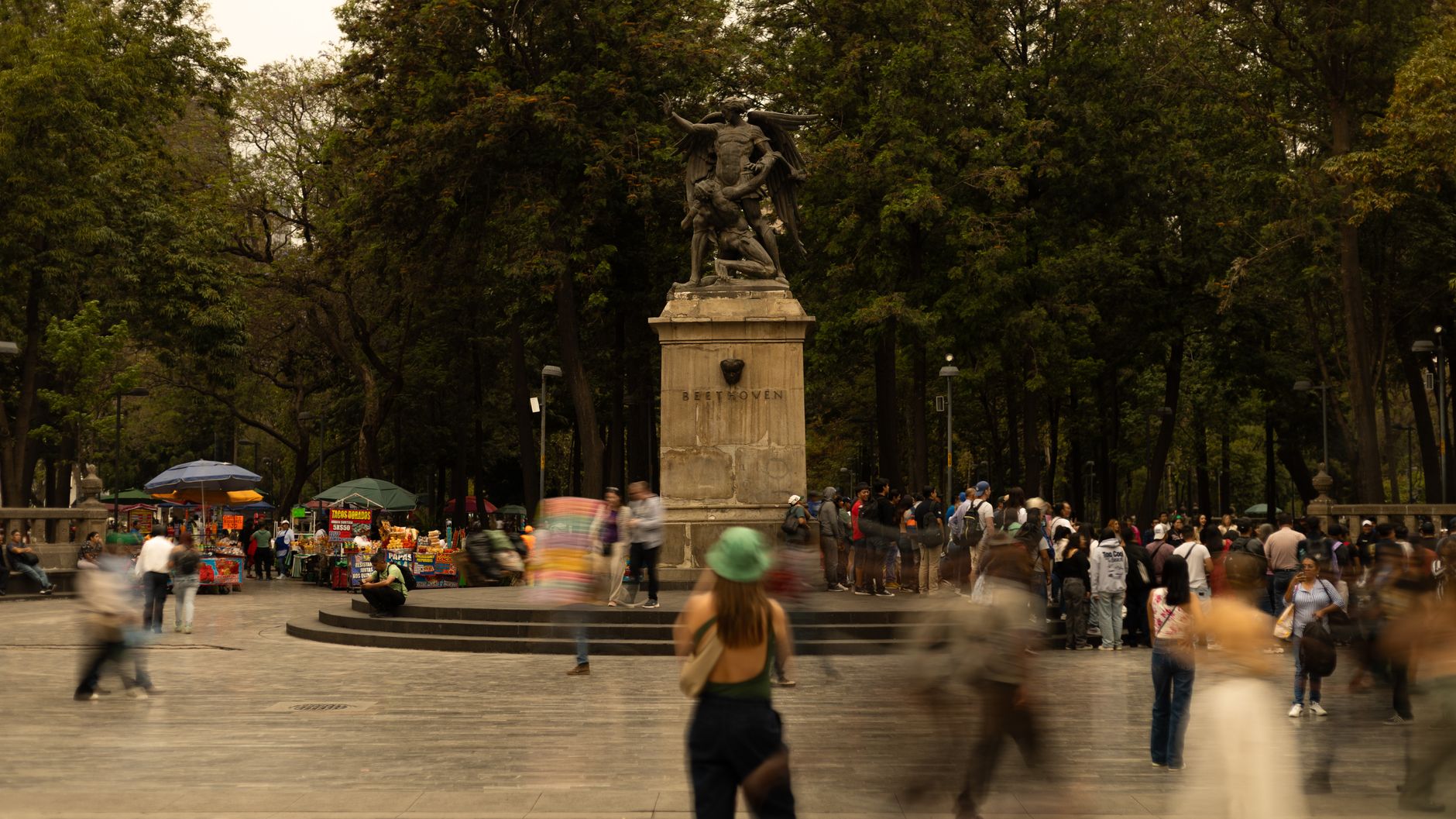
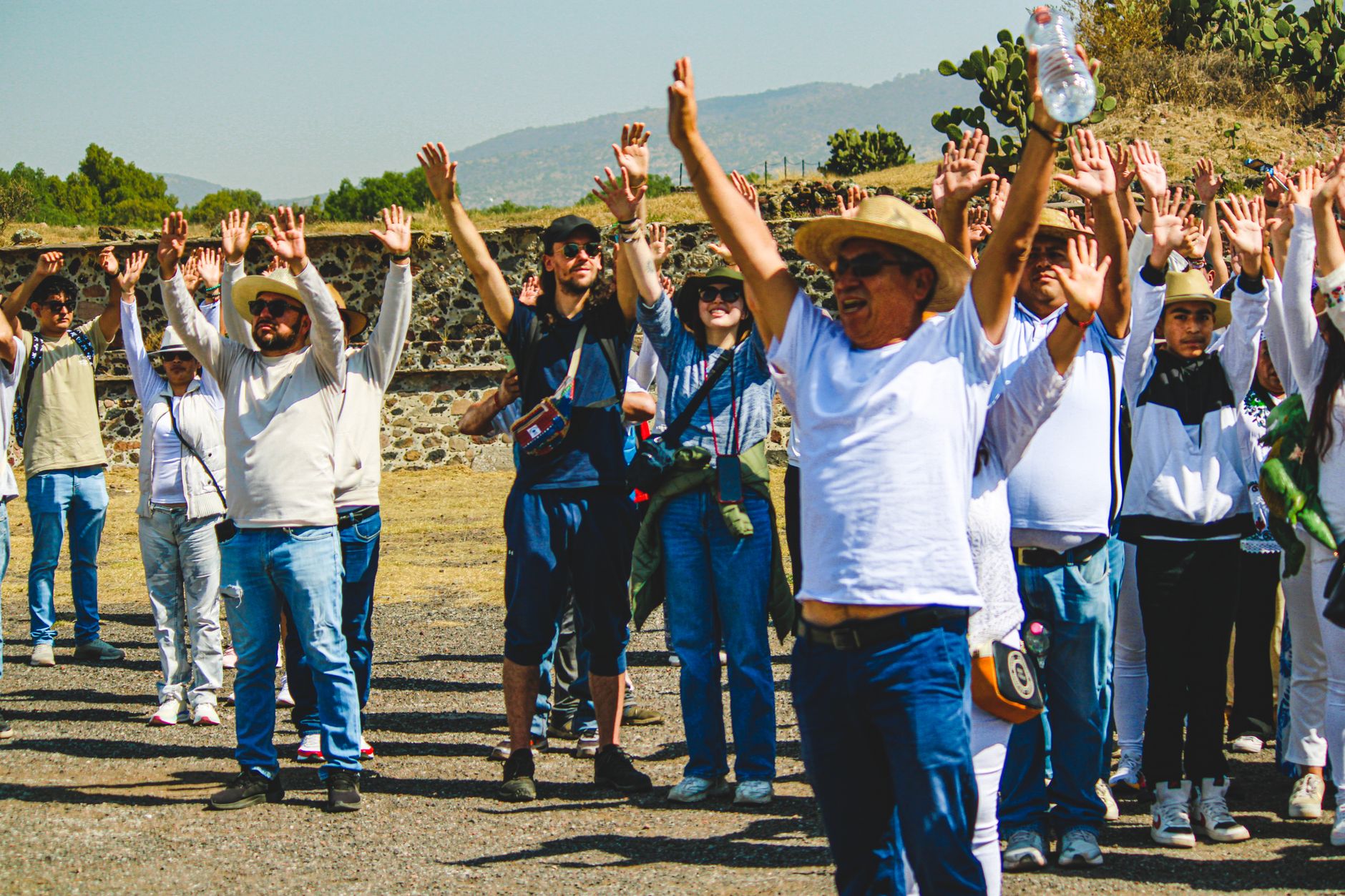
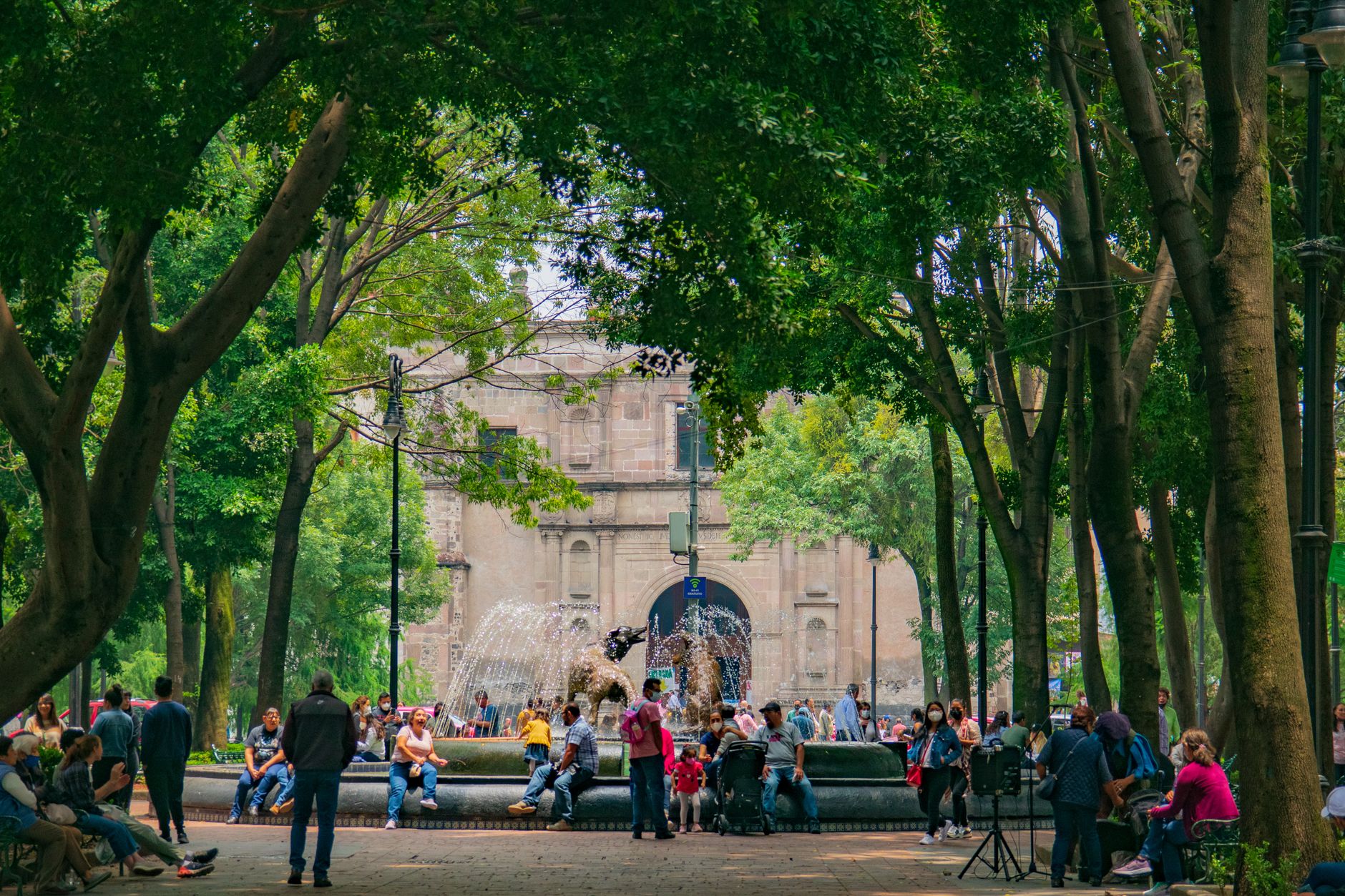
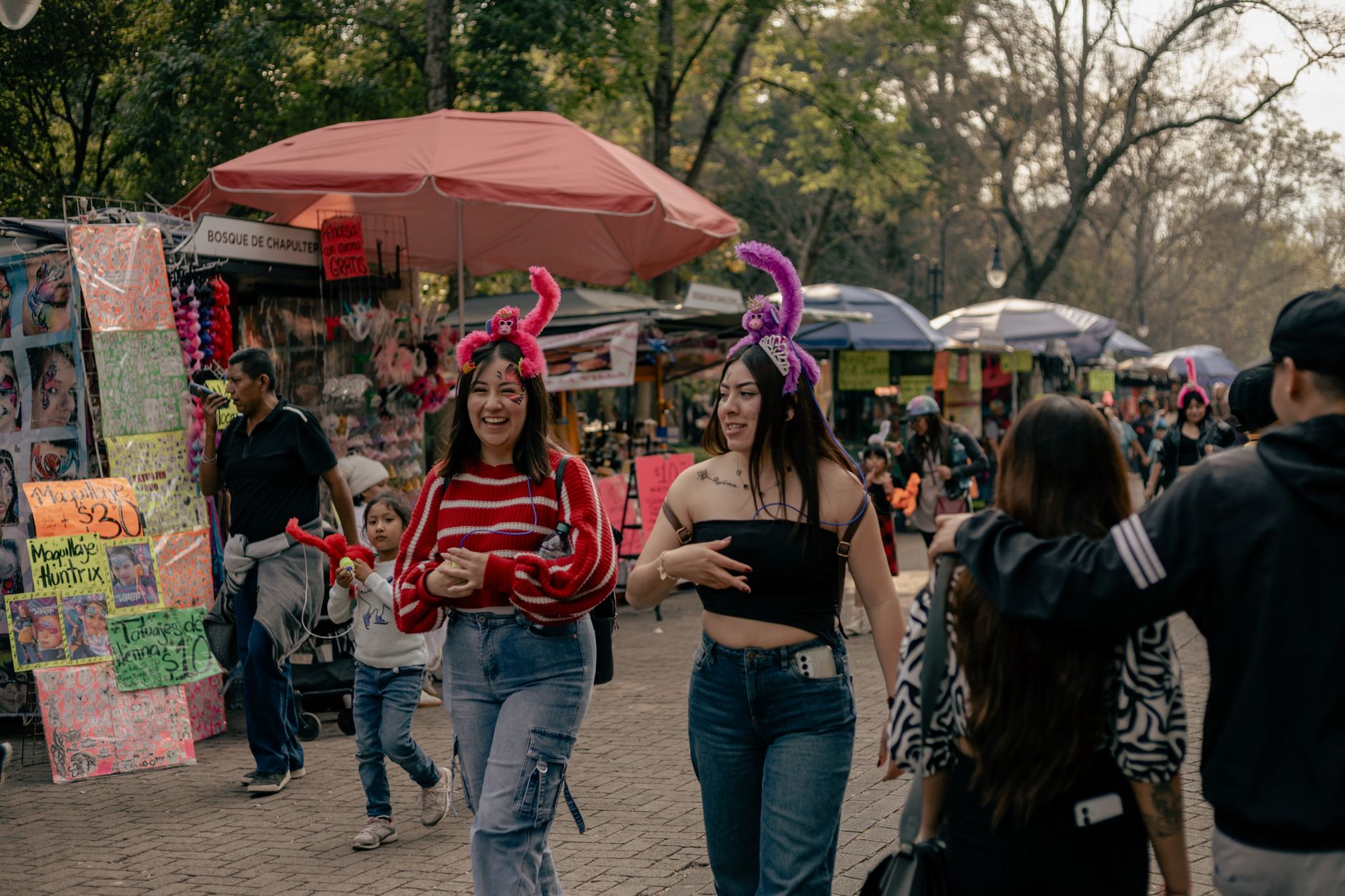
The first thing you notice on Avenida Francisco Sosa is the quiet — a tree-canopied street of colonial facades and art galleries that feels deliberately unhurried, even though some 70,000 people pass through the borough every weekend. Coyoacán was the first capital of New Spain, the place where Hernán Cortés set up his government in 1521 while Tenochtitlan smoldered and was rebuilt a few kilometres north. That founding weight is still present in the cobblestones, the 16th-century monastery, the plazas where the city's artists and intellectuals have always eventually ended up.
💛 What travellers fall for
People who return tend to skip the weekend crowds entirely and come on a Tuesday. They walk Calle Higuera — reputedly the first street the Spanish laid down — stop at the Coyoacán market for lunch, and spend the slow afternoon at the Viveros, the old tree nursery that grew from 2.5 acres to nearly 40 hectares of walking paths.
Deals in Coyoacán
Book directly at the provider


How Coyoacán came to be
The name comes from the Nahuatl Coyohuacan — place of coyotes — and the territory was already layered with history before the Spanish arrived. Tepaneca people had held it for roughly three centuries before the Aztecs took over in the 15th century; that Aztec rule was resented enough that the local Tepanecas welcomed Cortés as an ally. He stayed, and from 1521 to 1523 Coyoacán served as the administrative capital of New Spain while Tenochtitlan was being dismantled and rebuilt into Mexico City.
Construction of the Church of San Juan Bautista began in 1527 and finished in 1550 — it still stands on Plaza Hidalgo. The borough was folded into the Federal District under the 1857 Constitution, lost its status as an independent municipality in 1929, and was formally designated a Zone of Historical Monuments in 1990. Through all of it, the colonial street grid held.
Who and what shaped it
People who shaped it
Landmark buildings
See Coyoacán in motion
Plan your visit
On the map
When to go
Coyoacán sits in the southern reaches of Mexico City at around 2,240 metres elevation, which keeps temperatures mild year-round — warm afternoons, cool evenings regardless of season. May through October brings afternoon rain, often arriving suddenly; November through April is drier and the light on those cobblestone streets tends to be particularly clear.
Right now
Background & history adapted from Wikipedia (CC BY-SA) · specs from Wikidata (CC0) · weather from Open-Meteo · map data © OpenStreetMap contributors · photos from Wikimedia Commons / Unsplash with per-image credit. No third-party reviews or social posts reproduced.