
Corn Islands
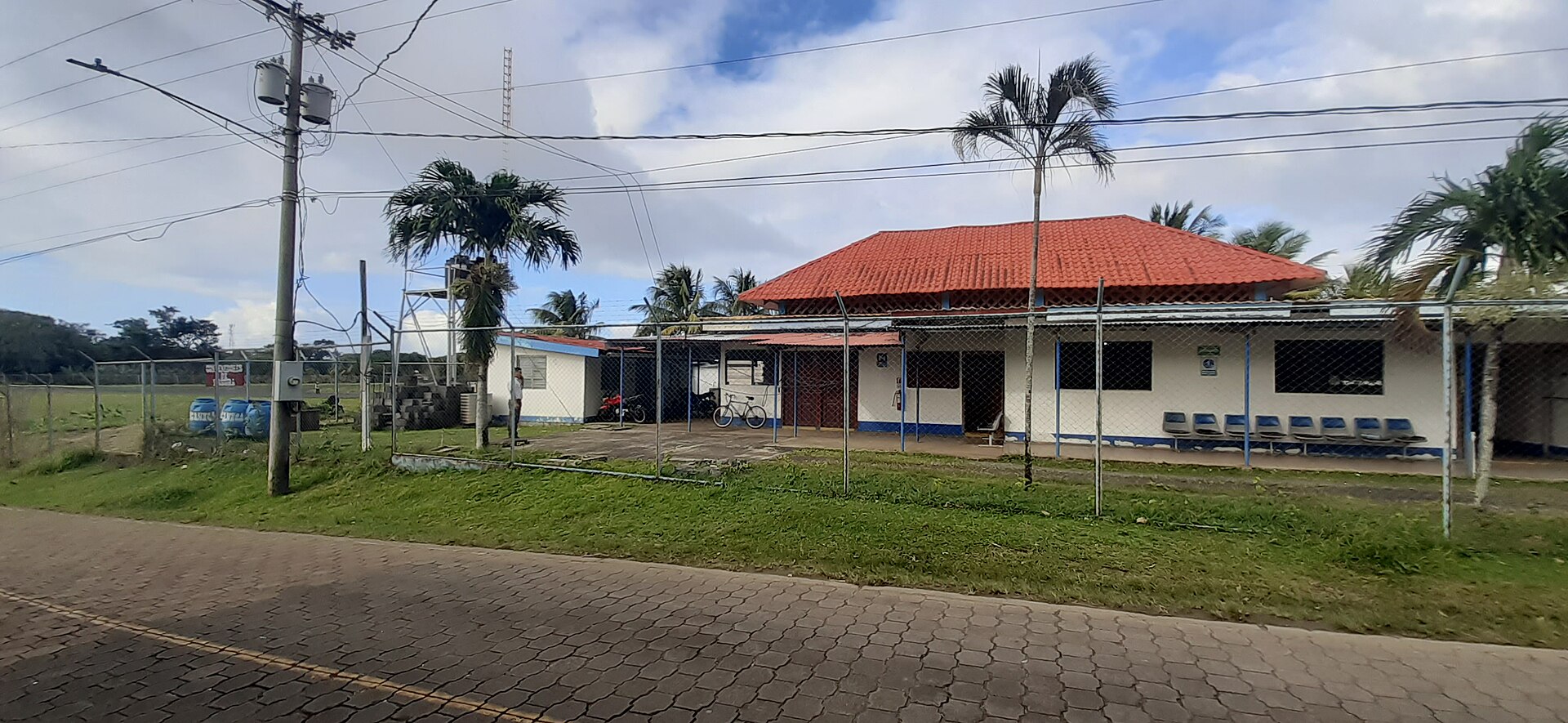
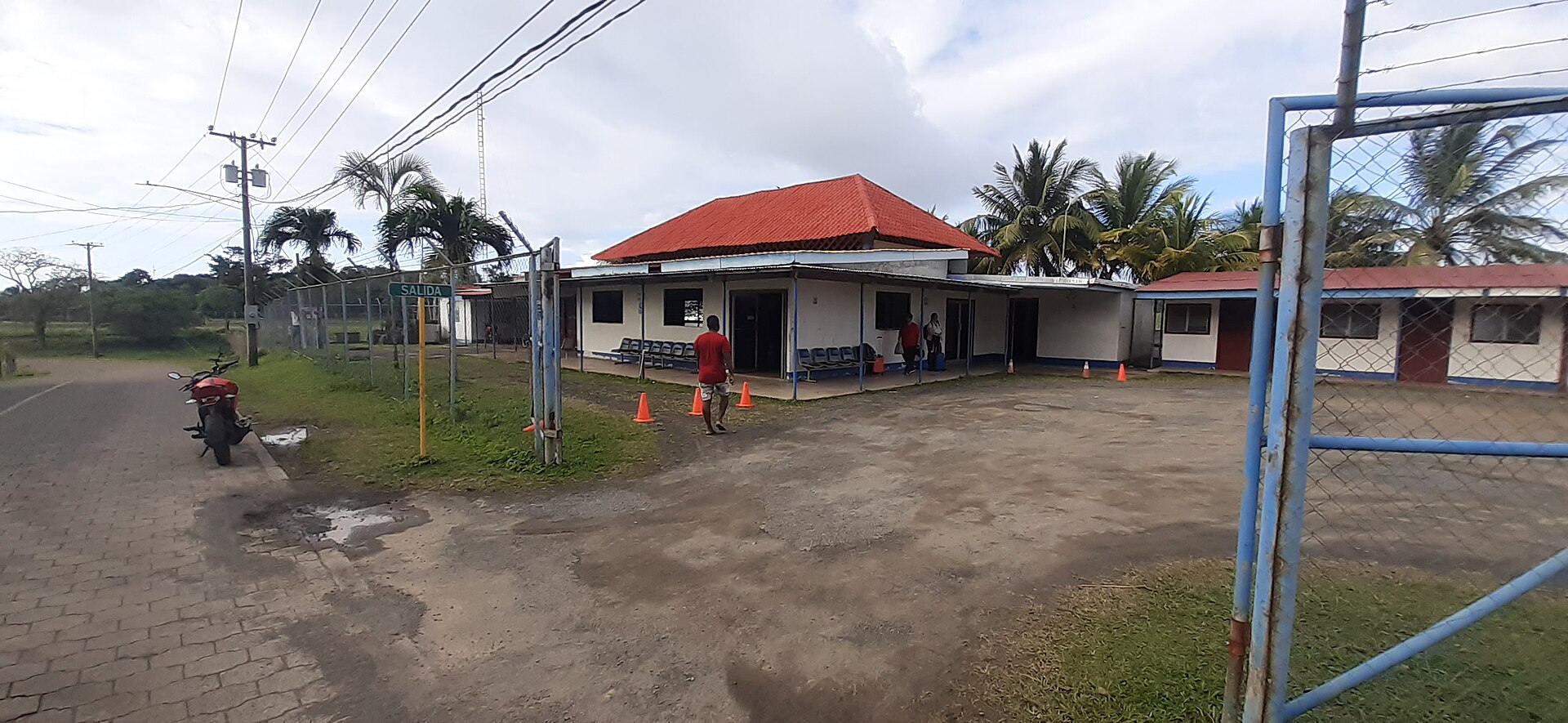
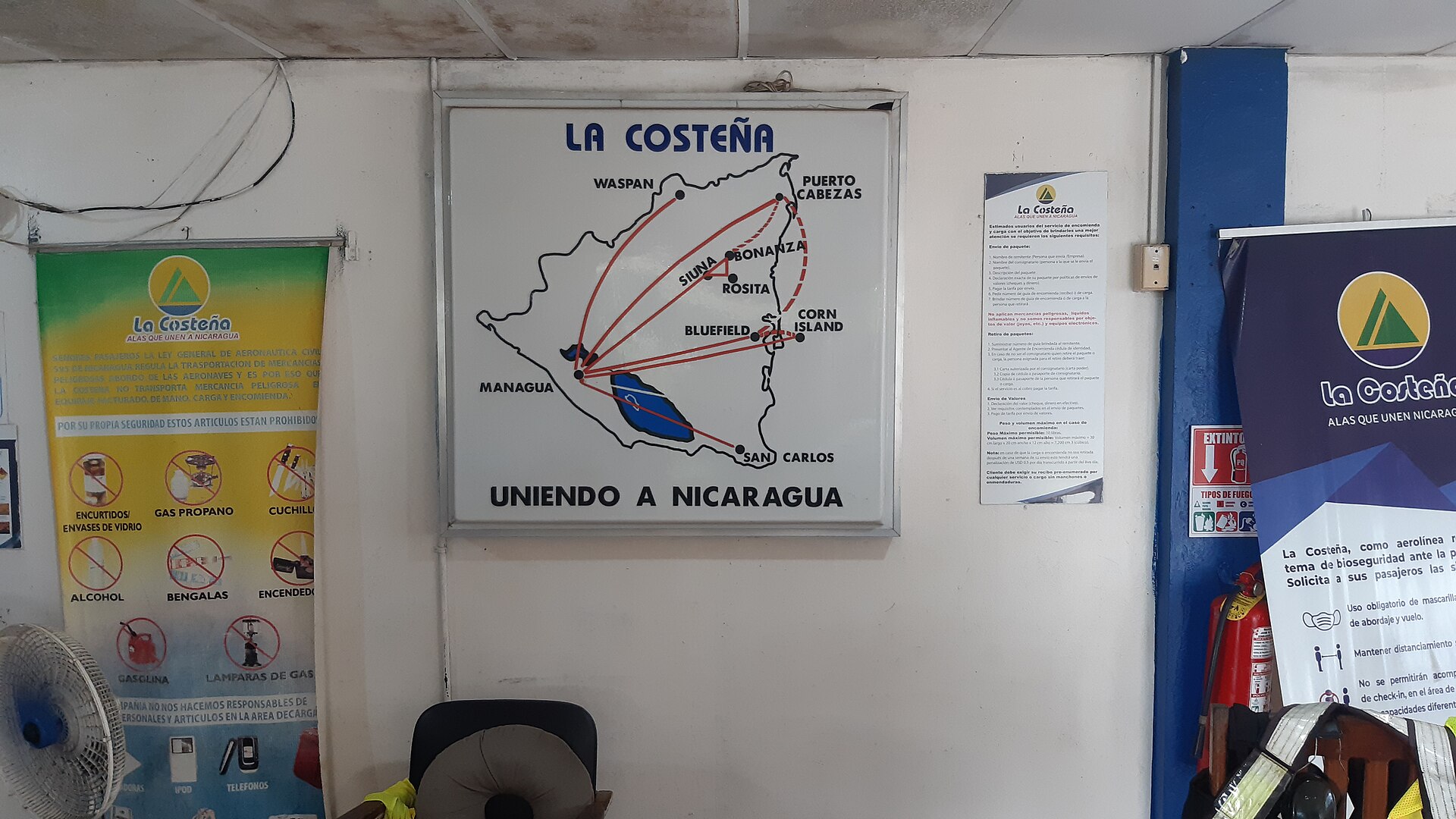
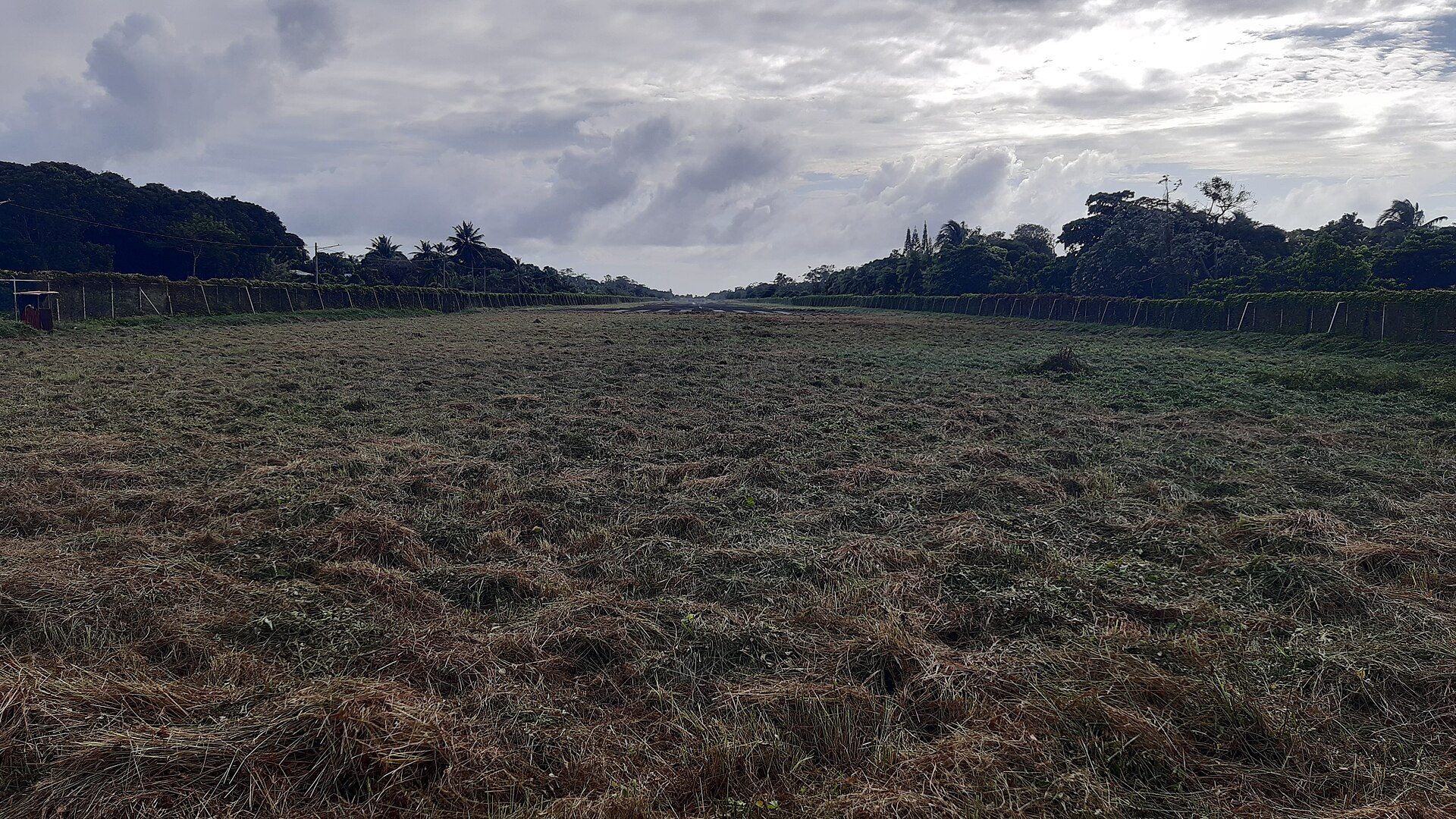
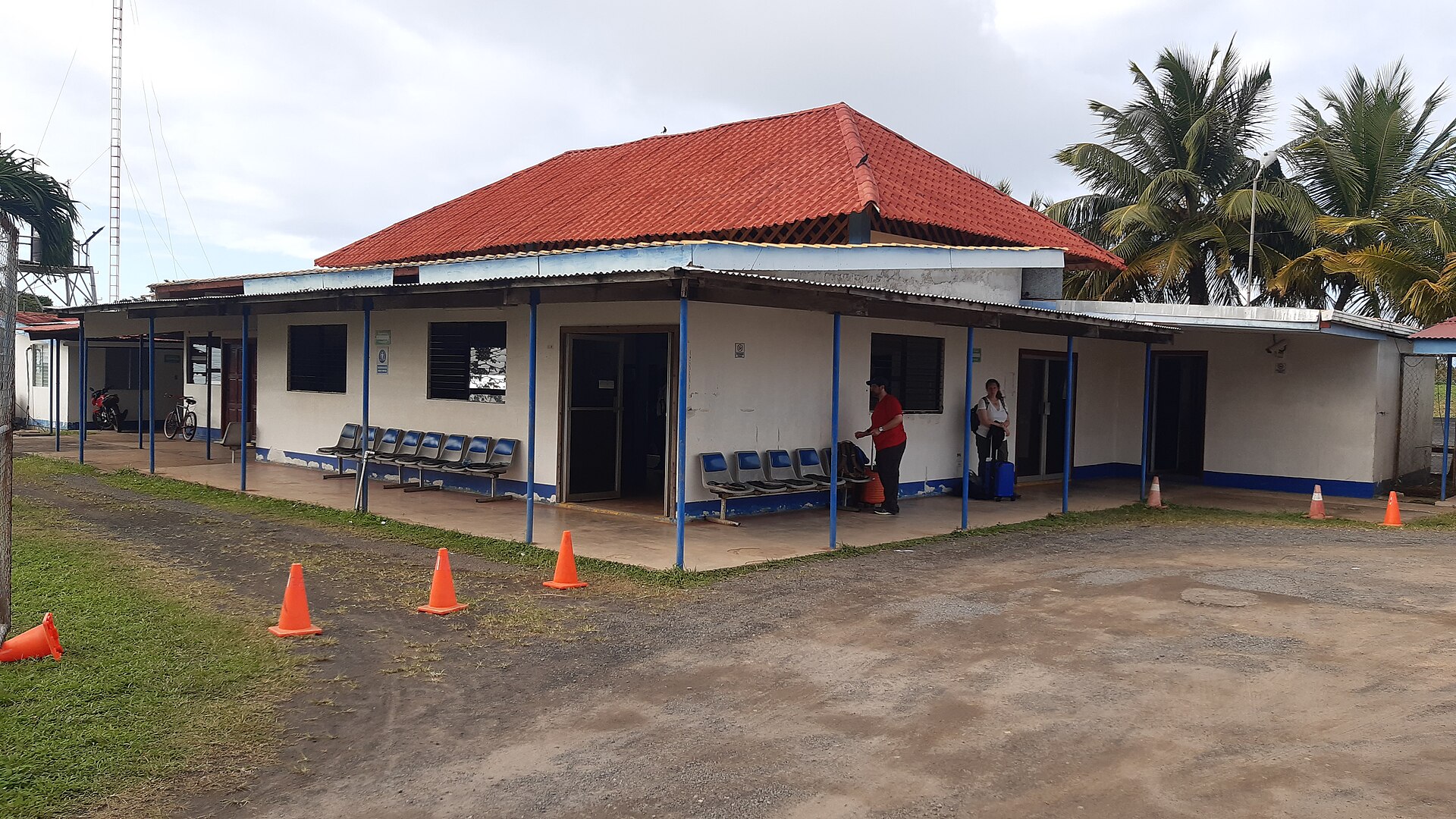
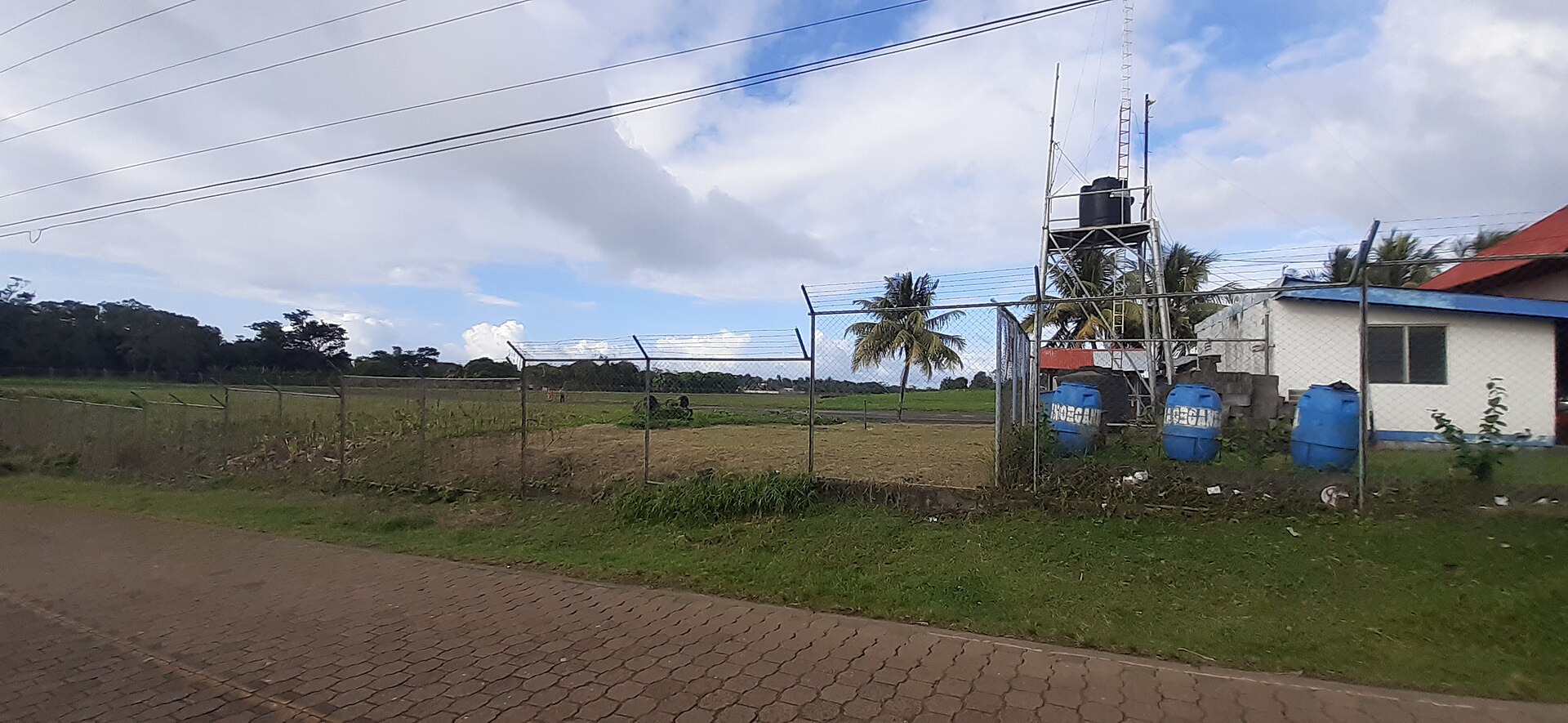
Seventy miles off Nicaragua's Caribbean coast, two small islands sit in water that shifts from green to deep blue depending on how the light falls. Big Corn has a paved road that loops its circumference in about twelve kilometres, taxis that cost twenty cordobas a ride, and a hill called Quinn Hill — 113 metres up — where people once watched for pirate ships. Little Corn has no motor vehicles at all.
The culture here is Afro-Caribbean before it is Nicaraguan: English-based Creole runs alongside Spanish, Baptist and Episcopal churches anchor the communities, and the cooking leans toward the sea. These islands have been Miskito territory, a British protectorate, a U.S. lease, and a Nicaraguan municipality — all of that history layered into a place with fewer than eight thousand people.
How Corn Islands came to be
The Kukra people were the islands' first inhabitants, later displaced by Miskito communities allied with English buccaneers. Around 1700, British and Scottish settlers arrived from Jamaica, bringing enslaved people with them, and the islands spent more than a century under the Kingdom of Mosquitia as a British protectorate. On August 27, 1841, Colonel Alexander McDonald landed at Insurance Harbour and declared the enslaved laborers free in the name of Queen Victoria. Eleven years later, Reverend Edward Kelly founded Ebenezer Baptist Church and School — the first Christian institution on the islands.
Nicaragua took military control in 1894. Then, under the Bryan-Chamorro Treaty of 1914, the United States leased the islands for 99 years — a lease terminated early in 1971. The Saint James Episcopal Church, founded in 1901, and the lighthouse built during the American period still stand as quiet markers of those layered occupations.
Who and what shaped it
People who shaped it
Landmark buildings
See Corn Islands in motion
Plan your visit
On the map
When to go
The temperature barely moves all year — expect 79°F to 83°F with high humidity — but the season matters: December through April is drier and sunnier, with March the driest month, while May through November brings heavy rain, overcast skies, and occasional tropical storms off the Caribbean.
Right now
Background & history adapted from Wikipedia (CC BY-SA) · specs from Wikidata (CC0) · weather from Open-Meteo · map data © OpenStreetMap contributors · photos from Wikimedia Commons / Unsplash with per-image credit. No third-party reviews or social posts reproduced.