
Conil de la Frontera
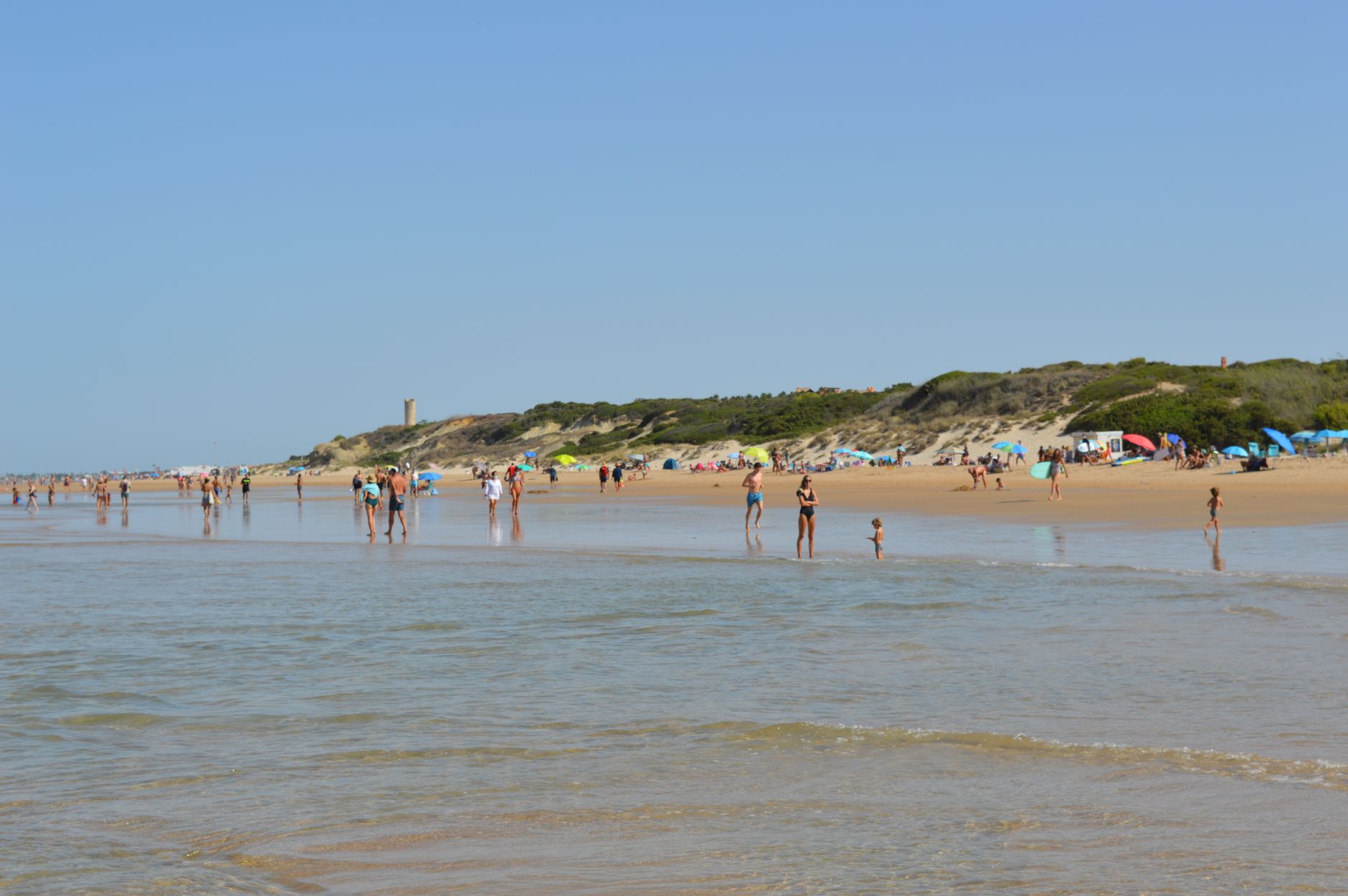
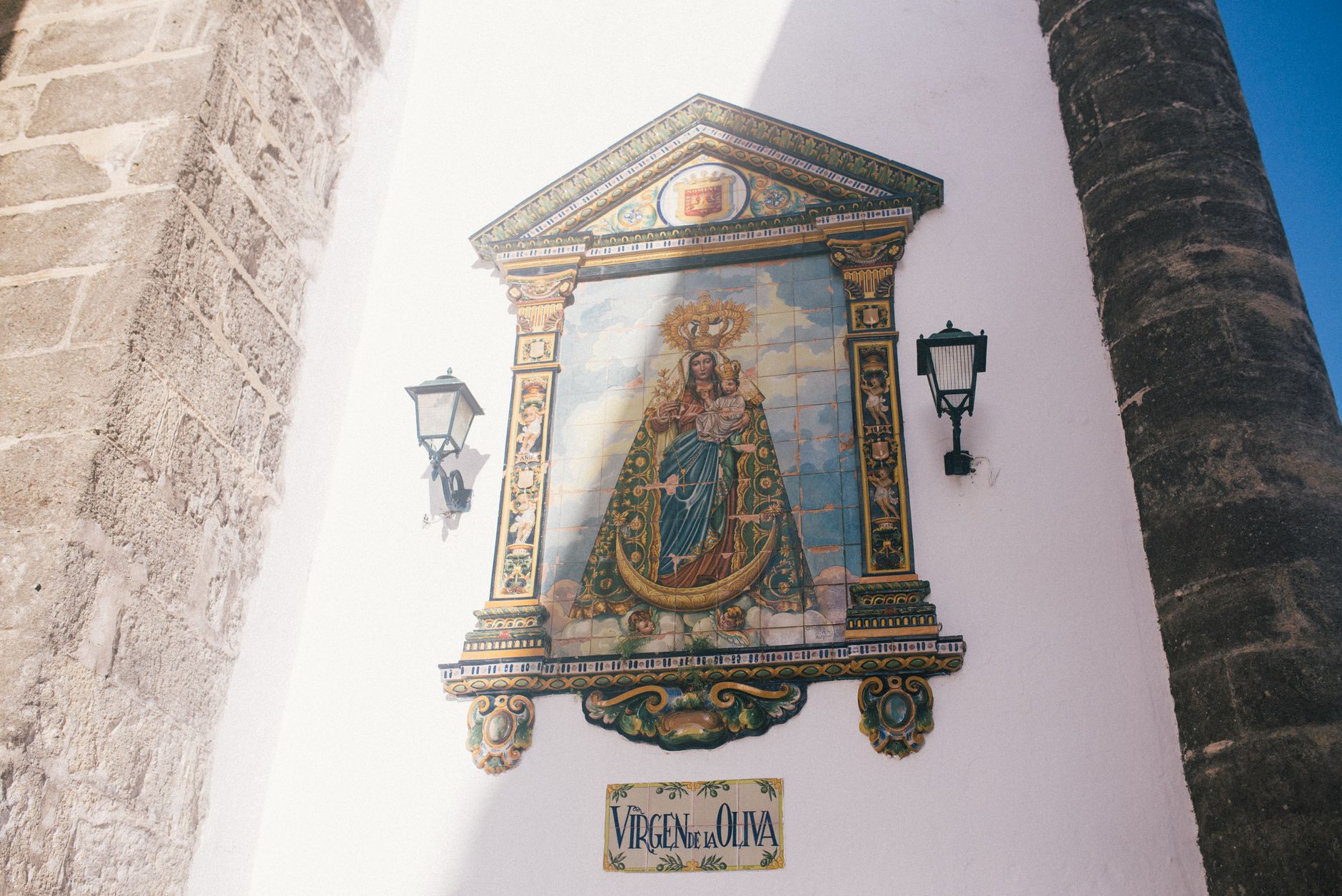
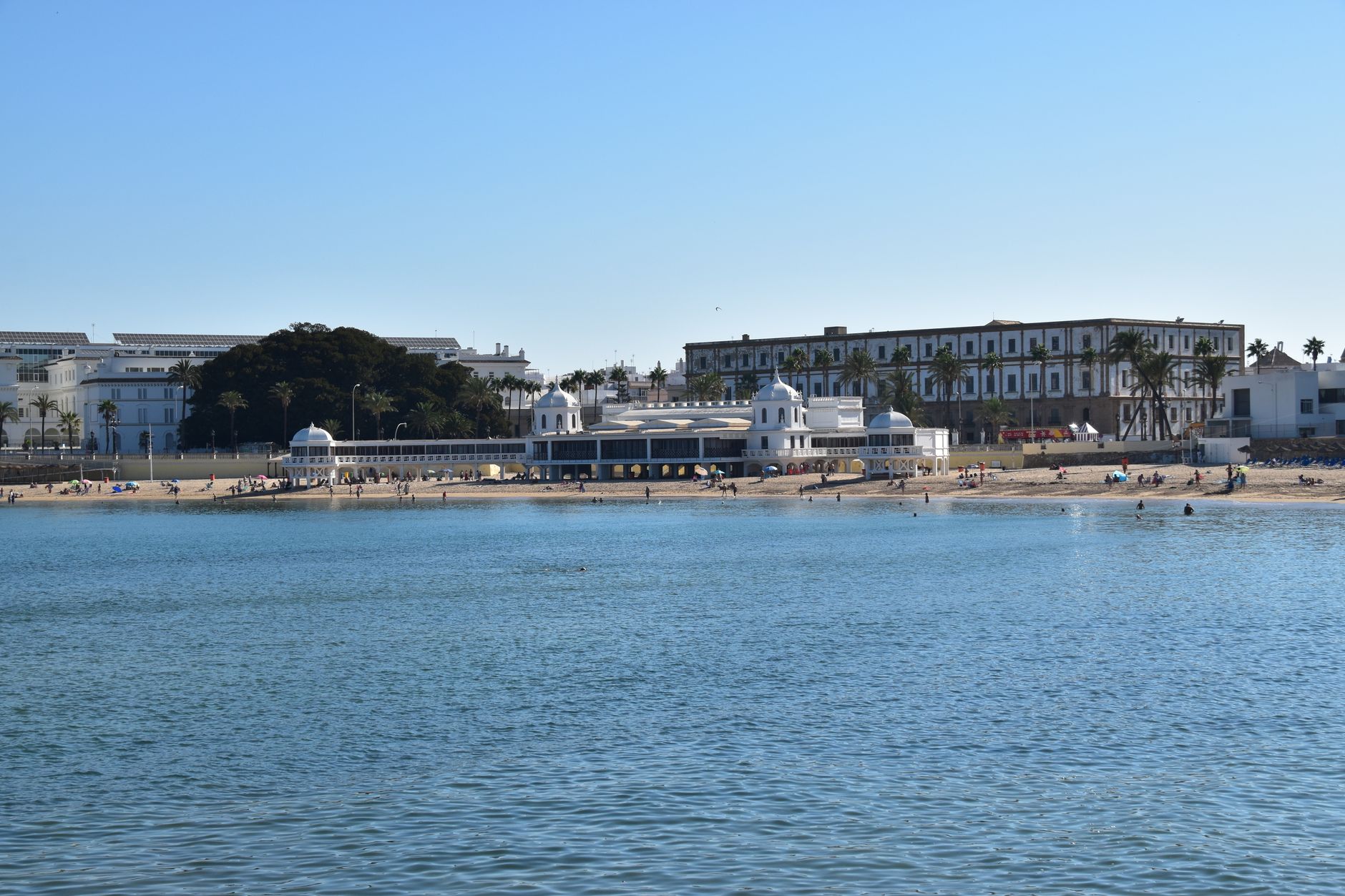
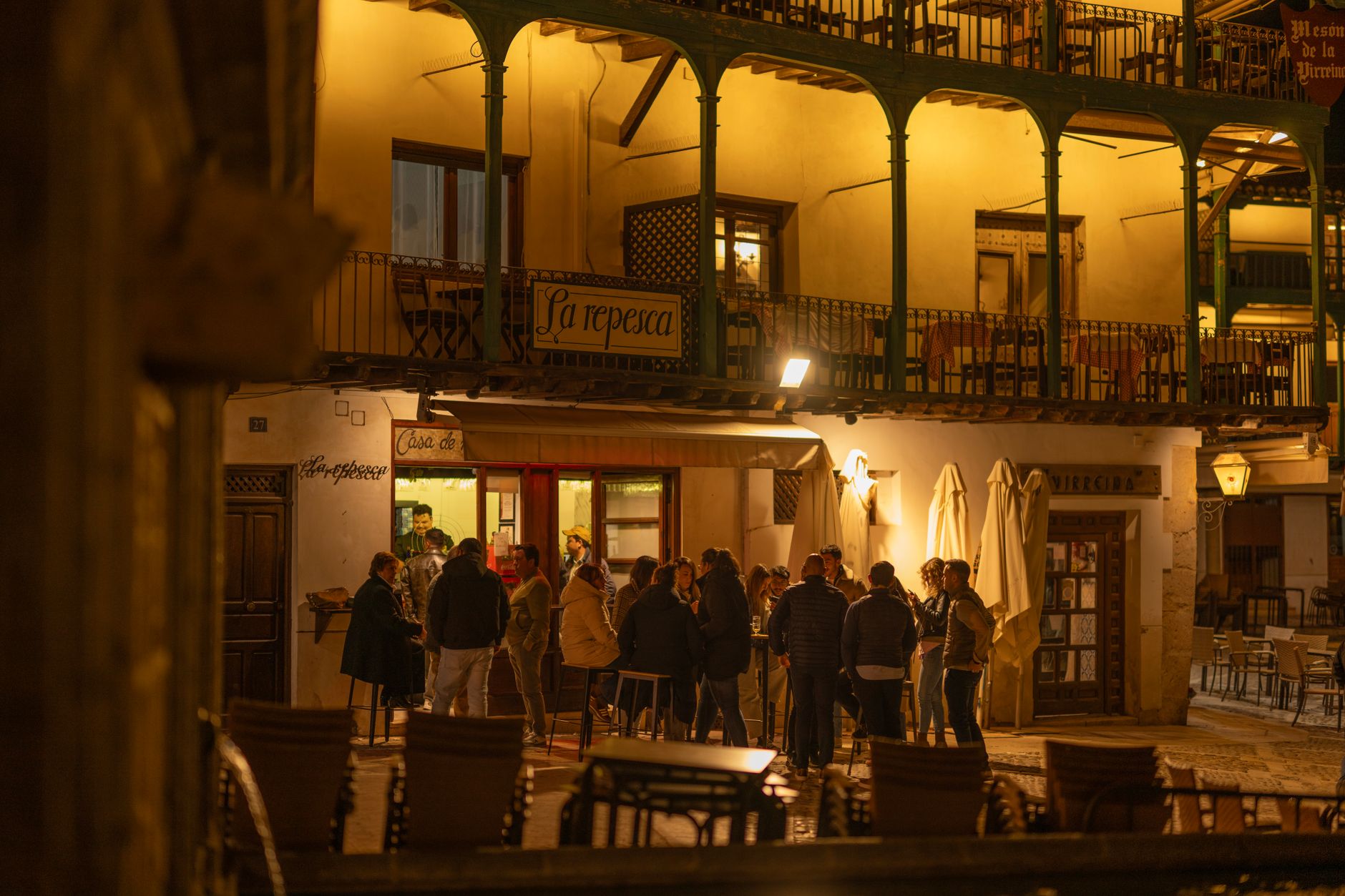
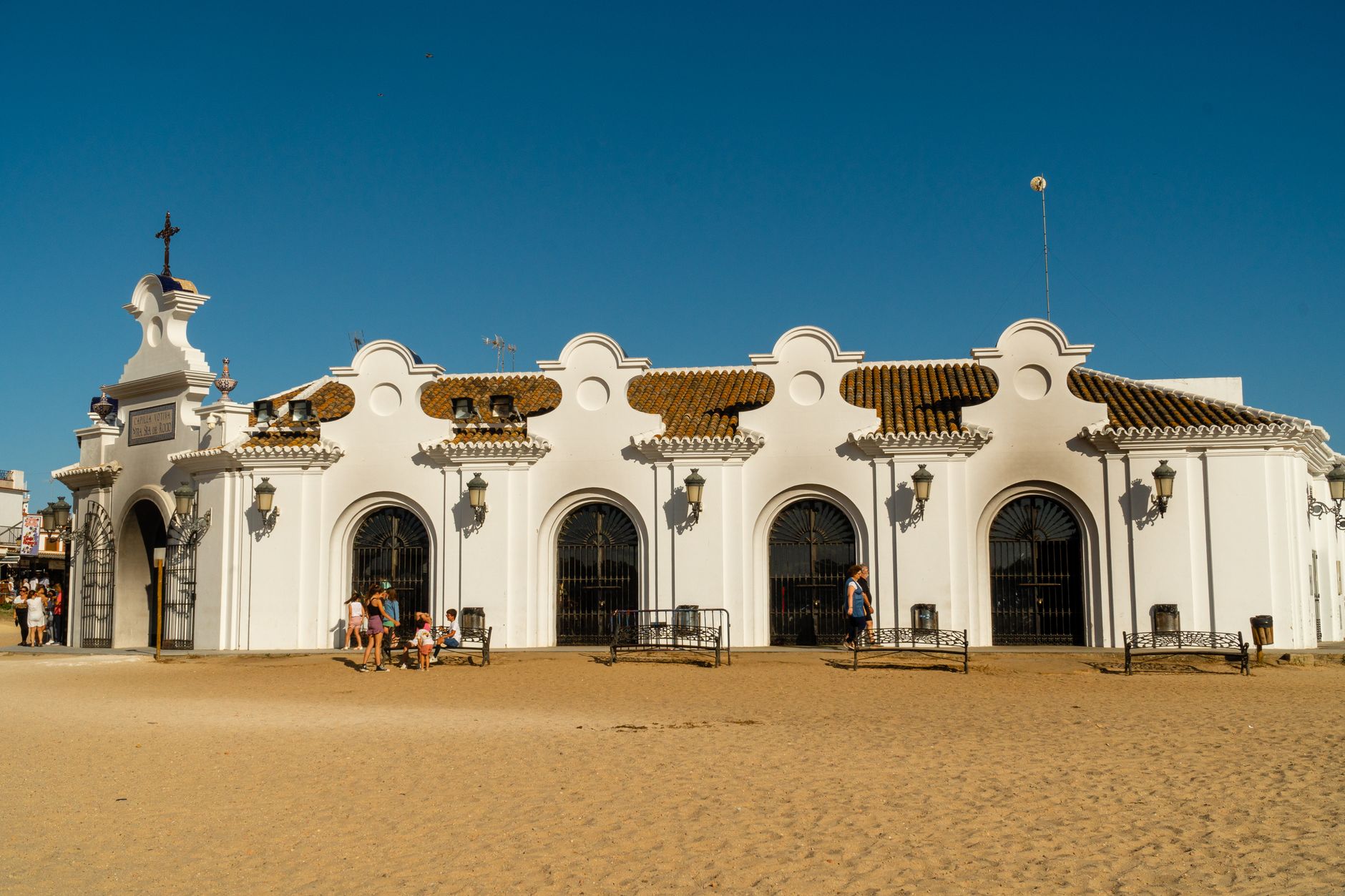
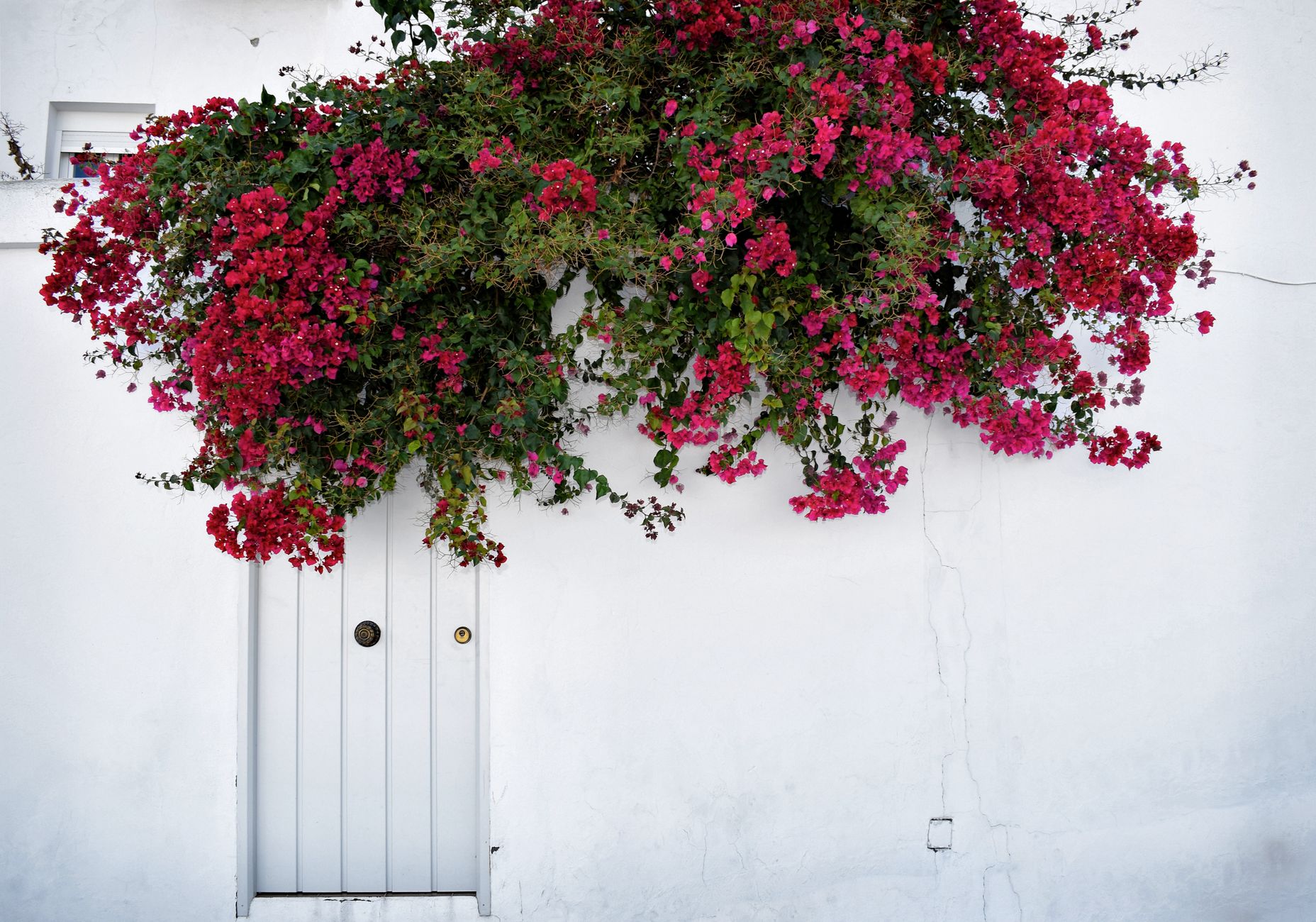
Stand at the edge of Conil de la Frontera on a July morning and the Atlantic is already doing its work — cooling the air, flattening the light, turning the whitewashed lanes a particular shade of bone. This is a town that has always lived by the sea, not just beside it. The Phoenicians arrived around 1200 B.C. and immediately understood the value of the tuna runs; three thousand years later, the almadraba nets still go out each spring.
The old quarter climbs gently from the shore in a tangle of narrow streets that open, without warning, onto plazas anchored by medieval towers and Mudéjar churches. Tourism arrived in the 1960s and never really left, but Conil has absorbed it without losing the grain of a working Andalusian town.
💛 What travellers fall for
People who come back tend to time it for late May or early October — the beaches are yours, the water is warm enough, and you can actually get a table at the tuna restaurants along the seafront. The Torre de Guzmán is worth climbing in the early evening, when the light drops low over the coast and the Atlantic turns copper.
Deals in Conil de la Frontera
Book directly at the provider
How Conil de la Frontera came to be
The Phoenicians founded a settlement here around 1200 B.C., drawn by the seasonal bluefin tuna migrations and the possibilities of the almadraba, a net-based trap-fishing method still practised today. Roman occupation deepened the town's maritime economy; the coastline fed into the production of garum, the fermented fish sauce that moved along the Via Herculea trade route across the ancient Mediterranean.
Muslim rule began in 711 A.D. and lasted until the Christian reconquest of 1265, after which the suffix 'de la Frontera' was added — a marker that the town sat on the contested border between Castilian and Nasrid territory. It was Juan Alonso Pérez de Guzmán who first governed under King Ferdinand IV and ordered the construction of the Torre de Guzmán, the defensive wall, and the Bastion. That tower, built in the early 14th century, remained so central to local identity that Conil was known as Conil-Torre de Guzmán until the 17th century.
Who and what shaped it
People who shaped it
Landmark buildings
See Conil de la Frontera in motion
Plan your visit
On the map
When to go
Conil sits in a hot-summer Mediterranean zone, but the Atlantic keeps temperatures honest — January days average around 16 °C and July peaks at about 29 °C, with the ocean rarely rising above 23 °C even in August. July is bone dry; December is the rainiest month with around ten wet days. The most comfortable windows for visiting are April through June and September through November, when temperatures settle between 20 °C and 26 °C and the coast is far less crowded.
Right now
Background & history adapted from Wikipedia (CC BY-SA) · specs from Wikidata (CC0) · weather from Open-Meteo · map data © OpenStreetMap contributors · photos from Wikimedia Commons / Unsplash with per-image credit. No third-party reviews or social posts reproduced.