
Coll d'en Rabassa
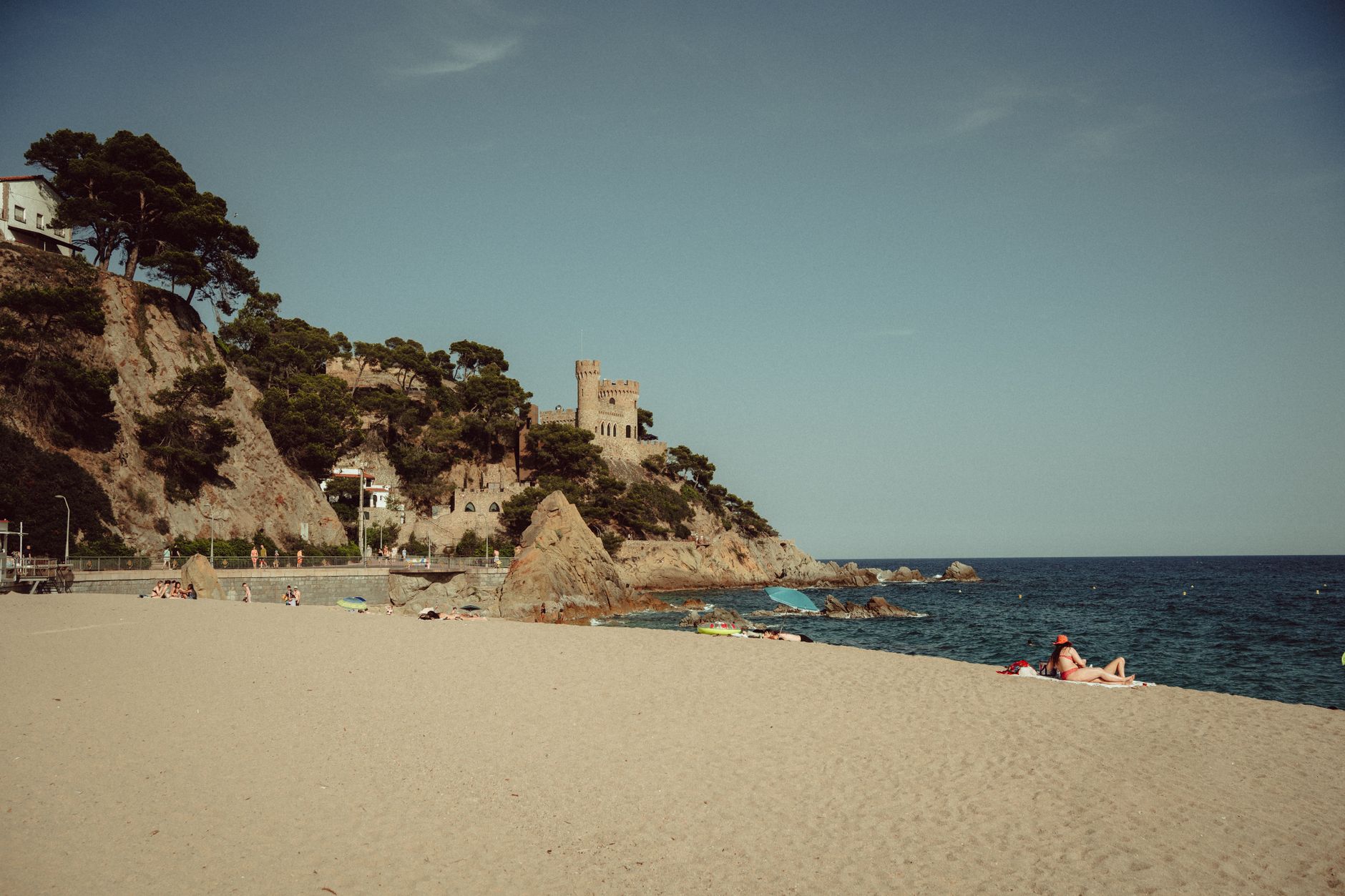
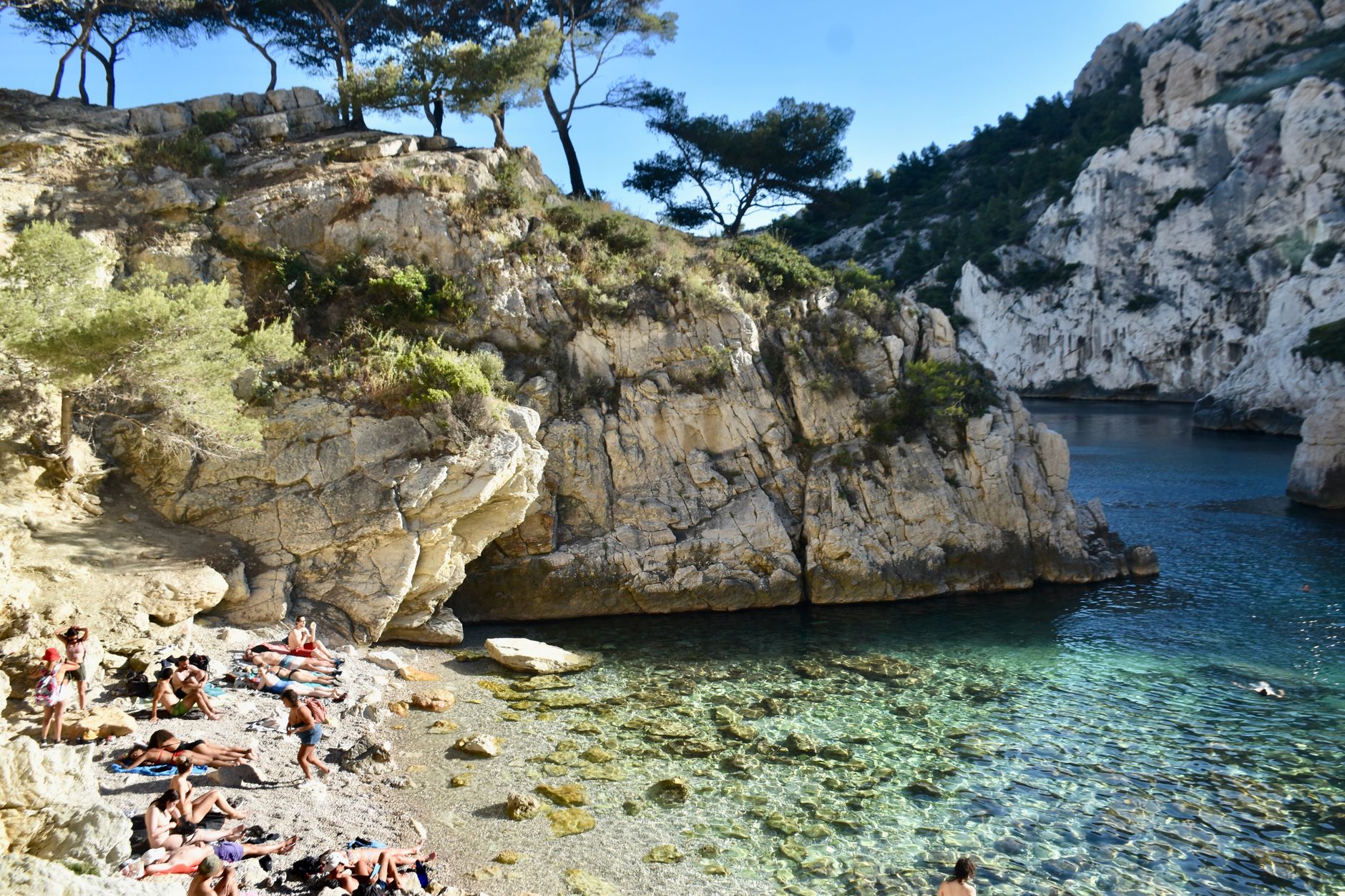
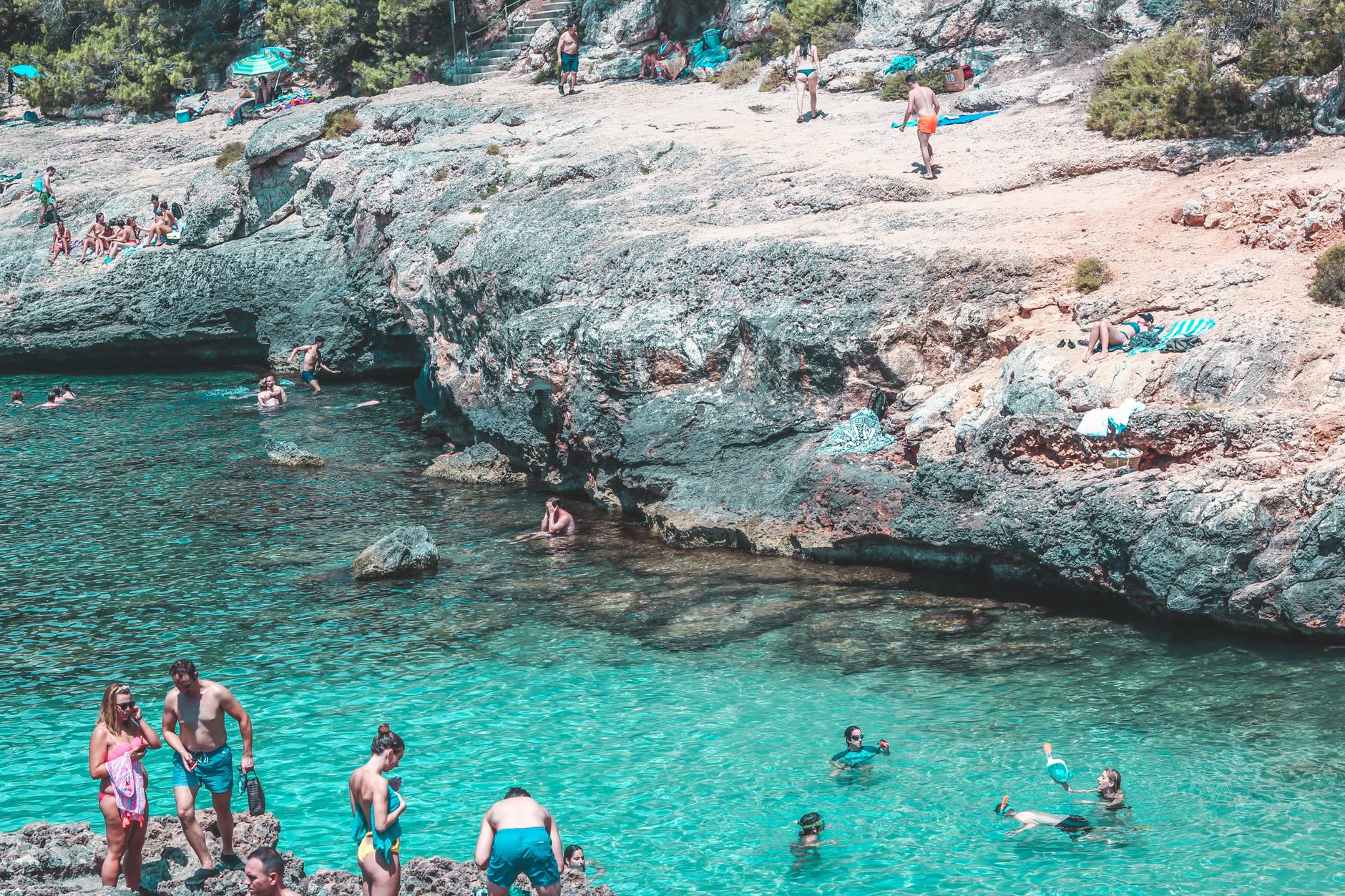
The clock on the bell tower of Our Lady of Carmen didn't come from a clockmaker — it came from the old train station, salvaged when the line closed and rehung above a neighborhood that built itself around that same railway. Coll d'en Rabassa sits about six kilometres southeast of Palma's centre, facing the bay, and it carries that particular texture of a place that grew up practical rather than pretty: coastal housing for working families, a quarry that supplied stone for Palma's cathedral, a military tower repurposed as a park.
Today around eleven thousand people live here, and the neighborhood moves at its own pace — market mornings on Wednesdays and Saturdays, the July feast of the Virgin of Carmen pulling the whole street into procession, buses running every twenty minutes into the city.
💛 What travellers fall for
People who come back tend to time it around July 16, when the Feast of the Virgen del Carmen fills the streets near the church with processions that feel genuinely local rather than staged. The Wednesday market is the quieter repeat visit — arrive before ten for the fruit stalls, then walk down toward Es Carnatge before the midday heat sets in.
Deals in Coll d'en Rabassa
Book directly at the provider


How Coll d'en Rabassa came to be
The name traces back to Berenguer Rabassa, a medieval landowner who received land here through the Repartiment — the post-conquest redistribution of Mallorcan territory carried out by James I in the thirteenth century. The toponym appears in documents as early as 1343. For centuries the area remained agricultural and peripheral.
Real development came in two waves. In the nineteenth century, as Palma demolished its old walls and expanded outward, modest coastal housing began to appear. Reverend Bartolomé Castell pushed for a proper church; the first part of Our Lady of Carmen was blessed on September 8, 1885, its campaniles attributed to architect Pere d'Alcàntara Penya, though one tower was never completed. Then on October 6, 1916, the Palma–Llucmajor train line opened with a stop at Coll de Rabasa, and the neighborhood filled in quickly: schools, cinemas, bars, small industries followed the tracks.
Who and what shaped it
People who shaped it
Landmark buildings
See Coll d'en Rabassa in motion
Plan your visit
On the map
When to go
Winters are mild and mostly sunny, with daytime temperatures around 14°C and almost no risk of frost. Spring warms steadily from March into May, when days reach the low twenties — the most comfortable season for walking the coastal path at Es Carnatge. Summer is hot and dry, July and August pushing well above 30°C at midday.
Right now
Background & history adapted from Wikipedia (CC BY-SA) · specs from Wikidata (CC0) · weather from Open-Meteo · map data © OpenStreetMap contributors · photos from Wikimedia Commons / Unsplash with per-image credit. No third-party reviews or social posts reproduced.