
Ciudad Amurallada (Walled City)
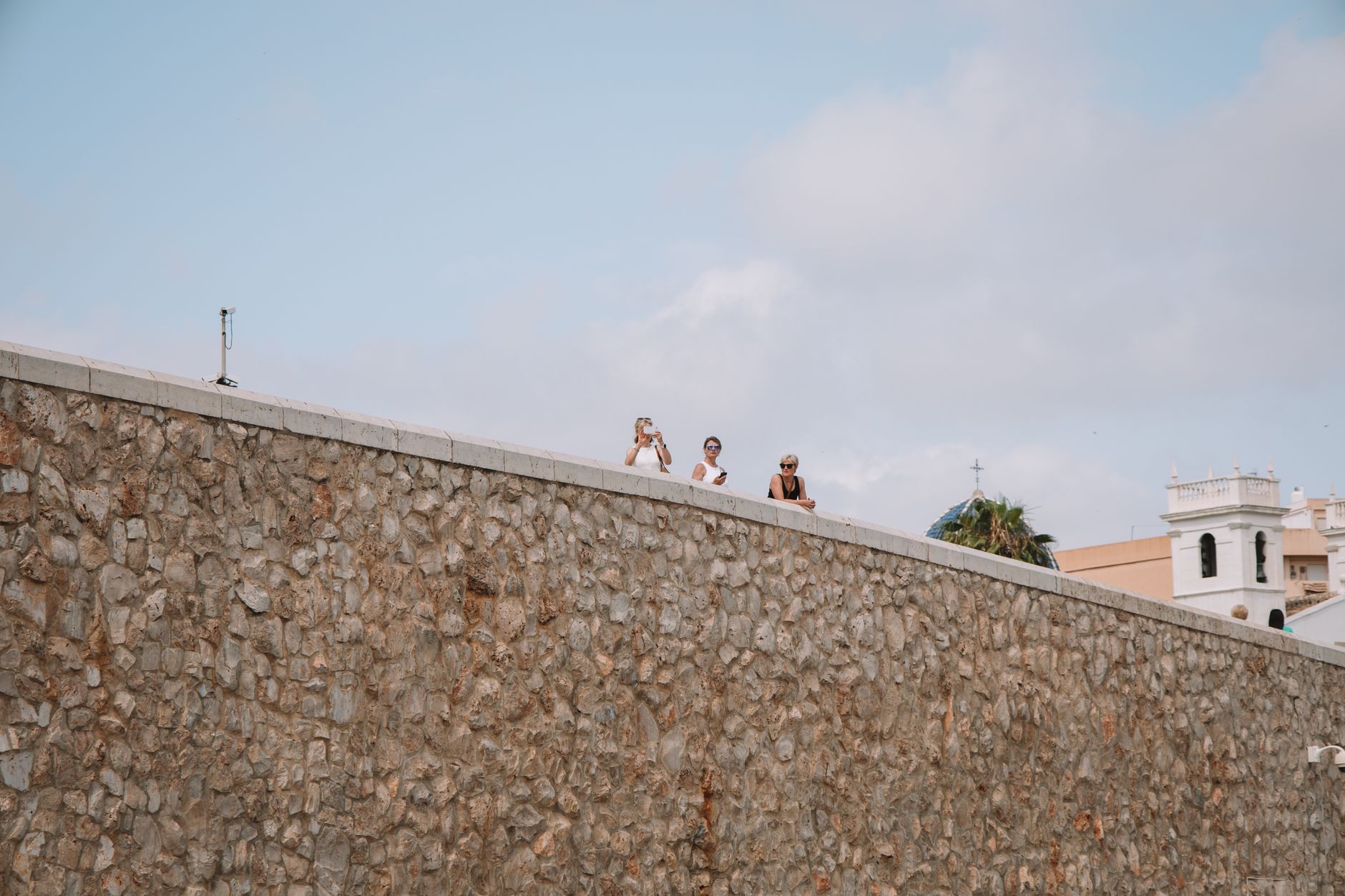
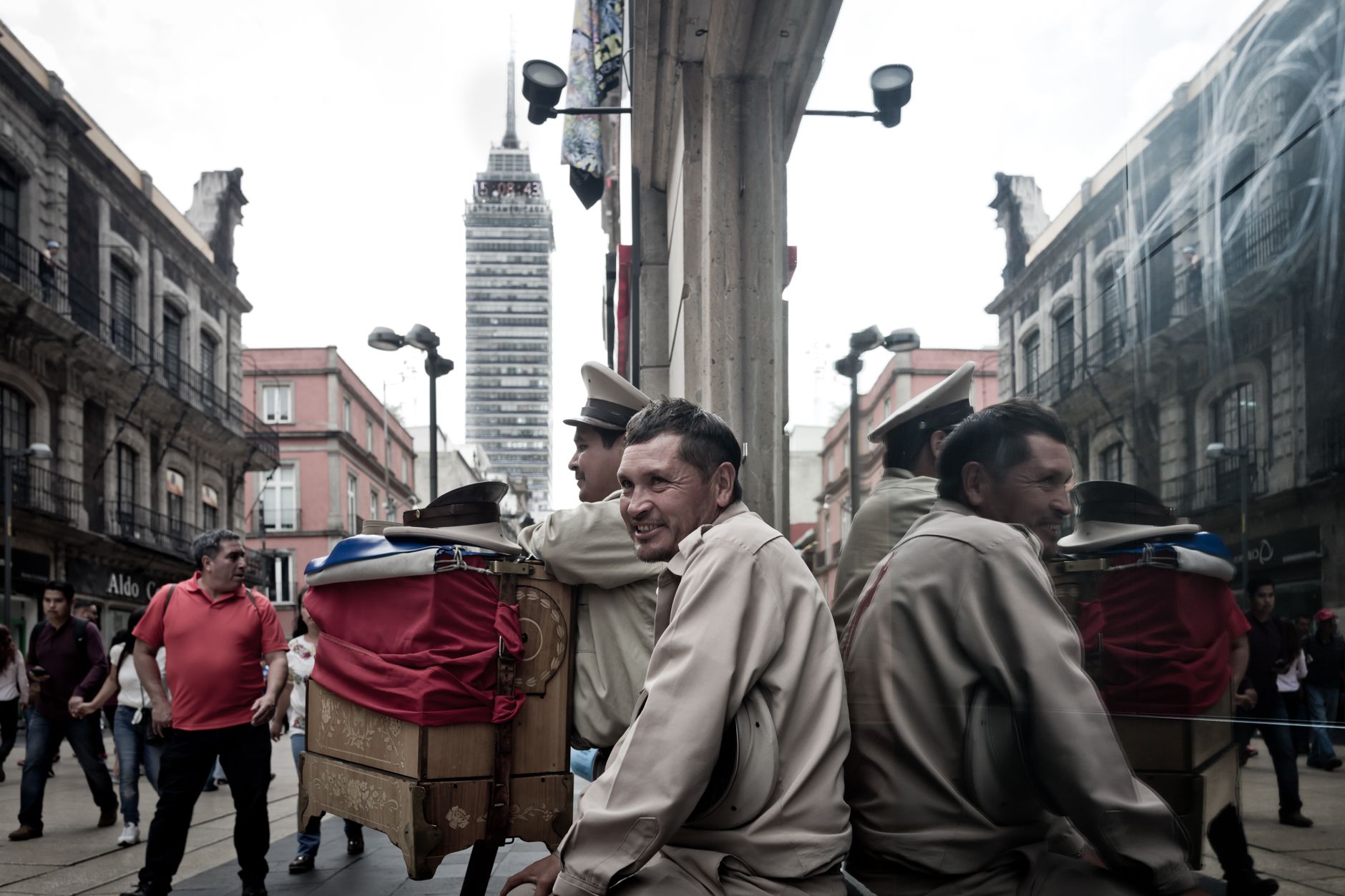

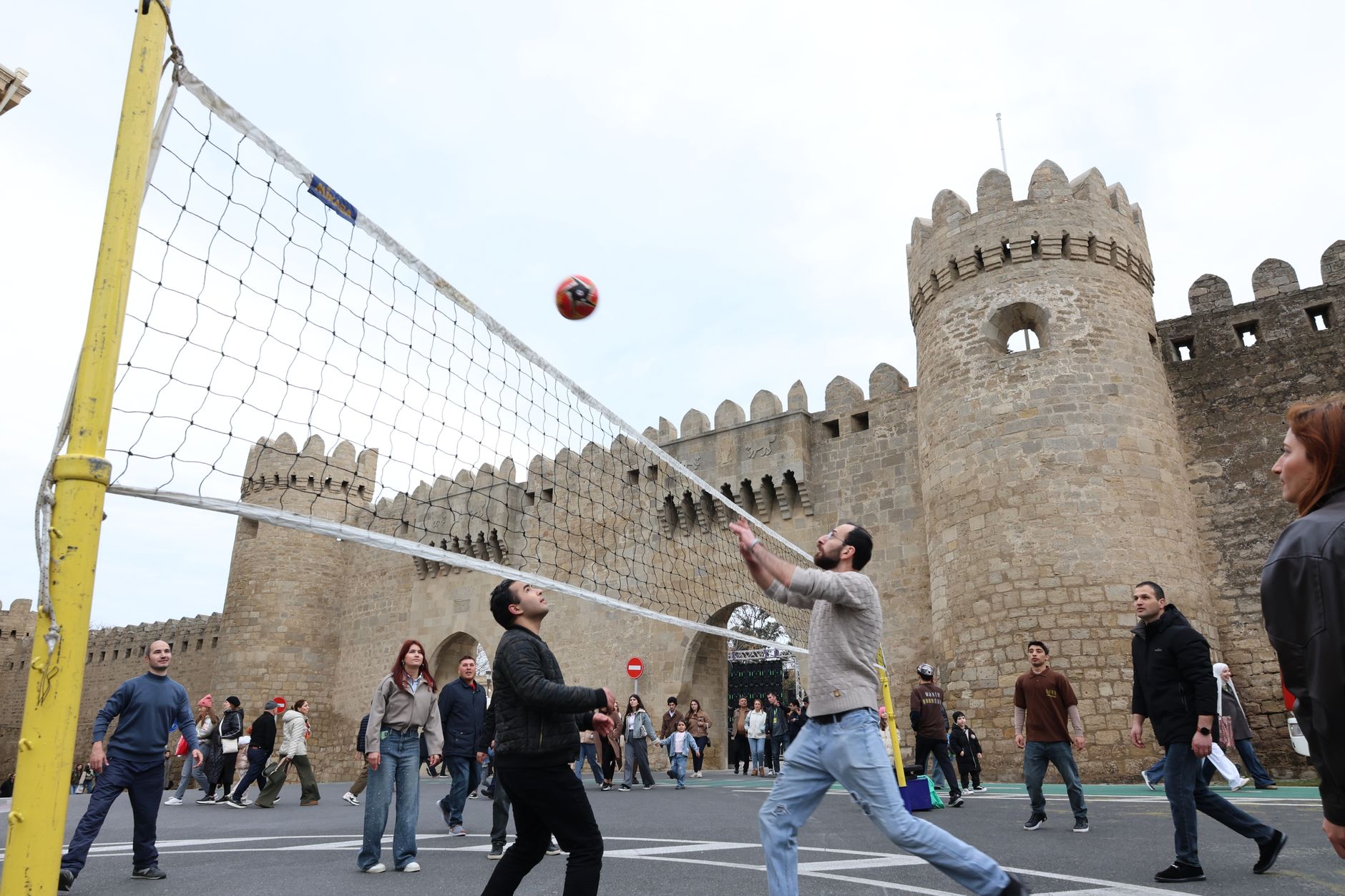
The walls are the first thing you notice — ochre and coral-pink, rising from the Caribbean edge of the city in a continuous loop that took over two centuries to close. Walk the top of Las Murallas at dusk and you get the whole picture at once: the cathedral's yellow dome, the tangle of balconied streets below, the sea catching the last light beyond the ramparts.
Inside those eleven kilometres of stone, Cartagena's Walled City holds its colonial grid largely intact. Plazas open without warning between narrow streets. A Botero bronze sits in one of them as casually as a park bench. The scale is human — you can cross the whole thing on foot in twenty minutes, which means you keep circling back.
💛 What travellers fall for
People who return tend to anchor their mornings at Plaza Santo Domingo before the heat settles in, then climb the walls again in the late afternoon when the light goes sideways and the stone turns gold. The tip-based walking tours, bookable a day ahead, consistently surface details about the siege of 1815 that no sign bothers to explain.
Deals in Ciudad Amurallada (Walled City)
Book directly at the provider


How Ciudad Amurallada (Walled City) came to be
Pedro de Heredia founded the city on 1 June 1533, on the site of a Calamar indigenous settlement. Within decades it was one of Spain's most important ports in the Americas — and a target. Francis Drake's bombardment in 1586 damaged the cathedral mid-construction and helped trigger the decision to fortify the city properly. Italian military engineer Battista Antonelli designed the wall system that same year; it took until the late eighteenth century to complete.
The walls held, but independence came from within. Cartagena declared itself free from Spain on 11 November 1811. Four years later, Spanish general Pablo Morillo arrived and laid siege for three months — starvation and disease did what artillery could not. The city eventually became part of the Republic of Colombia, and in 1984 UNESCO recognised the fortification system as a World Heritage Site.
Who and what shaped it
People who shaped it
Landmark buildings
See Ciudad Amurallada (Walled City) in motion
Plan your visit
On the map
When to go
Cartagena sits close to the equator and stays hot year-round, with temperatures rarely dipping below 26°C. The drier months run roughly December through April, which brings steadier breezes off the sea; the wet season (May through November) brings afternoon downpours that pass quickly but make midday on the walls genuinely punishing.
Right now
Background & history adapted from Wikipedia (CC BY-SA) · specs from Wikidata (CC0) · weather from Open-Meteo · map data © OpenStreetMap contributors · photos from Wikimedia Commons / Unsplash with per-image credit. No third-party reviews or social posts reproduced.