
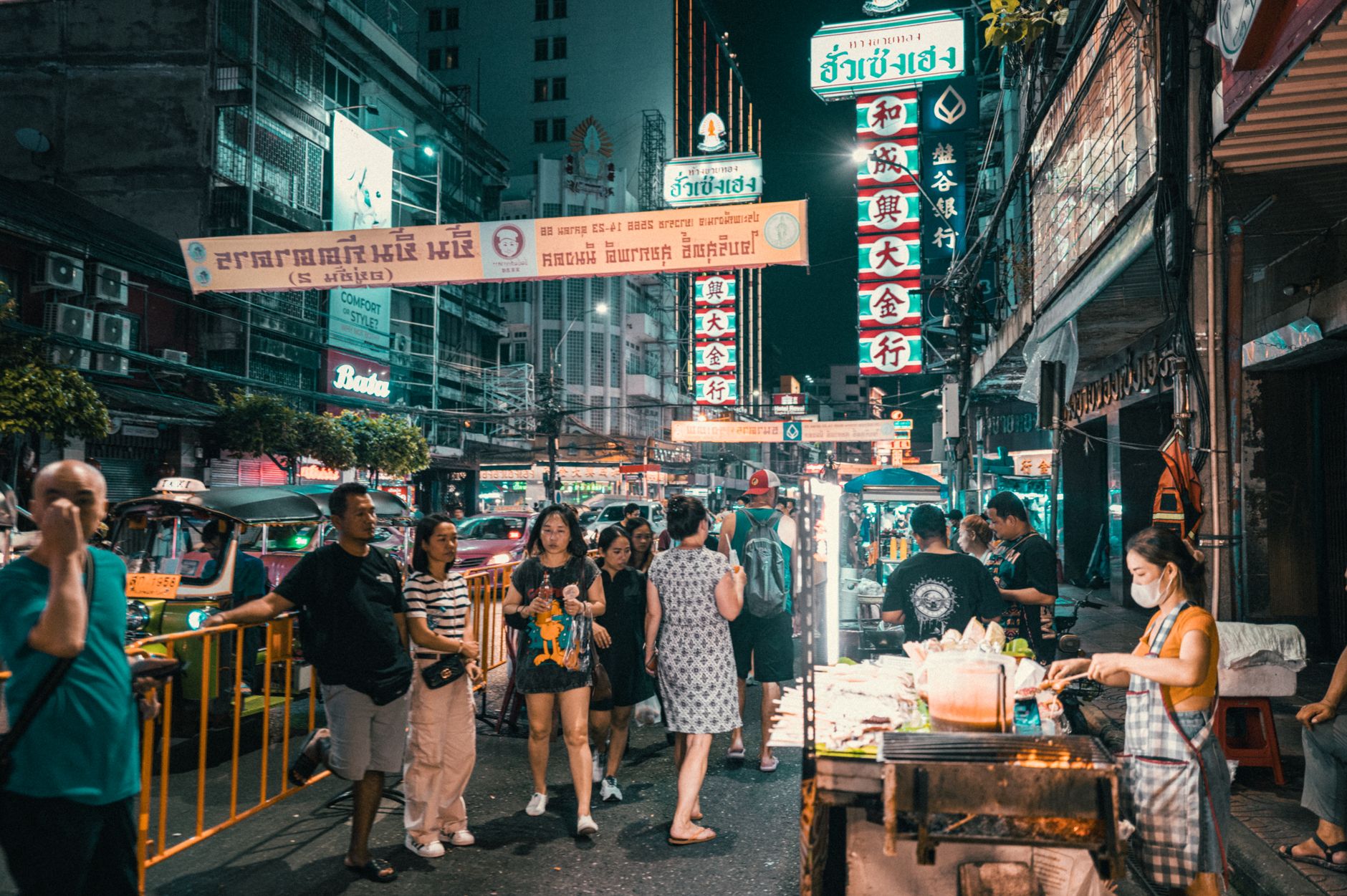
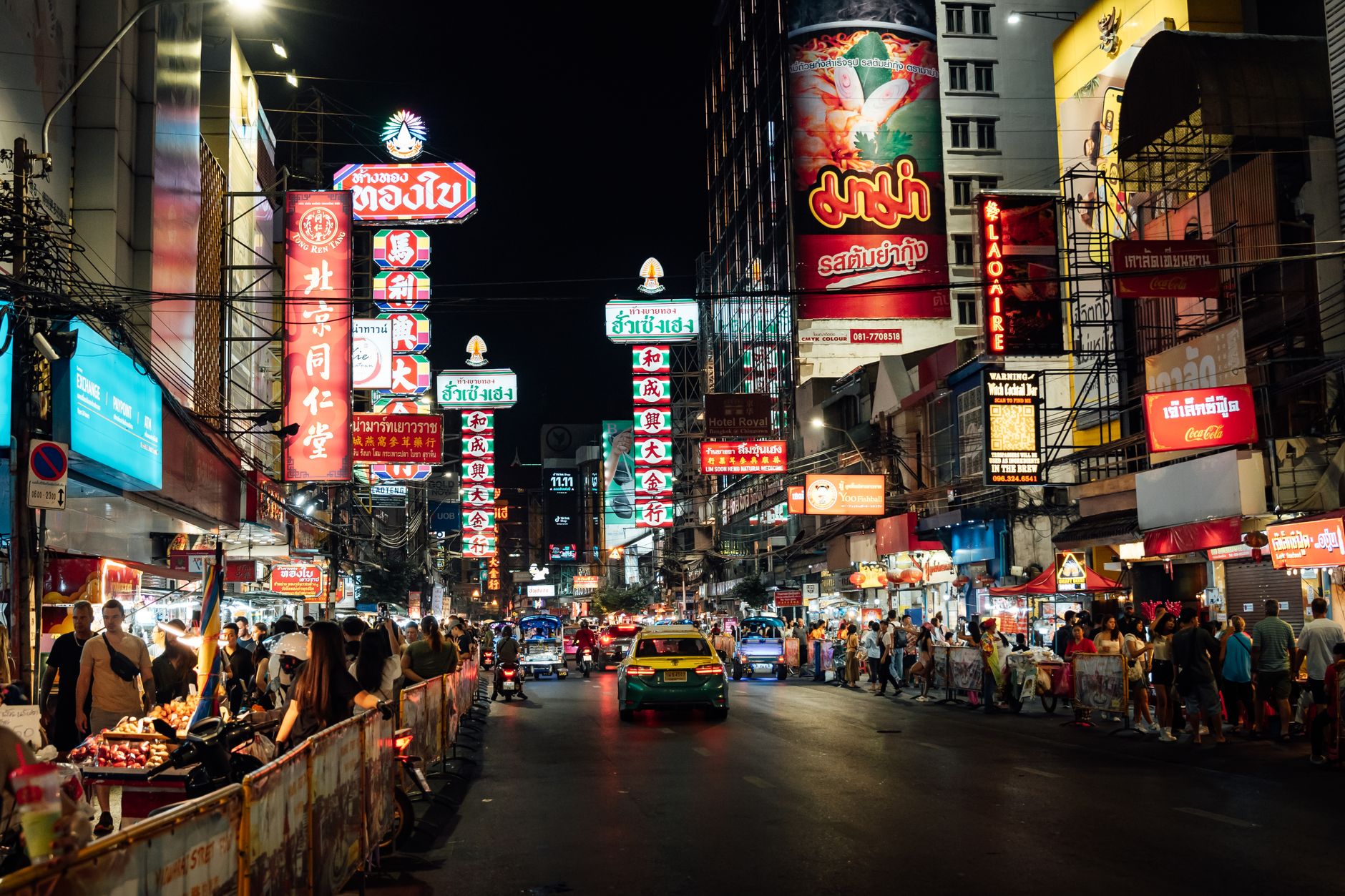
⭐⭐⭐⭐⭐ A street food paradise with incredible Fish Maw Soup! Exploring Bangkok's Chinatown (Yaowarat Road) at night is an absolute must-do. The energy here is amazing, with iconic glowing neon signs and bustling crowds everywhere you look. The street food scene is incredibly diverse. You can find a huge variety of dishes catering to many different price points, so there is truly something for every budget—from affordable street carts to sit-down seafood restaurants. The absolute highlight for us was the Fish Maw Soup. The broth was rich, savory, and packed with flavor, while the texture of the fish maw was just perfect. It is absolutely delicious and totally worth experiencing if you visit this area. Highly recommend coming here hungry and ready to explore!
Chinatown (Yaowarat)
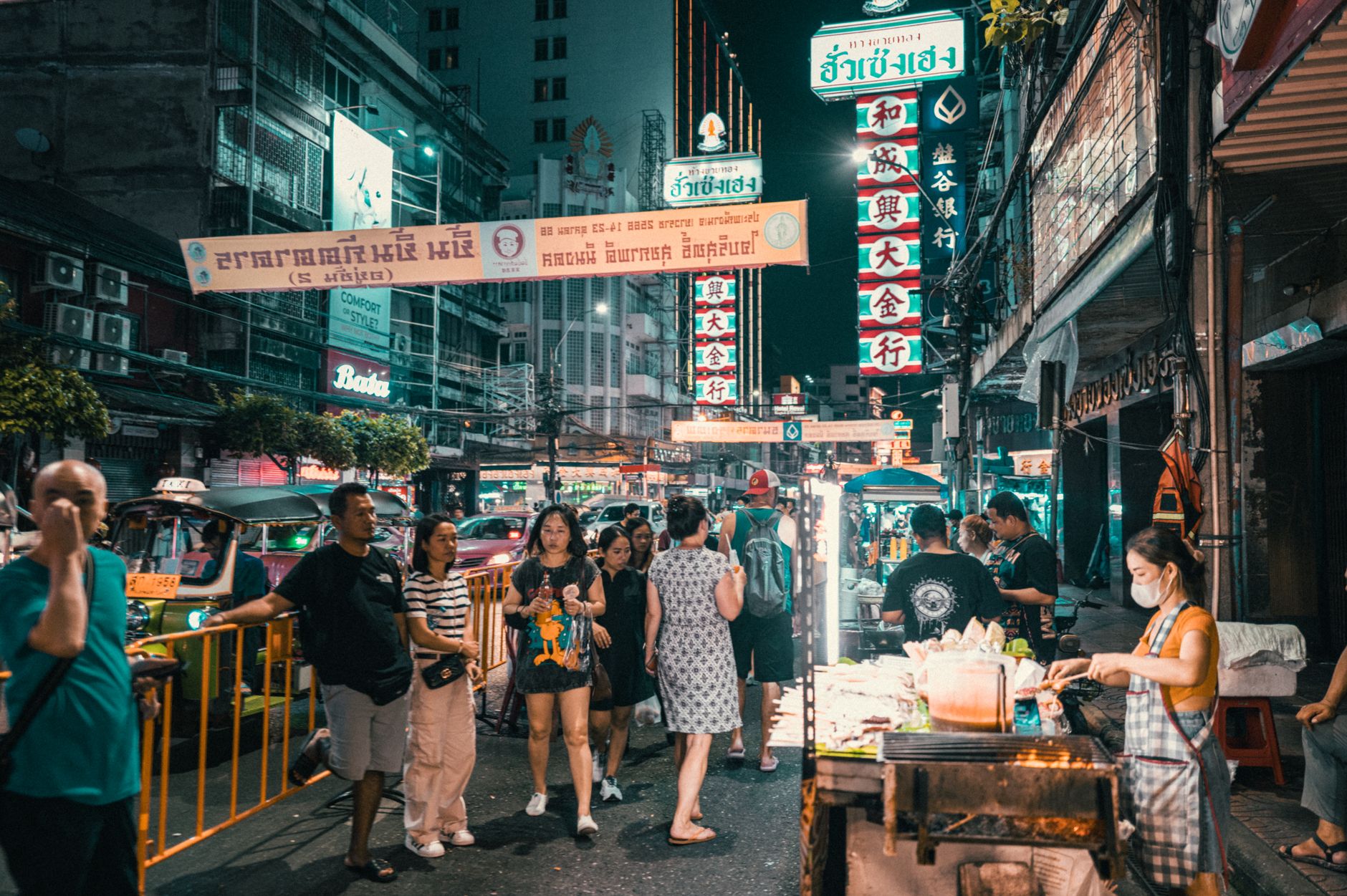
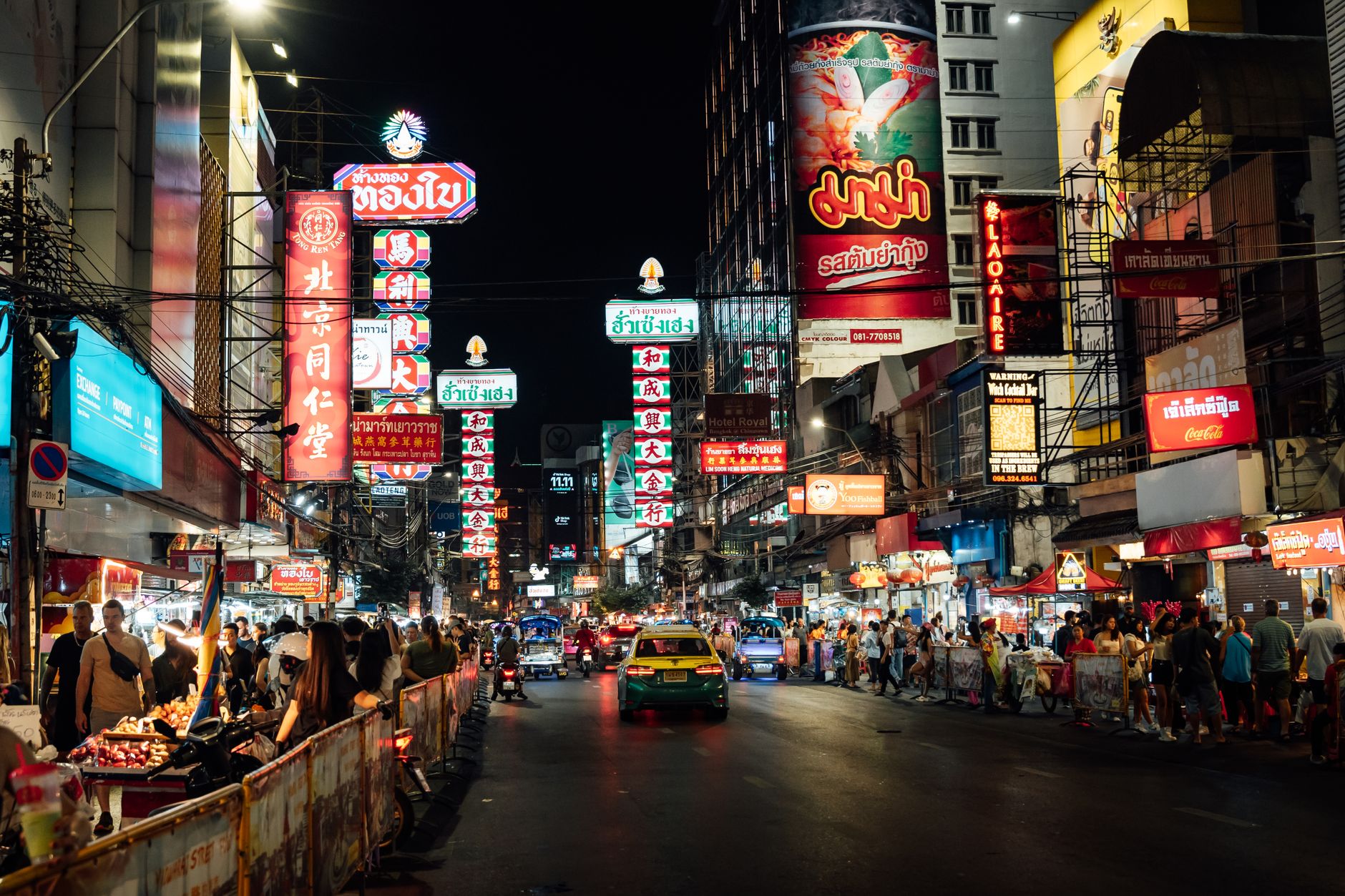
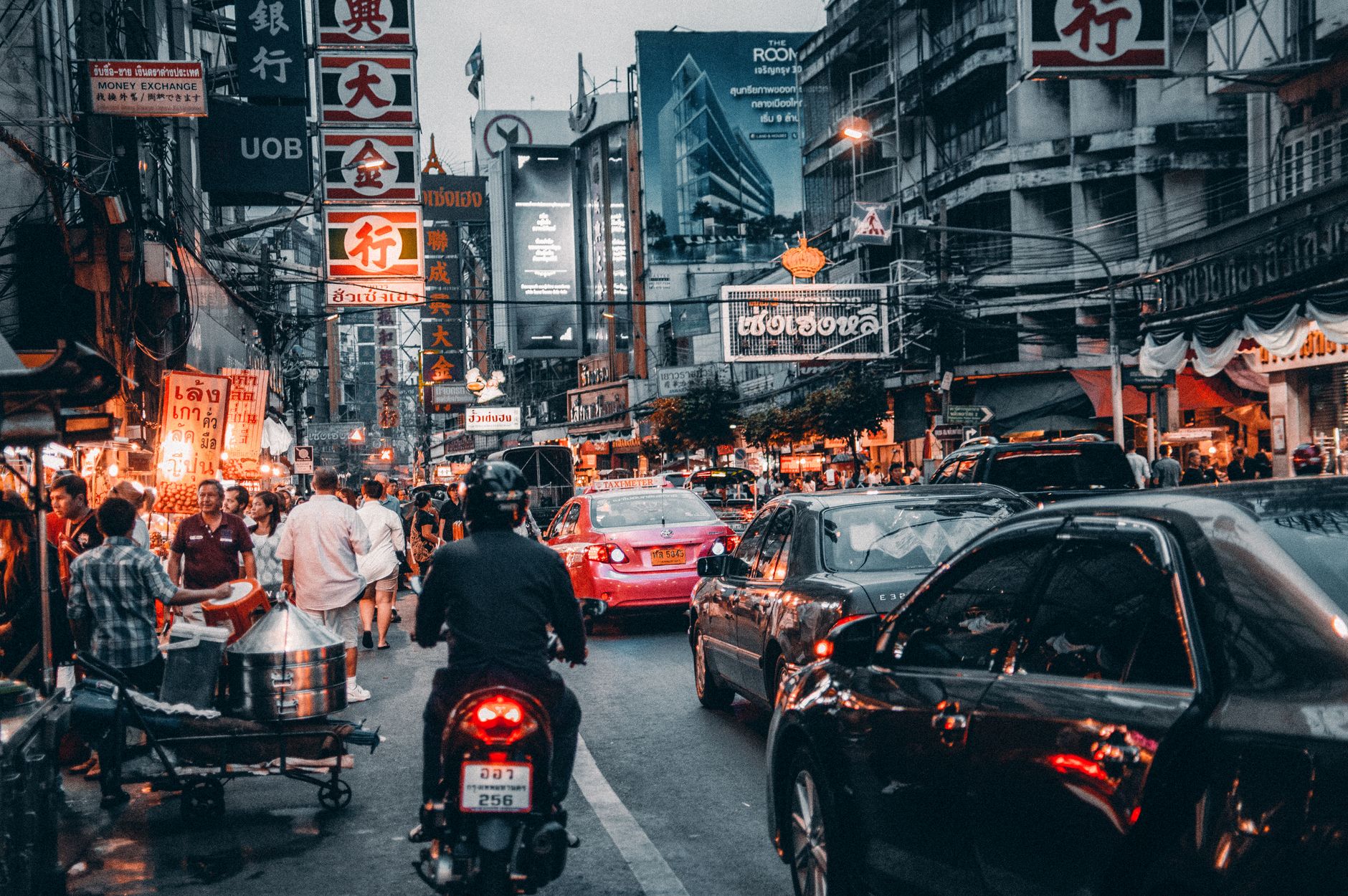
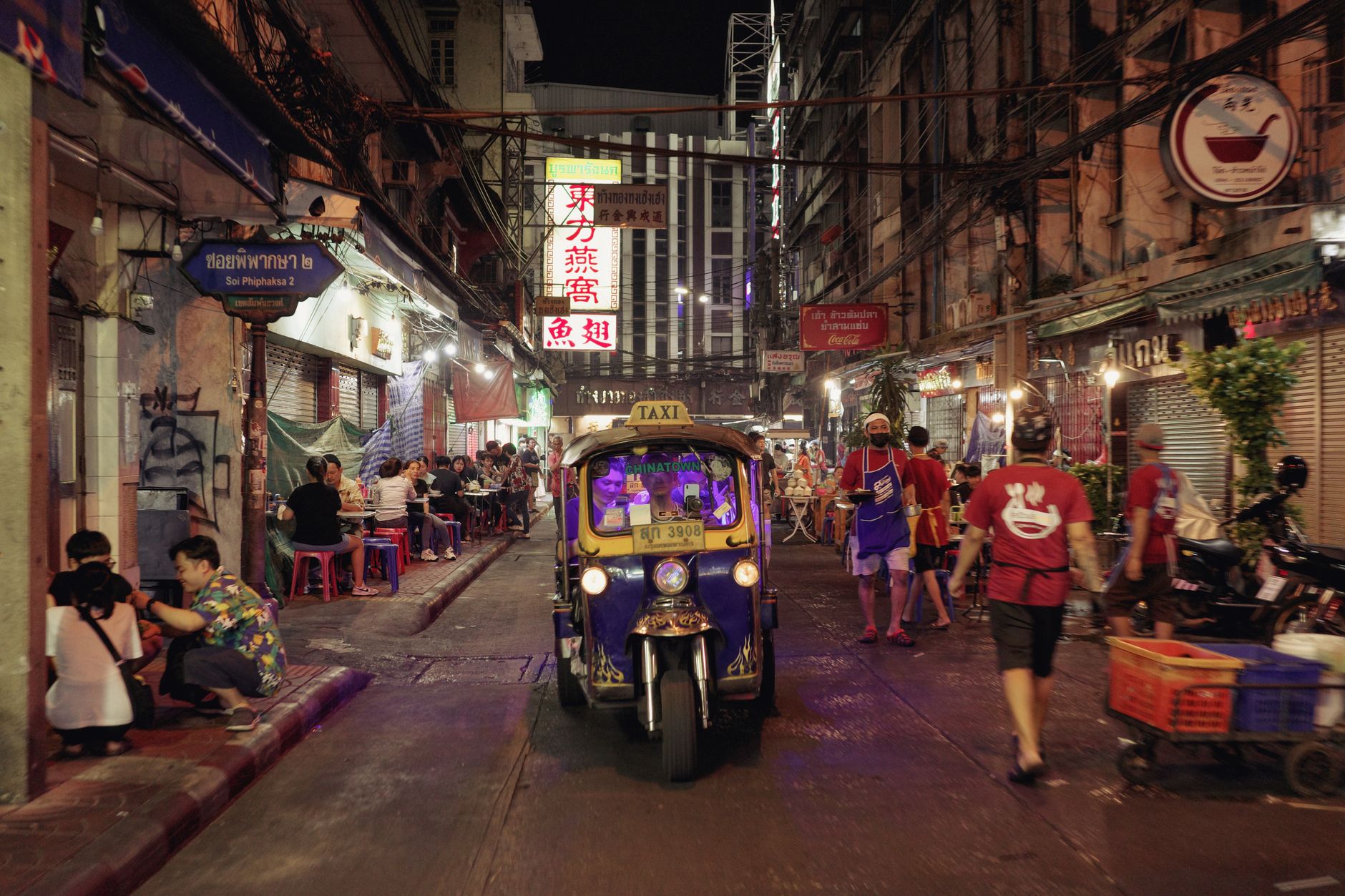
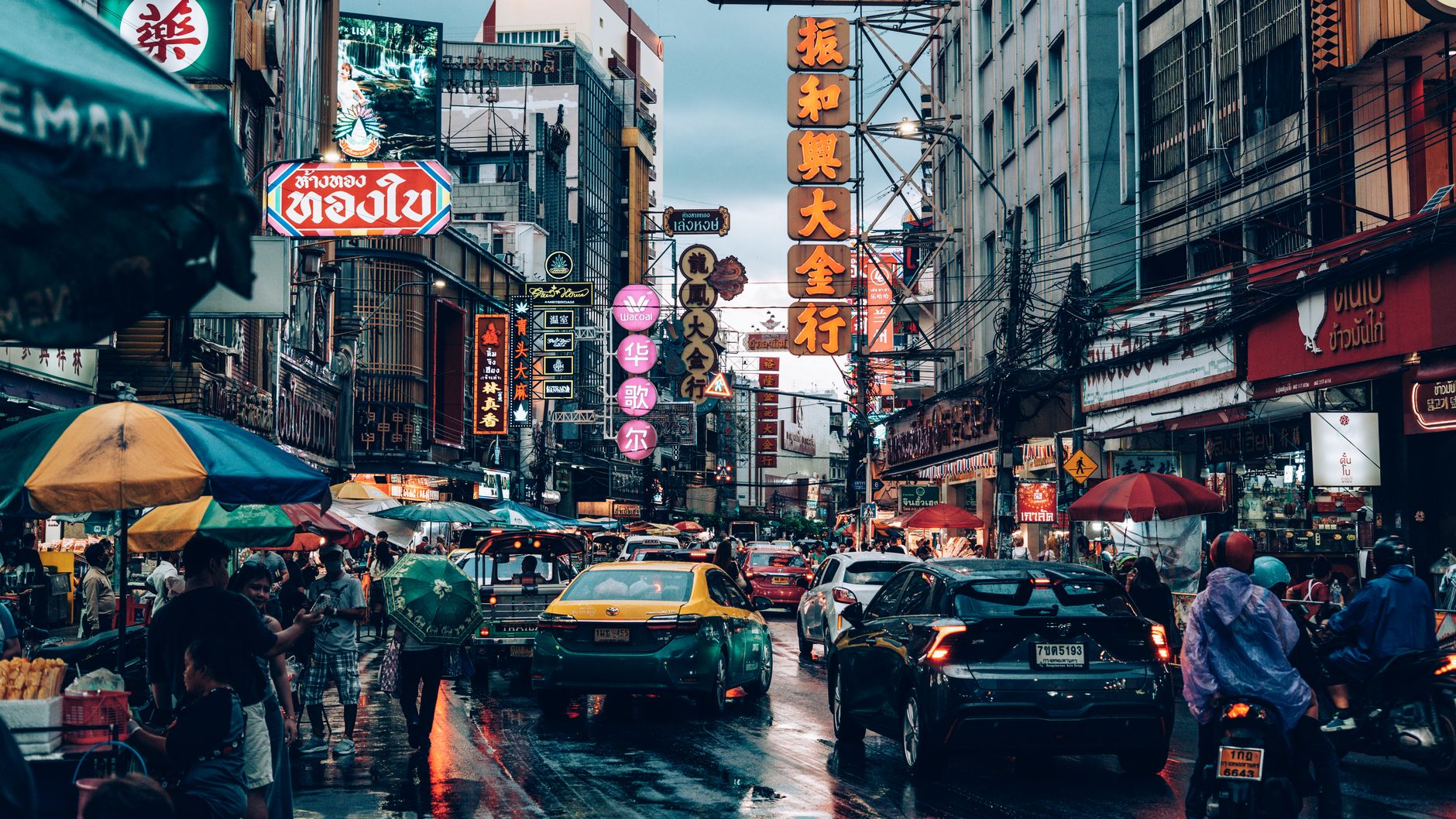
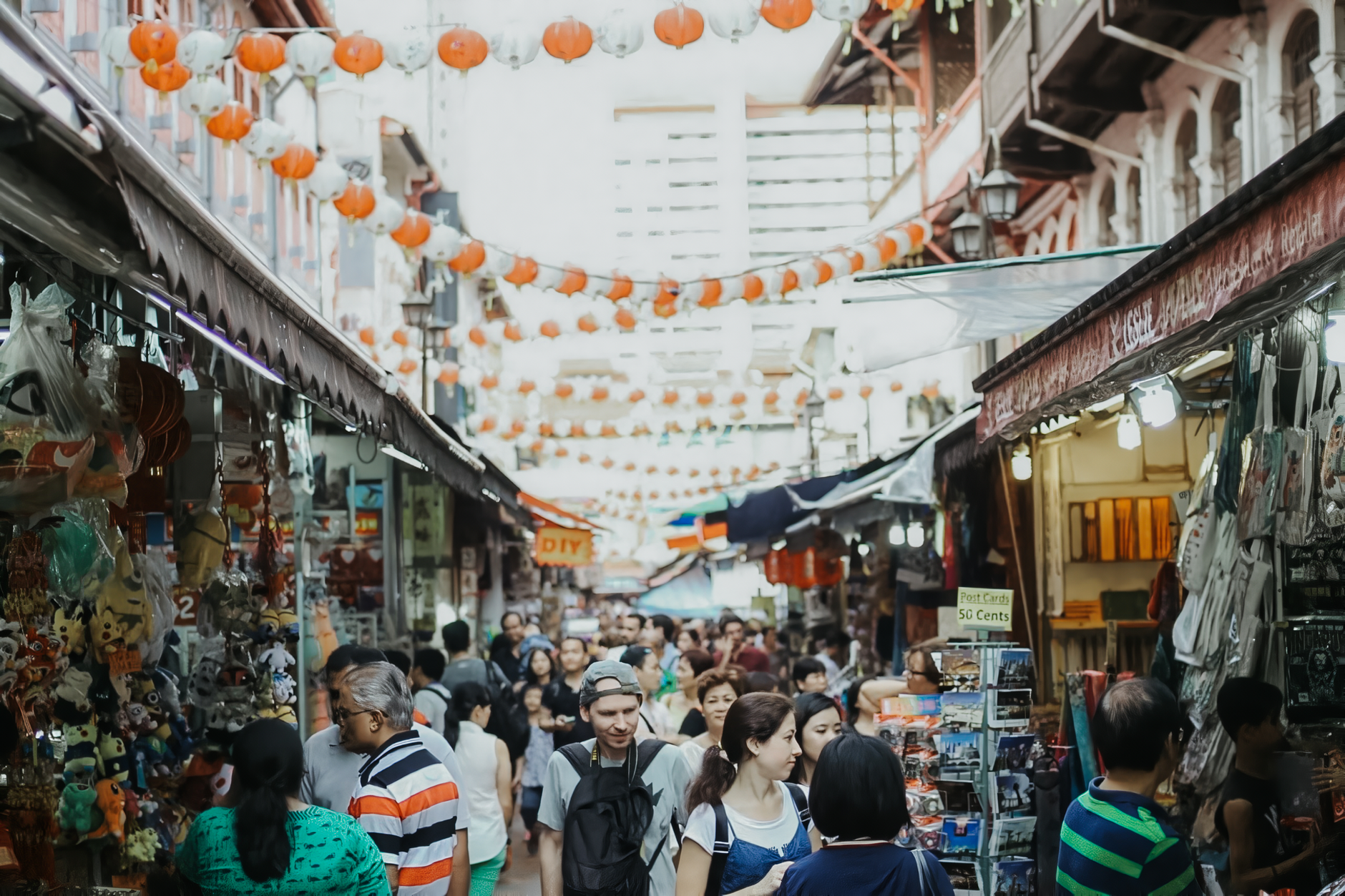
Yaowarat Road curves for 1.5 kilometres through Bangkok's oldest commercial quarter, and after dark it turns into something close to a fever dream — neon gold signage stacked three storeys high, the smell of roasting duck fat drifting past gold-shop windows that still do serious business by the gram. This is where Bangkok's Teochew Chinese community put down roots in 1782, the same year the city became a capital, and the neighbourhood has never really stopped trading since.
The road's curve is deliberate: the path traces the shape of a dragon's body, which the merchants who built here considered auspicious. Whether or not you believe in that kind of luck, the density of commerce it attracted is hard to argue with.
💛 What travellers fall for
People who keep coming back tend to arrive twice in one visit — once around 10 AM for Wat Traimit and the gold-shop lanes of Sampheng before the heat peaks, then again after 6 PM when the street-food stalls on Yaowarat proper hit their stride. The crab omelette at the open-fronted seafood restaurants near the Odeon Circle roundabout is the thing most often mentioned by name.
Deals in Chinatown (Yaowarat)
Book directly at the providerHow Chinatown (Yaowarat) came to be
Bangkok and Yaowarat are the same age. When King Rama I established the Rattanakosin capital in 1782, Teochew Chinese immigrants settled around Sampheng, forming the commercial backbone of the new city. Trade accelerated sharply after the Bowring Treaty of 1855 opened Siam to international commerce, and Charoen Krung Road — Bangkok's first paved road — followed in 1864.
The neighbourhood's defining artery came later. King Rama V ordered Yaowarat Road built in 1892; it took eight years and cost significant labour to carve a 20-metre-wide corridor through what was already dense urban fabric. By the turn of the twentieth century, the district held opium dens, theatres, gambling houses and the city's main commercial exchange — a concentration of appetite and enterprise that shaped modern Bangkok as much as any royal decree.
Who and what shaped it
People who shaped it
Landmark buildings
See Chinatown (Yaowarat) in motion
Plan your visit
On the map
When to go
December through February is the most comfortable window: temperatures sit around 26°C and humidity is comparatively forgiving. Come between June and October and you'll hit afternoon downpours, though mornings usually stay clear — and the rain, when it comes, is brief enough that a short shelter under an awning with a bowl of noodles is the standard local response.
Right now
What travellers say about Chinatown (Yaowarat)
Bangkok's Chinatown is definitely worth visiting for vibrant night life and world class street food.Yaowarat road becomes one of the best street food location in the world after sun set. The best time to visit after 5.00 pm. for the vibrant night market life and food stalls. The best way to go there is to take MRT Blue line to Wat Mangkon station to avoid the traffic.
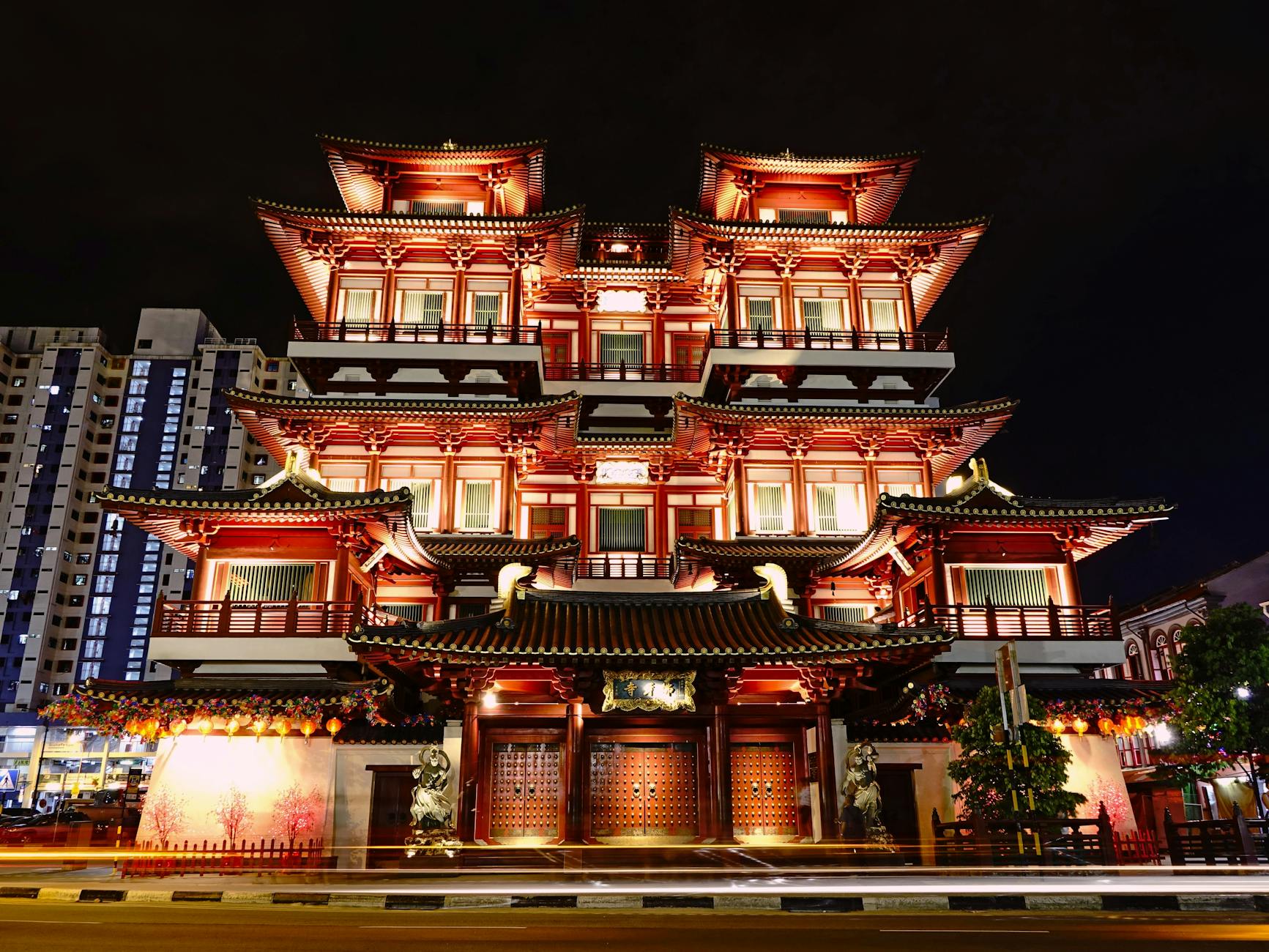
Chinatown in Yaowarat, Bangkok, is a wonderful place to visit. The area is full of history, culture, and amazing food. I especially enjoyed visiting the old authentic Buddhist temple, which had a peaceful and traditional atmosphere. It's a great place to experience Bangkok's heritage and local charm. The location is also very convenient, just a short walk from the MRT station. Highly recommended for anyone looking to explore the cultural side of Bangkok.
As one of the largest Chinatowns in the world, this area in Bangkok is renowned for its incredible shopping options and tantalizing cuisine. This fast-paced district was founded over 200 years ago and went on to become the main hub for Bangkok’s large Chinese community. Venture down Yaowarat Road, bustling with activity and brimming with shops offering an array of souvenirs, jewelry, and trinkets. Then, stop at a family-run restaurant to grab an oyster omelet or dim sum. You can ride the metro to reach Chinatown. It's also within walking distance from landmarks like the Wat Traimit Temple.
Bangkok’s Chinatown is truly a food paradise—and surprisingly affordable! 🇹🇭🏮 We tried shark fin soup, pork belly noodle soup, and ended the evening with warm glutinous rice balls for dessert. The traffic here is always incredibly busy, so it would be wonderful if the main street became a pedestrian-only zone in the evening. It would make exploring the street food scene much safer and more enjoyable. ❤️
Background & history adapted from Wikipedia (CC BY-SA) · specs from Wikidata (CC0) · weather from Open-Meteo · map data © OpenStreetMap contributors · photos from Wikimedia Commons / Unsplash with per-image credit. No third-party reviews or social posts reproduced.